


 Deutsch
 English
 Español
 Français
 Nederlands
 Português


 Share
Share




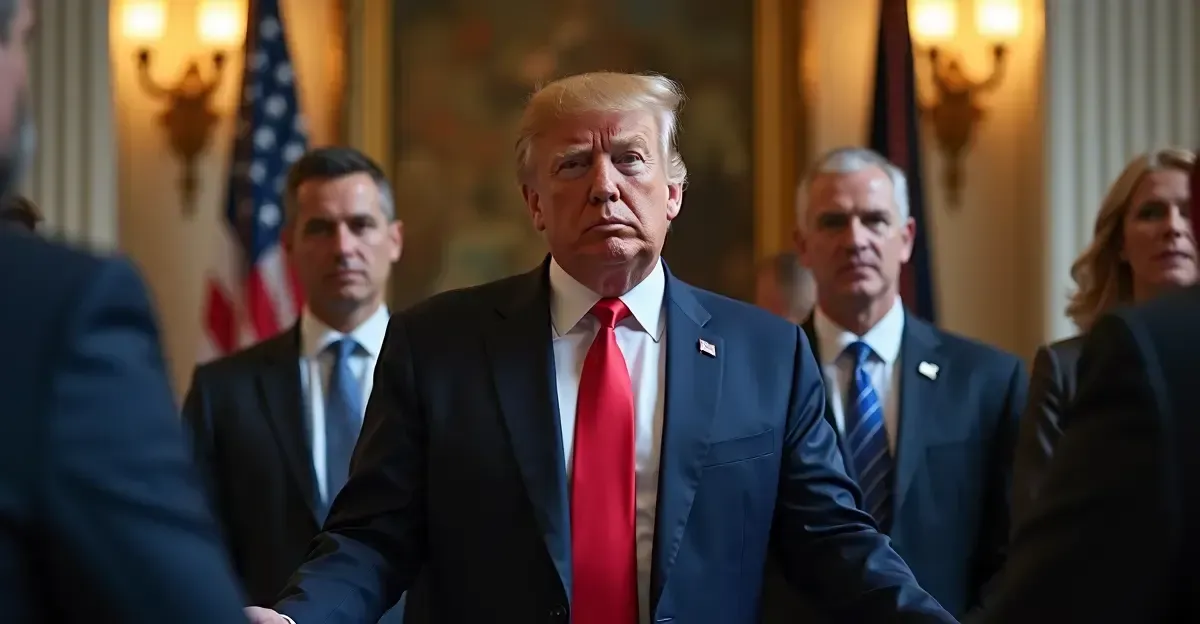
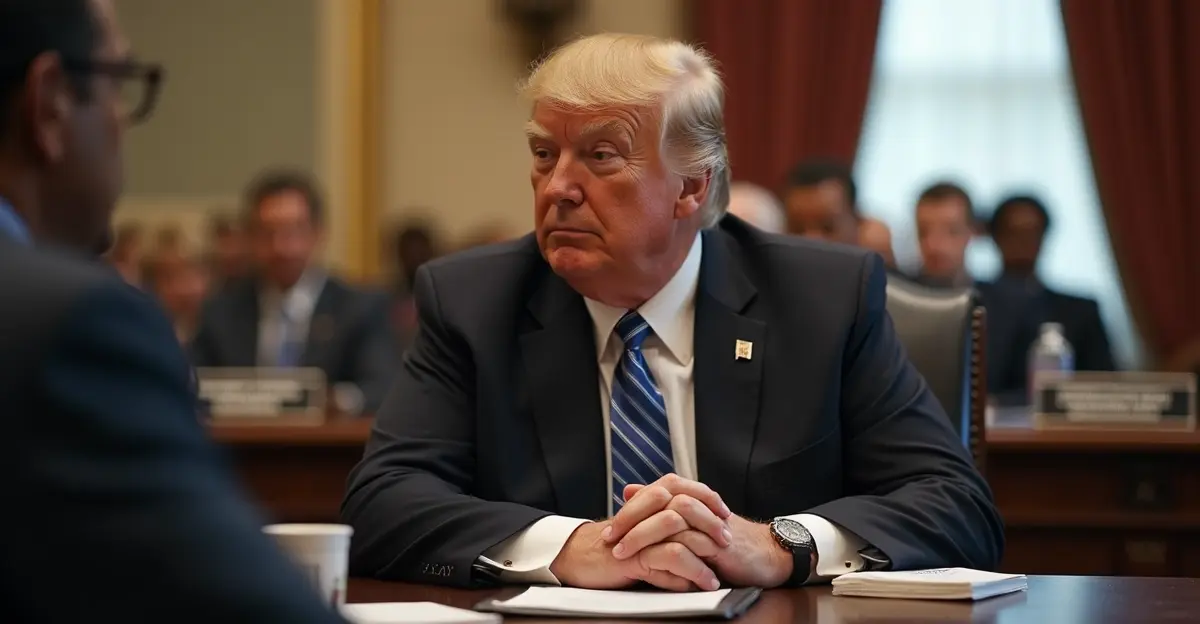
President Donald Trump signed two new executive orders on August 6, 2026, aiming to restrict birthright citizenship in the United States, just weeks after the Supreme Court rejected his earlier, broader attempt. The orders seek to expand exceptions to the 14th Amendment’s Citizenship Clause and crack down on so-called 'birth tourism,' reigniting a fierce legal and political debate over who qualifies as an American at birth.
Background: The Supreme Court Ruling on Birthright Citizenship
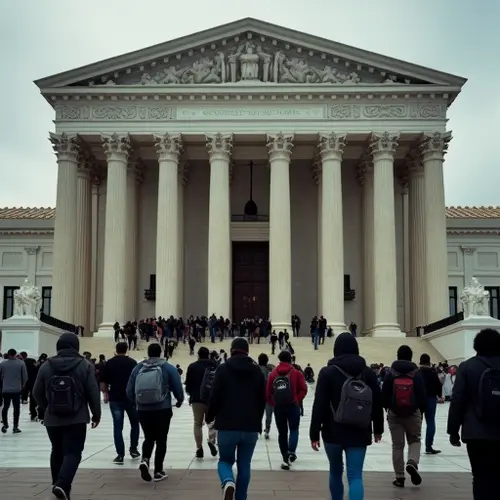
The new orders come in direct response to the Supreme Court’s 6-3 decision in Trump v. Barbara on June 30, 2026, which struck down Executive Order 14160. That earlier order, signed on Trump’s first day back in office in January 2025, sought to deny automatic citizenship to children born in the U.S. to undocumented immigrants and temporary visa holders. The Court, led by Chief Justice John Roberts, reaffirmed the longstanding interpretation of the 14th Amendment, holding that virtually everyone born on American soil and subject to its jurisdiction is a citizen at birth.
The ruling was a major blow to the Trump administration’s immigration agenda. Trump called it a 'very unfortunate decision' and vowed to adjust his approach. The new orders represent a more narrowly tailored strategy, focusing on categories of individuals the administration argues have historically been excluded from constitutional birthright citizenship protections.
What’s in the New Executive Orders?
Expanded Exceptions to the 14th Amendment
The first executive order identifies specific groups of children born in the U.S. who would no longer be entitled to automatic citizenship. While the 14th Amendment has always had narrow exceptions—such as children of foreign diplomats, invading armies, or members of Native American tribes governed by their own sovereign laws—the new order broadens these categories significantly.
According to White House Deputy Chief of Staff Stephen Miller, the order now explicitly excludes children of:
- Members of designated terrorist organizations
- Lobbyists acting on behalf of foreign governments
- A wider range of foreign officials beyond accredited diplomats
- Parents who committed fraud in their visa or immigration applications
It also extends to children born in U.S. territories like American Samoa, where constitutional birthright citizenship is not automatically applied by statute. The administration argues that these clarifications are consistent with the Supreme Court’s recognition that the Citizenship Clause is not absolute.
Crackdown on Birth Tourism
The second executive order targets 'birth tourism'—the practice of traveling to the United States specifically to give birth so that the child acquires U.S. citizenship. Trump claimed, without evidence, that 'hundreds of thousands' of people engage in the practice each year. Official data tells a different story: the Migration Policy Institute estimates between 20,000 and 26,000 such births annually, while 2024 government records show only about 9,600 children were born to mothers with foreign addresses, representing less than 1% of all U.S. births.
The order directs the State Department and Department of Homeland Security to intensify enforcement against organizations that facilitate birth tourism, including visa fraud investigations and financial penalties. However, critics note that traveling to the U.S. under false pretenses to give birth already constitutes visa fraud, raising questions about the practical impact of the new directive.
Reactions and Legal Challenges
The American Civil Liberties Union (ACLU) immediately announced plans to challenge the orders in court, arguing that they violate the plain text of the 14th Amendment. 'The Constitution is clear: if you are born here, you are a citizen,' an ACLU spokesperson said. Legal scholars predict that the new, narrower orders may still face an uphill battle, as the Supreme Court’s June ruling left little room for administrative reinterpretation of the Citizenship Clause.
Meanwhile, immigration advocacy groups and some Democratic lawmakers have condemned the move as an unconstitutional end-run around the judiciary. Supporters, however, argue that the orders are necessary to protect the integrity of U.S. citizenship and prevent abuse of the system. The debate is likely to intensify as the 2026 midterm elections approach, with immigration policy reforms expected to be a central campaign issue.
FAQ
What is birthright citizenship?
Birthright citizenship is the legal principle that anyone born on U.S. soil automatically becomes a U.S. citizen, regardless of their parents' immigration status. It is guaranteed by the 14th Amendment to the Constitution, ratified in 1868, and affirmed by the Supreme Court in the 1898 case United States v. Wong Kim Ark.
What did the Supreme Court rule in June 2026?
In Trump v. Barbara, the Court ruled 6-3 that the administration’s previous executive order denying citizenship to children of undocumented immigrants and temporary visa holders was unconstitutional. The majority held that the 14th Amendment covers all persons born on U.S. soil and subject to its laws, with only narrow historical exceptions.
How will the new executive orders affect birth tourism?
The orders direct federal agencies to step up enforcement against businesses that arrange birth tourism trips and to deny visas more aggressively to pregnant women suspected of intending to give birth in the U.S. However, birth tourism is already illegal under visa fraud statutes, so the practical effect may be limited without new legislation.
Can executive orders override the 14th Amendment?
No. Only a constitutional amendment or a new Supreme Court ruling can change the interpretation of the 14th Amendment. Executive orders must operate within existing law, and any order that conflicts with the Constitution is likely to be struck down by the courts.

Follow Discussion