Nederlands
 English
 Deutsch
 Français
 Español
 Português





Japan Battles Historic Snowstorm as Death Toll Rises
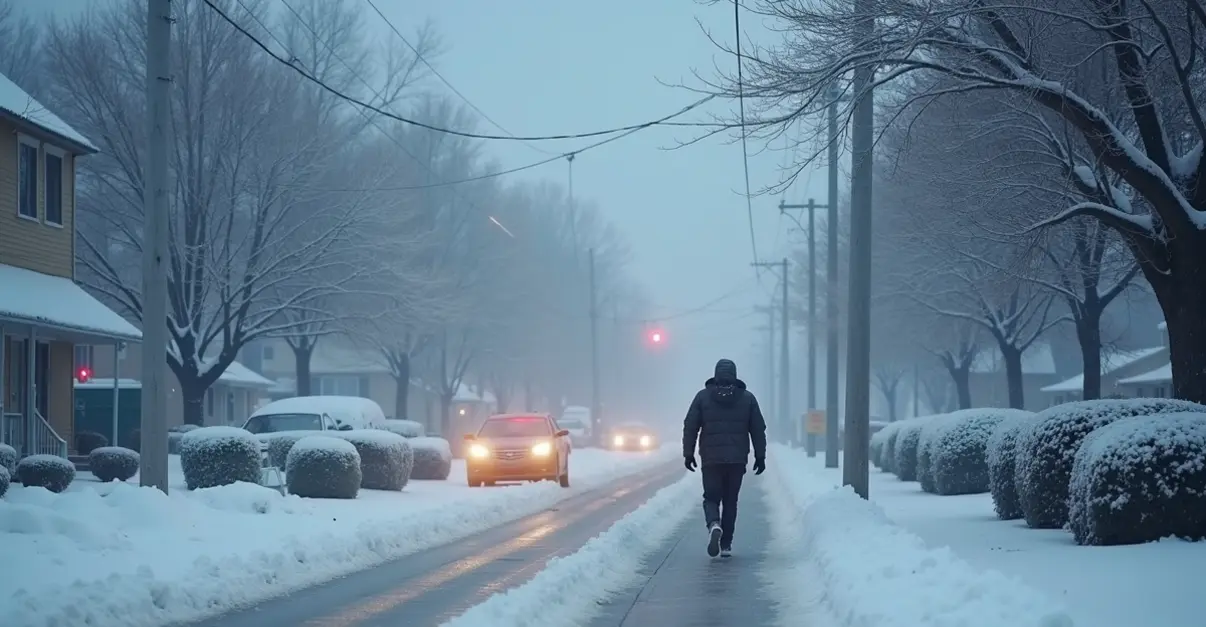
Northern and western Japan are grappling with unprecedented snowfall that has claimed at least 30 lives and injured hundreds more in what authorities are calling one of the worst winter disasters in recent memory. The Japanese government has deployed military forces to assist with snow removal operations as entire regions remain paralyzed by the relentless storms.
Record-Breaking Snowfall
In the northern city of Aomori, a staggering 183 centimeters (72 inches) of snow was recorded in a single day - breaking a 40-year record set in 1986. This represents the fourth-highest snowfall ever measured in the region. The extreme weather is attributed to a persistent cold air mass from the Arctic that has lingered over Japan, with some areas receiving more than double their usual winter snowfall.
According to meteorological experts, this pattern represents an unusually severe manifestation of Japan's typical winter weather systems. 'We're seeing atmospheric conditions that are amplifying snowfall beyond normal expectations,' explained Dr. Kenji Tanaka, a climatologist at Tokyo University. 'The combination of Arctic air masses and moisture from the Sea of Japan has created perfect conditions for these record-breaking snowfalls.'
Human Toll and Emergency Response
The human cost has been devastating. At least 30 people have died, with more than 100 seriously injured according to official reports. Most fatalities occurred during snow removal activities, particularly when people fell from roofs while attempting to clear accumulated snow. In one tragic incident in Aomori, a 54-year-old man died after falling from his roof, while an 80-year-old man was found buried under snow near his home.
Prime Minister Sanae Takaichi has taken personal charge of the crisis response, convening emergency cabinet meetings and authorizing the deployment of Self-Defense Forces. 'I beg everyone to closely monitor weather forecasts and take measures for their own safety,' Takaichi stated during a special ministerial meeting. 'More snow is forecast for the weekend. I ask all ministers to do everything possible to prevent damage and provide help where needed.'
Transportation Chaos and Infrastructure Collapse
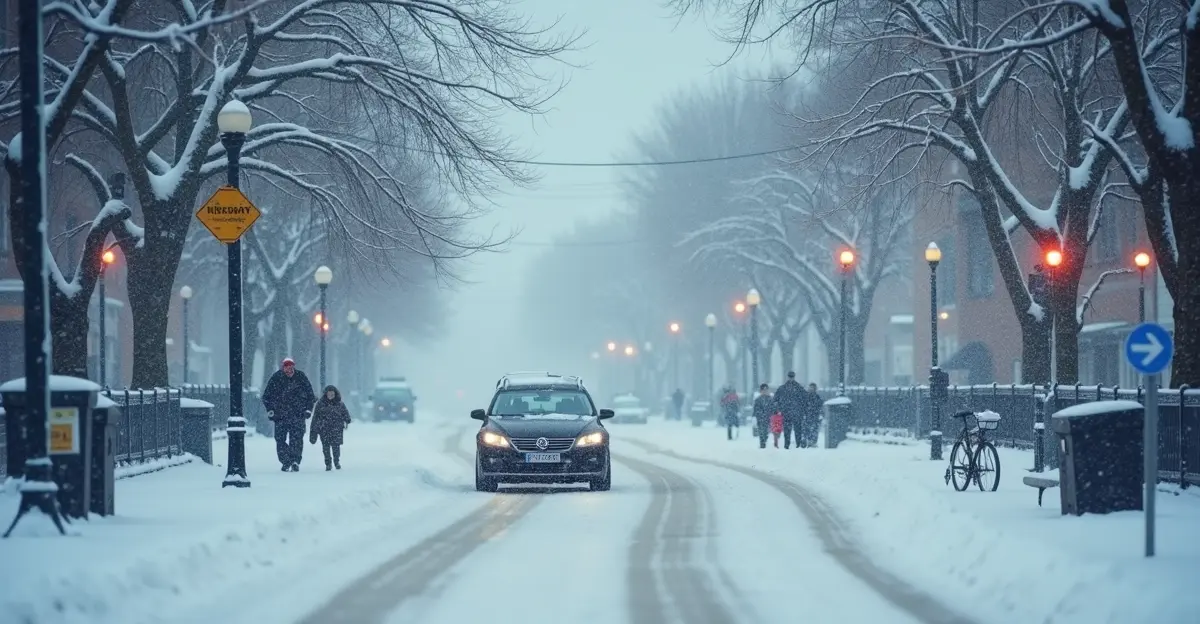
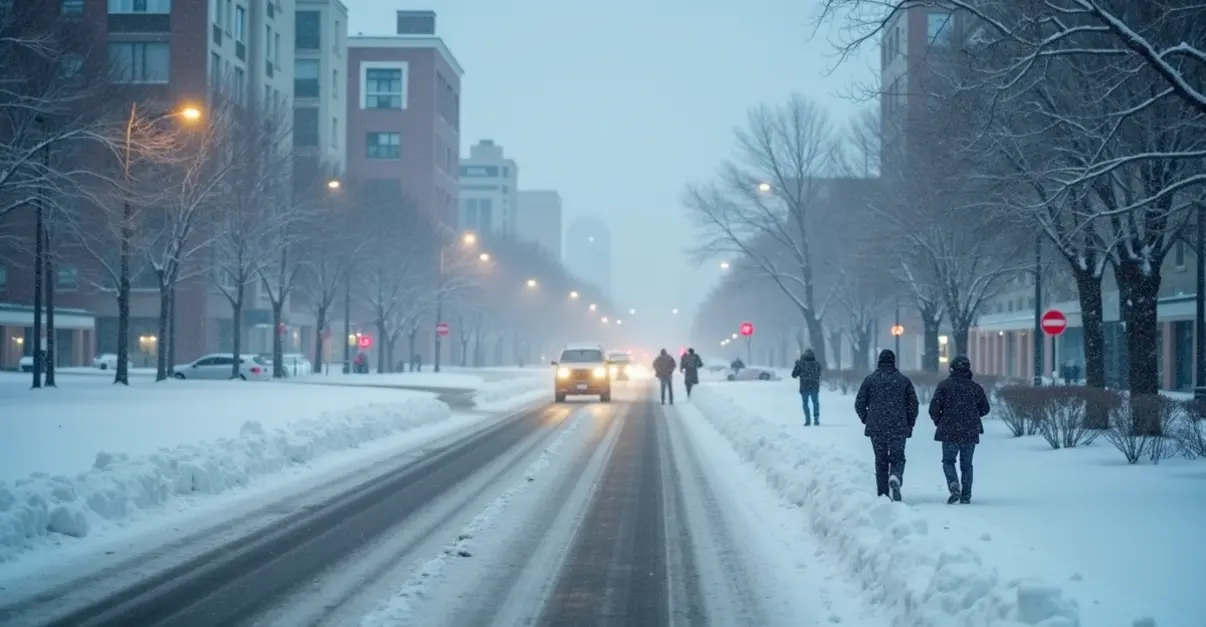
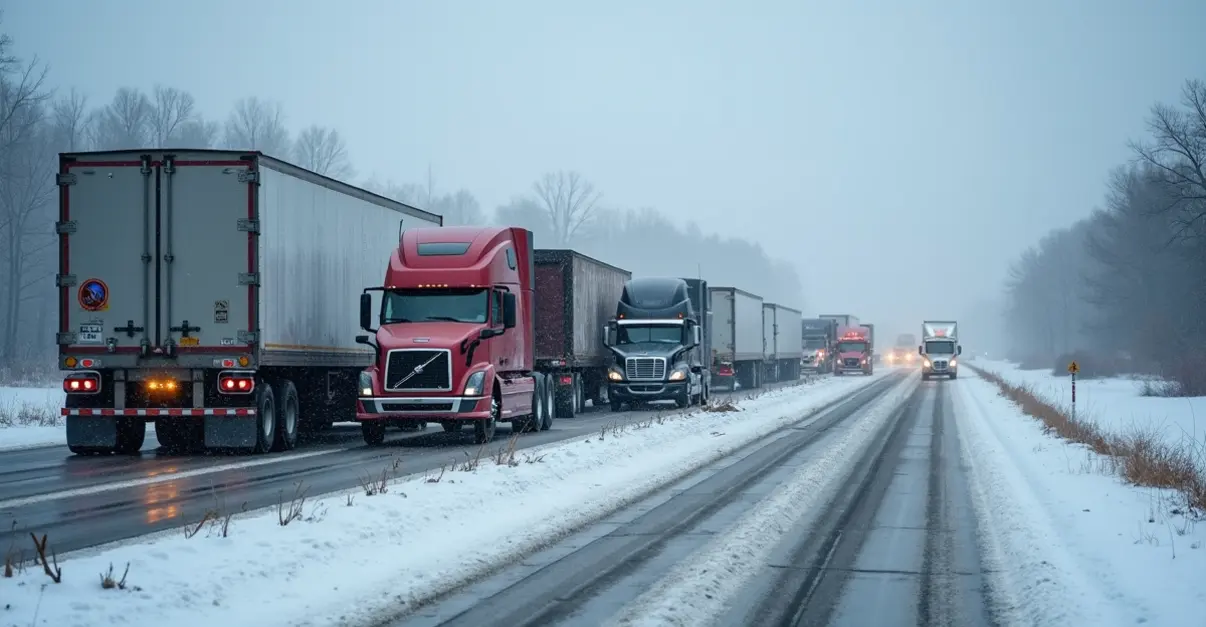
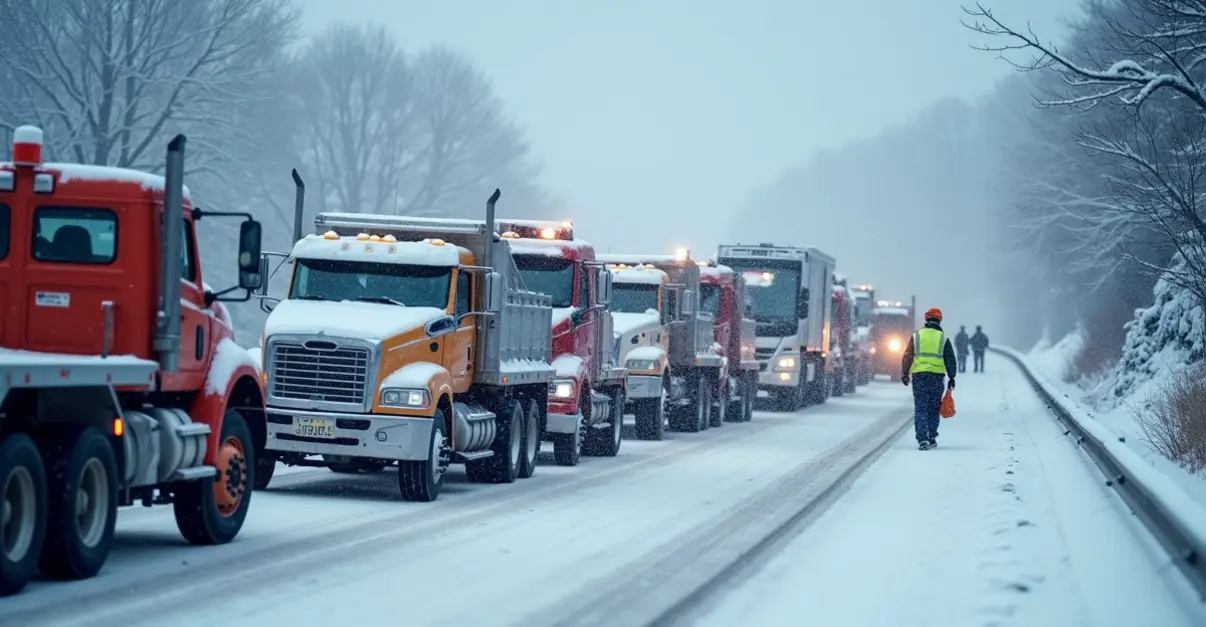
The snowfall has brought northern Japan to a standstill. In Sapporo, Hokkaido's largest city, authorities have deployed 1,000 snowplows in a desperate attempt to clear roads. New Chitose Airport, Hokkaido's main international gateway, has been closed for days, stranding approximately 7,000 travelers who were forced to spend nights in airport terminals and underground walkways.
Rail services have been decimated, with Hokkaido Railway Company canceling 545 train services in a single day. The rapid Airport train connecting New Chitose Airport with Sapporo remains suspended, and bus services throughout the region have ground to a halt. 'We've never seen conditions like this,' said airport spokesperson Yuki Nakamura. 'Even with all our equipment, we're struggling to keep up with the accumulation.'
Military Mobilization and Community Response
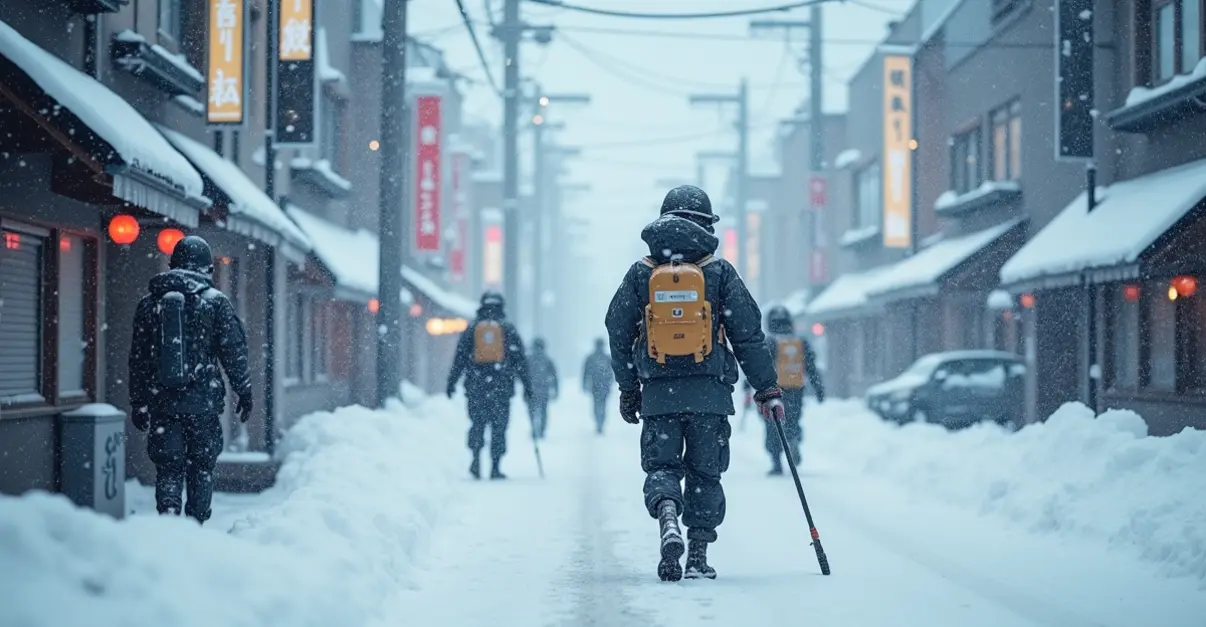
The Japanese Self-Defense Forces have been deployed across affected regions, focusing particularly on assisting elderly residents who live alone and cannot clear snow from their roofs. Soldiers are working alongside municipal workers to clear roads, restore essential services, and conduct welfare checks on vulnerable residents.
Local communities have organized volunteer efforts, with neighbors helping shovel snow and deliver supplies to those unable to leave their homes. However, authorities warn that avalanche risks remain high, and more snowfall is expected in the coming days. Schools throughout affected regions remain closed, and businesses are operating with skeleton staff.
This disaster follows a pattern of increasingly severe winter weather in Japan. According to Al Jazeera's reporting, at least 18 people had already died nationwide since December 20 due to heavy snowfall before this latest storm intensified. The Reuters coverage highlights the unprecedented scale of military involvement in snow removal operations.
As Japan faces what may be one of its most challenging winters in decades, the focus remains on saving lives, restoring critical infrastructure, and preparing for the additional snowfall forecast for the weekend.