


 Deutsch
 English
 Español
 Français
 Nederlands
 Português


 Share





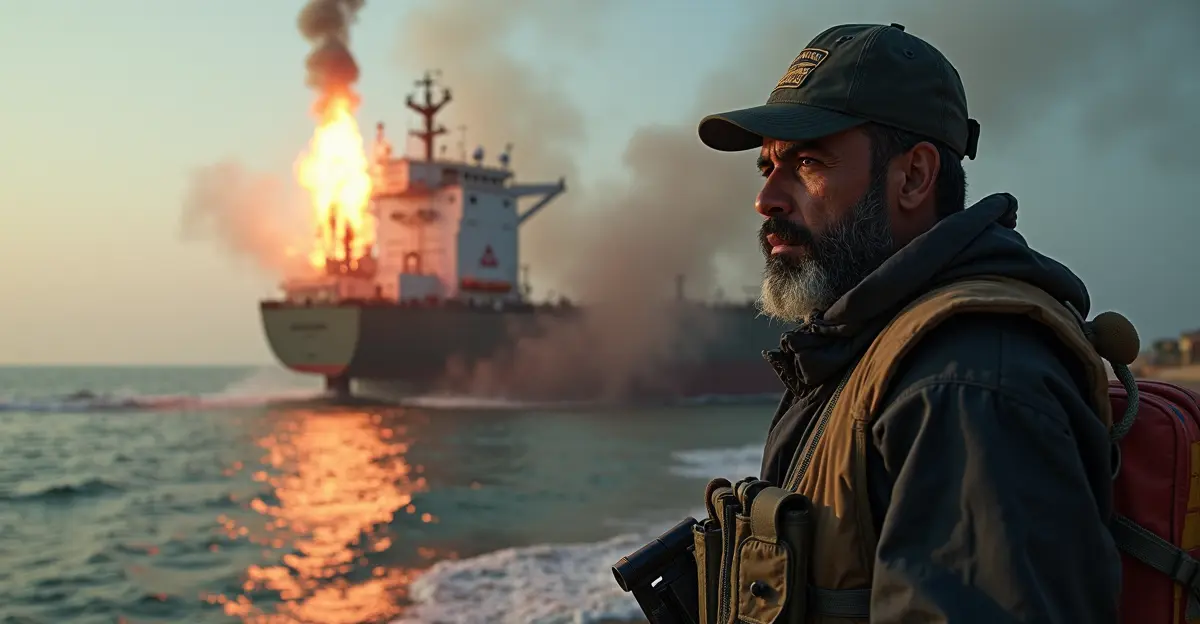
Somali pirates hijacked a ship in the Gulf of Aden on the morning of 28 November 2026, but the crew has regained control, according to the European maritime security centre for the Indian Ocean (MSCIO). The incident occurred roughly 120 nautical miles from the Somali port city of Bosaso, and no injuries were reported.
What happened in the Gulf of Aden hijacking?
The MSCIO received a hijacking report shortly before 07:00 local time. Six armed pirates boarded the vessel, prompting the crew to retreat to the ship's citadel — a heavily secured room equipped with communication tools and an emergency ration supply. In an update, the MSCIO confirmed that the pirates were no longer on board and that the crew had retaken control. How the situation was resolved has not been disclosed.
'Ships that are sailing in the area are still advised to be extra alert,' the MSCIO stated. The ship's name and flag have not been released.
Where is Bosaso and why is it a piracy hotspot?
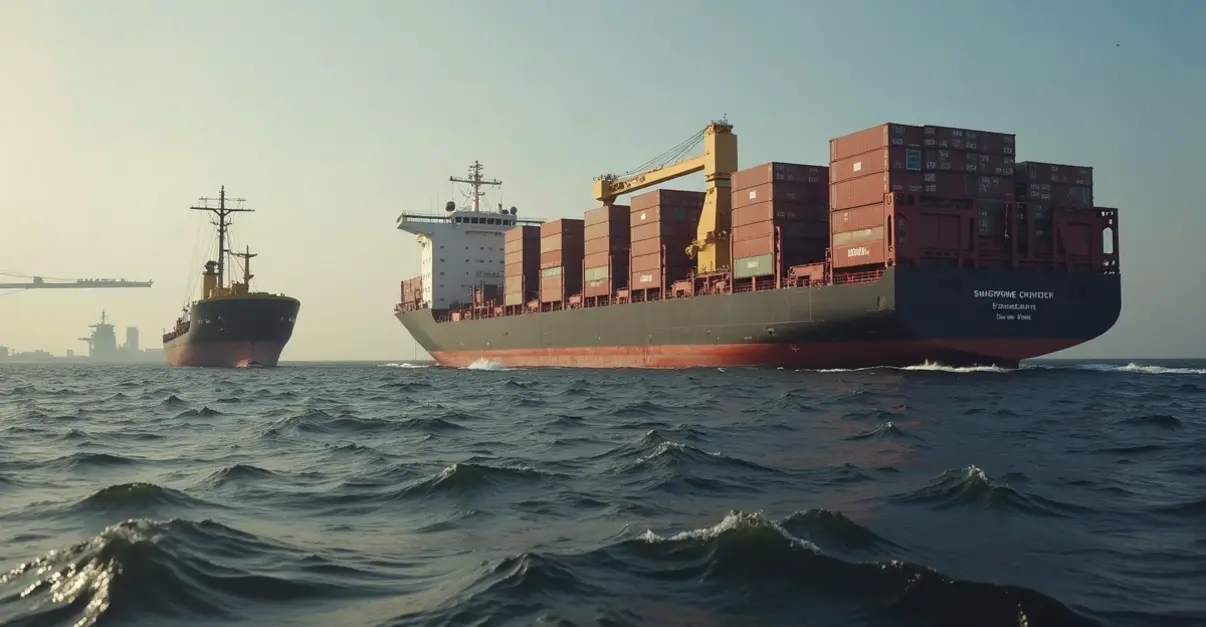
Bosaso is a port city on Somalia's northern coast, near the entrance to the Bab el-Mandeb strait, which connects the Red Sea with the Indian Ocean. The hijacking location sits on a busy shipping lane. Renewed Somali piracy activity has been reported since late 2023, reversing a long period of decline after international naval operations pushed attacks down in the early 2010s. According to maritime security analysts, the combination of economic instability and reduced naval patrols in the region has created new opportunities for pirate groups.
What is a ship citadel?
A citadel is a fortified safe room inside a merchant vessel. It is designed to protect crew members during a pirate attack, with reinforced doors, communications equipment, CCTV access and emergency food and water. By locking themselves inside, crew members can make it harder for pirates to take control of the ship while awaiting naval assistance. In this incident, the citadel likely played a key role in allowing the crew to wait out the boarding and eventually regain control.
Operation Atalanta investigation and shipping security
The European Union's counter-piracy mission, Operation Atalanta, has opened an investigation into the incident. Launched in 2008, the mission protects vulnerable shipping and coordinates with regional maritime security actors. The EU naval counter-piracy mission has warned commercial vessels to remain vigilant in the Gulf of Aden and Somali Basin. Since its mandate was broadened in 2022, Atalanta also contributes to maritime security in the West Indian Ocean and the Red Sea, including monitoring arms trafficking and illegal fishing.
Impact on Red Sea shipping routes
The attack near Bab el-Mandeb highlights ongoing risks for vessels transiting between Europe, Asia and the Middle East. While the crew's use of the citadel likely prevented a prolonged hijacking, shipping companies are being urged to review onboard security procedures. Red Sea maritime security remains under pressure from both piracy and regional instability. Ship operators are advised to follow MSCIO alerts, maintain a visible security presence and ensure crews are trained in citadel protocols.
FAQ: Somali pirate hijacking off Bosaso
How many pirates were involved in the hijacking?
Six armed pirates boarded the vessel, according to the MSCIO.
Did anyone get hurt?
No injuries were reported. The crew retreated to the citadel and later regained control of the ship.
Where exactly did the hijacking happen?
About 120 nautical miles from Bosaso, in the Gulf of Aden near the Bab el-Mandeb shipping route.
What is Operation Atalanta doing?
The EU naval mission is investigating the incident and maintaining maritime security in the West Indian Ocean and Red Sea.
Why do Somali pirates target this area?
The Gulf of Aden is a narrow, heavily trafficked shipping lane near the Somali coast, making vessels vulnerable to small-boat attacks.

Follow Discussion