


 Deutsch
 English
 Español
 Français
 Nederlands
 Português


 Share
Share




Red Sea Shipping Security Alert: What Is Happening in 2026?
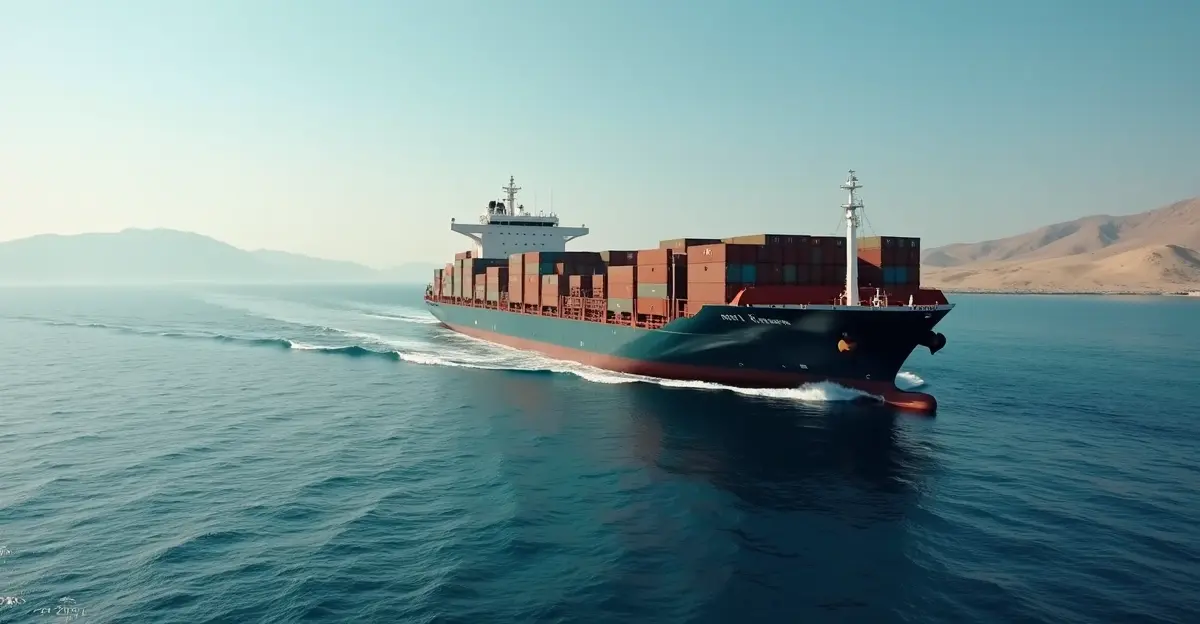
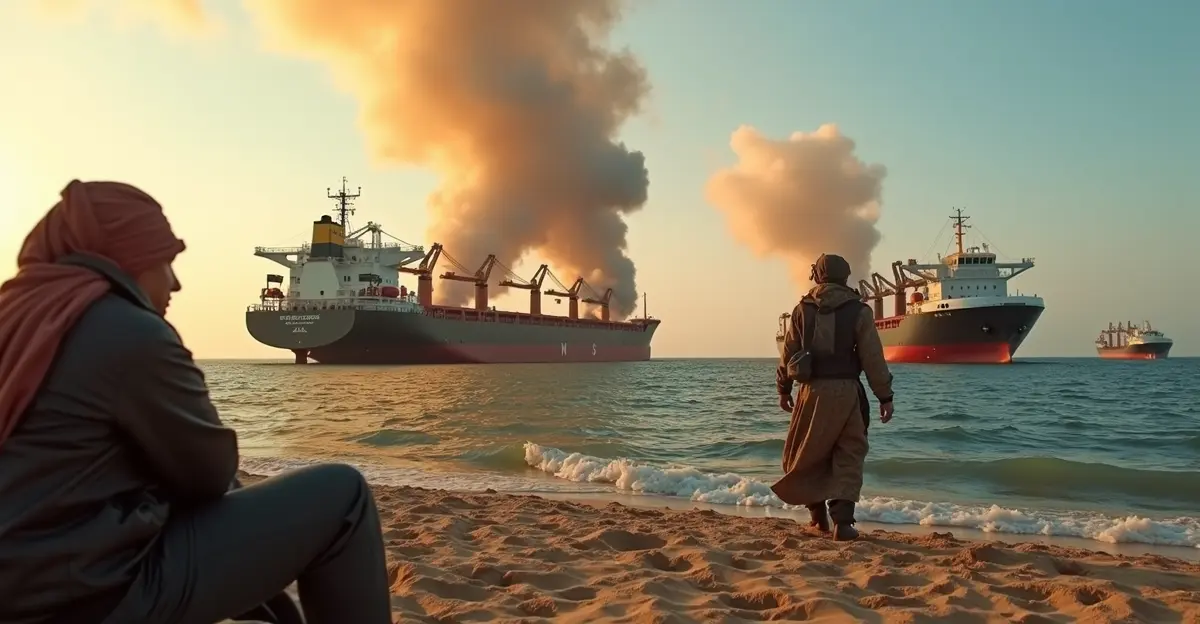
The Red Sea shipping security crisis continues into 2026 as a fragile ceasefire between Israel and Hamas in October 2025 has led to Houthi forces suspending attacks on Israeli-affiliated vessels, yet the maritime security situation remains dangerously volatile. This strategic chokepoint handles approximately 12% of global commerce through the Suez Canal, making the Middle East maritime security situation a critical concern for international trade, insurance markets, and geopolitical stability. According to recent reports from NorthStandard and maritime security analysts, while no successful attacks have been reported since January 2026, the conditional nature of the ceasefire means any renewed conflict could trigger immediate resumption of hostilities against commercial shipping.
Current Security Situation and Recent Incidents
As of early 2026, the Red Sea and Gulf of Aden face ongoing security threats despite the conditional ceasefire. The United States Maritime Administration continues to issue advisories about multiple risks including piracy, armed robbery, kidnapping, Iranian vessel seizures, and sophisticated GPS jamming/spoofing operations. Notably, there were significant escalations in late Q3 2025 including an attempted attack on a tanker near Yanbu, Saudi Arabia, demonstrating the persistent threat environment.
The EU's naval mission EUNAVFOR ASPIDES has been extended until February 2026 to protect merchant shipping across key Middle Eastern waterways, while the US-led Operation Prosperity Guardian continues its presence. Shipping associations recommend thorough threat assessments before transiting the area, which remains designated as a High-Risk Area by the International Bargaining Forum. The Joint War Committee maintains a Listed Area covering the Indian Ocean, Gulf of Aden and Red Sea, reflecting ongoing insurance concerns.
Economic Impact on Global Trade
The Red Sea shipping crisis has created dramatic economic consequences that extend far beyond the region. Approximately 90% of container ships are rerouting around Africa's Cape of Good Hope, adding 10-14 days to Asia-Europe journeys and increasing voyage costs by approximately $1 million per trip. This has caused Suez Canal revenue to drop by half from its 2022 peak, with traffic through the critical Bab al-Mandeb Strait declining by 66% for crude oil and nearly ceasing for LNG shipments.
Freight rates have surged sharply due to supply chain instability and early Lunar New Year cargo rushes in 2026. The crisis has contributed to inflationary pressures globally and exposed vulnerabilities in maritime chokepoints. According to HSBC analysis, a faster transition back to Red Sea routes could trigger an additional 10% rate drop, potentially pushing major carriers like Maersk and Hapag-Lloyd into losses. The industry faces structural overcapacity issues, with global container ship capacity projected to rise 36% between 2023-2027 while demand weakens.
Insurance Market Transformations
The Red Sea security crisis has fundamentally reshaped global shipping insurance markets. War risk premiums have tripled from pre-crisis levels, now standing at 0.70% of vessel value compared to 0.30% before the Houthi attacks began. This dramatic increase reflects the heightened risk assessment by underwriters who must account for potential vessel damage, crew safety concerns, and cargo losses.
Insurance companies have implemented new risk assessment protocols that consider multiple factors including vessel flag, ownership structure, cargo type, and routing decisions. The crisis has created investment opportunities in specialized maritime insurers and reinsurance markets that can navigate the complex risk landscape. According to industry experts, this instability represents a permanent shift in maritime economics rather than a temporary disruption, with implications for global supply chain resilience planning across multiple sectors.
Policy Implications and International Response
The ongoing Red Sea crisis has significant policy implications for governments, international organizations, and shipping companies. The extension of EUNAVFOR ASPIDES until February 2026 demonstrates the European Union's commitment to maintaining maritime security, while the US-led coalition continues to patrol critical waterways. These military operations represent substantial resource commitments and raise questions about long-term sustainability.
New regulatory requirements have emerged in response to the crisis, including mandatory SOLAS rules effective January 1, 2026 that require immediate reporting of lost containers at sea. This addresses increased container losses exacerbated by harsh weather conditions on detour routes around Africa. The crisis has also prompted discussions about alternative trade routes and infrastructure investments, including potential development of East African ports as strategic alternatives to traditional Middle Eastern hubs.
Impact on Shipping Companies and Operational Strategies
Major shipping companies have adopted divergent strategies in response to the Red Sea security alert. While some carriers like Maersk have cautiously resumed limited Suez Canal transits, others like CMA CGM continue to favor longer Cape Horn routing due to persistent security concerns. This strategic divergence reflects differing risk assessments and corporate priorities within the industry.
The crisis has accelerated adoption of new security technologies including enhanced satellite tracking, cybersecurity measures to protect vessel data from GPS spoofing, and improved communication systems for threat reporting. Shipping companies are also investing in crew training for high-risk transits and developing more sophisticated risk assessment frameworks that incorporate real-time intelligence feeds. These operational changes represent significant costs but are increasingly viewed as necessary investments in an era of heightened geopolitical risk assessment for maritime operations.
Future Outlook and Risk Assessment
Looking ahead to the remainder of 2026, analysts warn that the Red Sea shipping security situation remains fragile and subject to rapid deterioration. The conditional nature of the ceasefire means that any escalation in regional conflicts could trigger immediate resumption of attacks on commercial vessels. Industry experts note that geopolitical disruption has become the rule rather than the exception in global shipping, with multiple 'black swan' events threatening traditional trade routes.
The crisis has highlighted broader vulnerabilities in global supply chains and prompted strategic reassessments of maritime routing, insurance structures, and security investments. While some temporary relief may come from European port congestion or inventory restocking cycles, the overall outlook involves continued volatility, elevated costs, and ongoing security concerns. The situation serves as a stark reminder of how regional conflicts can create global economic consequences through critical maritime chokepoint vulnerabilities.
Frequently Asked Questions (FAQ)
What is the current Red Sea shipping security alert?
The Red Sea shipping security alert refers to ongoing threats to commercial vessels from Houthi forces in Yemen, despite a conditional ceasefire established in October 2025. While attacks on Israeli-affiliated vessels have been suspended, the maritime security situation remains volatile with risks including piracy, armed robbery, and GPS jamming.
How has the crisis affected global trade?
The crisis has forced approximately 90% of container ships to reroute around Africa's Cape of Good Hope, adding 10-14 days to Asia-Europe journeys and increasing costs by $1 million per voyage. This has reduced Suez Canal traffic by 57.5% and contributed to global inflationary pressures through increased freight rates.
What are the insurance implications?
War risk premiums have tripled to 0.70% of vessel value, up from 0.30% pre-crisis. Insurance companies have implemented new risk assessment protocols, and the crisis has created investment opportunities in specialized maritime insurance markets.
How are shipping companies responding?
Companies have adopted divergent strategies, with some cautiously resuming limited Suez transits while others continue Cape routing. All are investing in enhanced security technologies, crew training, and improved risk assessment frameworks.
What is the future outlook for 2026?
The situation remains fragile with potential for rapid deterioration if regional conflicts escalate. Industry experts warn of continued volatility, elevated costs, and ongoing security concerns throughout 2026, representing a permanent shift in maritime economics.

Follow Discussion