


 Deutsch
 English
 Español
 Français
 Nederlands
 Português


 Share
Share




Spy Device Discovery in Geneva
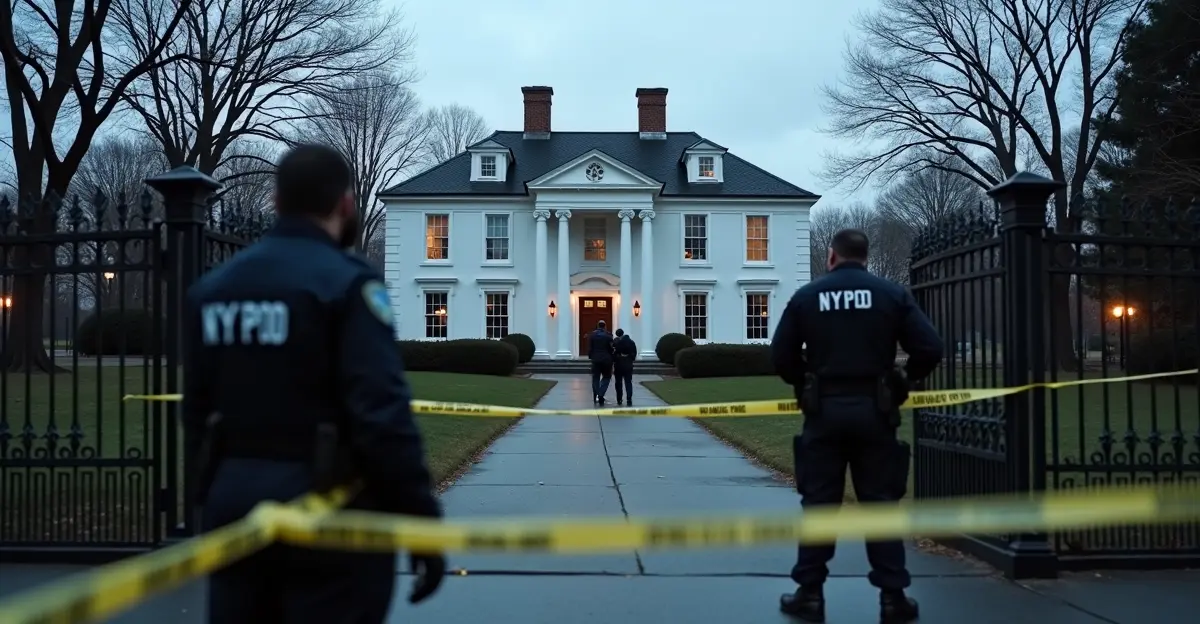
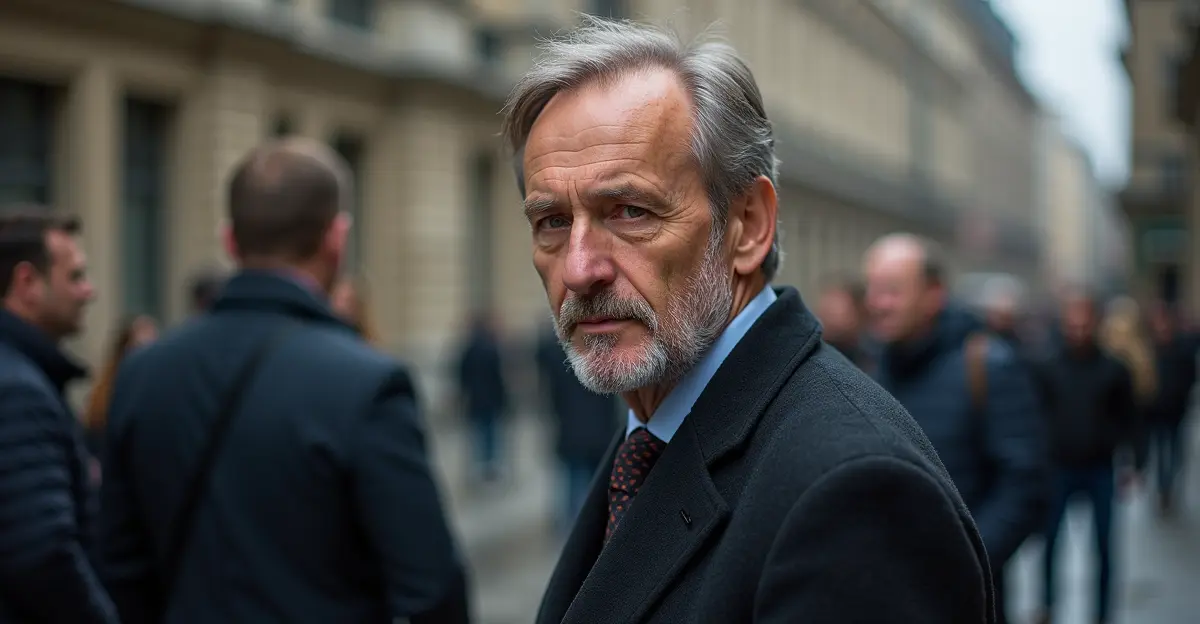
Klaus Schwab, the 88-year-old founder of the World Economic Forum (WEF), has filed a criminal complaint in Geneva after a covert listening device was discovered in his private home office during a routine security sweep. The bug, found at his residence near the WEF headquarters, is believed to have been planted within the last three years, according to a statement from Schwab's spokesperson. Swiss authorities have launched an investigation to identify those responsible for the surveillance operation.
The discovery marks a dramatic development for Schwab, who stepped down as WEF chairman in April 2025 after more than 50 years at the helm. The incident places the WEF founder among a growing list of high-profile European figures targeted by sophisticated espionage operations, including EU lawmakers whose phones were infected with Pegasus spyware during parliamentary investigations.
Background: A Turbulent Exit from WEF
Schwab's departure from the World Economic Forum was preceded by a bitter internal power struggle. In mid-2025, an anonymous whistleblower letter accused Schwab and his wife Hilde of misusing forum resources, including allegedly billing over $1.1 million in questionable expenses for luxury travel, personal gifts, and use of WEF properties. A subsequent external investigation by Swiss law firm Homburger found 'no evidence of material wrongdoing' by Schwab, though minor irregularities were attributed to blurred lines between personal contributions and Forum operations.
The WEF leadership transition saw former Norwegian foreign minister Borge Brende take over as managing director, with André Hoffmann and BlackRock CEO Larry Fink appointed as interim co-chairs. Schwab has since threatened legal action against WEF trustees and demanded reinstatement of personal security provisions, sources close to the matter have told Bloomberg.
Investigation Underway
Geneva police are conducting forensic analysis on the listening device to determine its origin, transmission capabilities, and whether a state intelligence service, private entity, or internal actor was responsible. The complaint has been filed against unknown persons, and investigators are working to trace how the device was installed and who may have had access to Schwab's residence.
The timing of the bug's placement — within the last three years — coincides with Schwab's final period as chairman, a time marked by internal conflicts, the whistleblower investigation, and growing geopolitical tensions surrounding the WEF's role in global governance. Security experts note that the device could have compromised sensitive conversations between Schwab and world leaders, corporate executives, and policy makers who regularly visited his home.
Surveillance in Context
The Schwab bugging incident is the latest in a series of espionage scandals to hit European institutions. In July 2026, Citizen Lab revealed that former Greek MEP Stelios Kouloglou — who served on the European Parliament's PEGA Committee investigating spyware abuse — had his iPhone infected with NSO Group's Pegasus spyware while actively probing the same technology. Civil liberties groups have accused the EU of failing to implement key spyware protections, warning of an 'open spyware season on Europe's lawmakers.'
The European spyware scandals have prompted renewed calls for stronger surveillance regulations and independent oversight of intelligence activities across the continent.
Potential Suspects and Motives
With no named suspects in Schwab's criminal complaint, speculation has centered on several possible actors. State intelligence services from countries with hostile interests toward the WEF's agenda are a leading possibility, given the forum's influence over global economic policy. Internal actors with grievances from Schwab's final years at WEF cannot be ruled out, nor can private entities seeking commercial or political intelligence.
Schwab's spokesperson declined to comment on specific theories, stating only that the investigation is ongoing and that the family is cooperating fully with authorities. The WEF has distanced itself from the incident, noting that Schwab no longer holds any official position within the organization.
Implications for Global Elite Security
The discovery of a listening device in the home of one of the world's most networked individuals raises serious questions about the security of high-profile figures who convene global leaders. The Davos summit security concerns have been a recurring topic, but this incident suggests vulnerabilities extend beyond the annual meeting to the private residences of key figures.
'For a man who spent five decades convening the world's most powerful people, the list of potential listeners is not short,' commented a Swiss security analyst familiar with the investigation. The case underscores the growing sophistication of surveillance threats facing global elites in an era of heightened geopolitical rivalry.
Frequently Asked Questions
What kind of listening device was found in Klaus Schwab's home?
A covert electronic bug capable of audio surveillance was discovered during a routine security sweep of Schwab's private home office in Geneva. Forensic analysis is ongoing to determine its technical specifications and transmission range.
When was the bug planted?
Initial assessments indicate the device was installed within the last three years, though the exact date remains unknown. Investigators are examining the device's power source and data storage to narrow down the timeline.
Who is suspected of planting the device?
No suspects have been named. Schwab filed a criminal complaint against unknown persons. Investigators are exploring multiple possibilities including state intelligence services, private entities, and internal actors with access to the residence.
What was Klaus Schwab's role at the World Economic Forum?
Schwab founded the WEF in 1971 and served as its chairman for over 50 years until his resignation in April 2025. He is credited with creating the annual Davos summit that brings together global leaders from politics, business, and civil society.
Has this happened to other European leaders?
Yes. The incident is part of a broader pattern of surveillance targeting European public figures. Notably, EU lawmakers investigating Pegasus spyware were themselves hacked, and multiple European politicians have been victims of state-sponsored espionage operations in recent years.
Sources
Bloomberg News, The Next Web, International Business Times, Fortune Magazine, Politico Europe, WIRED, Amnesty International Security Lab, Citizen Lab, World Economic Forum press releases.




Follow Discussion