


 Deutsch
 English
 Español
 Français
 Nederlands
 Português


 Share
Share




Six Dead in Cold-Blooded Attack at German Youth Welfare Facility
A 45-year-old man opened fire at a mother-child welfare center in Stade, Lower Saxony, on June 29, 2026, killing six people in what police describe as an 'extended familial tragedy.' The suspect, a German citizen of Turkish descent from the Hanover region, had arrived for a scheduled appointment to discuss custody of his three-month-old daughter. The shooting has sent shockwaves through Germany, a country where mass shootings remain rare due to strict gun laws.
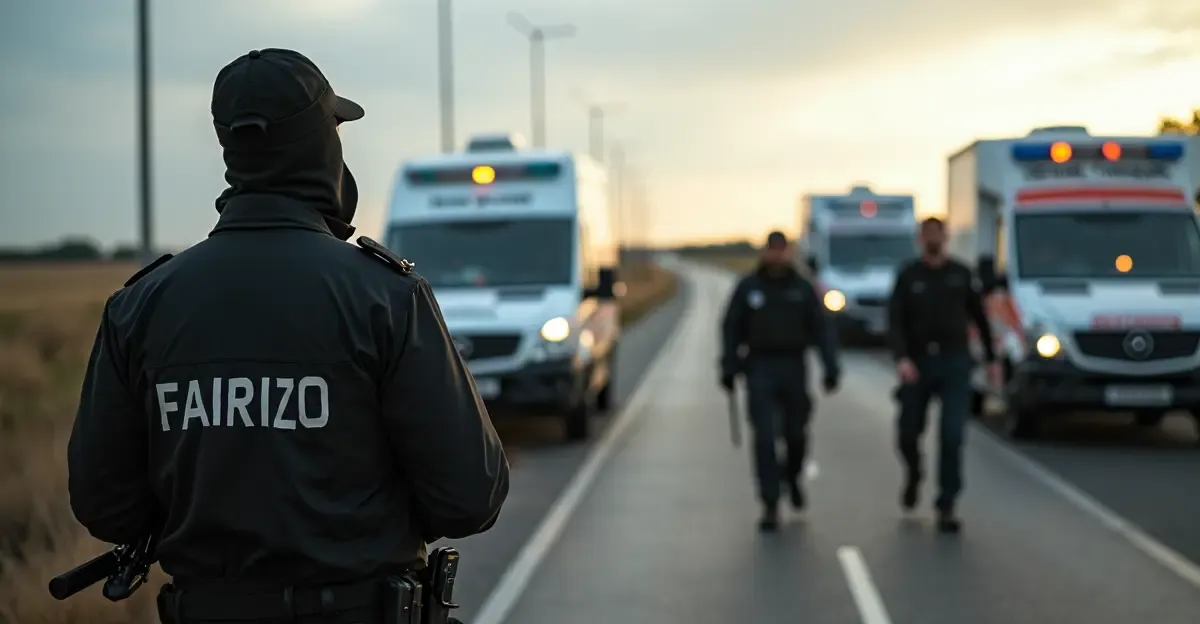
According to police, the victims were four women and two men—all employees of the youth welfare facility or the local Jugendamt (youth office). The suspect's wife and infant daughter, who had been placed at the facility following a court ruling, were present in the building but unharmed. The attacker fled the scene in a car driven by a 65-year-old female accomplice, but police apprehended the pair on the B73 highway outside Stade after shooting out a tire. A 34-year-old woman, identified as the suspect's wife, was also detained for questioning.
Background: A Custody Hearing Turns Deadly
The facility, a specialized mother-child home in central Stade, was meant to provide a safe environment for the three-month-old girl and her mother. The child had been removed from the father's care, and Monday's meeting was intended to discuss the child's future. Instead, the suspect entered the building and opened fire shortly after midday. 'This was a family-related act of extreme violence, not a terrorist attack or a crime motivated by organized crime,' said Kathrin Schuol, president of the Lüneburg police, during a press conference. Authorities have ruled out political extremism and femicide.
The suspect had a prior criminal record for threats but did not possess a firearms license. Investigators are still working to determine how he obtained the weapon. The case has drawn comparisons to other mass shootings in Germany, though each incident has distinct motives and circumstances.
Miri Clan Links Under Scrutiny
German public broadcasters NDR and WDR reported, citing sources, that the suspect may have ties to the Miri clan, a Kurdish-Mhallami organized crime syndicate active in Lower Saxony, Bremen, and Berlin. The Miri clan is known for drug and arms trafficking, money laundering, and violent crime. However, police stated at the press conference that they currently have no information confirming a connection to organized crime. 'We are aware of the media reports, but at this stage, we have no evidence linking the suspect to any criminal organization,' Schuol added.
The Miri clan, sometimes called the 'M-Clan,' has been the focus of German law enforcement for decades. With an estimated 3,000 to 10,000 members nationwide, the clan has been implicated in high-profile crimes including the 2021 bombing of a rival clan leader's car in Berlin. The Miri clan criminal activities have prompted special police units and even legislative changes, such as the 'Lex Miri' law to tighten re-entry bans for deported clan members. If the Stade shooter's alleged clan ties are confirmed, it could mark a significant escalation in clan-related violence in Germany.
Victims and Community Response
The six victims—four women and two men—were all adults working at the facility or for the youth office. Their names have not yet been officially released pending family notifications. German President Frank-Walter Steinmeier issued a statement offering condolences to the families and praising the rapid response of emergency services. Lower Saxony's Interior Minister described the attack as 'extremely cold-blooded' and expressed shock at the violence. Flags flew at half-mast across the state.
The town of Stade, a historic Hanseatic city of about 50,000 people near Hamburg, has been left in mourning. A memorial of flowers and candles appeared near the cordoned-off facility. Local authorities have set up a support hotline for witnesses and those affected. The facility itself remains closed as investigations continue.
Legal and Gun Policy Implications
Germany has some of the strictest gun laws in Europe, requiring applicants to demonstrate a specific need (such as hunting or sports shooting), pass background checks, and undergo mental health evaluations. Despite this, illegal firearms remain accessible through criminal networks. The Stade shooting has reignited debate about German gun control laws and the effectiveness of background checks, particularly for individuals with prior criminal records. The suspect's history of threats did not prevent him from obtaining a weapon illegally, raising questions about enforcement and prevention.
FAQ: What We Know About the Stade Shooting
What happened in Stade on June 29, 2026?
A 45-year-old man shot six people dead at a mother-child welfare center in Stade, Lower Saxony. The victims were all adult employees of the facility or the local youth office. The suspect was arrested after a brief car chase.
What was the motive?
Police believe the shooting was motivated by a child custody dispute. The suspect had an appointment at the facility to discuss the future of his three-month-old daughter, who was living there with her mother.
Was the suspect linked to organized crime?
German media reported possible ties to the Miri clan, but police have stated they have no current evidence of an organized crime connection. Investigations are ongoing.
How many people were arrested?
Two people were arrested: the suspected shooter and a 65-year-old woman who drove the getaway car. A third person, the suspect's 34-year-old wife, was detained for questioning.
What is Germany's gun policy?
Germany has strict gun laws requiring licenses, background checks, and proof of need. The suspect did not have a firearms license, and police are investigating how he obtained the weapon.

Follow Discussion