


 Deutsch
 English
 Español
 Français
 Nederlands
 Português


 Share
Share




China Takes World-First Action on Hidden Door Handles
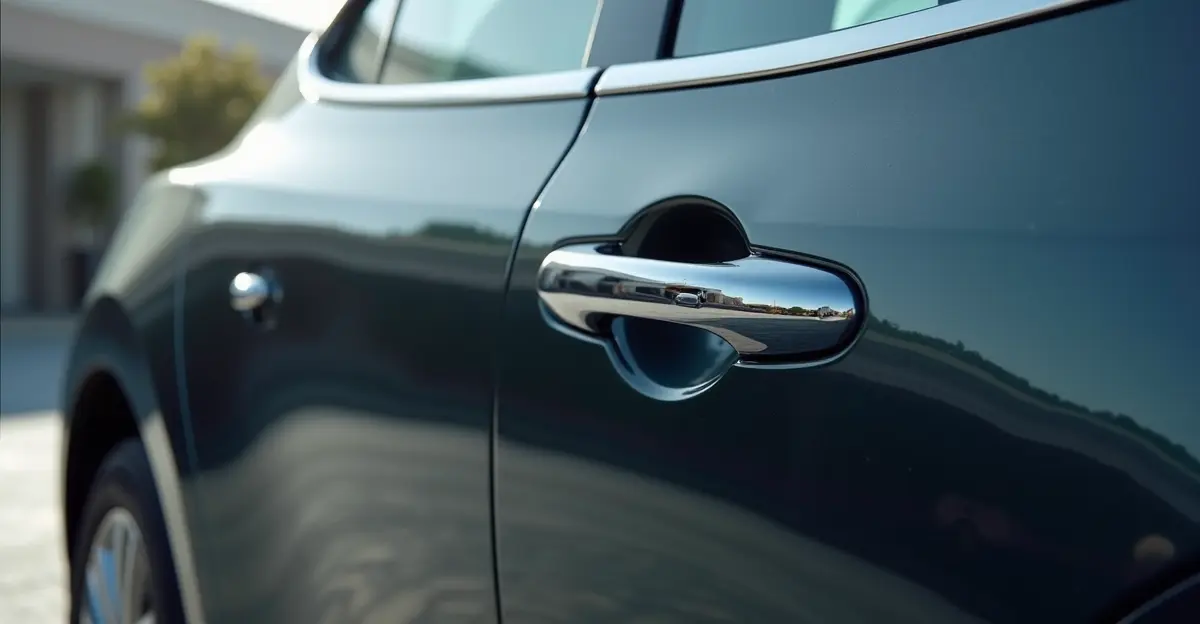
China has announced a groundbreaking ban on 'hidden' or flush-mounted car door handles, becoming the first country to implement such safety regulations following multiple fatal accidents. The new rules, which take effect January 1, 2027, require all vehicles sold in China to have mechanical door releases that are clearly visible and accessible from both inside and outside the vehicle.
Tragic Incidents Prompt Regulatory Action
The decision comes after several high-profile accidents where victims were trapped in vehicles with hidden door handles. In October 2025, a driver in Chengdu died after his Xiaomi SU7 electric vehicle caught fire following a crash. Rescue attempts failed when responders couldn't locate or operate the vehicle's hidden door handles. 'We tried everything, but the doors wouldn't open,' said one witness who spoke to local media. 'The handles were completely flush with the door surface, and in the smoke and chaos, we couldn't figure out how to operate them.'
Another incident in March 2025 claimed three lives when a crashed vehicle's doors automatically locked and caught fire, trapping all occupants. These tragedies have highlighted what safety experts call a 'design flaw' in modern automotive aesthetics.
What the New Regulations Require
According to China's Ministry of Industry and Information Technology, the new standards mandate that:
- All exterior door handles must be mechanically operable from any angle
- Interior door releases must be clearly visible from occupants' normal positions
- Handles must have minimum specified dimensions for easy gripping
- Emergency release mechanisms must function even during power failures
'Safety should never be sacrificed for design aesthetics,' stated a ministry spokesperson. 'These regulations ensure that in emergency situations, both occupants and first responders can quickly and reliably open vehicle doors.'
Global Impact on Automotive Industry
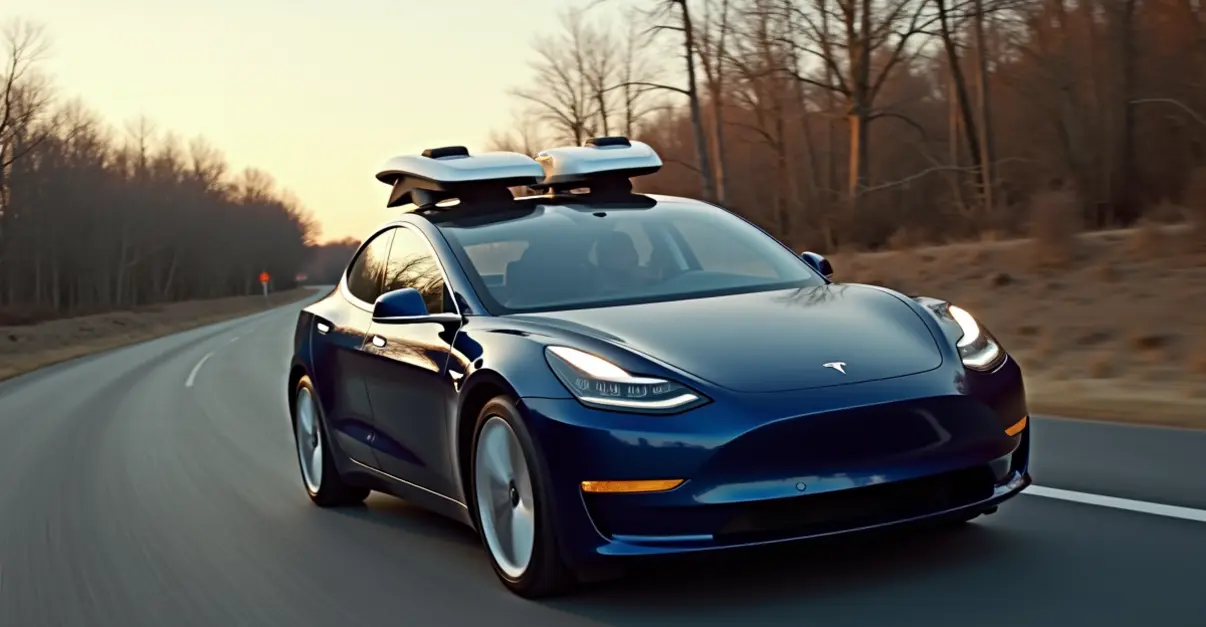
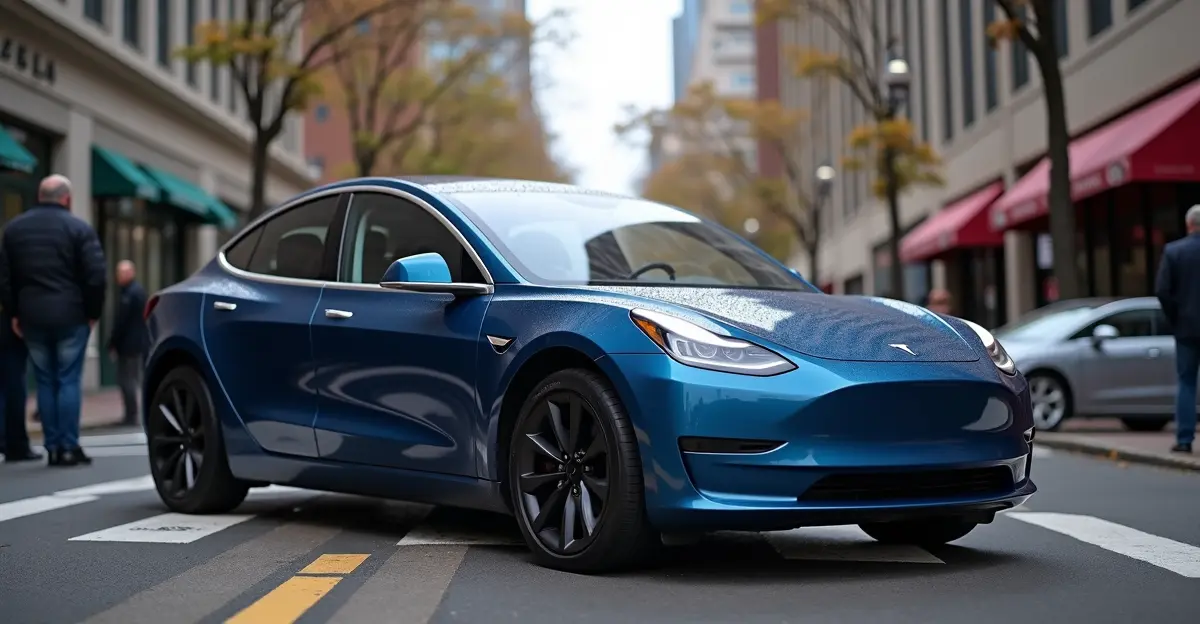
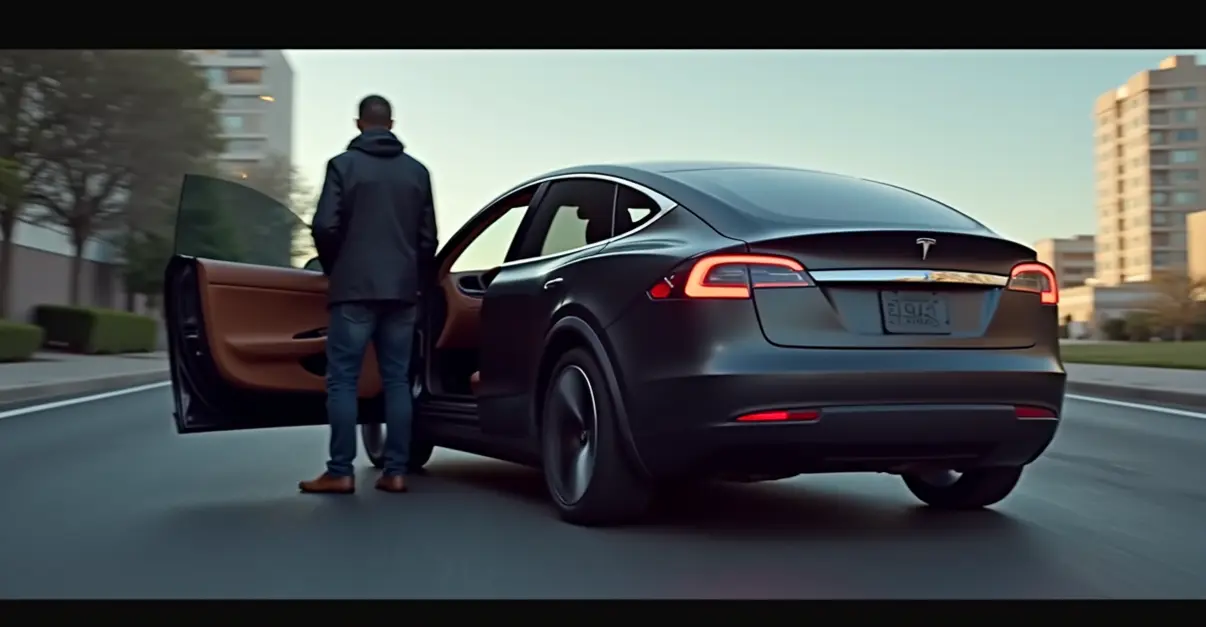
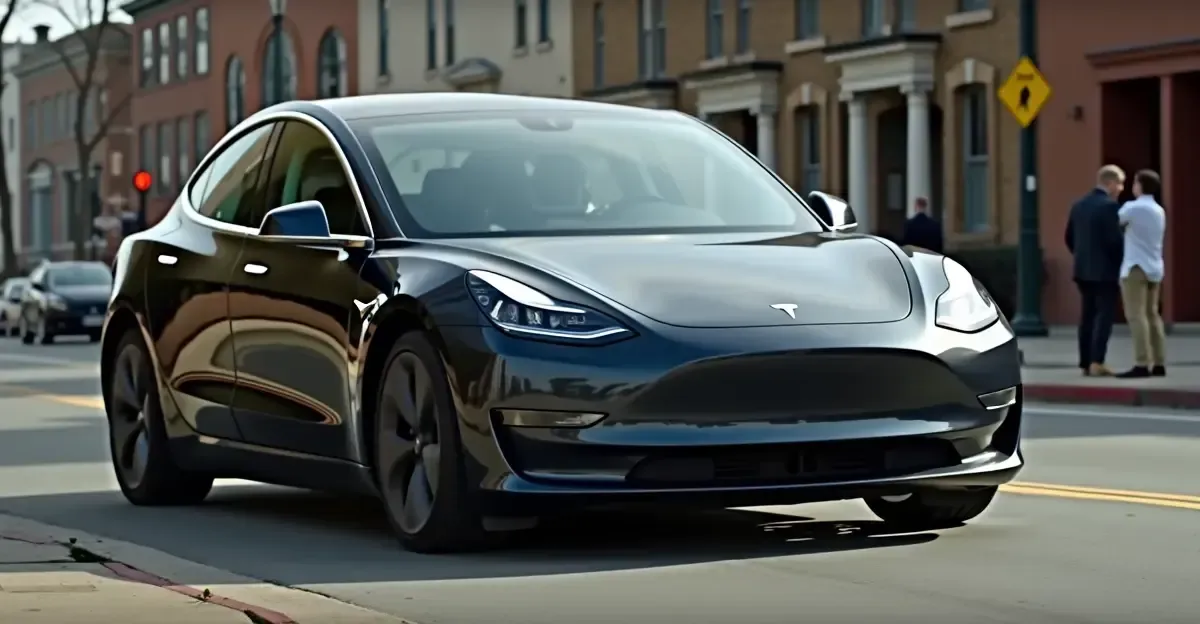
While the regulations only apply to vehicles sold in China, their impact will be felt worldwide. China is the world's largest automotive market, particularly for electric vehicles. Popular brands affected include Tesla, whose Model 3 and Model Y feature flush door handles, as well as Chinese manufacturers like BYD, Xiaomi, and Aion that have adopted similar designs.
The timing is significant as Chinese automakers are expanding globally. According to recent market data, Chinese brands now hold a record 12.8% share of the European EV market, with BYD achieving a remarkable 222% sales surge in Europe during November 2025.
Parallel Investigations in the United States
China's move comes as U.S. regulators are also investigating door handle safety. The National Highway Traffic Safety Administration (NHTSA) has opened probes into Tesla vehicles after multiple reports of children being trapped inside when electronic door handles failed. According to NHTSA documents, there have been cases where parents had to break windows to rescue children from Tesla vehicles with malfunctioning door handles.
'We've received concerning reports about door handle failures that could prevent timely exit from vehicles during emergencies,' an NHTSA official stated. Tesla has acknowledged the issues and says it's working on improved designs for future models.
European Response and Future Implications
While Europe currently has no specific regulations regarding hidden door handles, safety advocates are calling for similar measures. 'The reliability of door mechanisms and escape possibilities should never be subordinate to design choices,' said a European automotive safety expert who requested anonymity.
The Chinese regulations represent a significant shift in automotive safety philosophy, prioritizing practical accessibility over sleek design. As electric vehicles continue to dominate global markets, this move could set a precedent for other countries to follow, potentially reshaping automotive design standards worldwide.
Follow Discussion