Nederlands
 English
 Deutsch
 Français
 Español
 Português
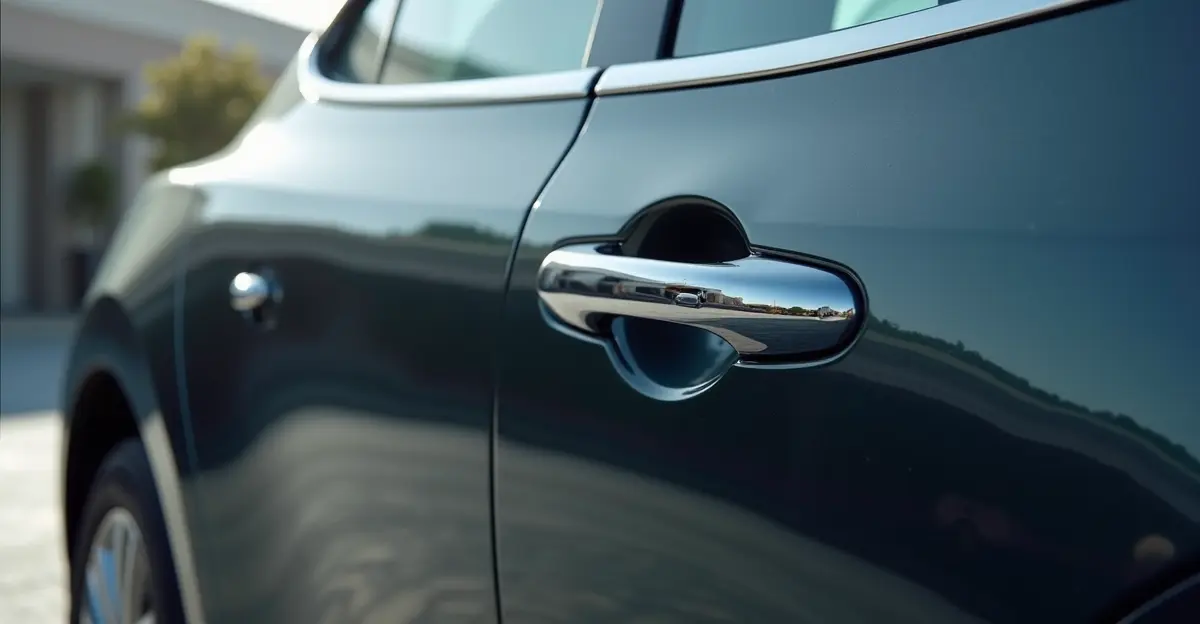





China Leads Global Safety Crackdown on Hidden EV Door Handles
China has become the first country in the world to implement a comprehensive ban on concealed door handles in electric vehicles, marking a significant shift in automotive safety regulations. The new rules, which take effect January 1, 2027, require all EVs sold in China to have mechanical door handles both inside and outside vehicles, with specific dimensional requirements for exterior handles.
The Safety Crisis Behind the Ban
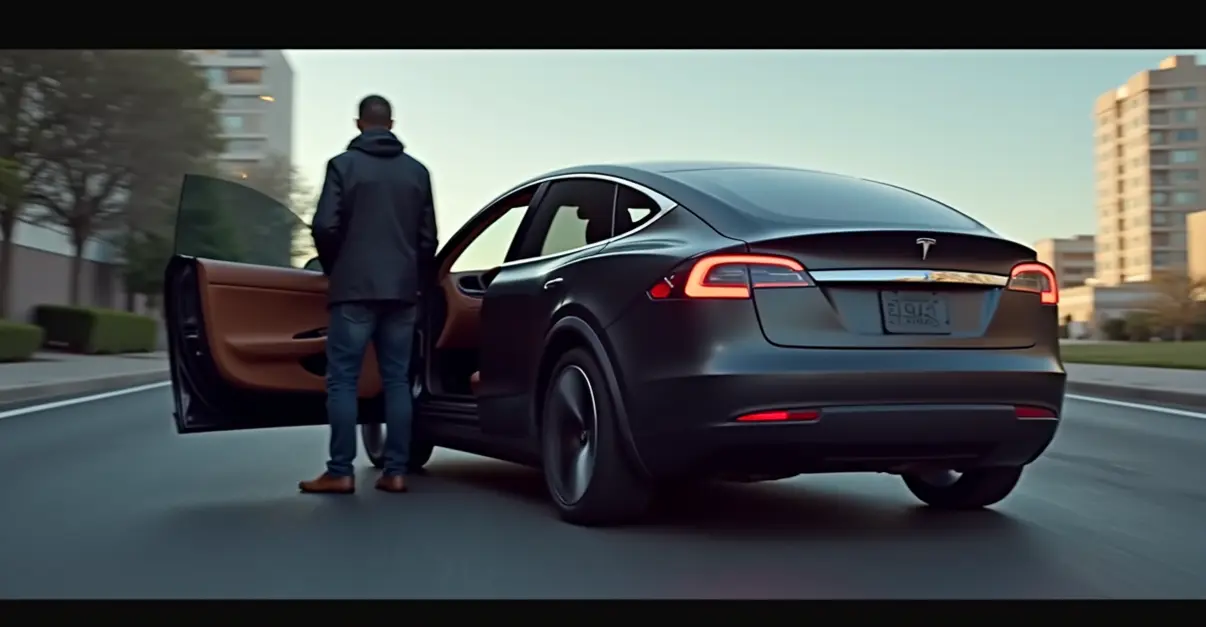
The regulation comes in response to multiple high-profile incidents where occupants were trapped in electric vehicles during emergencies. 'The safety risks are clear: during electronic failures, doors with hidden handles become nearly impossible to open from the outside and extremely difficult from the inside,' explains automotive safety expert Dr. Michael Chen. The most alarming cases involved fatal accidents in China where drivers couldn't escape vehicles after collisions, and incidents in the US where parents had to break windows to rescue children from car seats.
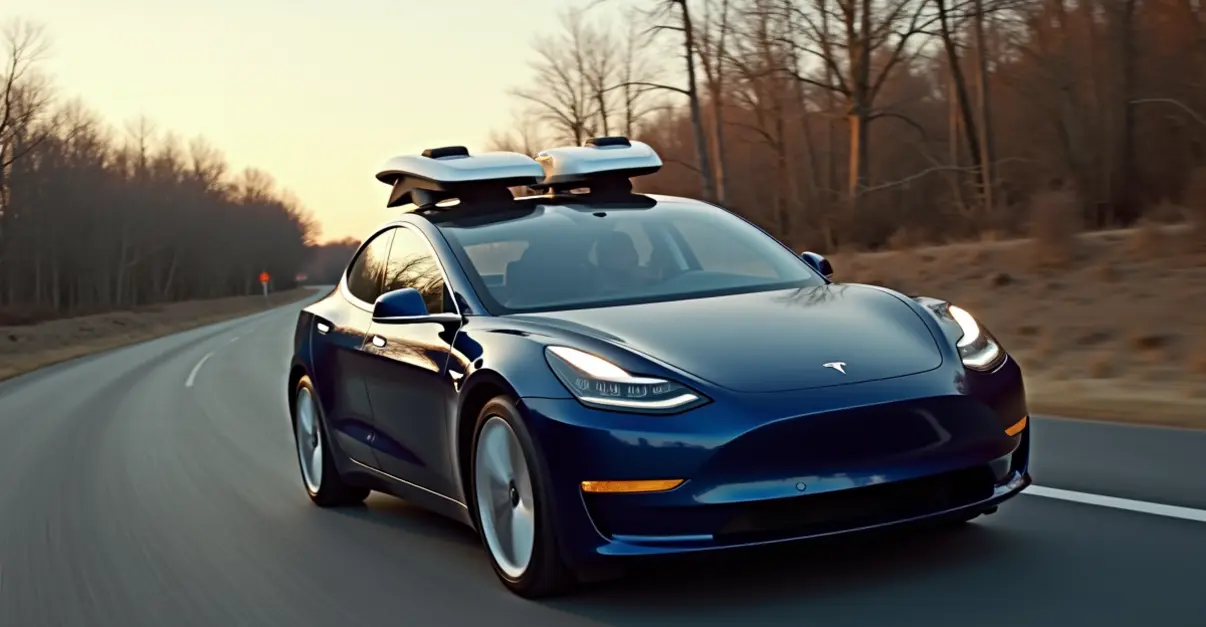
According to Bloomberg investigations, over 140 consumer complaints about Tesla door handles have been linked to 15 traffic deaths in the United States alone. The sleek, flush handles popularized by Tesla and adopted by numerous EV manufacturers have come under intense scrutiny following these tragedies.
Technical Requirements and Industry Impact
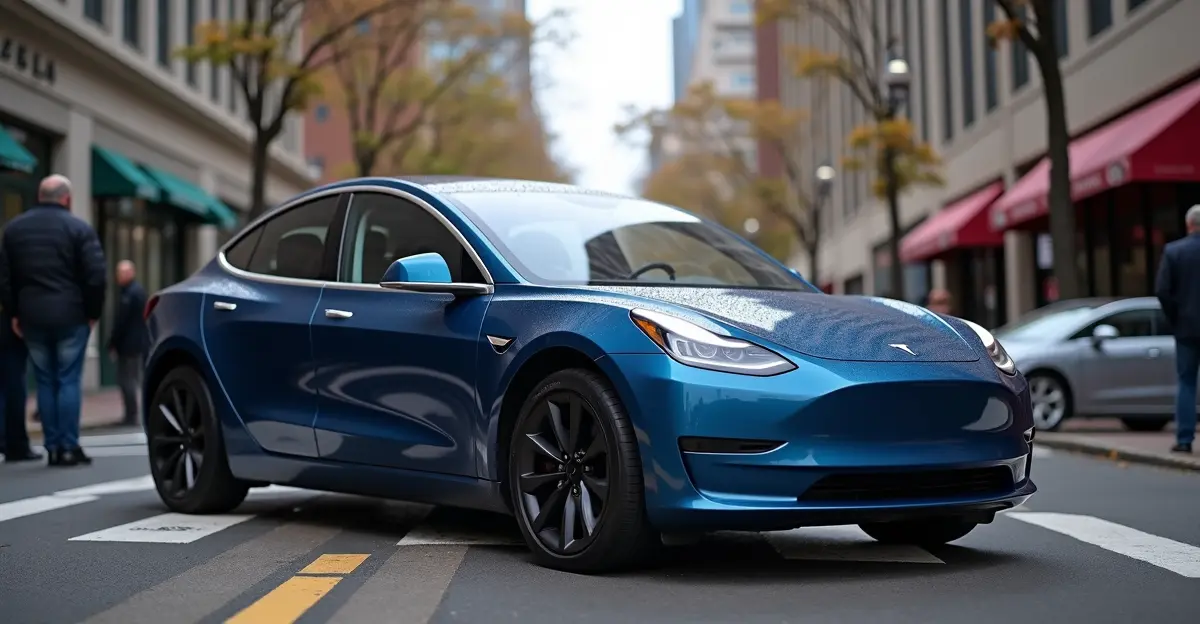
The Chinese Ministry of Industry and Information Technology has established precise specifications: exterior handles must have a recessed handhold of at least 60mm by 20mm, and interior emergency releases must be clearly labeled. Approximately 60% of China's top-selling new-energy vehicles currently use these concealed handles, affecting major brands including Tesla, BMW, Nio, Li Auto, Xpeng, and Xiaomi.
'This isn't just about safety - it's about China positioning itself as a global standard-setter,' says Bill Russo of consultancy firm Automobility in an interview with Bloomberg. 'By establishing these regulations first, Beijing can leverage its massive domestic market to set safety standards that will benefit Chinese EV exports globally.'
Global Regulatory Response
China's move comes as other regions consider similar measures. The European Commission has been examining the issue, while in the United States, Congresswoman Robin Kelly has introduced the SAFE Exit Act, which specifically targets Tesla's electronic door handles and cites 15 related deaths. The bill would require the National Highway Traffic Safety Administration to establish rules mandating 'easy-to-find manual releases for each door' in electric vehicles.
Tesla has previously attempted to address concerns by improving emergency release mechanisms, but these incremental changes appear insufficient for Chinese regulators. The company now faces significant redesign costs, with compliance estimated at up to $14.4 million per model according to industry analysts.
Future Implications for Automotive Design
The ban represents a fundamental shift in automotive design philosophy, prioritizing safety over aesthetics. As the world's largest EV market, China's regulations are expected to influence global automotive standards, potentially leading manufacturers to adopt unified, regulation-friendly handles across all markets rather than maintaining separate designs for different regions.
The grace period until 2029 for already-approved models gives automakers time to adapt, but the writing is clearly on the wall: the era of hidden door handles in electric vehicles is coming to an end, with China leading the charge toward safer automotive design standards worldwide.