Nederlands
 English
 Deutsch
 Français
 Español
 Português





Autonomous Vehicle Pilot Zones Expand Across Urban Landscapes
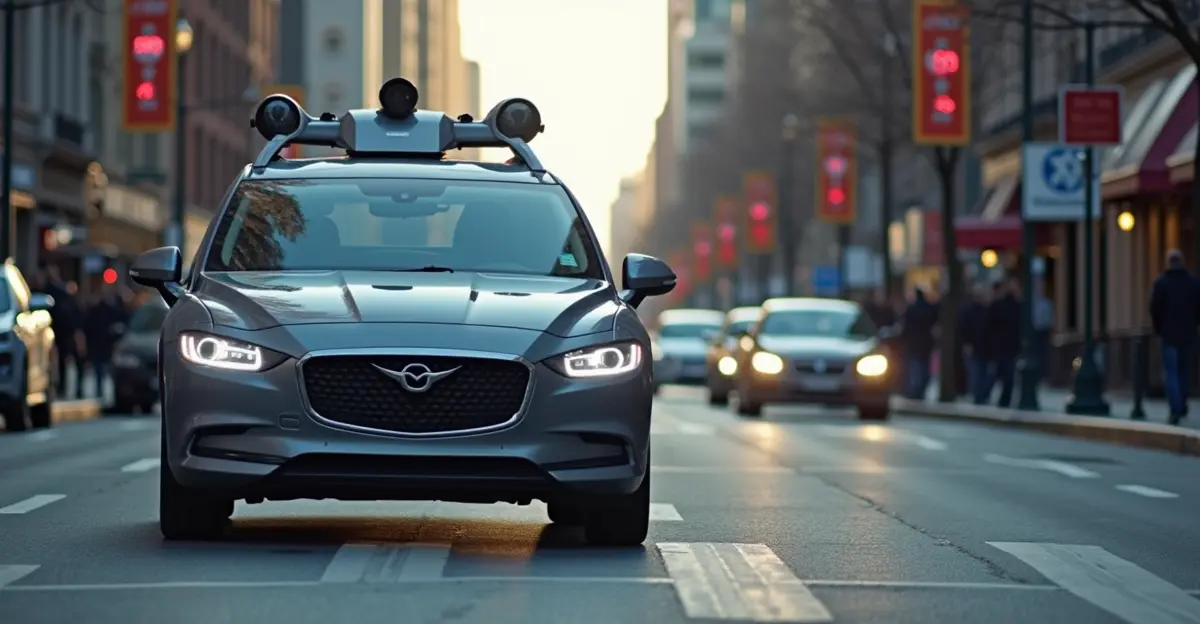
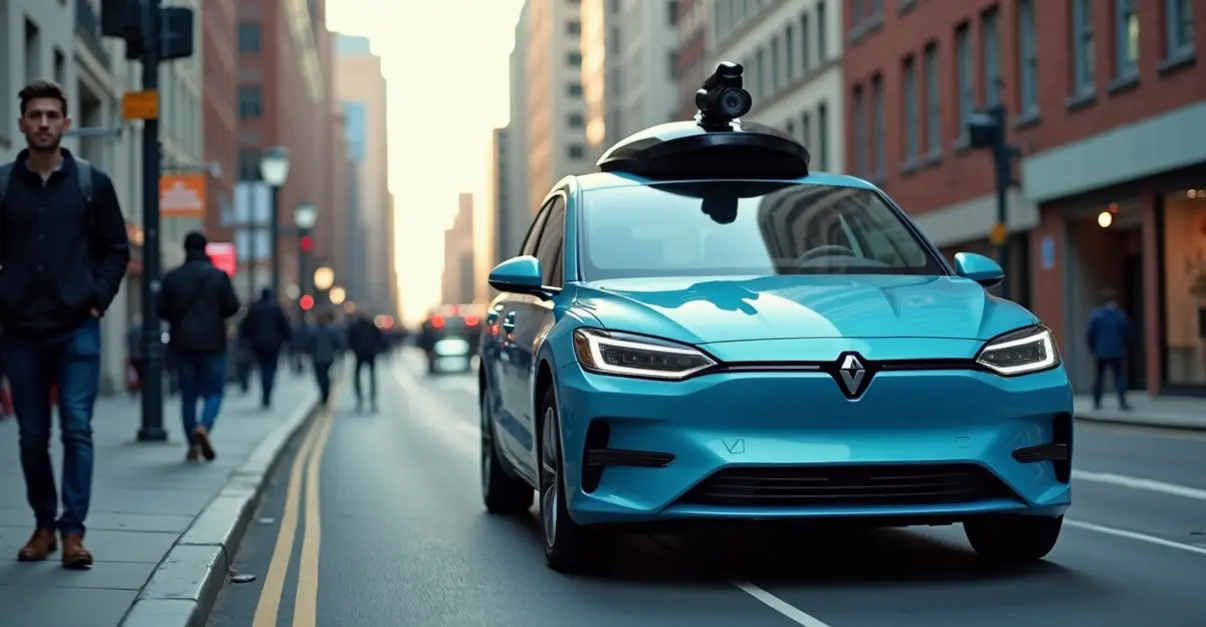
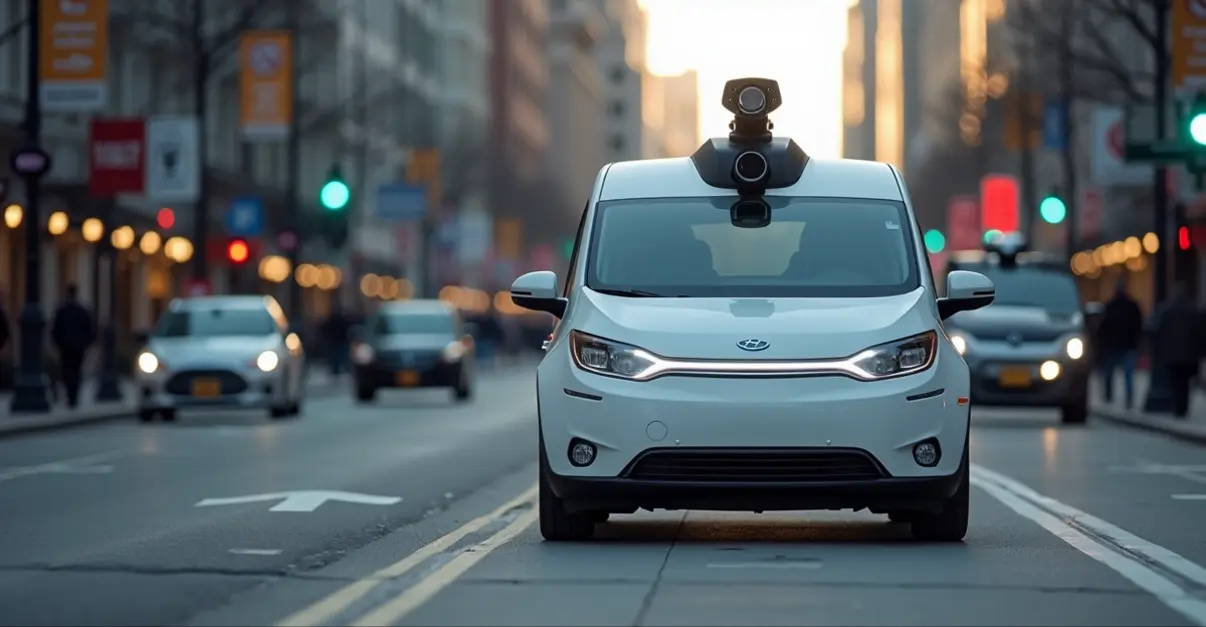
Regulatory authorities and city planners are rapidly expanding autonomous vehicle pilot zones in urban areas across the United States and internationally, creating specialized testing environments that aim to accelerate the safe deployment of self-driving technology while establishing comprehensive safety frameworks. These controlled testing zones allow manufacturers to validate autonomous systems under real-world conditions while adhering to strict safety protocols that could shape the future of urban transportation.
Regulatory Frameworks Take Shape
The expansion comes as federal and state regulators develop more sophisticated regulatory frameworks. The National Highway Traffic Safety Administration (NHTSA) has been actively advancing its regulatory approach, with a July 2025 report to Congress detailing research and rulemaking activities on automated driving systems. This comprehensive document outlines NHTSA's ongoing efforts to establish safety standards and regulatory approaches for emerging automated driving technologies.
Several federal legislative initiatives have been introduced to address the current patchwork of state regulations, including the AV Accessibility Act, AV Safety Data Act, Autonomous Vehicle Acceleration Act, and AMERICA DRIVES Act. These bills focus on accessibility for disabled individuals, enhanced safety data reporting to NHTSA, updating Federal Motor Vehicle Safety Standards for Level 4-5 vehicles, and federal preemption for commercial trucking.
'The year 2025 marked significant growth in autonomous vehicle deployments across Phoenix, San Francisco, Austin, and new driverless long-haul routes in Texas,' notes transportation policy analysis from the Eno Center for Transportation. 'Looking ahead to 2026, stakeholders anticipate potential inclusion of AV policy in surface transportation reauthorization, while states like Texas and California continue updating their own regulations.'
Safety Metrics and Early Results
The pilot zones establish comprehensive safety metrics including collision avoidance performance, system reliability in various weather conditions, and pedestrian interaction protocols. According to recent reports, a key component is the clear liability framework that clarifies responsibility between manufacturers, operators, and vehicle owners.
Early results from existing pilot programs show promising safety improvements. Deloitte Insights reports that autonomous vehicles demonstrate an '85% lower likelihood of injury-causing crashes in Waymo operations' compared to human-driven vehicles. The economic implications are substantial, with estimates suggesting '$75 billion in annual savings with 25% AV adoption' and potential for '40% fuel consumption reduction' through optimized driving patterns.
The pilot program operates on a phased 24-month timeline with initial results expected within 12 months, starting in five designated metropolitan areas. This balanced approach aims to provide regulatory oversight without stifling innovation, with potential for widespread autonomous vehicle deployment within five years.
Urban Integration Challenges and Solutions
Cities face significant challenges in integrating autonomous vehicles into existing transportation ecosystems. As noted in a Forbes analysis, cities have several policy tools to shape AV deployment in the public interest: implementing smart curb management to handle pick-up/drop-off zones, requiring data sharing from operators, incentivizing electric and shared fleets, integrating AVs with public transit, and reforming parking policies.
Early-adopter cities like San Francisco, Pittsburgh, Boston, and Los Angeles are developing frameworks focused on equity, sustainability, and accountability. 'Cities must act proactively with clear policy frameworks, infrastructure investment, and data-sharing agreements to ensure AVs contribute to broader transportation, climate, and equity goals rather than exacerbating existing urban challenges,' the analysis emphasizes.
International Perspectives and Future Outlook
Internationally, countries are developing their own approaches to autonomous vehicle testing. South Korean automotive experts are proposing to unify nationwide autonomous vehicle pilot zones into a single 'National AI Vehicle Certification Test Platform' to accelerate commercialization. According to reports, this unified approach would enable Level 4 autonomous vehicle certification, prevent redundant investments, lower barriers for startups, and help Korea strategically participate in international regulatory discussions.
Research continues to advance testing methodologies, with studies exploring traffic accident-based pilot zones for autonomous vehicle safety validation. These specialized testing environments replicate real-world accident scenarios to improve safety validation processes, using actual traffic accident data to provide more realistic and challenging testing conditions than traditional synthetic test environments.
As pilot zones expand and regulatory frameworks mature, the transportation landscape stands at a critical juncture. The data collected from these urban testing environments will inform safety standards, infrastructure requirements, and public policy decisions that could transform how people and goods move through cities for decades to come.