Deutsch
 English
 Español
 Français
 Nederlands
 Português






Urban Autonomous Vehicle Pilot Programs Yield Critical Data
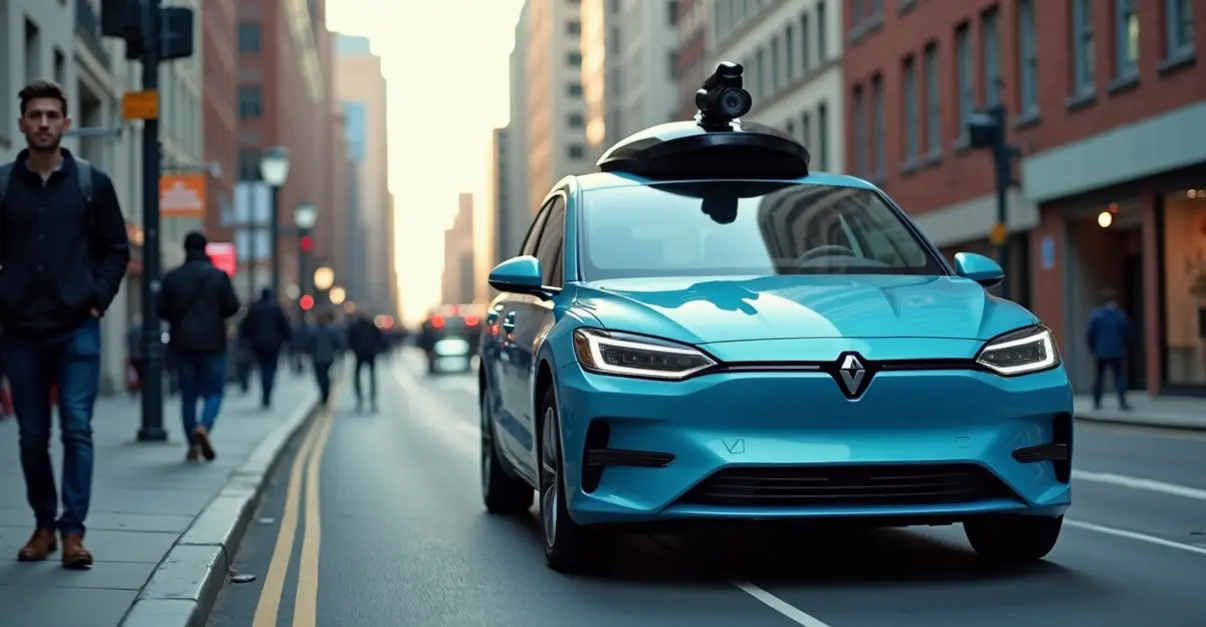
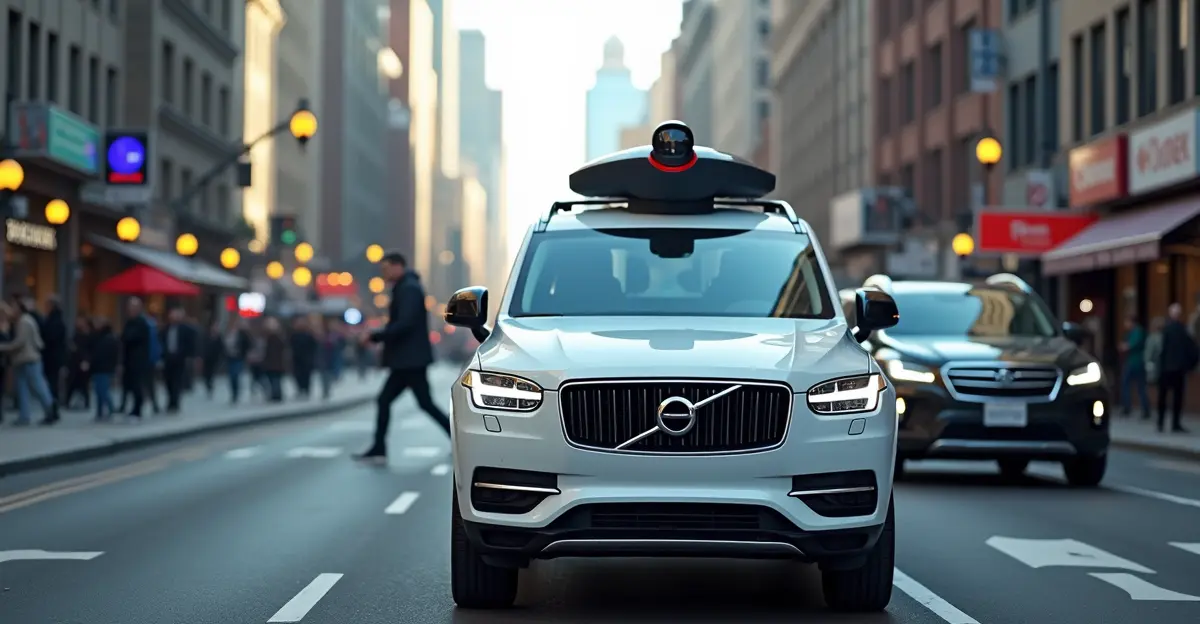
As autonomous vehicles continue their rollout across major U.S. cities in 2025, comprehensive pilot programs are delivering crucial insights into safety metrics, rider acceptance, and regulatory challenges. From Phoenix to San Francisco and Austin, these real-world deployments are providing the data needed to shape the future of urban mobility.
Safety Metrics Show Promise and Challenges
The National Highway Traffic Safety Administration (NHTSA) has been actively monitoring autonomous vehicle safety through its ongoing research and rulemaking activities. According to their July 2025 report to Congress, autonomous vehicles are demonstrating improved safety in controlled environments but face challenges in complex urban settings. 'The data shows that AVs excel in predictable scenarios but still struggle with unexpected human behavior and complex intersections,' explains transportation analyst Maria Rodriguez.
Recent pilot programs, including Guident's deployment in West Palm Beach featuring the MiCa Level 4 fully autonomous electric shuttle, have shown that safety incidents decrease as systems accumulate more real-world experience. The 0.9-mile public transportation route has operated without major incidents since its launch, collecting valuable data on pedestrian interactions and traffic flow.
Rider Acceptance: Generational Divide Emerges
Public acceptance remains a significant hurdle for widespread autonomous vehicle adoption. Research indicates a clear generational divide, with 51% of Gen Z expressing comfort with self-driving cars compared to much higher skepticism among older generations. Safety concerns dominate public perception, with 53% of survey respondents citing safety as their primary barrier to acceptance.
'People are generally more comfortable with partial automation features than full autonomy,' notes technology adoption expert Dr. James Chen. 'The transition needs to be gradual, with clear demonstrations of safety and reliability at each stage.' Pilot programs that include human attendants or remote monitoring have shown higher acceptance rates, suggesting that visible safety measures build public trust.
Regulatory Lessons from Urban Deployments
The regulatory landscape for autonomous vehicles is evolving rapidly in response to pilot program findings. According to 2025 policy analysis, several key legislative developments are shaping the future of AV regulation. The AV Safety Data Act requires increased safety data reporting, while the Autonomous Vehicle Acceleration Act aims to update safety standards for the new technology.
States like Texas and California have updated their regulations based on pilot program outcomes, creating more flexible frameworks that allow for innovation while maintaining safety standards. 'The most successful regulatory approaches balance innovation with public safety,' says policy advisor Sarah Johnson. 'Cities that take proactive leadership roles in managing AV deployment see better outcomes than those that react passively.'
Infrastructure and Urban Planning Considerations
Successful autonomous vehicle integration requires more than just technological advancement. Urban infrastructure must adapt to support these new transportation modes. Pilot programs have revealed the need for improved road markings, dedicated lanes in some cases, and better communication systems between vehicles and infrastructure.
The World Economic Forum's 2025 report on autonomous vehicles emphasizes that cities should develop strategic approaches to AV deployment rather than reacting to technological changes. This includes considering how autonomous vehicles will integrate with existing public transportation systems and addressing potential impacts on traffic congestion and urban design.
Looking Ahead: The Path to Widespread Adoption
As autonomous vehicle technology continues to advance, the lessons from 2025 pilot programs will be crucial for shaping future deployments. Expansion plans for 2026 include Dallas, Miami, and Nashville, building on the experiences from current urban pilots.
The key to successful adoption appears to be a multi-faceted approach: continued technological refinement, transparent communication about safety performance, gradual rollout strategies, and evolving regulatory frameworks that keep pace with innovation. 'We're at a critical juncture where real-world data is finally catching up with technological promise,' concludes transportation researcher William Lee. 'The next two years will determine whether autonomous vehicles become a mainstream transportation option or remain a niche technology.'