


 Deutsch
 English
 Español
 Français
 Nederlands
 Português


 Share
Share




Autonomous Vehicle Urban Trials Expand Across Major Cities
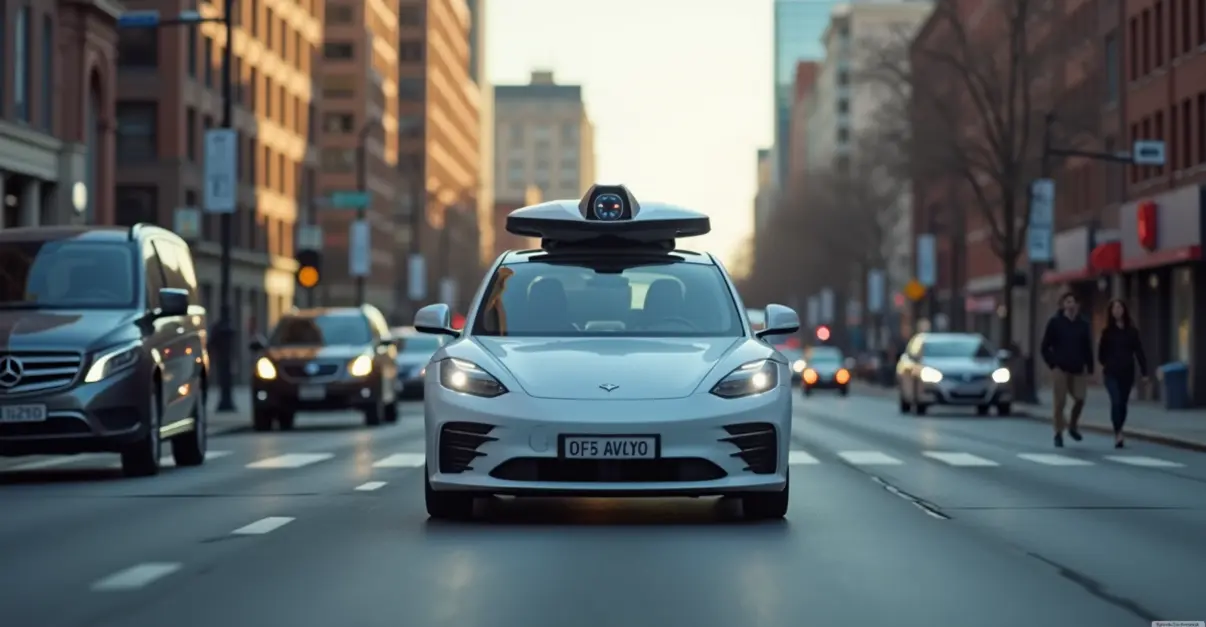
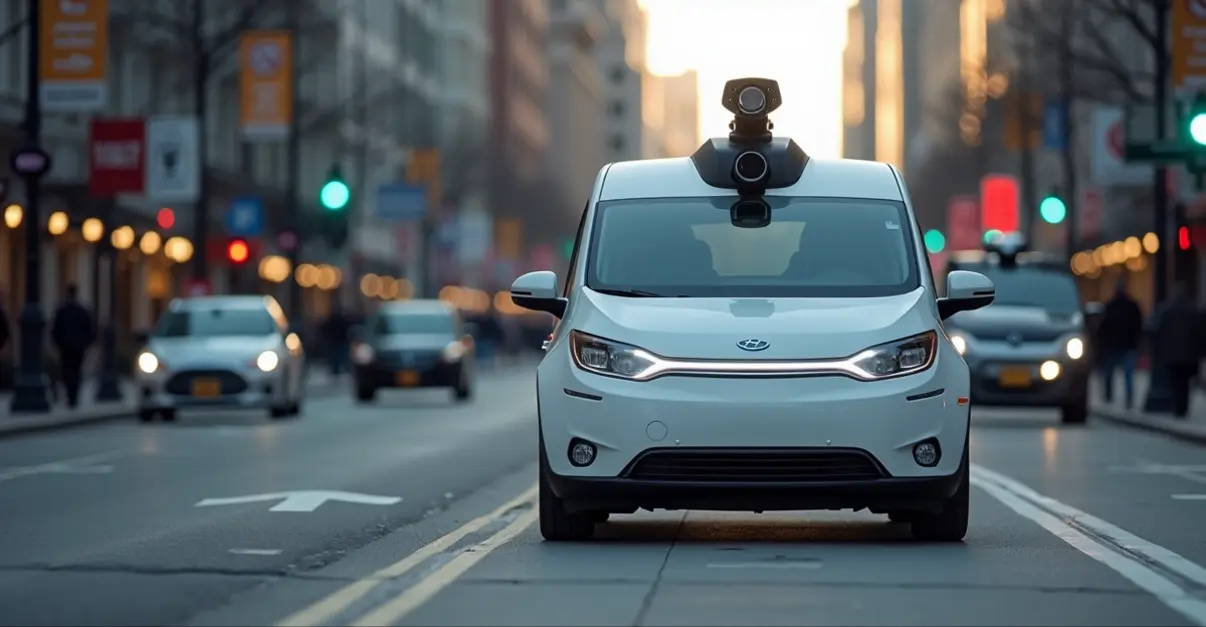
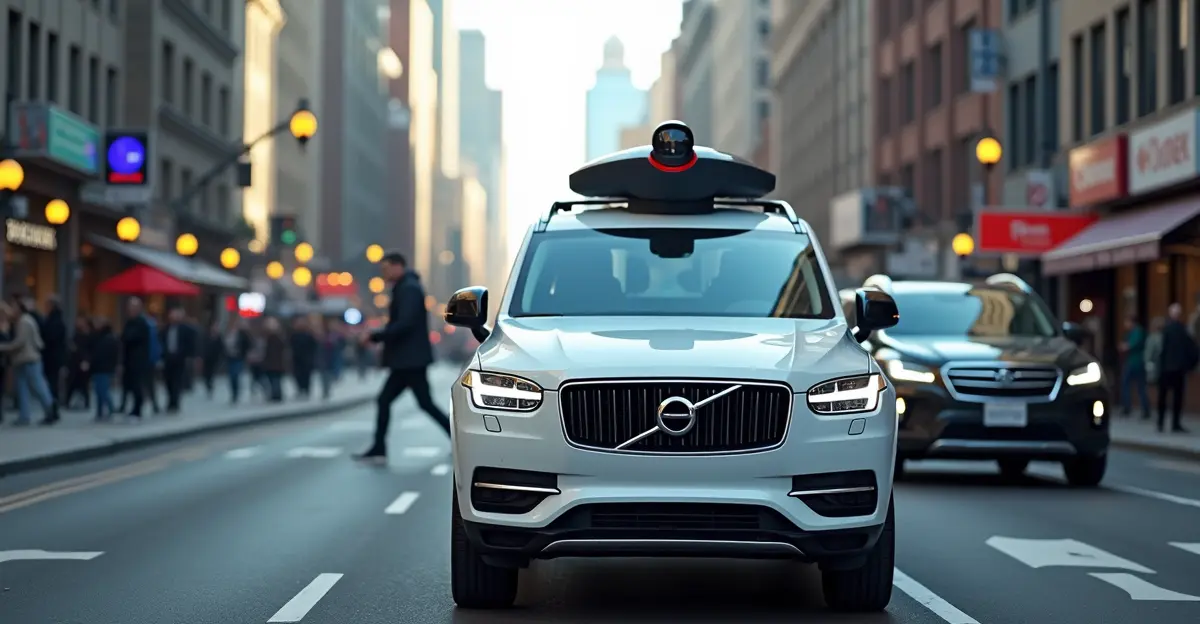
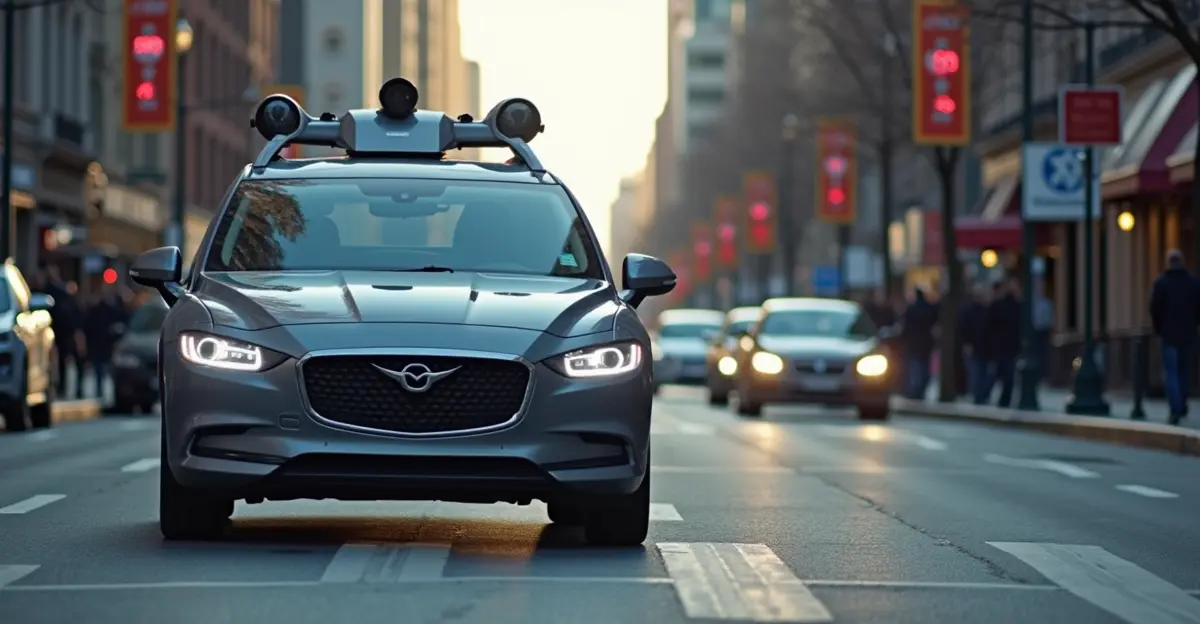
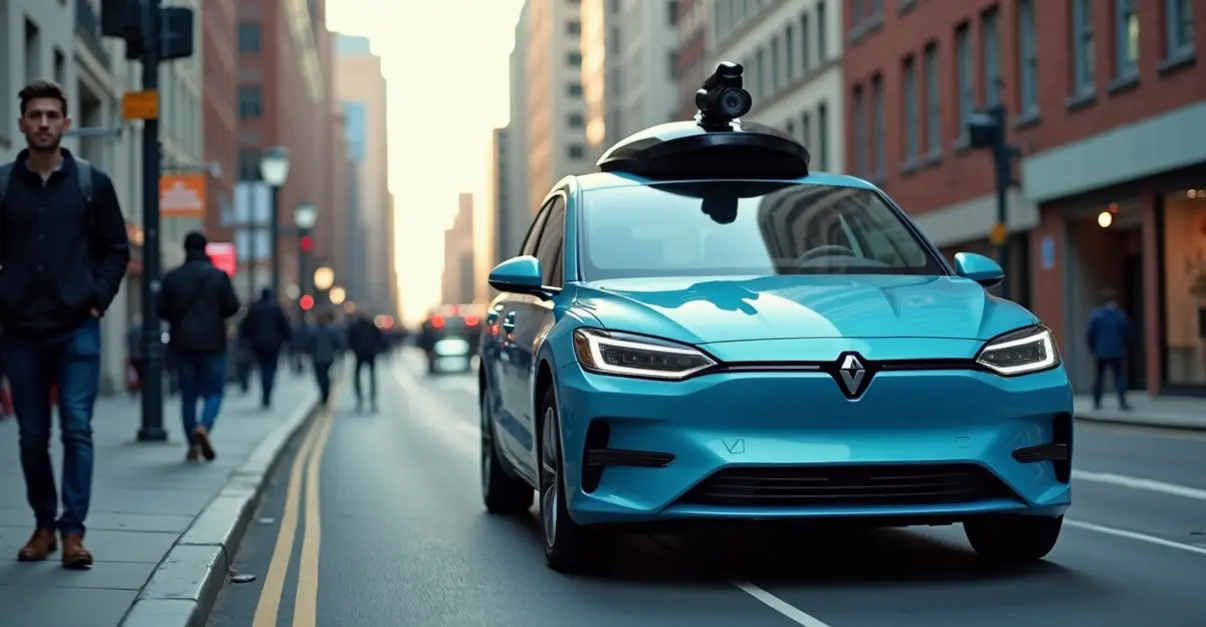
As we move deeper into 2025 and look toward 2026, autonomous vehicle (AV) urban trials are expanding at an unprecedented pace across major cities worldwide. From Phoenix and San Francisco to Austin and beyond, self-driving technology is becoming an increasingly common sight on urban streets. This expansion isn't just about putting more vehicles on the road—it's about gathering crucial safety metrics, informing regulatory frameworks, and understanding public acceptance in real-world environments.
Safety Metrics Take Center Stage
The autonomous vehicle industry is facing increased scrutiny regarding safety performance, with recent analyses revealing surprising findings. A January 2026 report from GM Authority suggests that Waymo's safety performance appears comparable to GM Cruise's AV safety record, challenging perceptions about technological superiority between major industry players. 'This comparison highlights the competitive nature of AV safety performance between major industry players,' the report notes.
Waymo has responded by establishing new industry benchmarks, publicly detailing its rigorous deployment protocols. The company released a paper outlining twelve acceptance criteria that must be met before the Waymo Driver self-driving technology is deployed in new environments. 'This transparency aims to advance industry standards and help government officials and the public understand what 'safe enough' truly means for AV deployment,' emphasized Waymo's Chief Safety Officer Mauricio Peña in a LinkedIn article.
Regulatory Learning and Federal Initiatives
The regulatory landscape is evolving rapidly to keep pace with technological advancements. According to Eno Transportation, 2025 marked significant growth in autonomous vehicle deployments across major U.S. cities, with expansions planned for 2026 in Dallas, Miami, and Nashville. Several federal legislative initiatives were introduced to address the current patchwork of state regulations, including the AV Accessibility Act, AV Safety Data Act, Autonomous Vehicle Acceleration Act, and AMERICA DRIVES Act.
These bills focus on accessibility for disabled individuals, safety data reporting, updating Federal Motor Vehicle Safety Standards for Level 4-5 vehicles, and federal preemption for commercial trucking. The National Highway Traffic Safety Administration (NHTSA) has taken multiple actions including announcing a new AV Framework with safety, innovation, and deployment principles, and initiating rulemakings to update standards for ADS-equipped vehicles.
As noted in the Wikipedia article on regulation of self-driving cars, most regulations aim to achieve compatibility of automated vehicles with safety, legal responsibility, privacy and public expectations. The United Nations Economic Commission for Europe considers a balanced regulatory framework as a prerequisite to the mass introduction of these automated vehicles on the road.
Public Acceptance and Feedback Challenges
Public acceptance remains a critical barrier to widespread AV adoption, with significant regional variations in attitudes. A comprehensive review published in PMC highlights that while AVs offer benefits like improved mobility, reduced emissions, and increased safety, public acceptance remains a critical barrier to widespread adoption. The paper notes that 'non-technological issues often pose greater barriers than technological challenges, with public trust being essential for AV adoption.'
Recent research using innovative methods beyond traditional surveys reveals interesting patterns. A study examining public acceptance of autonomous vehicles in China analyzed real-world conversations from over 110,000 users on Chinese car forums and social media platforms. Using machine learning techniques, the research published in ScienceDirect reveals that while public sentiment toward AVs is increasingly positive, there's a significant gap between high public expectations for performance, price, and enjoyment versus the current reality of AV technology.
Urban Implementation and Future Outlook
The 2025-2026 autonomous taxi pilot programs in major cities worldwide have revealed significant legal, technical, and social challenges despite technological progress. According to analysis from Bandar Siji, legal frameworks remain fragmented across regions, with inconsistent regulations in the US, Europe, and China creating barriers to cross-border expansion. Liability issues persist regarding responsibility in accidents, with many jurisdictions still drafting clarifying legislation.
Technical challenges include sensor interference in extreme weather, unpredictable human driver behavior, and infrastructure dependency. While safety has improved, autonomous vehicles sometimes exhibit excessive hesitation in uncertain scenarios, reducing operational efficiency. Public acceptance varies globally, with Chinese riders showing higher confidence than their US and European counterparts, though privacy and data handling concerns are universal.
Deloitte Insights explores how autonomous vehicles are transforming urban landscapes and the critical role of state and local officials in shaping their deployment. The report emphasizes that policymakers must proactively engage stakeholders to establish regulatory guardrails that maximize AV benefits while addressing public skepticism and safety concerns.
As urban trials continue to expand through 2026, the industry faces a critical juncture. Success will depend not just on technological advancement, but on building public trust, establishing clear regulatory frameworks, and demonstrating consistent safety performance across diverse urban environments.
Follow Discussion