


 Deutsch
 English
 Español
 Français
 Nederlands
 Português


 Share
Share




Autonomous Vehicle Urban Pilot Expansion Accelerates Nationwide
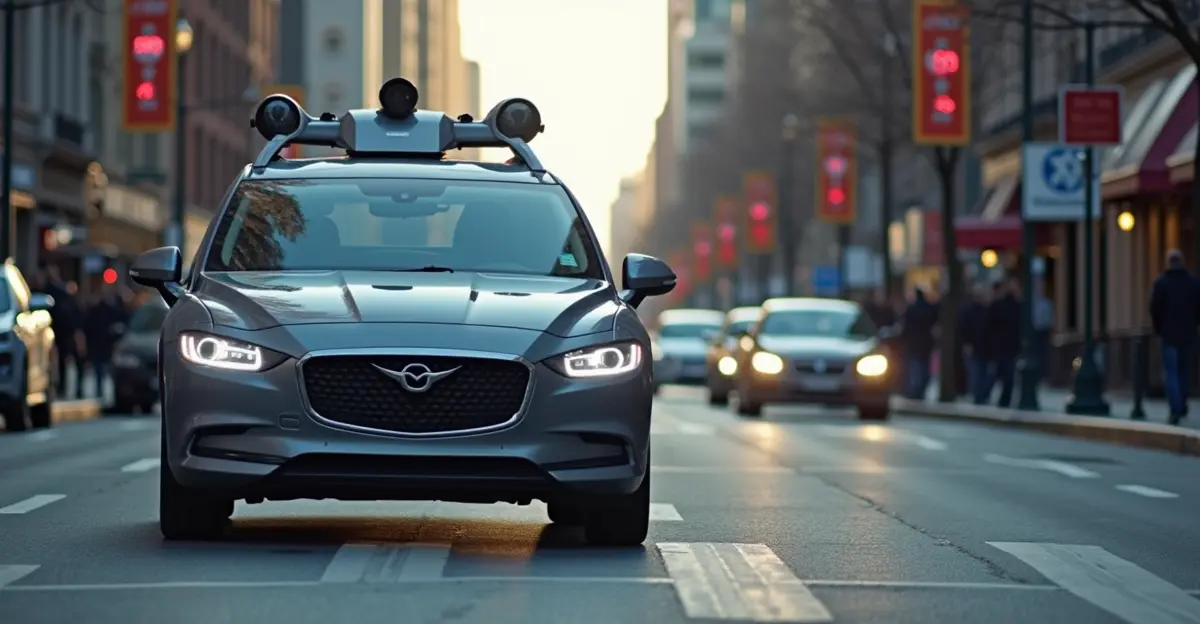
The autonomous vehicle industry is experiencing unprecedented acceleration as regulatory frameworks evolve to enable wider commercial deployment across American cities. According to a 2025 industry analysis, the global race for AV dominance has reached a critical inflection point where years of R&D investment are transitioning into real-world road testing and robotaxi services in urban environments.
Regulatory Shift Toward Safety Outcome-Based Frameworks
Regulatory bodies like the National Highway Traffic Safety Administration (NHTSA) are shifting toward safety outcome-based frameworks rather than prescribing specific technologies, enabling companies to scale their operations. A July 2025 NHTSA report to Congress details the agency's research and rulemaking activities on automated driving systems, outlining ongoing work to develop safety standards and regulatory frameworks.
'Regulatory bodies are shifting to prioritize safety outcomes over prescribing specific technologies, enabling companies to adopt a deployment-first mindset,' explains transportation analyst Michael Chen. 'This represents a fundamental change from previous cautious approaches where real-world miles are now seen as essential for refining AI perception algorithms.'
Public Acceptance Trends Show Cautious Optimism
While technological advances continue, public acceptance remains a complex challenge. A comprehensive 2025 review published in Vehicles journal examines recent trends in public acceptance of autonomous vehicles, highlighting significant regional variations across North America, Europe, Asia, and emerging markets.
The S&P Global Autonomous Driving Consumer Survey reveals that consumer trust in autonomous vehicles is gradually increasing but remains cautious globally. Approximately two-thirds of respondents express interest in using autonomous features for highway driving, though full trust in self-driving technology is still developing.
However, AAA's 2025 survey reveals persistent fear of self-driving vehicles among U.S. drivers, with 60% still afraid to ride in autonomous vehicles. 'While trust has slightly increased from 9% to 13% since last year, most drivers prioritize improvements to advanced safety systems over self-driving development,' notes AAA spokesperson Jessica Rodriguez.
Urban Pilot Programs Expand Across Major Cities
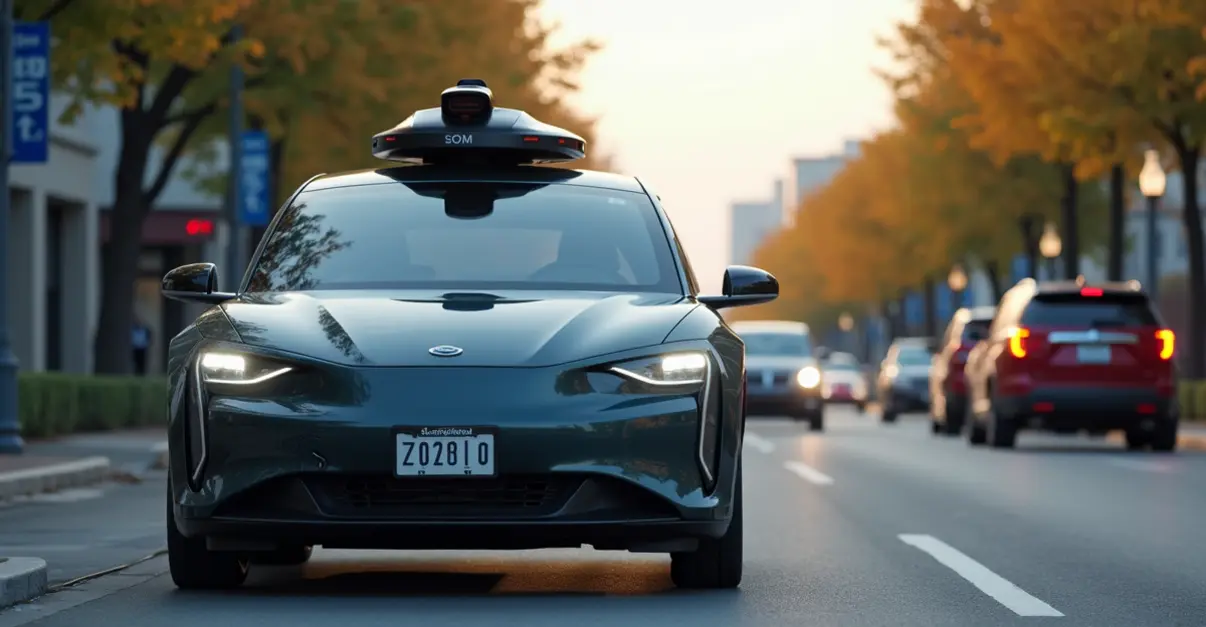
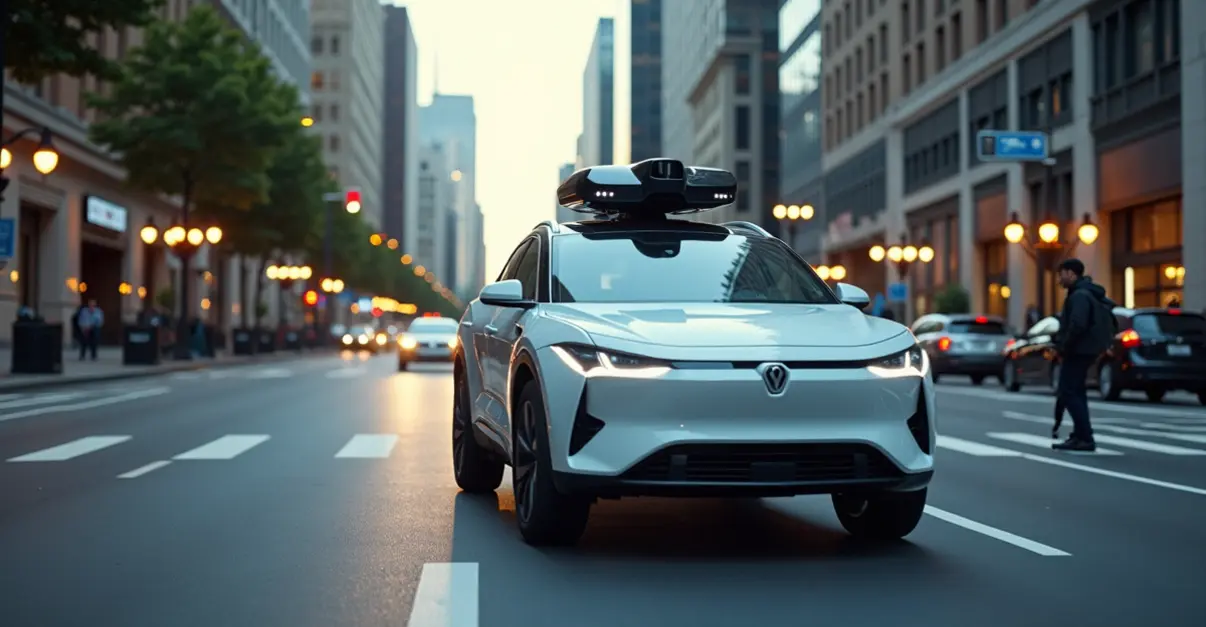
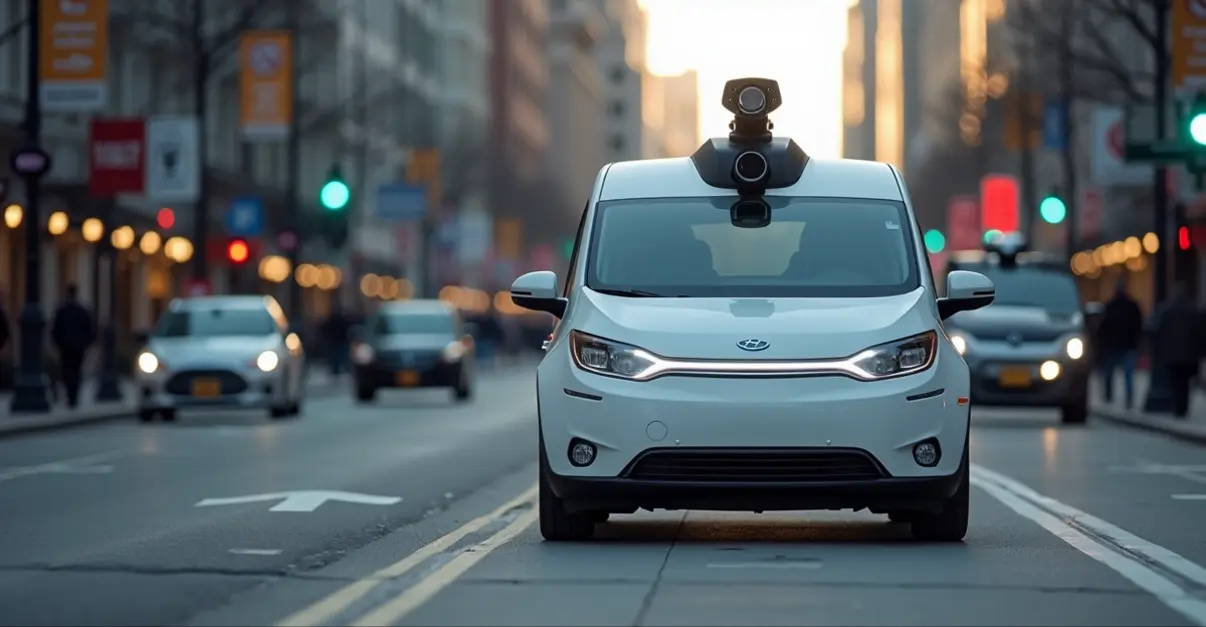
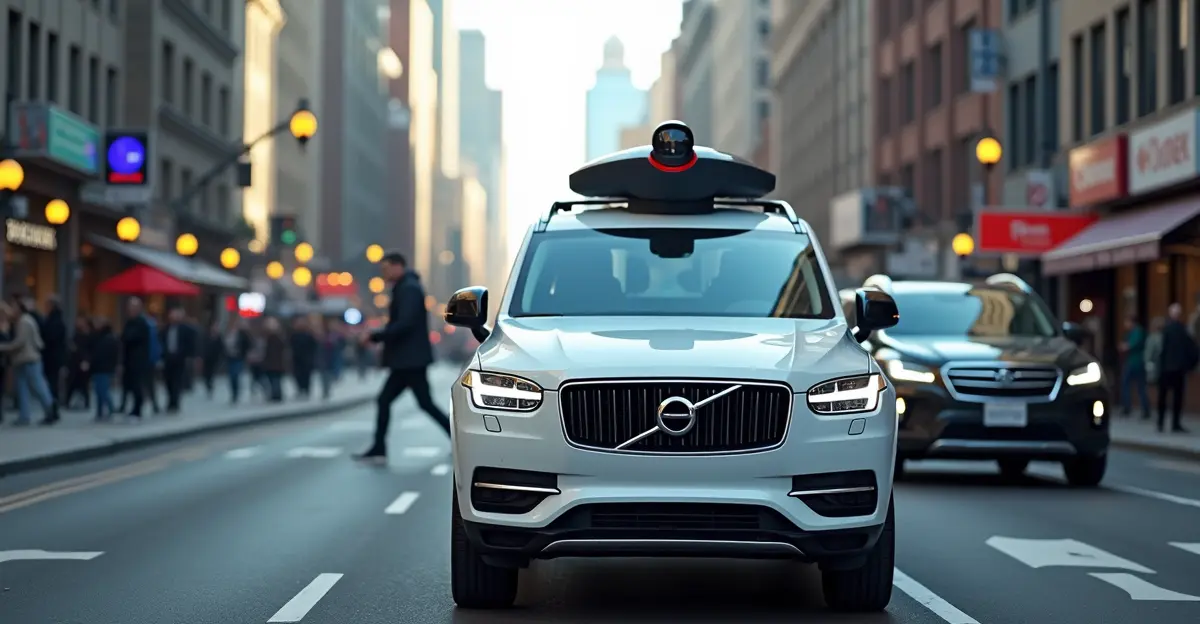
Urban pilot programs are expanding rapidly as cities recognize the potential benefits of autonomous vehicles. According to Deloitte Insights, AVs have arrived in American cities through robo-taxis and self-driving delivery vehicles, with potential benefits including improved safety (85% lower likelihood of injury-causing crashes for Waymo AVs), economic savings (estimated $75 billion annually with 25% AV adoption), and reduced congestion.
'City leaders must proactively engage stakeholders to establish regulatory guardrails that maximize AV benefits while addressing public skepticism,' says urban planning expert Dr. Sarah Johnson. 'The focus has shifted from whether AVs will happen to how and when they will be integrated into urban transportation systems.'
Safety Data Collection and Regulatory Adaptations
The expansion of urban pilot programs is generating unprecedented amounts of safety data that regulators are using to adapt frameworks. Companies operating in multiple cities are now required to share detailed safety metrics, including disengagement rates, incident reports, and performance in complex urban scenarios.
This data-driven approach allows regulators to move beyond theoretical safety assessments to evidence-based policymaking. 'Real-world safety data from urban operations is proving invaluable for refining regulations,' explains NHTSA official Robert Williams. 'We're seeing patterns emerge that help us develop more nuanced safety standards for different urban environments.'
Future Outlook and Strategic Implications
The competitive landscape is poised for a shakeout where leaders in commercial deployment will gain significant data advantages. Companies must now develop concrete scaling strategies for AV fleets while building robust cybersecurity protocols and liability frameworks.
The next imperative being municipal partnerships to integrate autonomous vehicles into smart city infrastructure. As urban pilot programs expand, the industry faces both unprecedented opportunities and complex challenges in balancing innovation with public safety and acceptance.
With regulatory frameworks evolving and public acceptance gradually improving, the stage is set for autonomous vehicles to transform urban mobility in ways that were unimaginable just a few years ago.
Follow Discussion