Deutsch
 English
 Español
 Français
 Nederlands
 Português






Autonomous Vehicle Pilot Expansion Accelerates Across Urban Centers
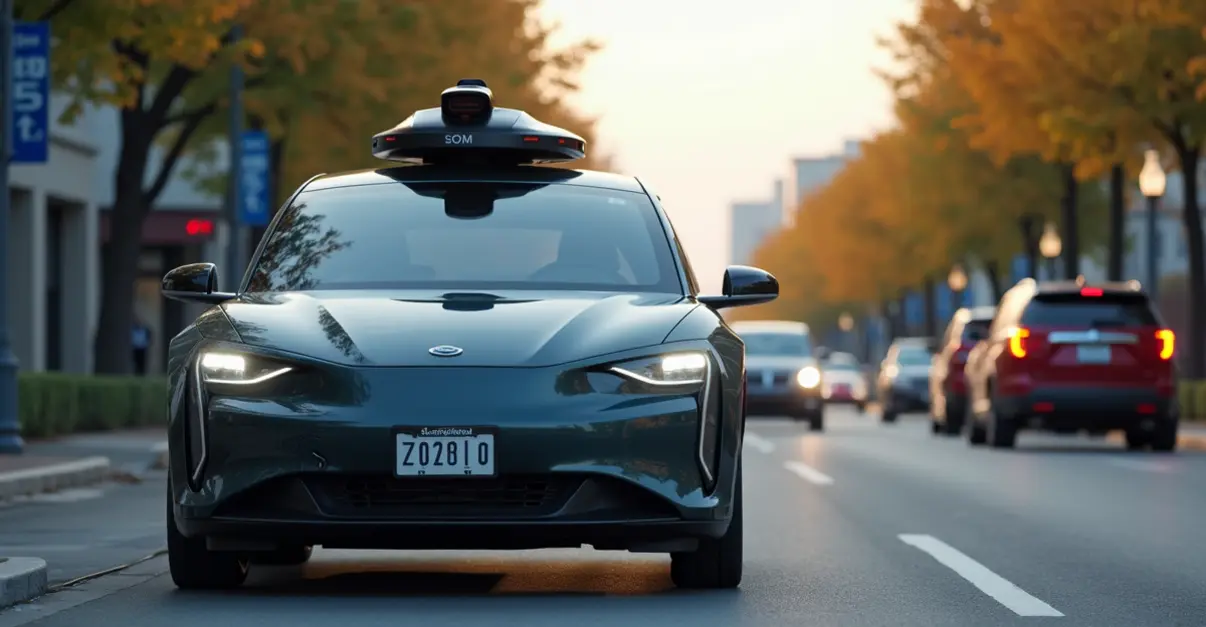
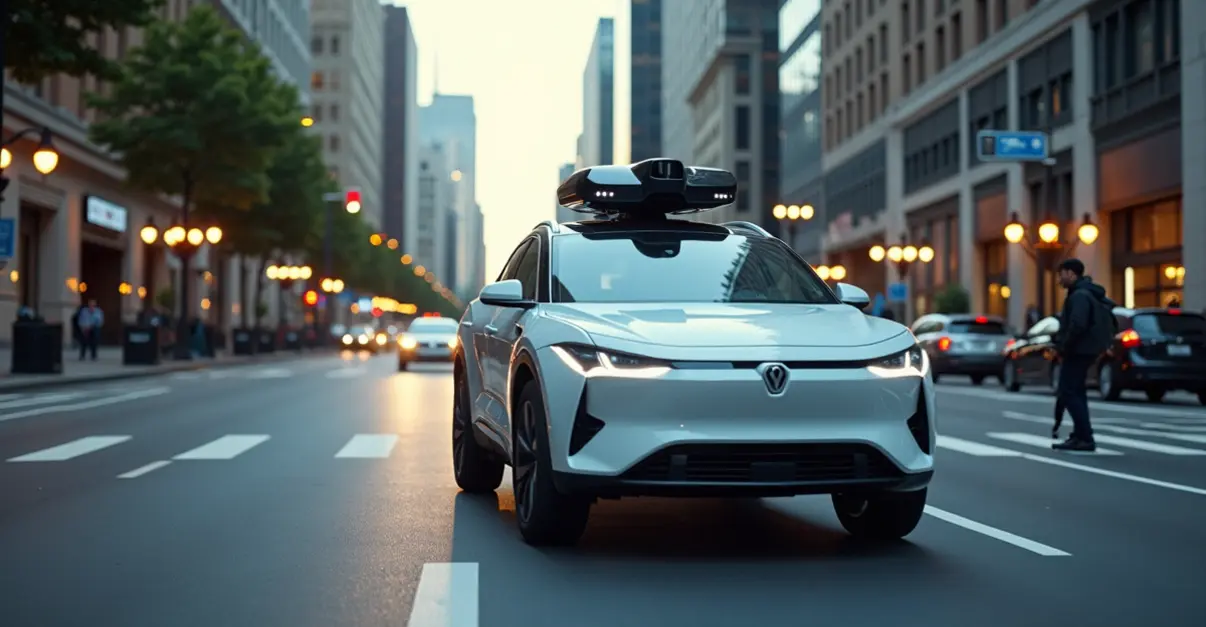
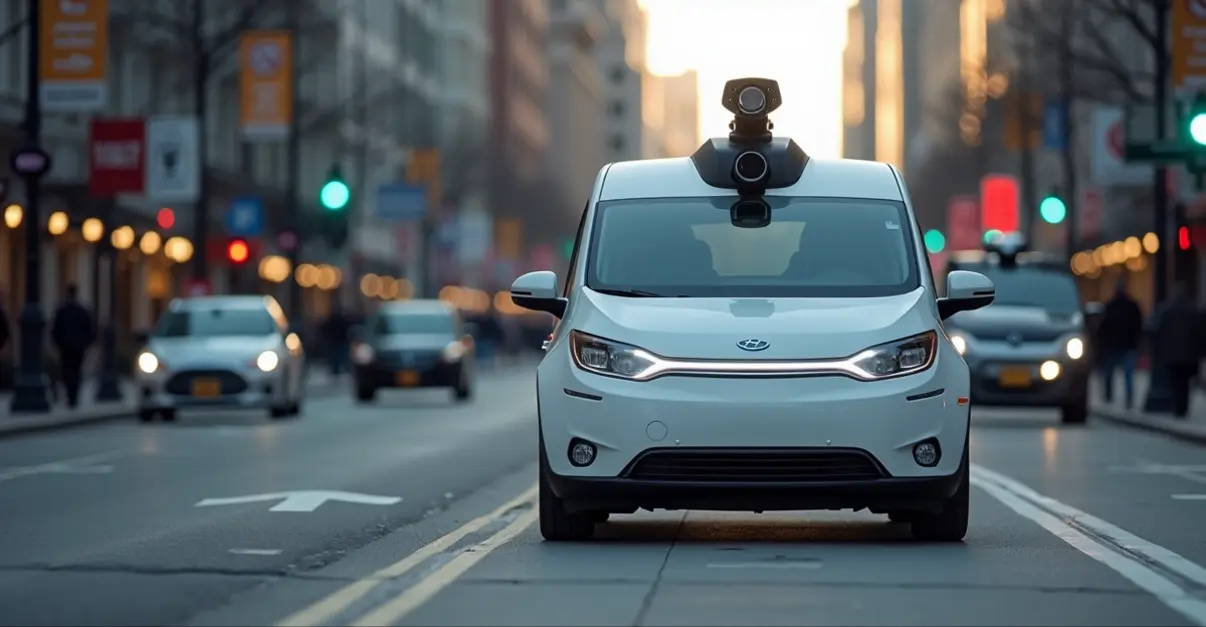
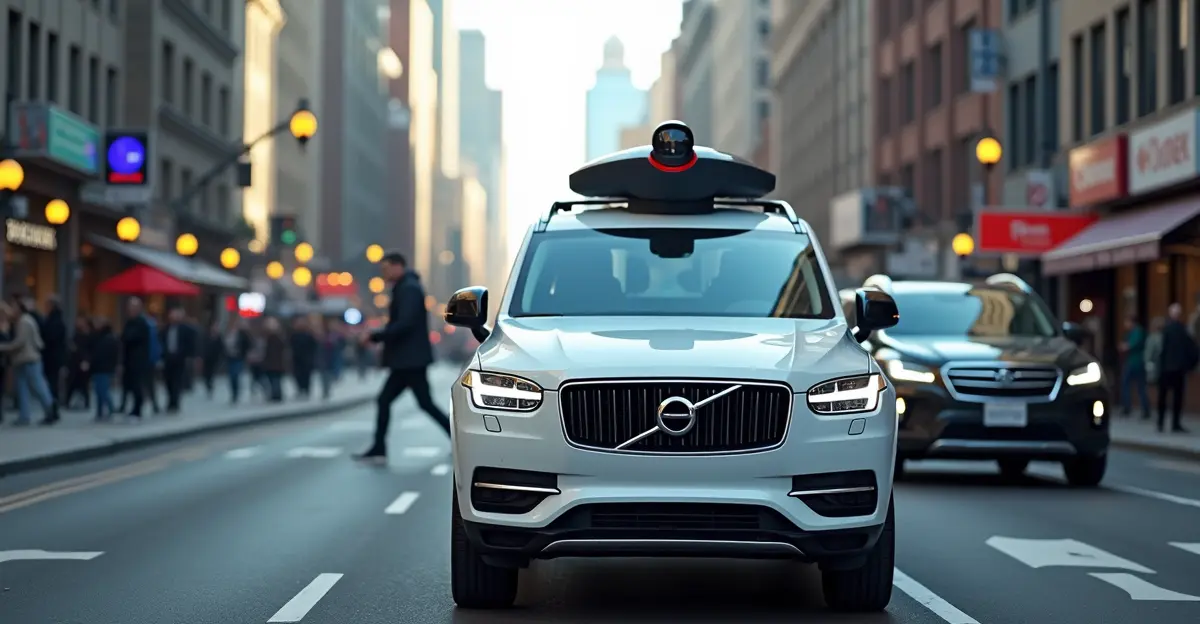
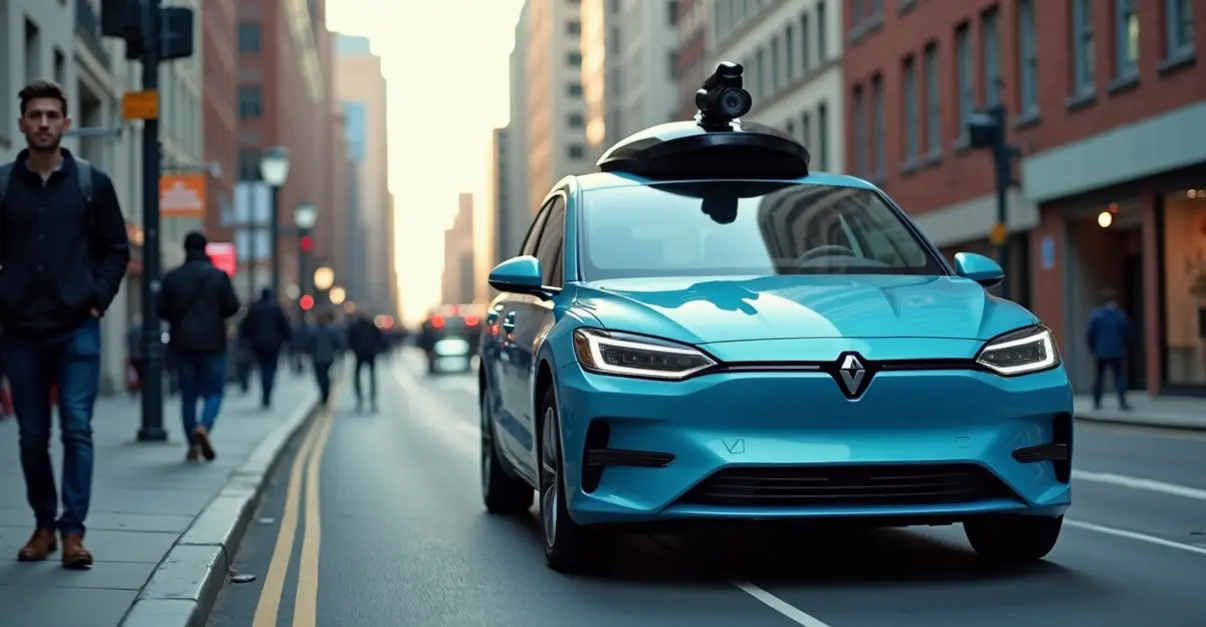
The year 2025 has marked a significant acceleration in autonomous vehicle (AV) pilot programs across major urban centers, with cities like San Francisco, Phoenix, and Austin leading the charge while expansions are planned for Dallas, Miami, and Nashville in 2026. This rapid deployment is transforming urban landscapes and forcing policymakers, market stakeholders, and communities to grapple with the implications of this transportation revolution.
Policy Landscape: Federal Action Meets Local Implementation
At the federal level, 2025 has seen multiple legislative initiatives aimed at addressing the current patchwork of state regulations. Key bills include the AV Accessibility Act, AV Safety Data Act, Autonomous Vehicle Acceleration Act, and AMERICA DRIVES Act. These proposals focus on accessibility for disabled individuals, safety data reporting to the National Highway Traffic Safety Administration (NHTSA), updating Federal Motor Vehicle Safety Standards for Level 4-5 vehicles, and establishing federal preemption for commercial trucking.
NHTSA has taken significant actions, announcing a new AV Framework built on safety, innovation, and deployment principles while streamlining crash reporting requirements. 'The focus has shifted from whether AVs will happen to how they will be integrated into cities to maximize public benefits while addressing safety and trust concerns,' notes a recent Deloitte Insights report.
Market Growth and Economic Implications
The autonomous vehicle market is projected to grow from USD 84.2 billion in 2025 to USD 763.7 billion by 2034, representing a staggering 27.8% compound annual growth rate according to market analysis. This explosive growth is driven by enhanced road safety, reduced emissions, and rapid AI technology advancements.
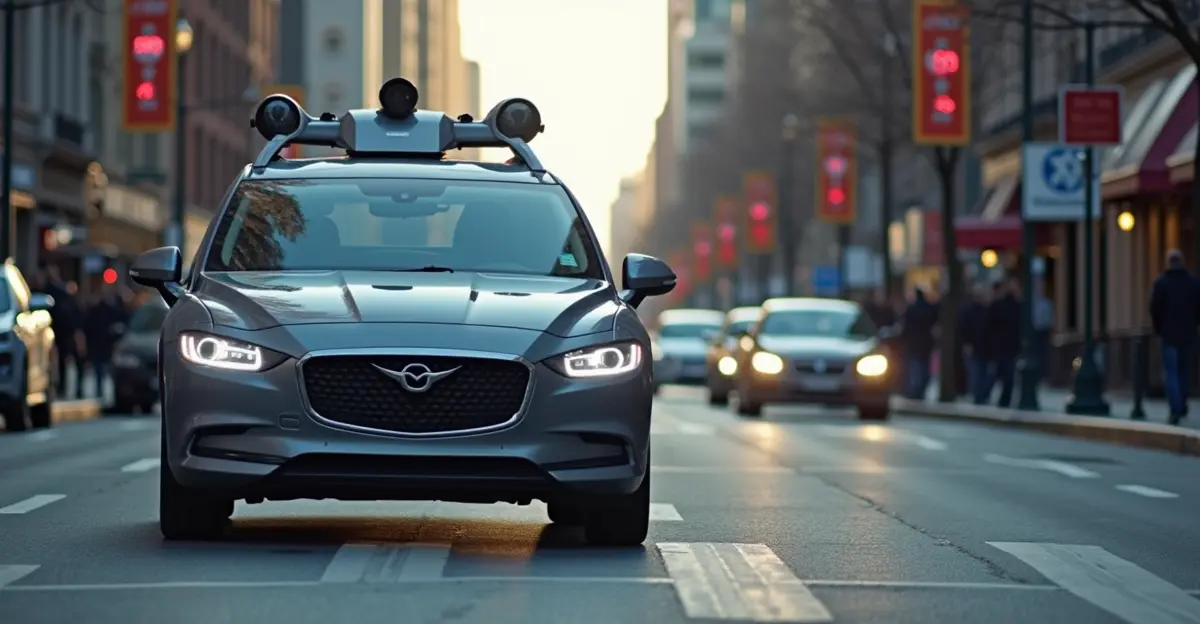
Major players like Waymo and Cruise have expanded their robo-taxi services, with Waymo operating in Phoenix, San Francisco, and Los Angeles as of April 2024. However, challenges remain, as evidenced by a June 2024 incident where a Waymo vehicle crashed into a utility pole in Phoenix, leading to a recall of 672 Jaguar I-Pace vehicles for software updates.
'The market is experiencing expanded pilot programs for autonomous shuttles and robo-taxis, with improved sensor fusion and machine learning algorithms enabling better navigation in complex environments,' explains industry analysts.
Community Impact and Equity Considerations
Perhaps the most critical aspect of AV expansion is its impact on communities. A Bipartisan Policy Center report highlights AVs' potential to improve transportation equity by providing rides regardless of age, language, or disability status. The integration of AVs into public transit networks could particularly benefit people with disabilities by complementing paratransit systems.
Safety improvements are substantial, with Waymo AVs showing an 85% lower likelihood of injury-causing crashes compared to human-driven vehicles. Economic benefits are equally impressive, with estimates suggesting $75 billion in annual savings with just 25% AV adoption, primarily from reduced traffic incidents.
Urban Planning and Infrastructure Challenges
Cities face significant challenges in adapting infrastructure for AV integration. Reduced parking demand (potentially up to 40% in some scenarios), changes in traffic patterns, and the need for updated road markings and communication systems require substantial planning and investment.
'City leaders must determine their objectives—such as safety, reduced parking demand, and economic development—and proactively engage stakeholders to establish regulatory frameworks,' emphasizes the Deloitte analysis. Successful integration requires balancing technological advancement with public trust, which remains a significant hurdle.
Looking Ahead: The Road to 2026 and Beyond
As pilot programs expand to additional cities in 2026, key stakeholders are working toward including comprehensive AV policy in the upcoming surface transportation reauthorization. Labor concerns about potential impacts on professional drivers remain a point of contention among legislators.
The convergence of federal legislation, state and local regulation, market forces, and community needs creates a complex landscape that will determine how autonomous vehicles reshape our cities. With technology advancing faster than regulatory frameworks can adapt, the coming years will be crucial in establishing the rules, standards, and infrastructure needed to ensure AVs enhance rather than disrupt urban environments.