


 Deutsch
 English
 Español
 Français
 Nederlands
 Português


 Share
Share




Autonomous Vehicle Pilot Zones Expand Nationwide: Safety Metrics, Regulatory Steps, and Early Adoption Lessons
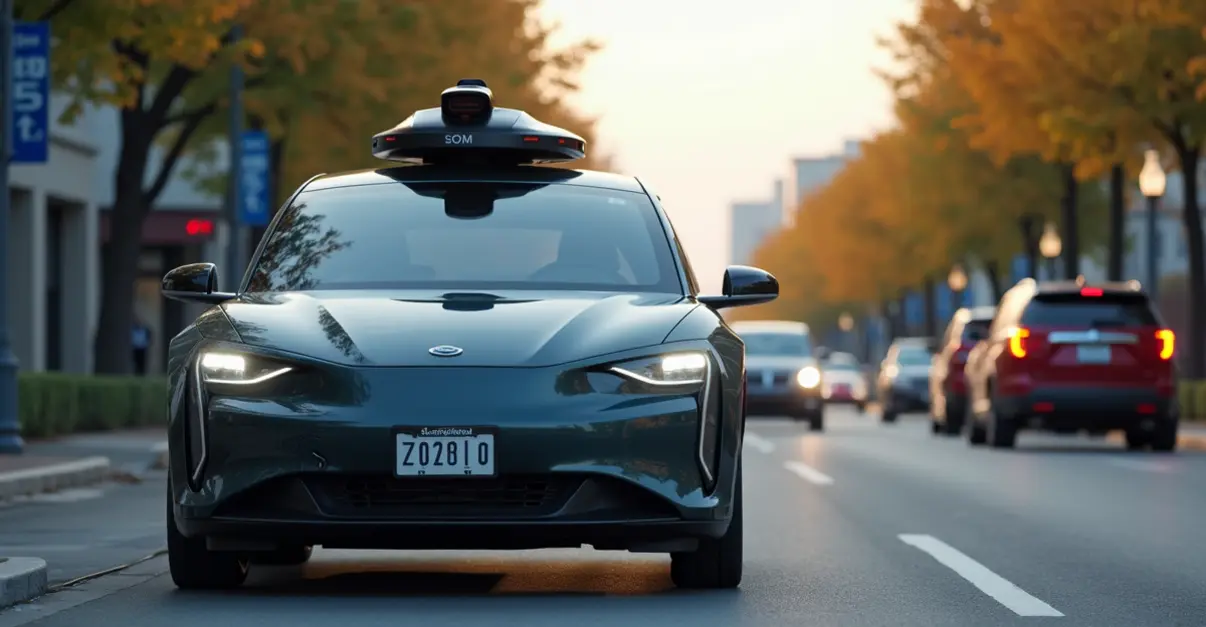
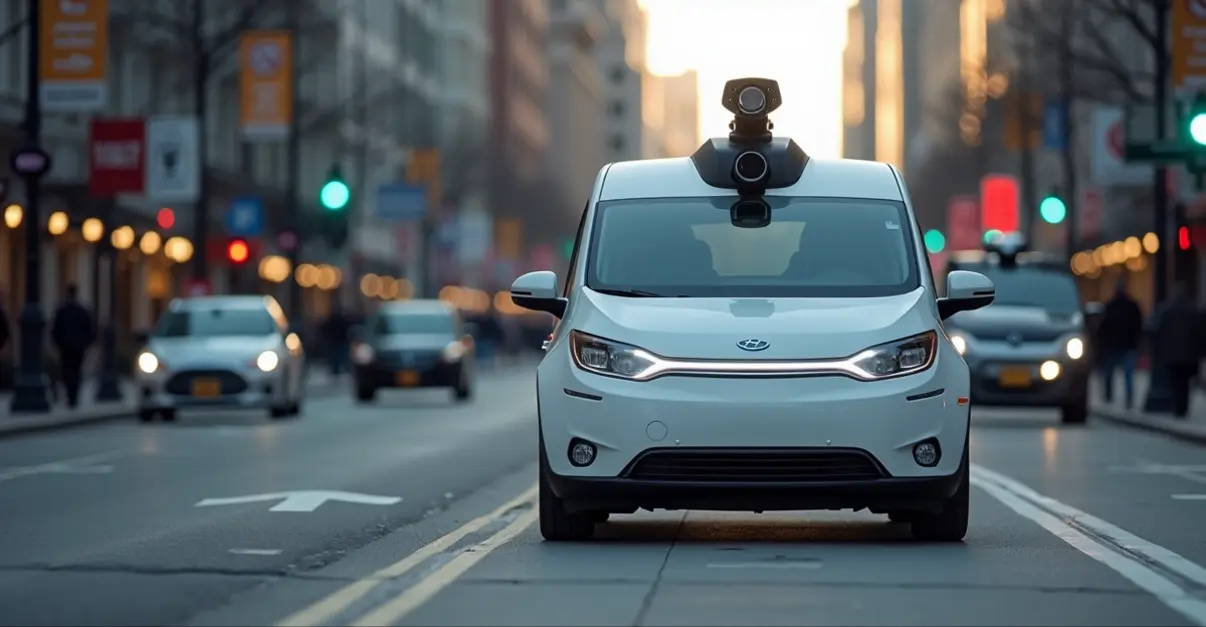
As autonomous vehicle pilot zones expand nationwide in 2026, regulatory authorities are implementing comprehensive safety frameworks and standardized metrics to accelerate the safe deployment of self-driving technology. The expansion builds on lessons from early adoption in cities like San Francisco, Phoenix, and Austin, with new deployments planned for Dallas, Miami, and Nashville. This nationwide rollout represents a critical phase in the evolution of autonomous transportation, balancing technological innovation with public safety concerns and regulatory oversight.
What Are Autonomous Vehicle Pilot Zones?
Autonomous vehicle pilot zones are designated geographic areas where self-driving vehicles can operate under special regulatory frameworks for testing and commercial deployment. These zones serve as controlled environments where companies can validate their technology while regulators collect safety data and refine standards. The federal autonomous vehicle framework established by NHTSA provides the foundation for these zones, creating a balanced approach that encourages innovation while prioritizing public safety through rigorous testing protocols and data collection requirements.
Safety Metrics Framework: The Core of 2026 Expansion
The 2026 expansion introduces standardized safety metrics that all pilot zones must implement. According to the NIST IR 8527 standards, these metrics include:
- Collision Avoidance Performance: Testing under various weather conditions and traffic scenarios
- System Reliability Metrics: Measuring uptime and failure rates across different operational environments
- Pedestrian Interaction Protocols: Standardized testing for vulnerable road user safety
- Emergency Response Capabilities: How vehicles handle unexpected situations and system failures
- Data Transparency Requirements: Mandatory reporting of incidents and near-misses
The framework establishes clear liability structures that clarify responsibility between manufacturers, operators, and vehicle owners, addressing one of the most significant barriers to widespread adoption. "The safety metrics framework represents a major step forward in creating consistent evaluation standards across the industry," explains transportation safety expert Dr. Maria Chen. "For the first time, we have objective measures that allow us to compare different autonomous systems and track improvements over time."
Regulatory Steps: Federal and State Coordination
Federal Legislative Progress
2025-2026 has seen significant federal legislative activity with several key bills introduced. The SELF DRIVE Act of 2026, introduced by Congressman Bob Latta, aims to establish a national framework for autonomous vehicle safety and regulation. This legislation strengthens safety requirements, clarifies NHTSA's authority, improves crash data transparency, and promotes U.S. leadership in AV innovation. With nearly 40,000 Americans dying annually in traffic crashes (94% attributed to human error), the legislation seeks to leverage autonomous technology to reduce accidents while maintaining American competitiveness.
Other important federal initiatives include:
- AV Accessibility Act: Enhancing access for disabled individuals
- AV Safety Data Act: Requiring comprehensive safety reporting
- Autonomous Vehicle Acceleration Act: Updating safety standards for Level 4/5 vehicles
- AMERICA DRIVES Act: Federal preemption for commercial trucking
NHTSA's Regulatory Modernization
The National Highway Traffic Safety Administration is launching three rulemakings to modernize Federal Motor Vehicle Safety Standards (FMVSS) for automated vehicles. As detailed in their AV Framework announcement, these changes address decades-old standards written for human-driven vehicles that fail to account for automated driving systems. The rulemakings specifically target FMVSS No. 102 (transmission controls), No. 103/104 (windshield systems), and No. 108 (lighting equipment) for vehicles with automated driving systems and no manual controls.
Early Adoption Lessons: What We've Learned
The expansion to nationwide pilot zones builds on valuable lessons from early adoption cities. According to a 2025 study of 12 European pilot sites, key findings include:
| Use Case | Safety Performance | Traffic Efficiency | User Acceptance |
|---|---|---|---|
| Shared Robotaxis | Positive | Best Performance | High |
| Closed Environment Shuttles | Positive | Good | Moderate |
| Open Environment Operations | More Safety Incidents | Variable | Lower |
The study highlights that user acceptance doesn't always align with safety and efficiency metrics, though users consistently value service usefulness, safety, and reliability. "The most important lesson from early pilots is the critical importance of standardized data collection," notes transportation researcher Dr. James Wilson. "Without consistent metrics and contextual baseline data, it's impossible to make meaningful comparisons or track progress over time."
Impact and Implications of Nationwide Expansion
The nationwide expansion of autonomous vehicle pilot zones has significant implications for transportation systems, urban planning, and the economy. The AV market growth projections indicate the sector will expand from $84.2 billion in 2025 to $763.7 billion by 2034, driven by safety improvements and AI advancements. This growth creates both opportunities and challenges:
- Safety Improvements: AVs demonstrate 85% lower injury-causing crash rates compared to human drivers
- Economic Impact: Potential $75 billion annual savings from reduced traffic incidents
- Infrastructure Challenges: Reduced parking demand and updated road systems required
- Labor Concerns: Addressing potential job displacement in transportation sectors
The expansion requires balancing technological progress with public trust and regulatory adaptation. Cities must update their transportation frameworks to accommodate autonomous vehicles while ensuring equitable access and addressing community concerns.
Expert Perspectives on the 2026 Expansion
Industry leaders and regulators express cautious optimism about the nationwide expansion. "The 2026 pilot zone expansion represents a critical maturation phase for autonomous vehicle technology," says Waymo CEO Tekedra Mawakana. "By establishing consistent safety standards and regulatory frameworks across multiple jurisdictions, we can accelerate deployment while maintaining the highest safety standards."
Transportation Secretary Sean P. Duffy emphasizes the regulatory approach: "Our Automated Vehicle Framework seeks to eliminate redundant requirements, create a single national standard, spur innovation while prioritizing safety, and prevent a patchwork of state regulations. This balanced approach is essential for the successful nationwide expansion of autonomous vehicle pilot zones."
Frequently Asked Questions
What cities are included in the 2026 autonomous vehicle pilot zone expansion?
The 2026 expansion builds on existing deployments in San Francisco, Phoenix, and Austin, with new pilot zones planned for Dallas, Miami, and Nashville. Additional cities may be added based on regulatory approvals and infrastructure readiness.
How do safety metrics for autonomous vehicles differ from human-driven vehicles?
Autonomous vehicle safety metrics focus on system reliability, collision avoidance algorithms, pedestrian interaction protocols, and emergency response capabilities, while human driver metrics typically measure reaction times, attention, and compliance with traffic laws. AV metrics are more technical and system-oriented.
What regulatory changes are needed for nationwide autonomous vehicle deployment?
Key regulatory changes include updating Federal Motor Vehicle Safety Standards for vehicles without manual controls, establishing clear liability frameworks, creating standardized safety reporting requirements, and developing consistent testing protocols across different jurisdictions.
How long will it take for autonomous vehicles to become mainstream?
According to industry projections, large-scale robotaxi deployments will remain limited to select global cities for the next decade, while mass adoption of privately owned autonomous vehicles is shifting focus to Level 2+ functions by 2035 rather than fully autonomous systems.
What are the biggest challenges facing autonomous vehicle expansion?
The primary challenges include building public trust, addressing regulatory fragmentation, ensuring cybersecurity, developing adequate infrastructure, managing labor transition impacts, and creating sustainable business models for different use cases.
Conclusion: The Road Ahead for Autonomous Mobility
The nationwide expansion of autonomous vehicle pilot zones in 2026 represents a pivotal moment in transportation history. By combining rigorous safety metrics, coordinated regulatory frameworks, and lessons from early adoption, this expansion aims to accelerate the safe deployment of self-driving technology while addressing public concerns and infrastructure needs. The success of these pilot zones will shape the future of autonomous mobility, potentially transforming how people and goods move while significantly improving road safety and transportation efficiency.




Follow Discussion