


 Deutsch
 English
 Español
 Français
 Nederlands
 Português


 Share
Share




U.S. AI Chip Export Controls: Strategic Framework Analysis
The United States Department of Commerce implemented a groundbreaking three-tiered export control framework for artificial intelligence chips in January 2025, fundamentally reshaping global technology alliances and semiconductor supply chains. This strategic policy shift, known as the AI Diffusion Rule, establishes a comprehensive licensing system that categorizes countries based on their geopolitical alignment with U.S. interests, creating immediate implications for global AI development and strategic competition with China. The framework represents the most significant expansion of semiconductor export controls since the October 2022 restrictions, reflecting growing concerns about AI's military applications and the need to maintain technological leadership.
What is the Three-Tiered Export Control Framework?
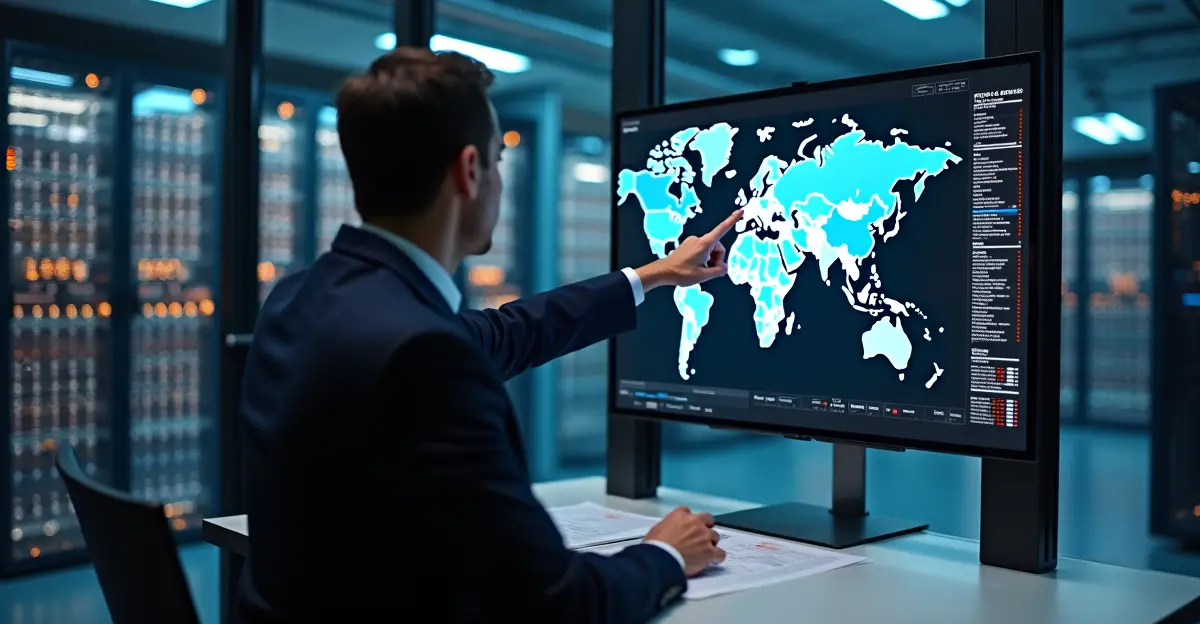
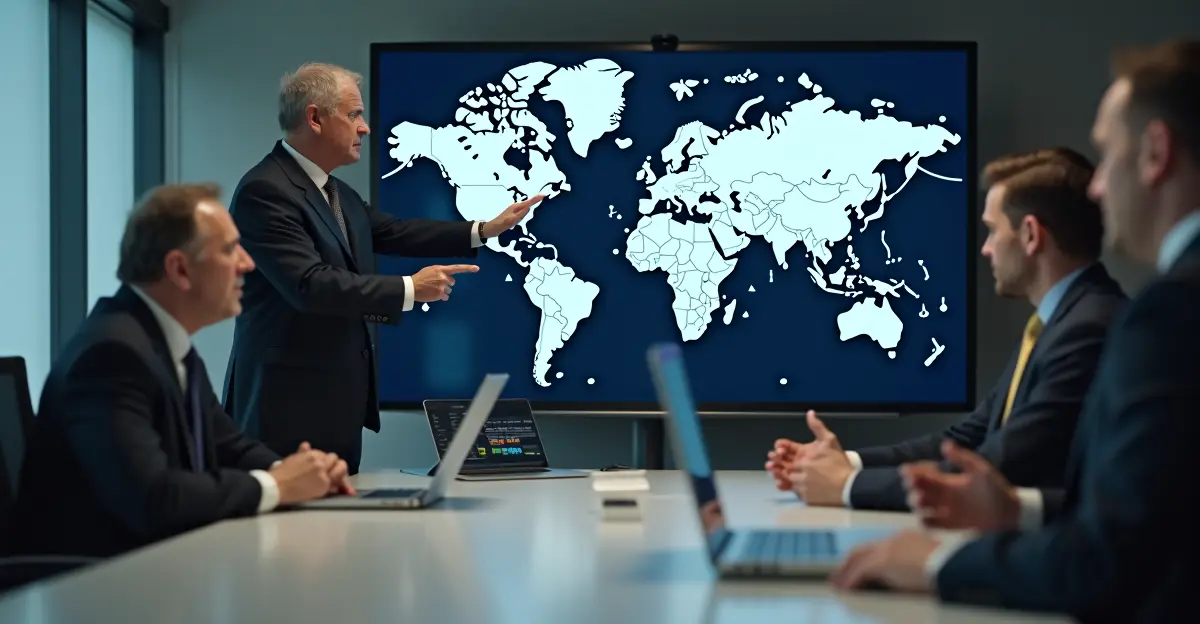
The AI Diffusion Rule, effective January 13, 2025, creates a worldwide license requirement for advanced computing integrated circuits and non-public AI model weights. The framework establishes three distinct tiers for country classification: Tier 1 includes trusted allies like Five Eyes partners, NATO members, and major semiconductor players including Taiwan, the Netherlands, Japan, and South Korea. These nations enjoy relatively unrestricted access to advanced GPUs but must comply with requirements that U.S. companies maintain at least 50% of AI computing power within American borders. Tier 2 covers most countries including India, Israel, Singapore, and the UAE, with strict caps of 49,901 H100-equivalent GPUs through 2027 and limits of no more than 7% of a company's global AI compute per country. Tier 3 includes sanctioned states like China, Iran, North Korea, and Russia, which are effectively barred from accessing advanced U.S. AI chips.
Geopolitical Calculus Behind Country Classification
The strategic categorization of countries reflects a deliberate geopolitical calculus aimed at strengthening technology alliances while isolating strategic competitors. According to the Bureau of Industry and Security (BIS), the framework "creates structured pathways for responsible AI technology transfer while addressing national security concerns." The tiered system represents a significant evolution from previous export controls, moving beyond simple binary restrictions to a more nuanced approach that recognizes varying degrees of alliance and risk.
Alliance-Based Technology Sharing
The framework explicitly rewards countries that align with U.S. strategic interests, creating what experts describe as "technology alliance architecture." This approach mirrors broader trends in global technology decoupling, where geopolitical considerations increasingly dictate trade relationships. The classification system creates incentives for countries to deepen security cooperation with the United States in exchange for access to cutting-edge AI technologies, potentially reshaping international technology partnerships for years to come.
Strategic Competition with China
The framework's most stringent restrictions target China, reflecting escalating concerns about Beijing's technological ambitions and military applications of AI. The controls build on previous restrictions from 2022-2024 but introduce more comprehensive measures, including expanded definitions of advanced-node integrated circuits and new due diligence requirements for semiconductor manufacturers. This approach represents a continuation of the U.S.-China technology competition that has intensified throughout the 2020s, with both nations pursuing parallel paths toward technological self-sufficiency.
Economic Impact on U.S. Semiconductor Firms
The export controls present significant economic challenges for American semiconductor companies, particularly market leaders like NVIDIA, AMD, and Intel. Industry analysts project that NVIDIA could face potential revenue losses of up to $15 billion from restricted access to the Chinese market, where its market share has already plummeted from 95% to approximately 50% since initial export controls were implemented in 2022. The framework creates complex compliance requirements, including customer verification, restricted party screening, and documentation maintenance for international AI chip procurement and deployment.
Industry Adaptation Strategies
Major technology companies are developing innovative strategies to navigate the new regulatory landscape. NVIDIA has created China-specific variants like the H20 with reduced capabilities to comply with export thresholds, while simultaneously lobbying the administration to ease restrictions to protect their global AI strategies. The framework includes provisions for Validated End User (VEU) status, which has become essential for Tier 2 organizations seeking procurement above established caps. These adaptations reflect the semiconductor industry's resilience but also highlight the significant compliance burdens imposed by the new controls.
Supply Chain Restructuring
The export controls are accelerating broader trends in semiconductor supply chain restructuring, with companies pursuing "friend-shoring" and "reshoring" strategies to reduce dependencies on potentially vulnerable partners. This strategic realignment is creating two parallel AI systems globally with different technical standards and supply chains, fundamentally altering decades of globalization in the semiconductor industry. The semiconductor supply chain fragmentation represents a significant departure from efficiency-first models toward resilience-focused approaches.
National Security and Technological Leadership
The Biden administration has framed the export controls as essential for maintaining U.S. technological leadership while managing national security risks. According to official statements, the framework aims to "protect U.S. national security interests and prevent diversion of sensitive AI technology" while creating "structured pathways for responsible AI technology transfer." This balancing act reflects the complex challenge of preserving innovation ecosystems while safeguarding strategic technologies.
Military Applications and Strategic Concerns
Underlying the export controls are growing concerns about AI's military applications and the potential for advanced chips to enhance adversaries' military capabilities. The framework specifically addresses these concerns through expanded controls on advanced-node integrated circuits and new compliance obligations for infrastructure-as-a-service providers training advanced AI models. These measures reflect intelligence assessments about the military applications of artificial intelligence and the strategic importance of maintaining technological advantages in this critical domain.
Multilateral Cooperation Requirements
The effectiveness of the export controls depends heavily on multilateral cooperation with key allies, particularly Japan and the Netherlands, which control critical semiconductor manufacturing equipment. The framework's tiered approach creates incentives for allied coordination while establishing mechanisms for information sharing and joint enforcement. This cooperative dimension represents a significant evolution from unilateral approaches, recognizing that effective technology controls require international consensus and coordinated implementation.
Future Outlook and Policy Evolution
The AI Diffusion Rule faces an uncertain future as the incoming administration reassesses its viability, highlighting the ongoing challenge of balancing national security with economic competitiveness in the global AI race. Industry stakeholders continue to advocate for modifications that would ease compliance burdens while maintaining security objectives, creating ongoing policy debates about the framework's implementation and evolution.
Frequently Asked Questions
What countries are in Tier 1 of the export control framework?
Tier 1 includes trusted U.S. allies such as Five Eyes partners (Australia, Canada, New Zealand, United Kingdom), NATO members, and major semiconductor players including Taiwan, the Netherlands, Japan, and South Korea. These countries enjoy relatively unrestricted access to advanced AI chips with minimal licensing requirements.
How does the framework affect NVIDIA's business in China?
NVIDIA faces significant restrictions in China, with its market share declining from 95% to approximately 50% since 2022. The company has developed China-specific chip variants like the H20 with reduced capabilities to comply with export thresholds, but still faces potential revenue losses estimated at up to $15 billion from restricted access to the Chinese market.
When did the AI Diffusion Rule take effect?
The framework became effective on January 13, 2025, with compliance deadlines extending to May 15, 2025. The rules were published in the Federal Register on January 15, 2025, establishing comprehensive export controls and licensing requirements for advanced AI technologies.
What are the key compliance requirements for semiconductor companies?
Companies must implement customer verification systems, conduct restricted party screening, maintain detailed documentation for international transactions, establish due diligence protocols for semiconductor manufacturing, and comply with specific reporting requirements for infrastructure-as-a-service providers training advanced AI models.
How does this framework differ from previous export controls?
The 2025 framework introduces a three-tiered country classification system, expands controls to include AI model weights, establishes worldwide license requirements for advanced computing chips, and creates more nuanced approaches to technology transfer compared to the binary restrictions implemented in October 2022.

Follow Discussion