


 Deutsch
 English
 Español
 Français
 Nederlands
 Português


 Share
Share




The New Semiconductor Geopolitics: A Bifurcated Regulatory Landscape
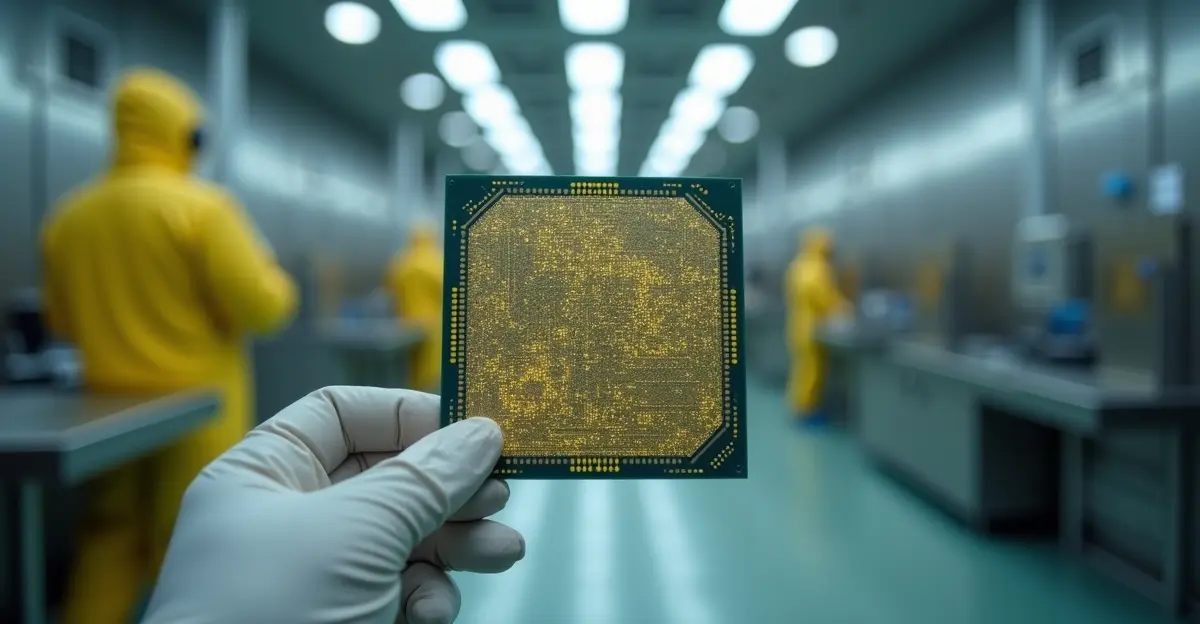
January 2025 marked a pivotal moment in global technology policy as simultaneous regulatory shifts in the United States and Netherlands created a bifurcated approach to semiconductor governance. The U.S. Department of Commerce's Bureau of Industry and Security (BIS) rescinded Biden-era artificial intelligence diffusion rules while maintaining China-focused restrictions, while the Netherlands implemented tightened export controls on advanced semiconductor manufacturing equipment effective April 1, 2025. These parallel developments reflect a strategic geopolitical calculus: fostering domestic AI innovation through deregulation while restricting technological diffusion to strategic competitors through targeted export controls.
What is the U.S. AI Deregulation Policy Shift?
In January 2025, the U.S. Commerce Department reversed previously approved AI export control rules that had established a three-tiered system for AI chip exports with varying restrictions based on country classification. According to official documentation, BIS explained the rescinded rules would have been "too burdensome on companies, stifled American innovation, and undermined diplomatic relationships with second-tier countries." This policy reversal represents a significant departure from previous approaches to AI safety regulation while maintaining strict controls on China's access to advanced chips and technology.
Key Elements of U.S. Policy Changes:
- Rescission of three-tiered AI chip export classification system
- Maintenance of China-focused semiconductor restrictions
- New guidance warning about risks of using China's advanced computing chips
- Continued protection of supply chains against diversion tactics
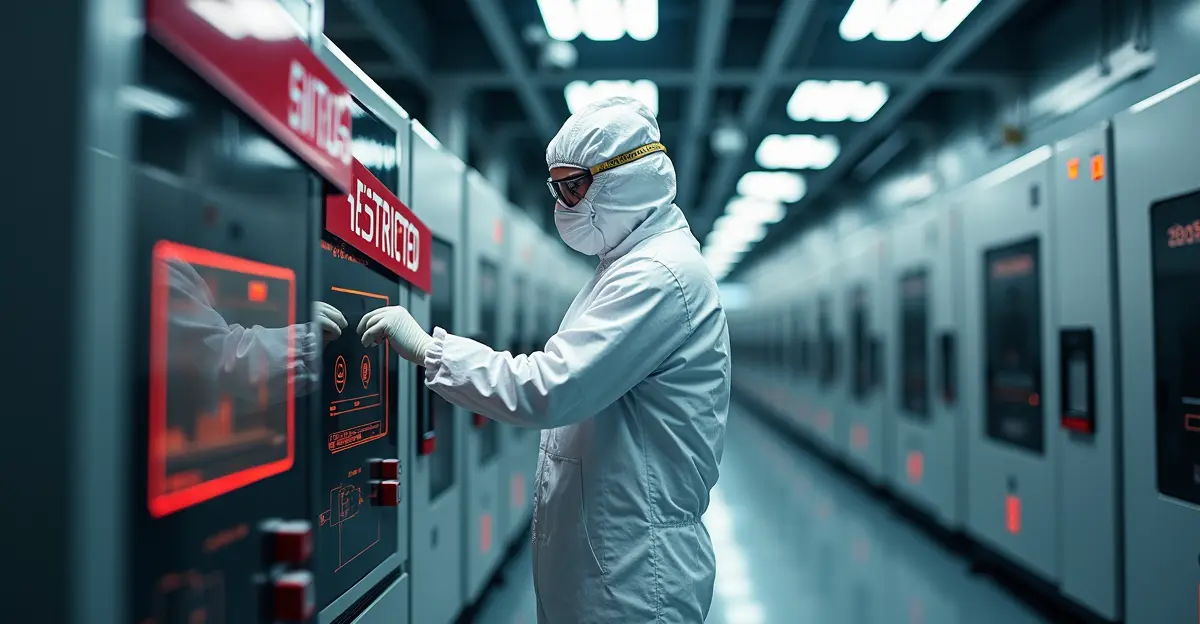
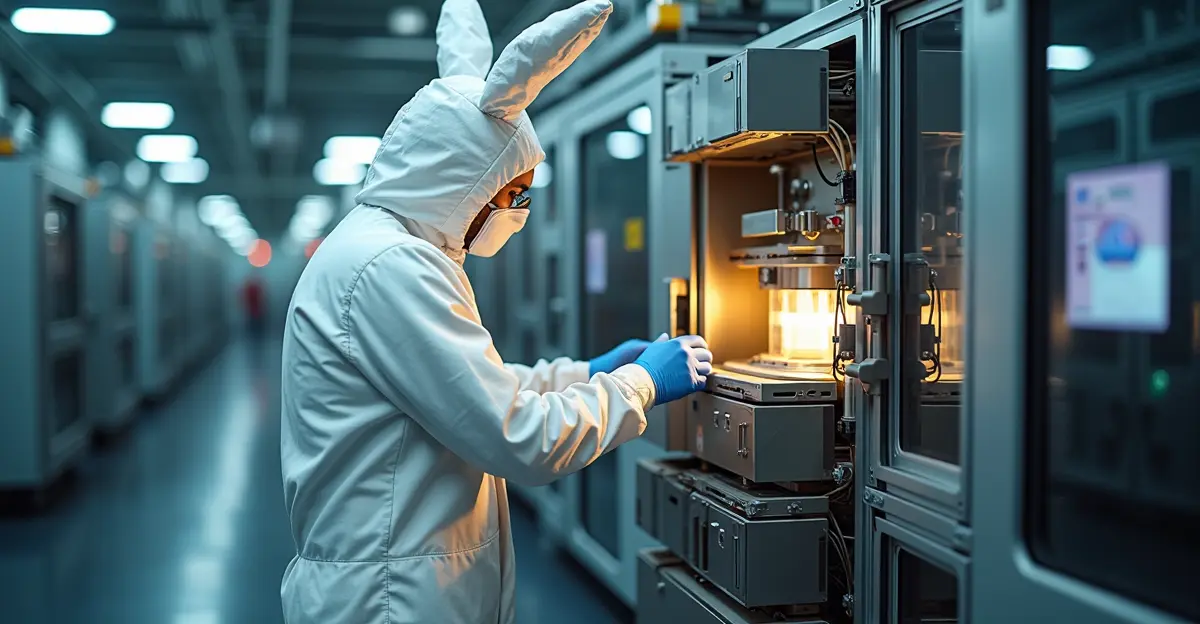
Dutch Export Controls: Targeting Advanced Manufacturing Equipment
Simultaneously, the Netherlands announced tightened export controls on advanced semiconductor manufacturing equipment starting April 1, 2025. Foreign Trade Minister Reinette Klever stated that more types of technology will require national authorization, including specific measuring and inspection equipment used in advanced semiconductor production. This marks the second amendment to the national export control measure since its introduction in September 2023. According to the Dutch government announcement, the expansion covers "a limited number of technologies where security risks have increased due to potential military applications."
Impact on Dutch Semiconductor Companies
The new regulations directly affect Dutch industry leaders ASML and ASMI, though ASML expects minimal additional impact from these restrictions. The company previously experienced reduced Chinese sales due to U.S. measures, but maintains its dominant position in the extreme ultraviolet lithography market. China has expressed "great concern" about the new restrictions, warning they threaten global semiconductor supply chains.
Strategic Implications for Global Supply Chains
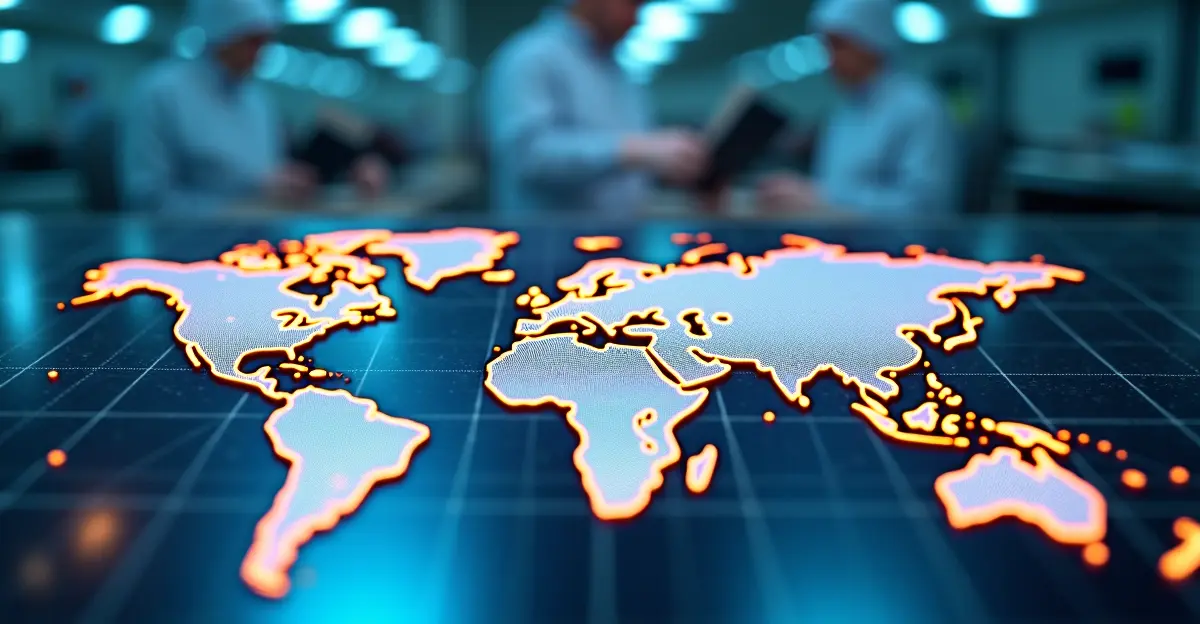
These simultaneous policy shifts create a bifurcated regulatory environment with profound implications for global technology supply chains. The U.S. approach represents a calculated strategy: deregulate domestic AI development to accelerate innovation while maintaining targeted restrictions on strategic competitors. Meanwhile, Dutch export controls reinforce this strategy by limiting access to critical manufacturing equipment.
Supply Chain Bifurcation Analysis
According to industry analysis from Silicon Analysts, this dual-track approach forces structural supply chain shifts away from China toward alternative hubs like Singapore, which is expanding capacity by 2.5M+ wafers/year through GlobalFoundries, UMC, and VSMC expansions. Meanwhile, China's SMIC faces severe limitations with 40-50% cost premiums and only 33% yield on 5nm nodes due to EUV export restrictions.
Competitive Positioning of Key Players
Nvidia's Market Dynamics
The regulatory environment creates complex challenges for semiconductor leaders. Nvidia's market share in China has reportedly plummeted from 95% to 50%, potentially facing $15 billion revenue losses according to global technology competition analysis. The AI ecosystem faces additional bottlenecks with NVIDIA securing 70% of TSMC's CoWoS packaging capacity and HBM memory sold out through 2026, driving 15-20% price increases in 2025.
ASML's Strategic Position
ASML maintains its near-monopoly in extreme ultraviolet lithography (EUV) equipment, holding 83% of worldwide lithography machine sales as of 2025. The Dutch company's strategic importance in the semiconductor value chain makes it a focal point of geopolitical tensions, though it has demonstrated resilience through previous export control adjustments.
Broader Geopolitical Strategy and Future Outlook
These policy moves reflect a broader geopolitical strategy of "friend-shoring" and "reshoring" semiconductor manufacturing capacity. The U.S. has deployed tools like the CHIPS and Science Act, allocating over $52 billion for domestic manufacturing, while China pursues self-sufficiency through its "Made in China 2025" policy. This strategic realignment emphasizes resilience over efficiency, potentially leading to increased costs and innovation delays.
Expert Perspectives on Policy Effectiveness
Stanford Professor Srabanti Chowdhury warns that overly broad restrictions could backfire by weakening U.S. companies while pushing China toward faster self-sufficiency. In analysis for the World Economic Forum, Chowdhury advocates for "targeted, clear restrictions rather than blanket bans," emphasizing that resilience should come through healthy competition and collaboration, not isolation.
Frequently Asked Questions (FAQ)
What exactly changed in U.S. AI regulations in January 2025?
The U.S. Commerce Department rescinded previously approved AI export control rules that established a three-tiered system for AI chip exports, eliminating what officials called overly burdensome regulations while maintaining China-focused restrictions.
How do Dutch export controls affect ASML's business?
The Netherlands' tightened export controls on advanced semiconductor manufacturing equipment affect specific measuring and inspection technologies, but ASML expects minimal additional impact as the company had already adjusted to previous restrictions targeting China.
Will these policies accelerate AI development in Western economies?
Yes, the deregulation of domestic AI development combined with restricted technology diffusion to competitors is designed to accelerate Western AI innovation, though it risks fragmenting global technology standards and supply networks.
What are the long-term implications for global semiconductor supply chains?
The policies are driving supply chain bifurcation, with manufacturing shifting toward alternative hubs like Singapore while China accelerates domestic semiconductor ecosystem development, potentially creating two parallel technology systems globally.
How are companies like Nvidia responding to these regulatory changes?
Nvidia faces complex challenges with declining market share in China and supply chain bottlenecks, but continues to dominate AI chip markets while navigating the evolving regulatory landscape through strategic partnerships and product adaptations.
Sources
- U.S. Department of Commerce BIS Announcements (2025)
- Netherlands Government Export Control Updates (January 2025)
- CSIS Analysis of U.S. Allies' Export Control Authorities
- Silicon Analysts Semiconductor Trade War Analysis (2025-2027)
- World Economic Forum Policy Analysis (August 2025)
- Financial Content Geopolitical Analysis (November 2025)
Follow Discussion