


 Deutsch
 English
 Español
 Français
 Nederlands
 Português


 Share
Share




What is the TSMC AI Chip Export Ban?
In a dramatic escalation of the ongoing technology cold war, the United States Department of Commerce has ordered Taiwan Semiconductor Manufacturing Company (TSMC) to immediately halt shipments of advanced artificial intelligence chips to Chinese customers. This directive, issued on November 10, 2024, specifically targets sophisticated 7-nanometer or more advanced semiconductor designs that power AI accelerators and graphics processing units (GPUs) destined for China. The move represents a significant tightening of export controls that directly impacts the world's largest contract chipmaker and global AI development timelines, marking what experts call a new phase in the US-China technology decoupling.
The Strategic Context: Why Target TSMC?
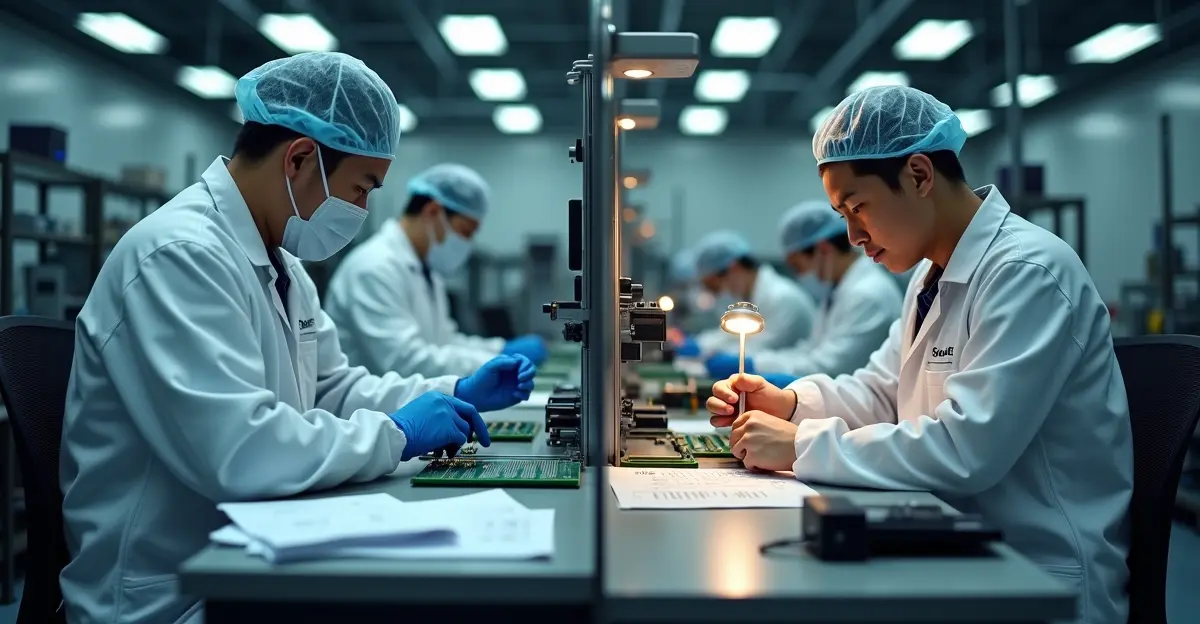
The decision to specifically target TSMC reflects a calculated geopolitical strategy. As the world's dominant semiconductor foundry controlling over 50% of the global market for advanced chips, TSMC serves as a critical chokepoint in the global technology supply chain. The company produces chips for virtually every major technology firm, including Apple, Nvidia, and AMD, making it uniquely positioned to influence global AI development. The Commerce Department's action follows the discovery of a TSMC chip in a Huawei AI processor during a teardown analysis by Tech Insights, which appeared to violate existing export controls. Huawei remains on the U.S. Entity List, requiring special licenses for shipments that would likely be denied for AI-related applications.
The U.S. government employed an "is informed" letter to quickly impose new licensing requirements, bypassing the lengthy rule-writing processes typically associated with export control changes. This administrative maneuver allowed for immediate enforcement, with TSMC notifying affected clients about suspending shipments starting Monday, November 11, 2024. The move expands upon previous restrictions targeting Nvidia and AMD's direct sales to China, now extending controls to third-party manufacturers like TSMC that produce chips for multiple clients.
Technical Specifications of Targeted Chips
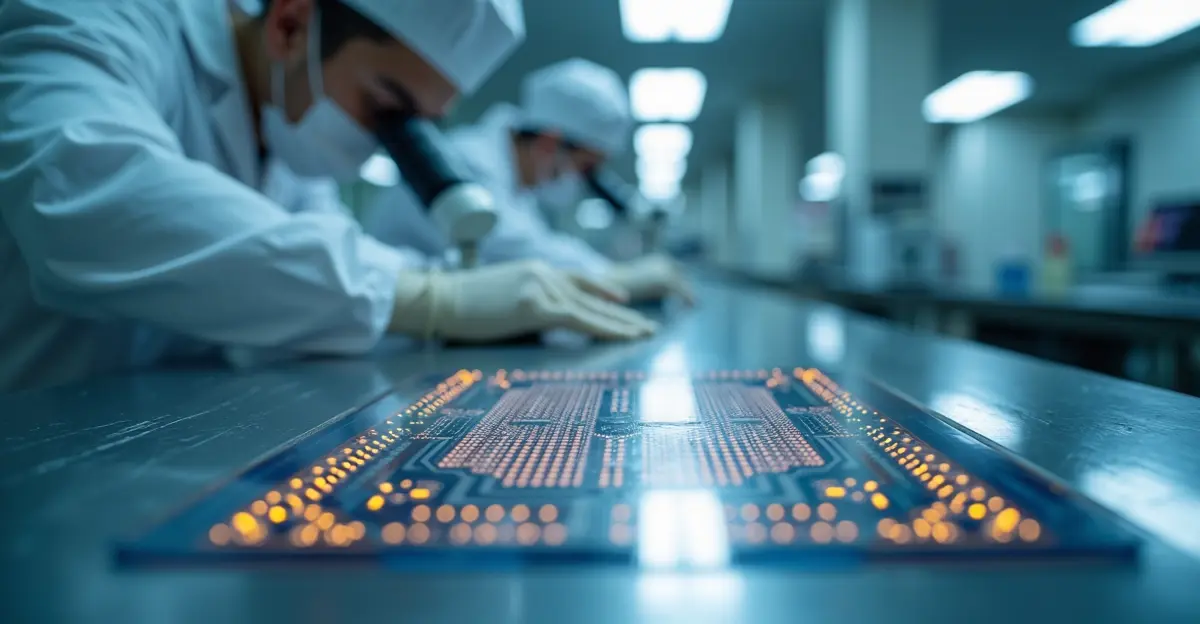
The export restrictions specifically focus on chips manufactured using 7-nanometer or more advanced process technologies. These include:
- AI accelerator chips designed for machine learning applications
- High-performance graphics processing units (GPUs)
- Chips with advanced packaging technologies
- Semiconductors incorporating High-Bandwidth Memory (HBM)
Geopolitical Calculus and National Security Implications
This latest action represents a strategic escalation in Washington's efforts to maintain technological superiority over China. The Biden administration's approach targets the specific AI applications that are central to both economic competitiveness and military modernization. According to national security experts, advanced AI chips have dual-use applications that could significantly enhance China's military capabilities, including autonomous weapons systems, surveillance technologies, and cyber warfare tools. The move aligns with broader U.S. efforts to create what some analysts call a "semiconductor containment strategy" aimed at slowing China's technological advancement.
The timing of this directive is particularly significant, coming amid heightened tensions across the Taiwan Strait and increasing concerns about China's technological self-sufficiency ambitions. By targeting TSMC specifically, the U.S. is leveraging its regulatory authority over companies using American technology and equipment, even when those companies are based outside U.S. territory. This extraterritorial application of export controls represents a powerful tool in Washington's geopolitical arsenal.
Potential Chinese Responses and Countermeasures
China is likely to respond through multiple channels, including diplomatic protests, retaliatory trade measures, and accelerated efforts to develop domestic semiconductor capabilities. Beijing has already invested heavily in its "Made in China 2025" initiative, which aims to achieve 70% self-sufficiency in semiconductors by 2025. However, achieving true technological independence in advanced chip manufacturing remains a formidable challenge, particularly given the complexity of cutting-edge semiconductor fabrication.
Potential Chinese responses could include:
- Increased funding for domestic semiconductor research and development
- Retaliatory restrictions on rare earth mineral exports critical to electronics manufacturing
- Enhanced industrial espionage targeting Western semiconductor technology
- Strengthening partnerships with alternative suppliers in South Korea and Japan
Impact on Global AI Development and Supply Chains
The immediate impact of the TSMC shipment halt will be felt across the global AI ecosystem. Chinese technology companies developing AI applications will face significant constraints in accessing the most advanced chips needed for training large language models and other computationally intensive tasks. This could slow China's progress in areas like generative AI, autonomous systems, and scientific computing, potentially creating a widening gap between Chinese and Western AI capabilities.
For TSMC, the financial implications are substantial but manageable in the short term. The company's Chinese customers represent a relatively small portion of its overall revenue, estimated at approximately 10-15% of total sales. However, the longer-term strategic implications are more concerning, as the move signals increasing political risk for companies operating in the crosshairs of U.S.-China technology competition. Other semiconductor manufacturers, particularly those in South Korea and Japan, may face similar pressure to align with U.S. export control policies.
Expert Perspectives on the Semiconductor Cold War
Industry analysts and geopolitical experts view this development as a watershed moment in technology competition. "This represents a significant escalation beyond previous export controls," notes Dr. Sarah Chen, a semiconductor policy expert at the Center for Strategic and International Studies. "By targeting TSMC specifically, the U.S. is demonstrating its willingness to disrupt global supply chains to achieve national security objectives."
Technology industry leaders express concern about the fragmentation of global technology standards and supply chains. "We're witnessing the balkanization of the semiconductor industry," warns Mark Johnson, CEO of a Silicon Valley AI startup. "The era of truly global technology collaboration may be coming to an end, replaced by competing technological spheres of influence."
Future Outlook: A New Phase of Technology Decoupling
The TSMC shipment halt signals a new phase in what experts are calling the "semiconductor cold war." Future developments to watch include:
- Potential expansion of export controls to other third-party manufacturers
- Increased U.S. investment in domestic semiconductor manufacturing through the CHIPS Act
- Chinese efforts to develop alternative supply chains through partnerships with non-aligned nations
- Growing pressure on European and Asian allies to align with U.S. export control policies
The broader implications extend beyond semiconductors to other critical technologies, including quantum computing, biotechnology, and advanced materials. As the global technology competition intensifies, companies operating at the intersection of national security and commercial innovation will face increasingly complex regulatory environments.
Frequently Asked Questions
What specific chips are affected by the TSMC shipment halt?
The order targets advanced chips manufactured using 7-nanometer or more advanced process technologies, specifically those designed for AI applications including AI accelerators and high-performance GPUs.
How will this affect Chinese AI development?
Chinese AI development will likely slow in the short term as companies face constraints accessing the most advanced chips needed for training large AI models, potentially creating a widening gap with Western capabilities.
What legal authority does the U.S. have to regulate TSMC's shipments?
The U.S. uses extraterritorial application of export controls through the Foreign Direct Product Rule, which regulates products made abroad using American technology or equipment.
Will TSMC face significant financial losses from this order?
While Chinese customers represent 10-15% of TSMC's revenue, the company's diversified global client base and strong demand for advanced chips should mitigate significant financial impact.
What are the long-term implications for global semiconductor supply chains?
The move accelerates technology decoupling, potentially leading to competing semiconductor ecosystems and increased fragmentation of global technology standards and supply chains.



Follow Discussion