Nederlands
 English
 Deutsch
 Français
 Español
 Português





Autonomous Delivery Robots Face Regulatory Scrutiny in New Trials
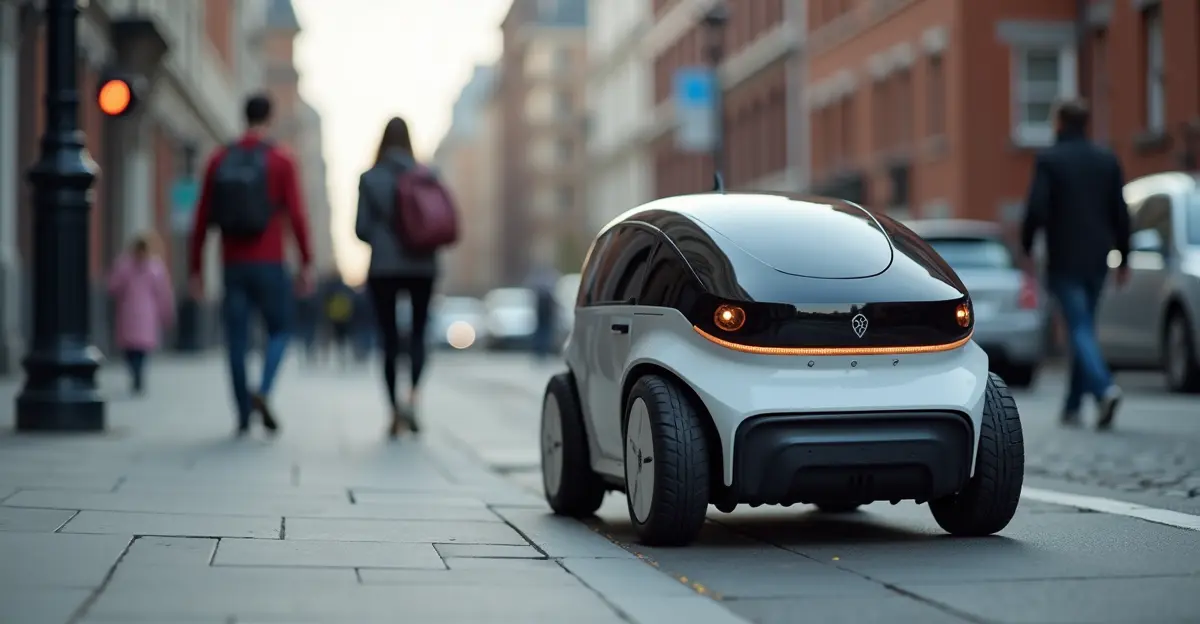
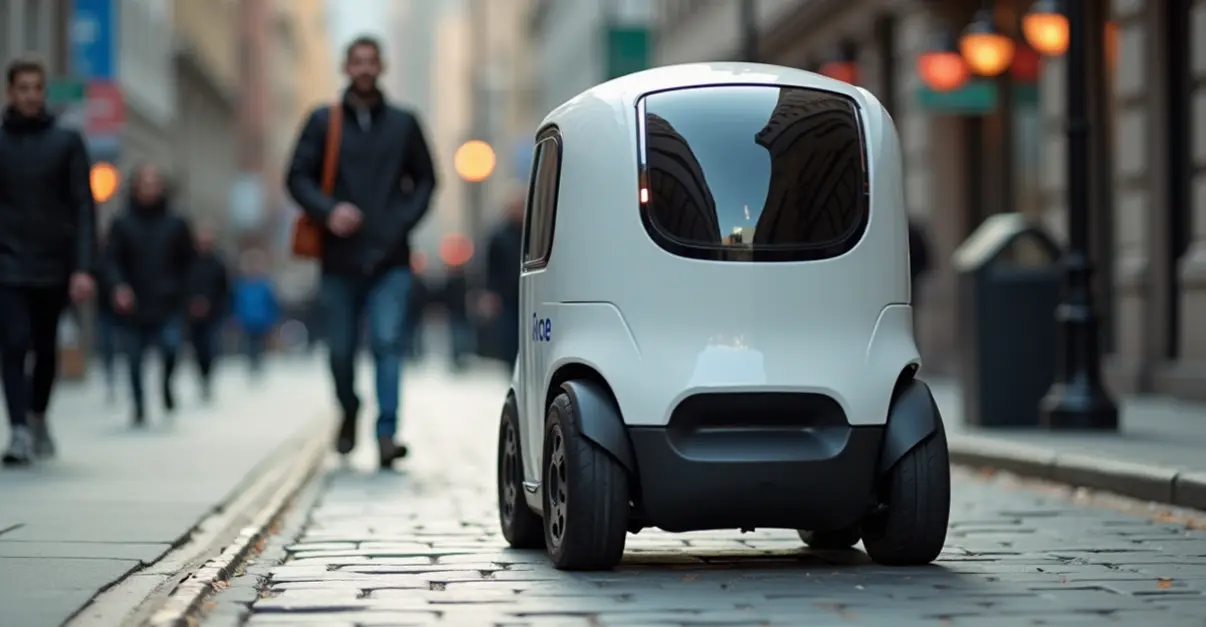
As autonomous delivery robots become increasingly common on city sidewalks, municipalities across North America are launching regulatory trials to establish safety frameworks before widespread adoption creates accessibility and safety problems. These trials represent a critical moment for urban robotics, balancing innovation with public safety concerns.
The Safety Imperative Driving Regulation
Recent incidents have highlighted the urgent need for regulation. 'We've documented dangerous near-misses where robots blocked wheelchair access or startled elderly pedestrians,' says Dr. Sarah Chen, a transportation researcher at the Urban Robotics Foundation. 'These aren't theoretical concerns—they're happening now in cities where robots operate without clear rules.'
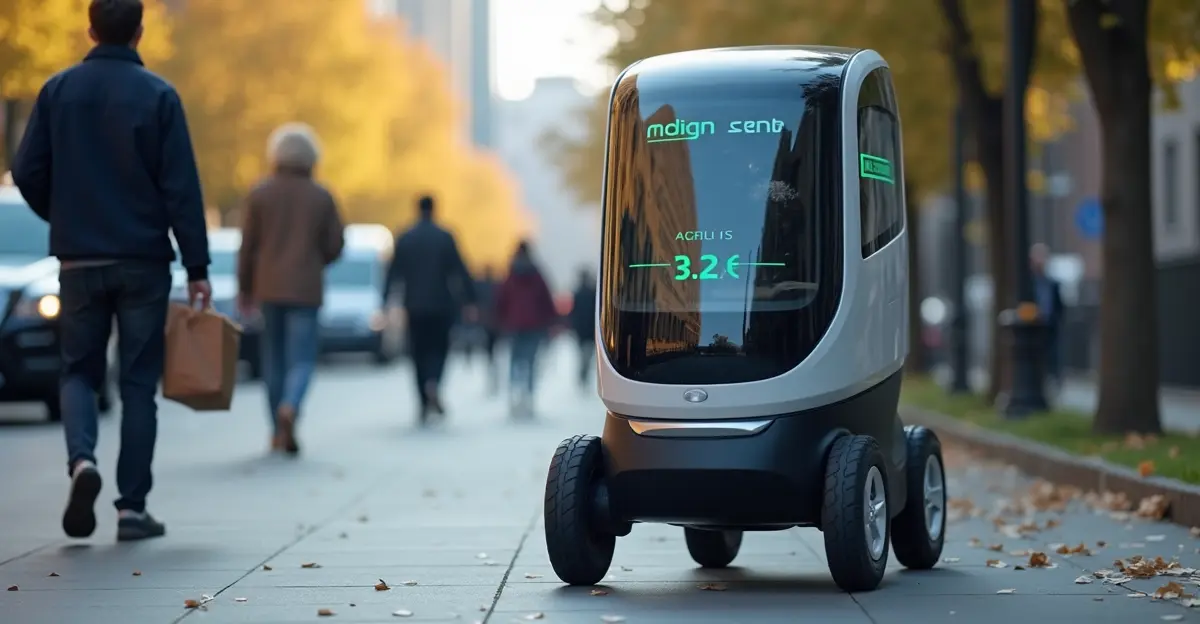
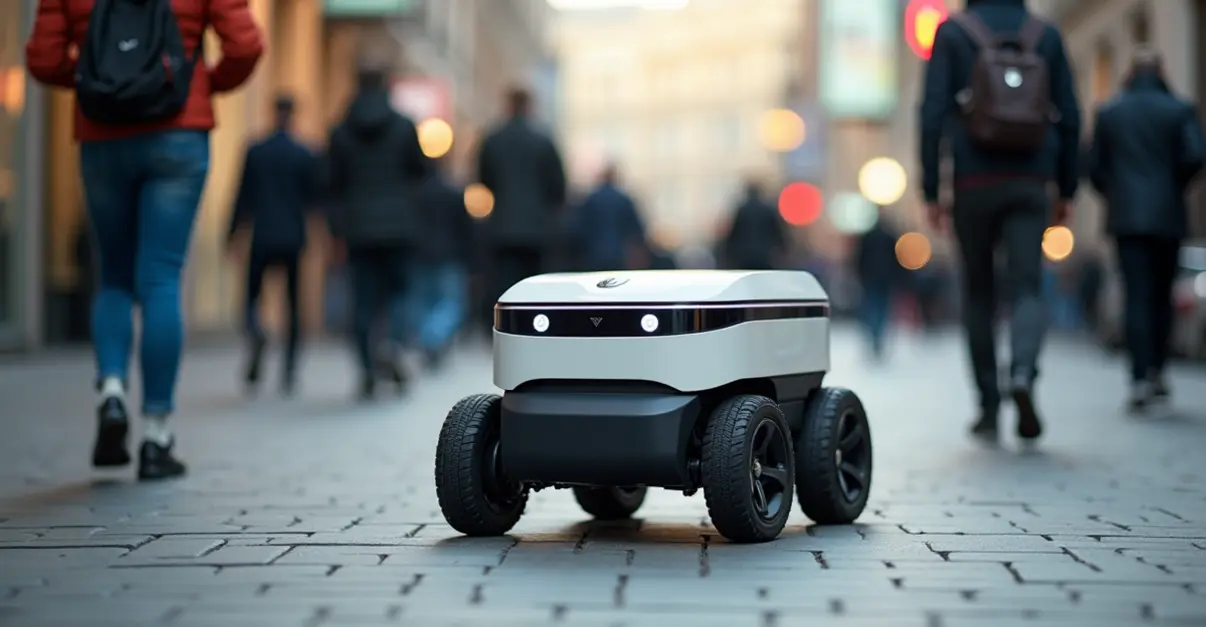
According to research from Policy Options, sidewalk robots used for last-mile deliveries pose significant risks to pedestrians, especially older adults, people with disabilities, and wheelchair users. Current robots typically weigh up to 45kg and travel at 7km/h, but faster and larger models are expected.
Key Components of Regulatory Trials
The trials focus on several critical areas:
Sidewalk Safety Rules: Cities are testing speed limits, designated operating zones, and right-of-way protocols. Washington D.C. has paused new permit applications while developing comprehensive rules addressing device size and sidewalk accessibility.
Vendor Compliance Requirements: Companies like Starship Technologies and Serve Robotics must demonstrate their robots can navigate complex urban environments safely. 'Compliance isn't just about following rules—it's about proving our technology enhances urban life,' says Michael Rodriguez, VP of Regulatory Affairs at Starship Technologies.
Public Feedback Integration: Municipalities are actively soliciting input from residents, disability advocacy groups, and business owners. 'The public needs a voice in how these technologies reshape our shared spaces,' notes urban planner Elena Martinez.
Market Growth Meets Regulatory Challenges
The autonomous delivery robot market is projected to grow from $796 million in 2025 to $3.24 billion by 2030, according to industry analysis. This rapid expansion creates regulatory fragmentation as companies operate across jurisdictions with different rules.
Starship Technologies, which recently raised $50 million in Series C funding, has completed over 9 million deliveries with its fleet of 2,700 robots. The company plans to expand to over 12,000 robots by 2027. 'Our success depends on working collaboratively with cities to establish sensible regulations,' says Ahti Heinla, co-founder of Starship Technologies.
Learning from Past Mistakes
City officials are determined to avoid repeating the reactive mistakes made with ride-sharing services. 'With Uber and Lyft, we were playing catch-up,' explains Toronto transportation director James Wilson. 'With delivery robots, we're being proactive—establishing frameworks before problems emerge.'
The Urban Robotics Foundation recommends comprehensive regulatory components including operating parameters, safety requirements, administrative frameworks, and public rights protection.
Federal and International Context
While cities lead on sidewalk regulations, federal agencies are also involved. The NHTSA proposed a new voluntary program called AV STEP for autonomous vehicles in January 2025, creating pathways for exemptions from safety standards.
Internationally, the EU's new Machinery Regulation effective January 2027 introduces autonomy thresholds and cybersecurity responsibilities. 'Global companies need consistent frameworks,' says compliance expert Dr. Robert Kim. 'Fragmented regulations increase costs and slow innovation.'
The Path Forward
Successful regulatory trials will likely include:
1. Sandbox testing environments where companies can demonstrate safety in controlled conditions
2. Modular compliance by design that allows for technological evolution
3. Stakeholder engagement processes that include disability advocates and community groups
4. Data sharing requirements that build public trust through transparency
'This isn't about stopping innovation—it's about guiding it responsibly,' concludes Dr. Chen. 'When done right, these regulations will enable safer, more accessible cities while supporting technological advancement.'
The coming months will be crucial as cities analyze trial results and develop permanent regulatory frameworks. The decisions made today will shape how autonomous technologies integrate into urban life for decades to come.