Nederlands
 English
 Deutsch
 Français
 Español
 Português





Sidewalk Robots Navigate New Regulatory Landscape
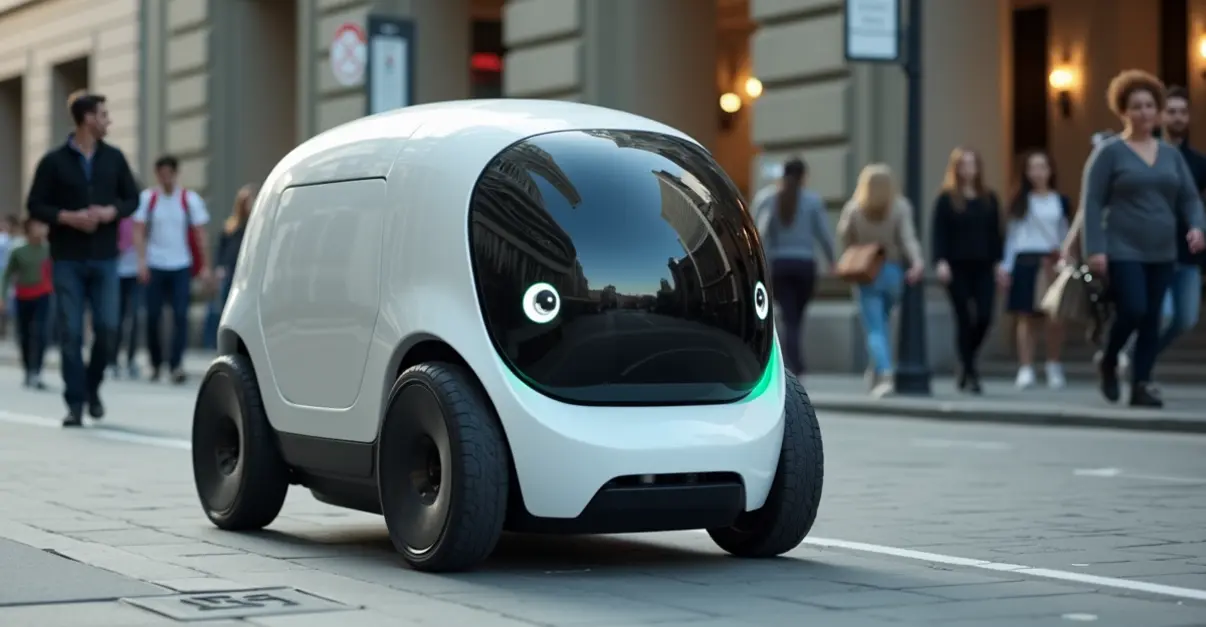
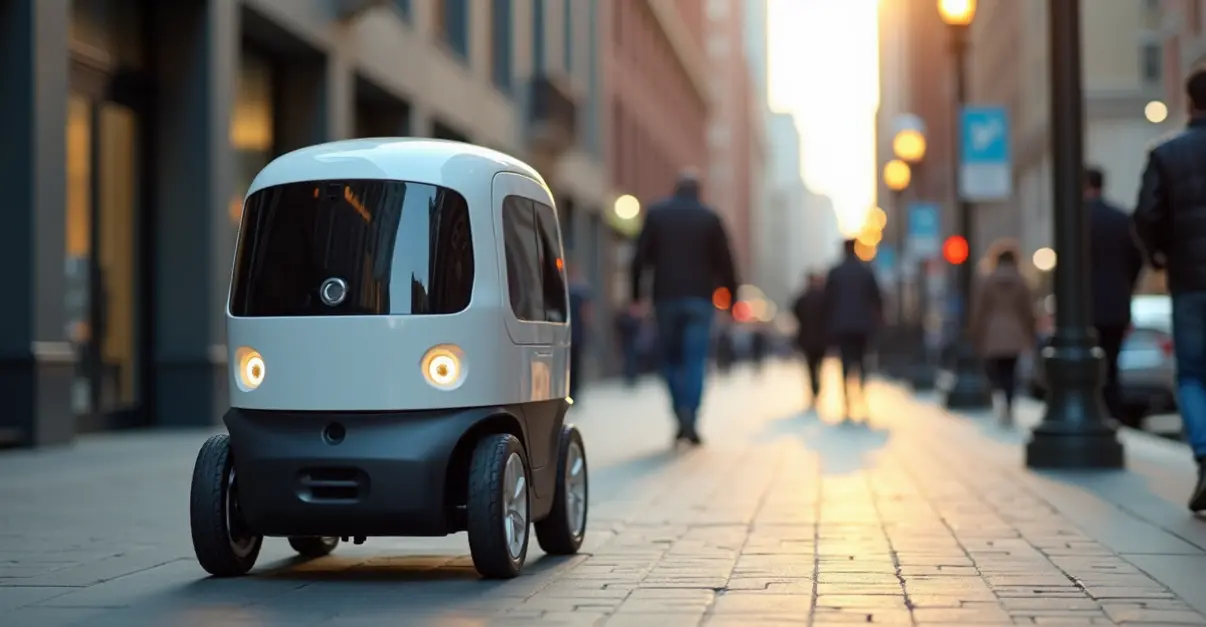
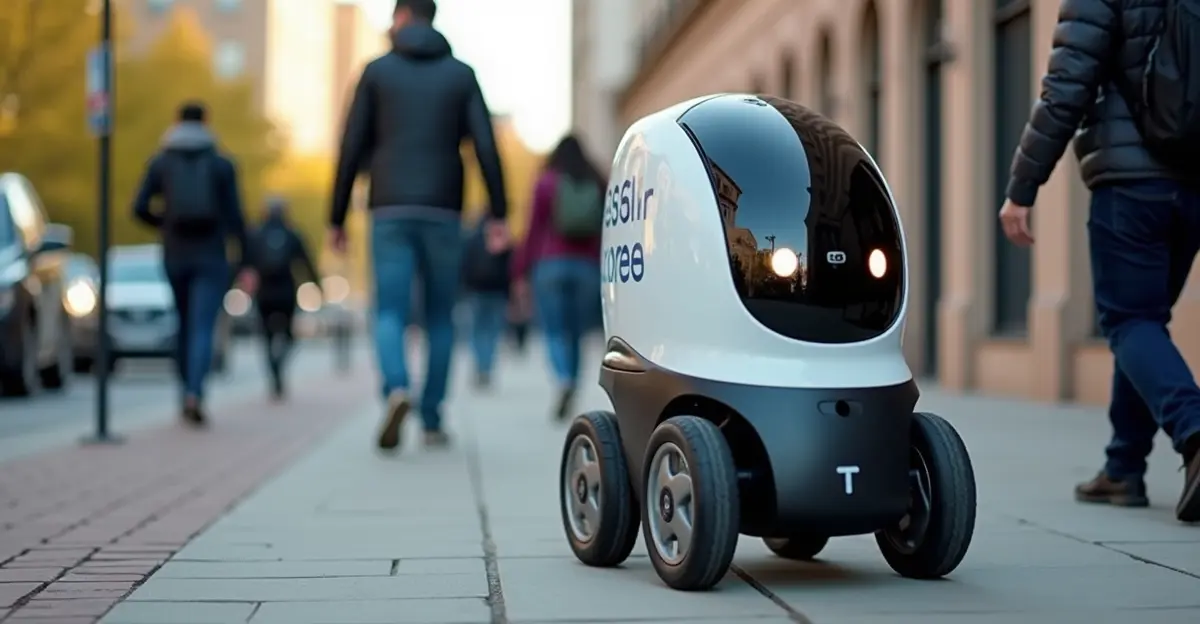
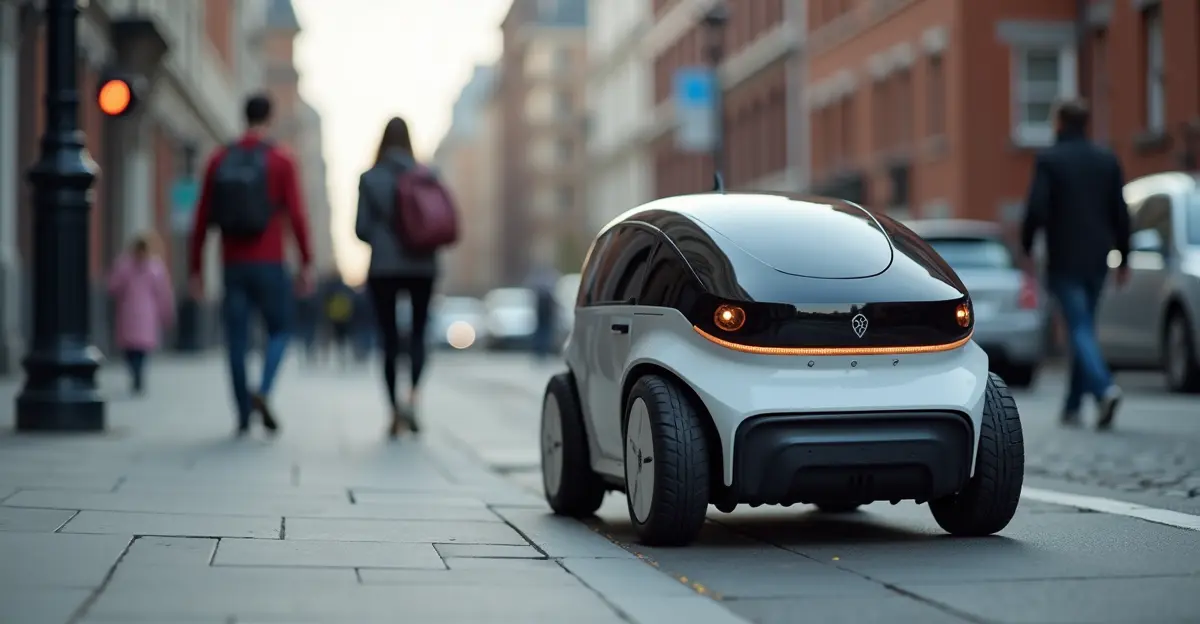
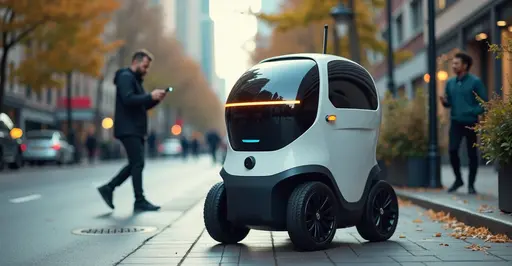
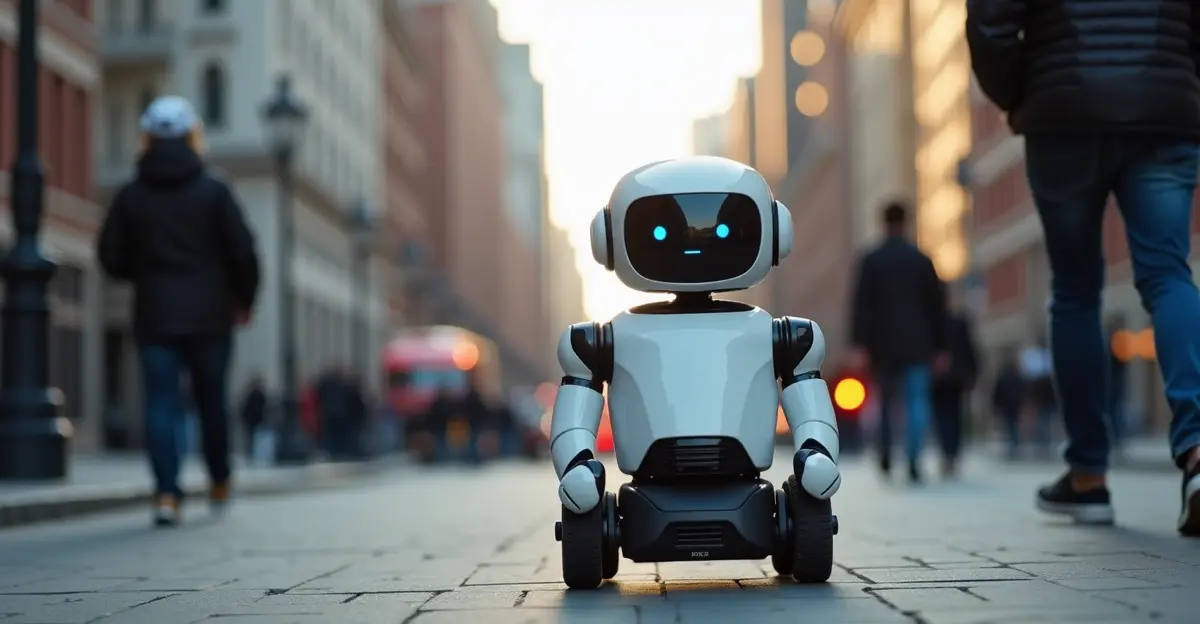
Autonomous delivery robots, once the stuff of science fiction, are now a common sight on city sidewalks from Los Angeles to Helsinki. These electric-powered machines from companies like Coco Robotics and Serve Robotics are transforming last-mile delivery, but they're facing increased regulatory scrutiny as cities implement new sidewalk safety rules. The rapid expansion from pilot programs to commercial operations has prompted what industry experts call a 'regulatory crossroads' for autonomous systems.
Safety Audits and Operational Area Restrictions
Recent incidents involving near-misses with pedestrians and accessibility barriers for wheelchair users have led to rigorous operational area audits. Cities are now requiring detailed safety assessments before granting permits for robot operations. 'We've seen documented cases where robots prevented wheelchair users from crossing streets safely,' says urban policy researcher Dr. Elena Martinez. 'This isn't just about convenience—it's about fundamental accessibility rights.'
According to a 2025 policy analysis, current robots weigh up to 45kg and travel at 7km/h, but industry advancements may bring larger, faster models. Some jurisdictions like Idaho and Florida already allow speeds up to 16km/h, significantly increasing injury risks. The article warns against repeating the reactive policymaking mistakes made with ride-sharing services, advocating instead for pre-emptive regulation based on comprehensive research.
Vendor Compliance Challenges
The regulatory landscape has become what industry leaders describe as a 'nightmare' for national expansion. By the end of 2022, at least 23 states had enacted legislation for sidewalk-roaming delivery bots, but with significant differences in weight limits (ranging from 80 to 500 pounds) and speed restrictions (4-10 mph). 'Every city seems to have different rules,' notes Serve Robotics CEO Ali Kashani. 'We need standardized regulations that prioritize safety while allowing innovation to flourish.'
The EU's new Machinery Regulation, effective January 2027, introduces autonomy thresholds, lifetime cybersecurity requirements, and collaborative risk mapping for robots working alongside humans. Meanwhile, the revised Product Liability Directive expands liability to include software defects in AI systems, with presumptions of defectiveness that manufacturers must rebut. Compliance experts emphasize that proactive compliance can transform regulatory challenges into strategic advantages.
Public Feedback and Community Engagement
Public acceptance remains a significant hurdle. Pilot programs in cities like Pittsburgh and Detroit revealed practical implementation problems, with some tests resulting in very few actual customer deliveries despite regulatory approval. 'People are curious but cautious,' observes urban planner Michael Chen. 'They want to know who's responsible if something goes wrong, and they're concerned about sidewalk congestion.'
Canadian cities like Toronto and Ottawa have already restricted sidewalk robots due to safety concerns, while other municipalities are implementing public feedback mechanisms. These include community forums, incident reporting systems, and regular safety reviews. 'We're learning that transparency builds trust,' says Coco Robotics spokesperson Sarah Johnson. 'When communities understand how the technology works and see the safety measures in place, acceptance increases significantly.'
The Future of Autonomous Delivery
Despite regulatory challenges, the autonomous delivery robot market continues to grow rapidly. Coco Robotics recently raised $80 million in strategic funding and has completed over 500,000 zero-emission deliveries, while Serve Robotics aims to deploy 2,000 units by year's end. The market is projected to reach $3.99-$8.68 billion by 2029, according to industry analysts.
The future of compliance is shifting from traditional safety checklists to comprehensive 'trust architectures' that integrate explainable AI, continuous behavioral auditing, cybersecurity, and post-market surveillance data. As research published in Transportation Research Part E notes, ADRs offer advantages over drones in multiple compartments, higher payload capacity, extended operational range, and more favorable regulatory frameworks.
'We're at a critical juncture,' concludes robotics policy expert Dr. James Wilson. 'Get the regulations right, and we unlock sustainable urban logistics. Get them wrong, and we risk public backlash that could stall innovation for years.' The coming months will be crucial as cities, companies, and communities work together to shape the future of sidewalk robotics.