Nederlands
 English
 Deutsch
 Français
 Español
 Português





Autonomous Sidewalk Robots Expand for Retail Deliveries
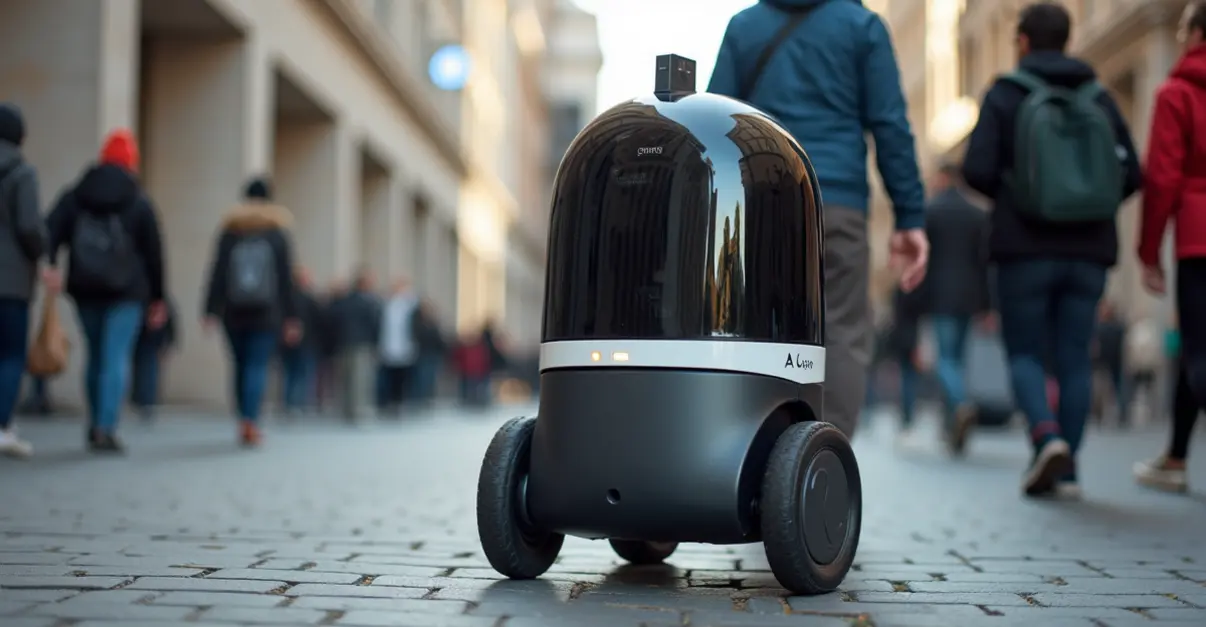
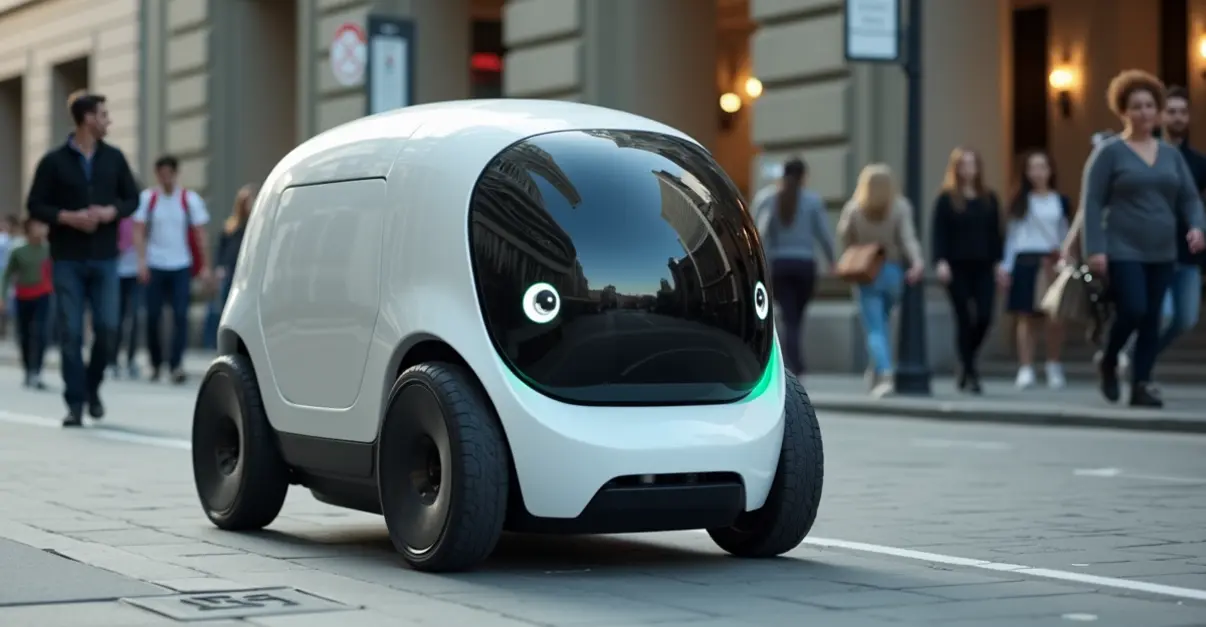
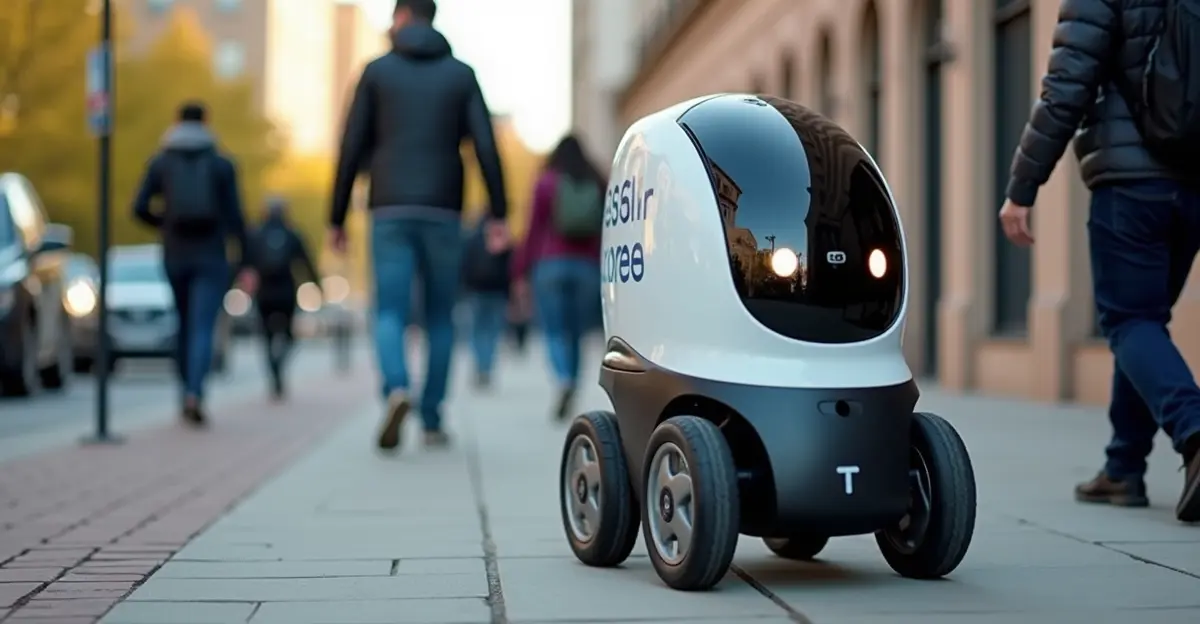
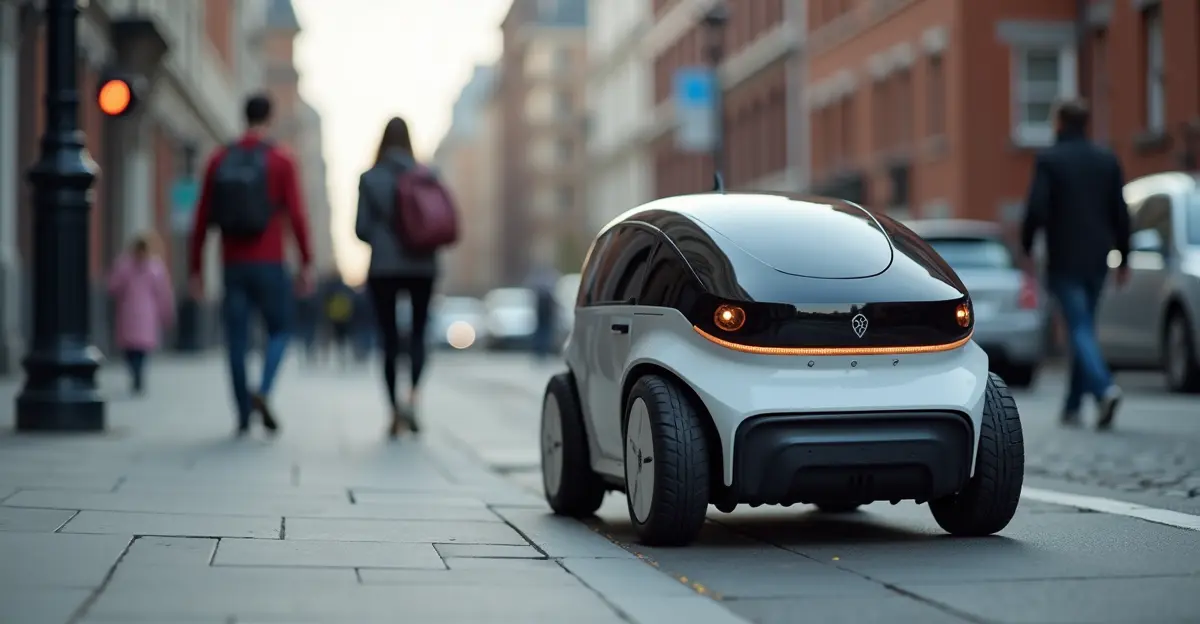
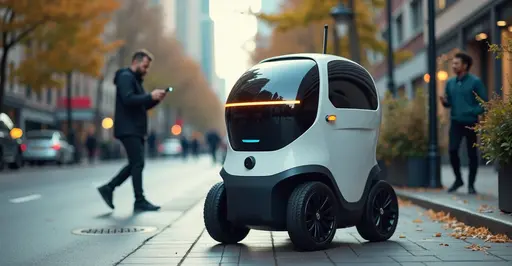
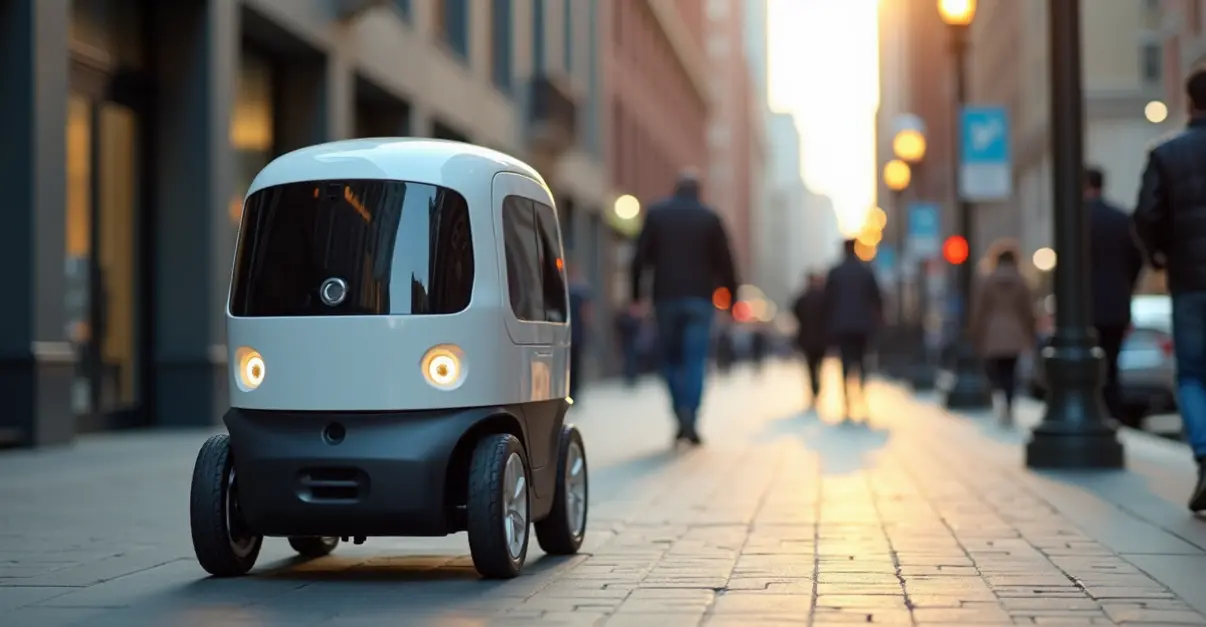
Autonomous sidewalk delivery robots are rapidly transitioning from pilot programs to commercial operations across major cities worldwide, transforming last-mile logistics for retail deliveries. Companies like Serve Robotics and Coco Robotics are deploying thousands of electric-powered robots in cities including Los Angeles, Dallas, Atlanta, Chicago, and Miami, with recent expansion to Helsinki, Finland. These cooler-sized robots navigate sidewalks using AI and sensors to deliver food, groceries, and packages, offering 24/7 services that reduce traffic congestion and lower emissions.
Safety Audits and Operational Areas Under Evaluation
As these robots proliferate, safety concerns have prompted rigorous operational area audits and regulatory scrutiny. 'Studies show these robots can impede pedestrian flow, cause discomfort, and create navigation challenges, with documented incidents including near-misses and accessibility barriers,' notes a recent analysis of sidewalk robot safety. Canadian cities like Toronto and Ottawa have already restricted sidewalk robots due to safety concerns raised by accessibility committees. Research indicates that collisions with larger robots traveling at higher speeds could cause severe injuries, especially to children.
The ANSI/A3 R15.06-2025 standards and ISO 10218-1:2025 provide updated safety frameworks, though these primarily address industrial robots. For sidewalk robots, cities are developing specific regulations. 'We need proactive policy frameworks before widespread adoption, emphasizing comprehensive research and regulation that prioritizes pedestrian safety over commercial interests,' argues a policy expert. Operational areas are being evaluated based on pedestrian density, sidewalk width, and accessibility requirements.
Commercial Models and Business Expansion
The commercial landscape is evolving rapidly. Coco Robotics recently raised $80 million in strategic funding, bringing its total funding to over $120 million, and has completed over 500,000 zero-emission deliveries. 'The funding will help advance Coco's AI platform, scale its fleet, and grow enterprise partnerships,' said a company representative. The company plans to deploy thousands of vehicles by the end of 2025. Serve Robotics, partnering with Uber Eats, aims to deploy 2,000 units by year's end.
Business models vary: some companies charge per delivery fee to retailers or platforms like Uber Eats and DoorDash, while others offer subscription services. The autonomous delivery robot market is projected to reach $3.99-$8.68 billion by 2029. 'These robots offer a capital-efficient approach focusing on sidewalk navigation rather than street-legal vehicles, reducing costs compared to traditional delivery methods,' explains an industry analyst. Partnerships with major retailers and food delivery platforms are driving scale.
Technological Challenges and Future Outlook
Navigation remains a key challenge. Research like the paper 'Robust Route Planning for Sidewalk Delivery Robots' addresses developing reliable algorithms for dynamic sidewalk environments with pedestrian traffic and obstacles. Robots use a combination of AI, computer vision, and remote human supervision for complex situations.
Looking ahead, the industry faces regulatory hurdles, public acceptance, and infrastructure adaptation. However, the trend points toward hybrid models combining sidewalk robots with drones and autonomous vehicles. 'Autonomous delivery robots are quietly shaping the future of urban robotics, with continued investment expected to drive widespread adoption by 2030,' predicts a tech reporter. As safety audits refine operational areas and commercial models mature, these robots are poised to become a common sight in urban landscapes, revolutionizing retail deliveries while navigating the delicate balance between innovation and public safety.