


 Deutsch
 English
 Español
 Français
 Nederlands
 Português


 Share
Share




Suburban Delivery Robot Trials Face Scrutiny
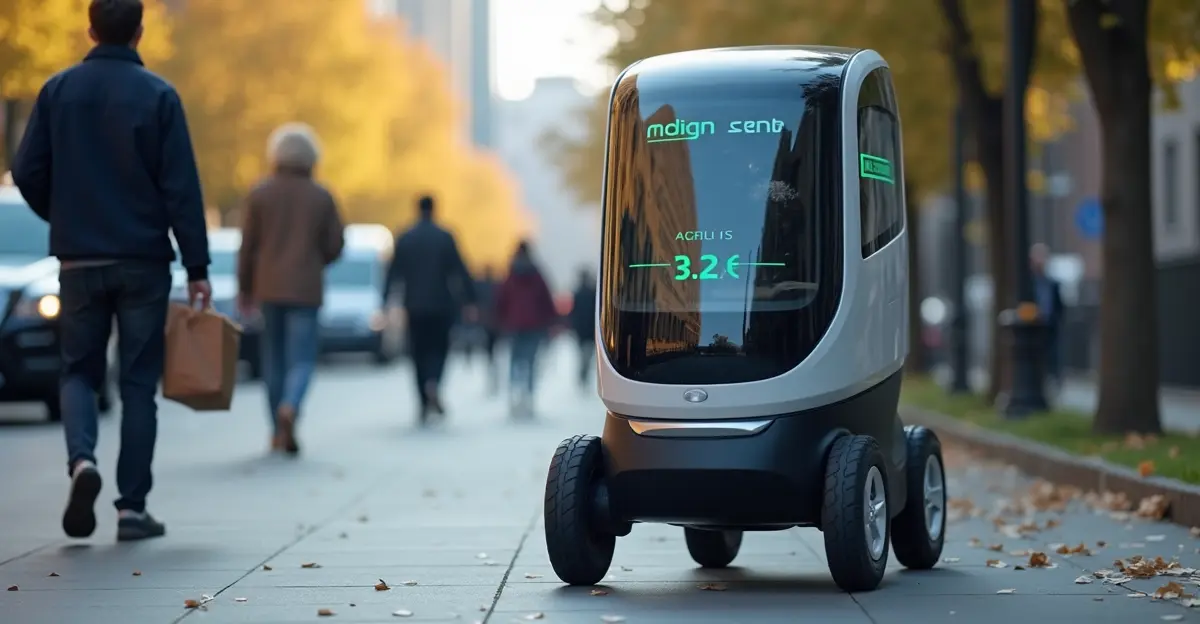
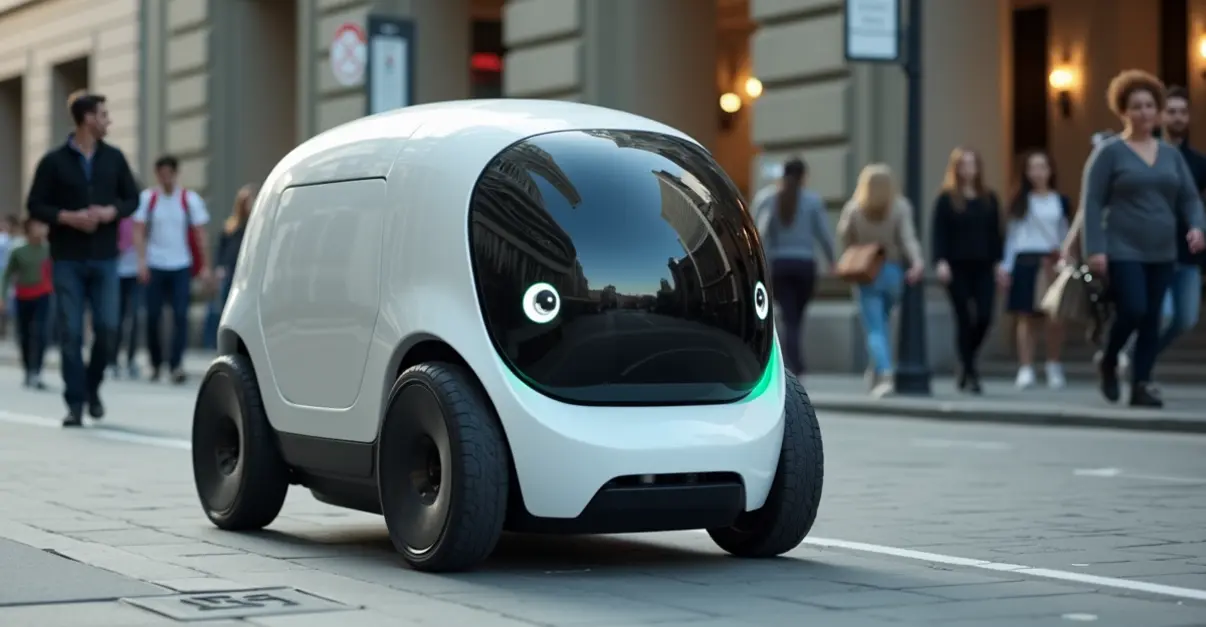
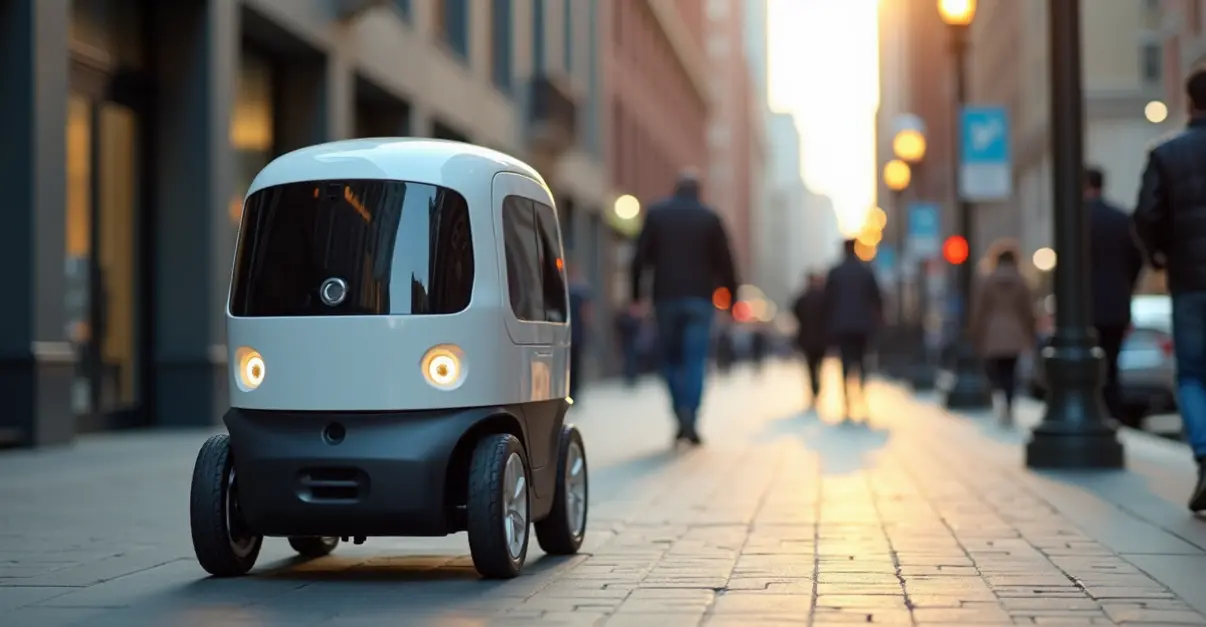
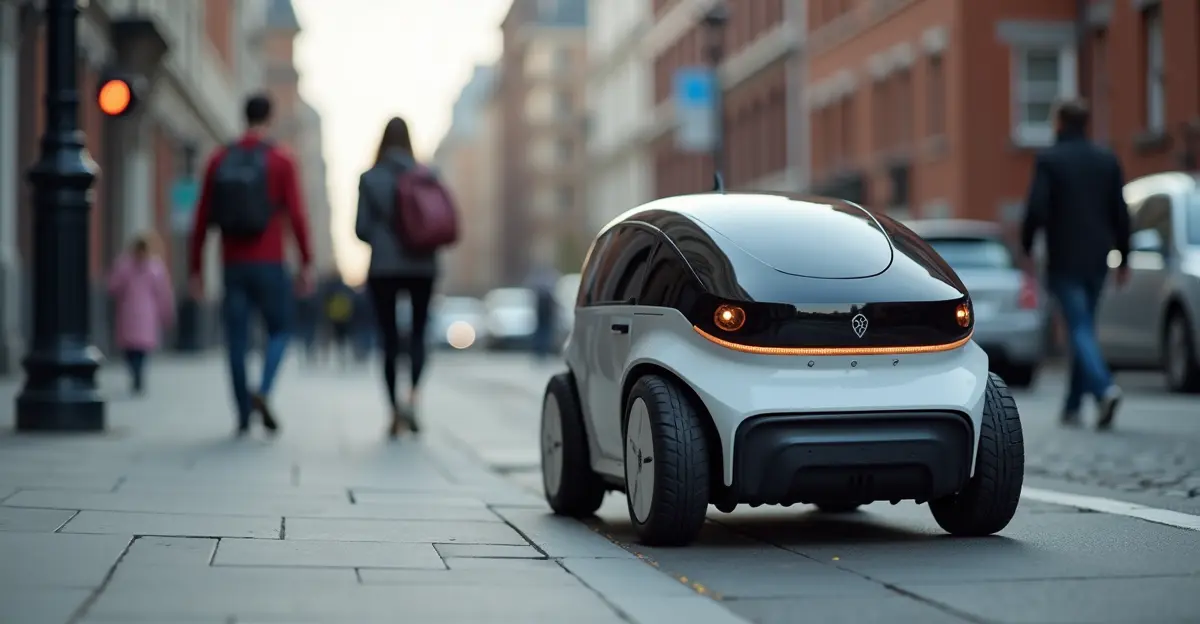
Autonomous delivery robots are rapidly expanding from urban centers to suburban neighborhoods, but the rollout is raising significant safety questions as communities grapple with sidewalk regulations and pedestrian accessibility concerns. Major players like Starship Technologies and Kiwibot are leading the charge into residential areas, with Starship's 2,700 robots having completed over 9 million deliveries globally.
Safety Incidents Prompt Regulatory Action
Recent incidents have highlighted the potential dangers of sidewalk robots. "If I had been on crutches, I would have fallen," said Mark Chaney-Gay, a West Hollywood man with cerebral palsy who experienced a collision with a Serve Robotics delivery robot. Research from Northern Arizona University documented 40 dangerous near-miss incidents in just five days, with robots typically at fault.
Vendor Expansion and Market Growth
The delivery robot market is projected to grow from $0.4 billion in 2025 to $0.77 billion by 2029, according to market analysis. Starship Technologies recently raised $50 million to expand into American cities, with plans to scale to over 12,000 robots by 2027. "Our robots have become part of the community fabric in cities like Milton Keynes," said Starship co-founder Ahti Heinla.
Accessibility Concerns for Vulnerable Groups
Pedestrian advocates warn that delivery robots pose particular risks for older adults, people with disabilities, and wheelchair users. "These robots are creating new forms of marginalization while claiming to provide convenience," noted accessibility researcher Dr. Sarah Chen. Some jurisdictions like Toronto and Ottawa have already banned sidewalk robots due to safety concerns, while others are implementing speed limits and designated operating zones.
Regulatory Landscape Evolving
Cities across North America are developing regulations similar to those implemented for electric scooters. Coral Gables is considering creating designated "corrals" for robots, while other municipalities require robots to yield to pedestrians and limit operating speeds. "We need proactive policies before widespread adoption creates irreversible safety hazards," emphasized urban planning expert Michael Rodriguez.
Future Outlook
As autonomous delivery technology advances, the industry faces a critical balancing act between commercial opportunity and public safety. With major vendors planning suburban expansions throughout 2025, communities must establish clear guidelines to ensure these robots enhance rather than endanger neighborhood life.

Follow Discussion