


 Deutsch
 English
 Español
 Français
 Nederlands
 Português


 Share
Share




Autonomous Sidewalk Robot Regulation Drafted Across Cities
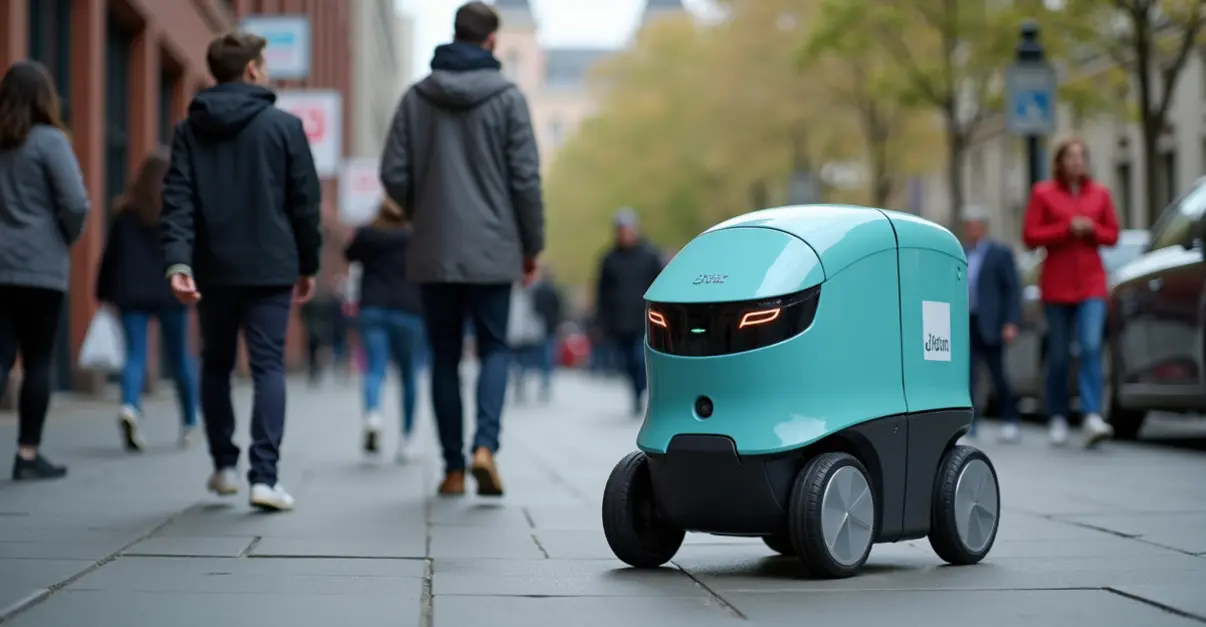
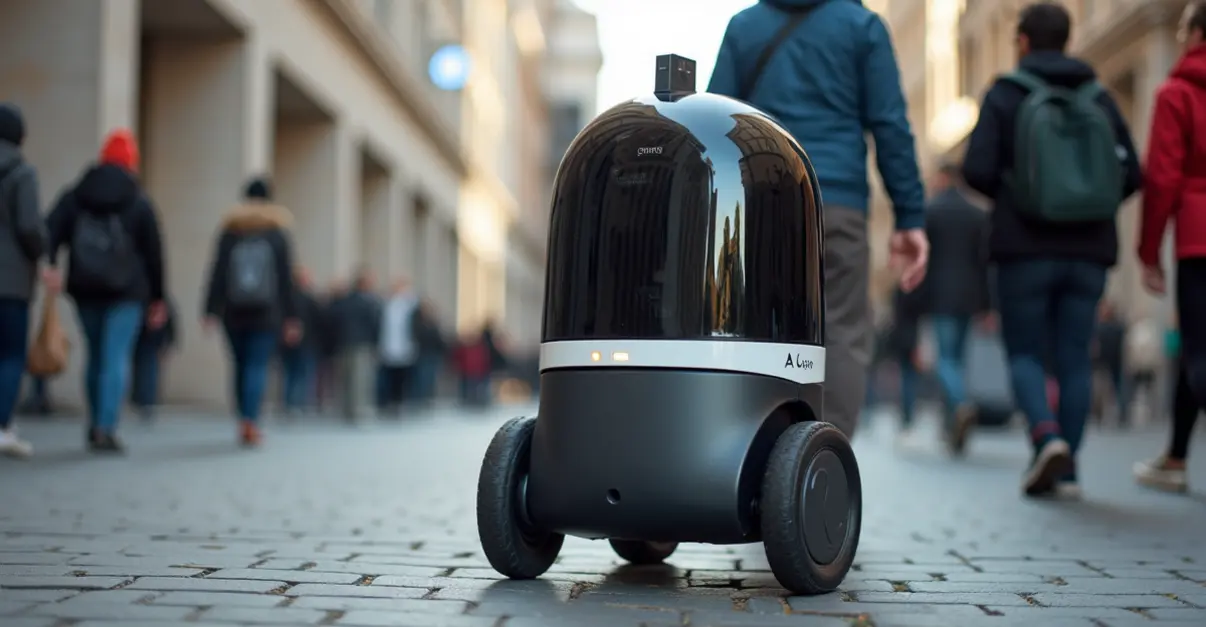
Municipal governments across North America are racing to draft comprehensive regulations for autonomous sidewalk delivery robots, creating a complex patchwork of rules that could shape the future of last-mile logistics. The regulatory push comes as companies like Starship Technologies, Serve Robotics, and DoorDash's 'Dot' expand their fleets, prompting concerns about pedestrian safety, accessibility, and urban space management.
The Regulatory Landscape Takes Shape
In Washington D.C., the District Department of Transportation (DDOT) has paused new permit applications while developing comprehensive regulations addressing device size, sidewalk accessibility, and multi-operator interactions. 'Dimensions and sidewalk width are as important as weight,' a DDOT spokesperson emphasized during an October 2025 council hearing. The hearing considered raising the weight limit for sidewalk delivery robots from 90 to 275 pounds, with industry representatives arguing that newer, more efficient devices weigh around 225 pounds and offer longer range and larger cargo capacity.
Meanwhile, Tennessee lawmakers are advancing a DoorDash-backed bill that would allow low-speed autonomous delivery robots to operate on certain roadways, including bike lanes and crosswalks. The legislation, sponsored by Sen. Becky Massey and Rep. David Hawk, would double the existing speed limit for delivery robots to 20 mph and expand their permitted travel areas beyond sidewalks.
Safety Concerns Drive Policy Development
Safety advocates are raising alarms about the rapid deployment of these autonomous devices. Studies show documented incidents of dangerous near-misses and accessibility barriers, including cases where robots have blocked wheelchair users from accessing sidewalks. 'These sidewalk robots pose significant risks to pedestrians, particularly older adults, people with disabilities, and wheelchair users,' according to research cited in a Policy Options article. Speed is a major concern, with some jurisdictions allowing robots up to 16 km/h, while crash tests show larger robots at 11 km/h can cause severe injuries to children.
Canadian cities like Toronto and Ottawa have already restricted sidewalk robots due to safety concerns, creating an early template for more cautious regulatory approaches. The Restaurant Association of Metropolitan Washington has supported regulatory changes, citing potential economic benefits for restaurants facing tight margins.
Market Implications and Industry Response
The global autonomous delivery robot market is projected to grow significantly, with estimates ranging from $796 million in 2025 to $3.24 billion by 2030, according to Robotics and Automation News. However, the proliferation of state-level regulations creates a compliance 'nightmare' for companies trying to operate delivery robot services across multiple jurisdictions.
'This regulatory fragmentation poses a major obstacle to the widespread adoption of autonomous delivery technology,' notes a Supply Chain Dive analysis. Companies must navigate varying rules about speed limits, weight restrictions, operating zones, and insurance requirements as they expand beyond pilot programs.
Key Regulatory Components Emerging
According to the Urban Robotics Foundation, comprehensive regulations should include several key components:
- Operating parameters: Speed limits, designated areas, and time restrictions
- Safety requirements: Emergency stop mechanisms, collision avoidance systems, and visibility standards
- Administrative frameworks: Permitting processes, insurance requirements, and operator accountability
- Public rights protection: Accessibility guarantees, privacy safeguards, and public space preservation
Early adopter cities like San Francisco have learned that flexible but firm regulations, starting with pilot projects, and engaging diverse stakeholders are essential for balanced policy development.
Community Impact and Future Outlook
The regulatory debate extends beyond technical specifications to fundamental questions about urban space allocation. 'Cities need proactive regulatory approaches, coordinated governance across departments, and dedicated robotics oversight to balance innovation with public safety and accessibility,' argues the Urban Robotics Foundation.
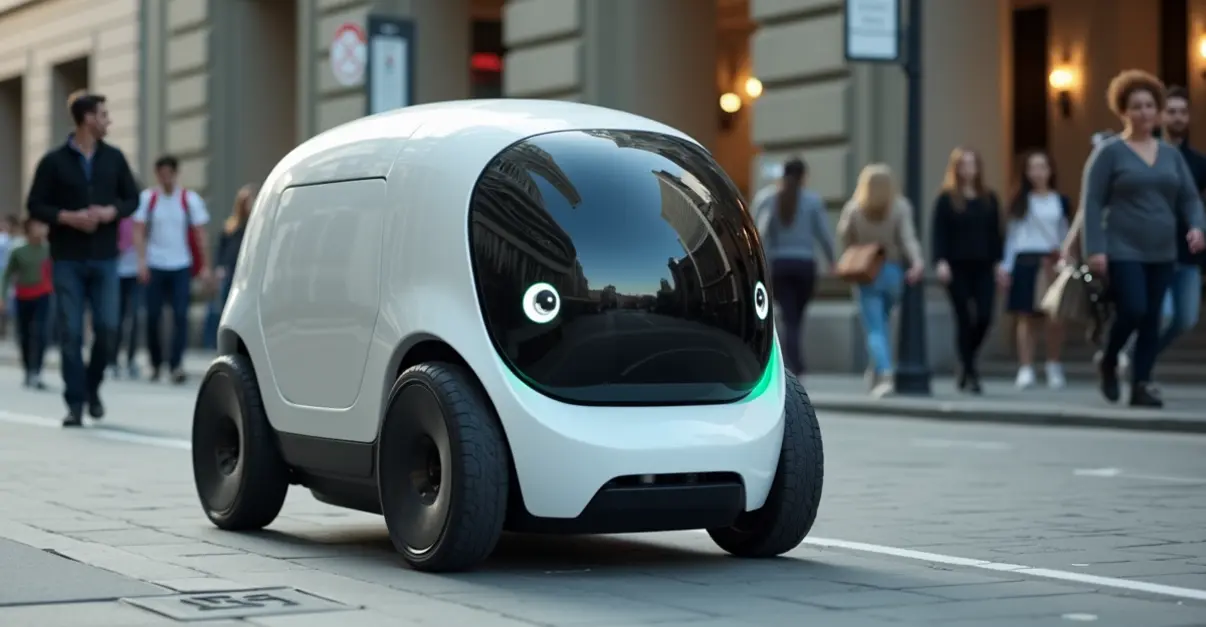
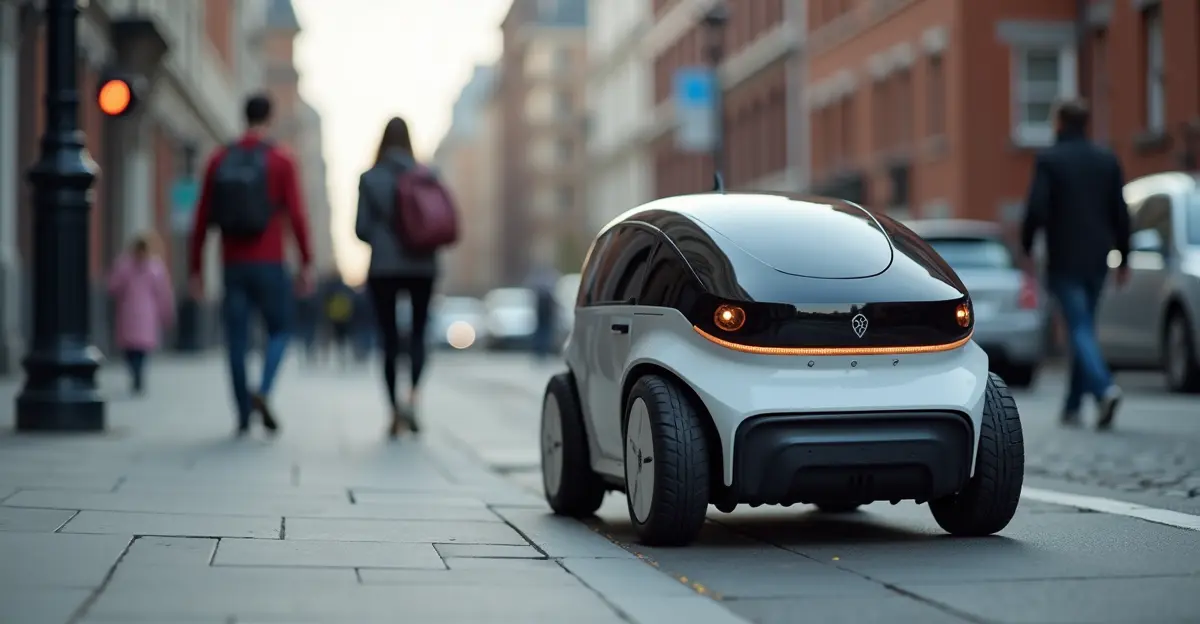
As cities draft their regulations, they're considering not just current technology but future developments. The robots themselves are evolving rapidly - DoorDash's 'Dot' robot weighs 350 pounds and can carry 30-pound loads, while newer models promise even greater capabilities. This technological advancement creates a moving target for regulators trying to establish lasting frameworks.
The coming year will likely see more cities following D.C.'s lead in pausing permits while developing comprehensive regulations. The challenge will be creating rules that protect public safety without stifling innovation in a market that promises to transform last-mile delivery while potentially creating new accessibility challenges for urban residents.

Follow Discussion