Nederlands
 English
 Deutsch
 Français
 Español
 Português
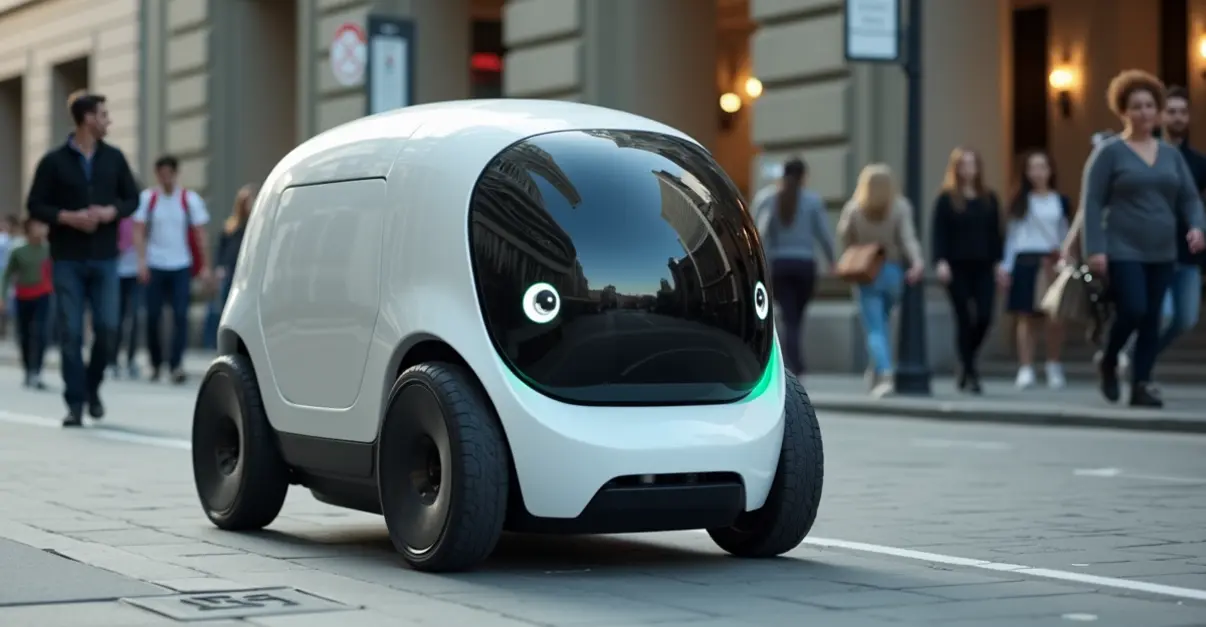





Sidewalk Robots Multiply as Cities Grapple with Safety Rules
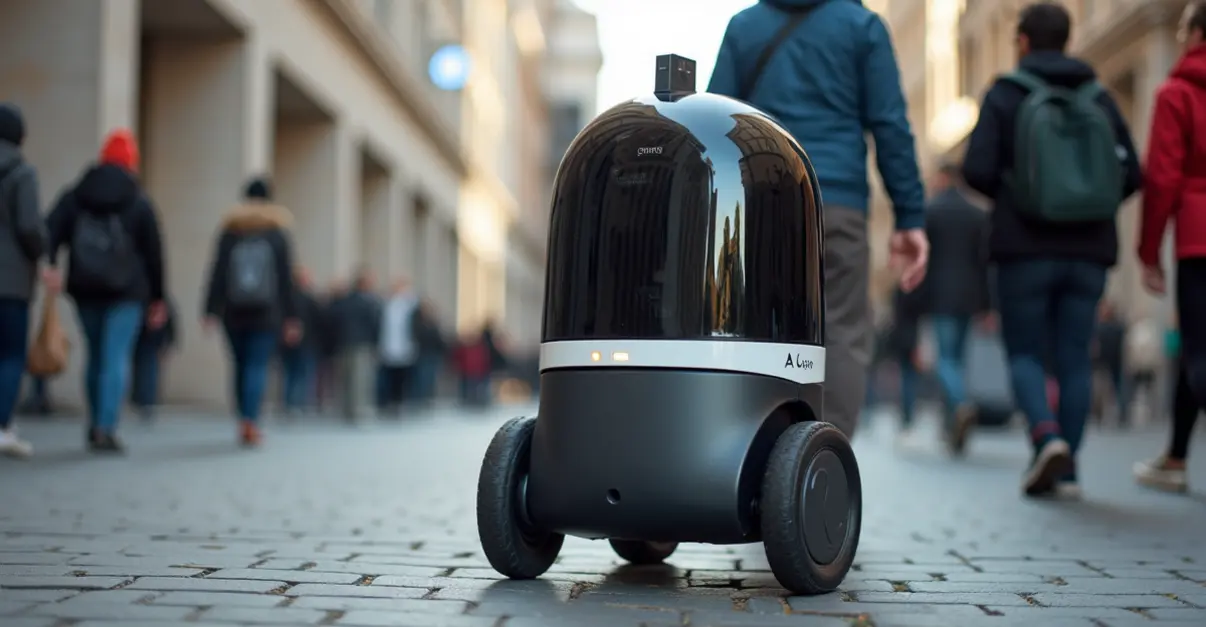
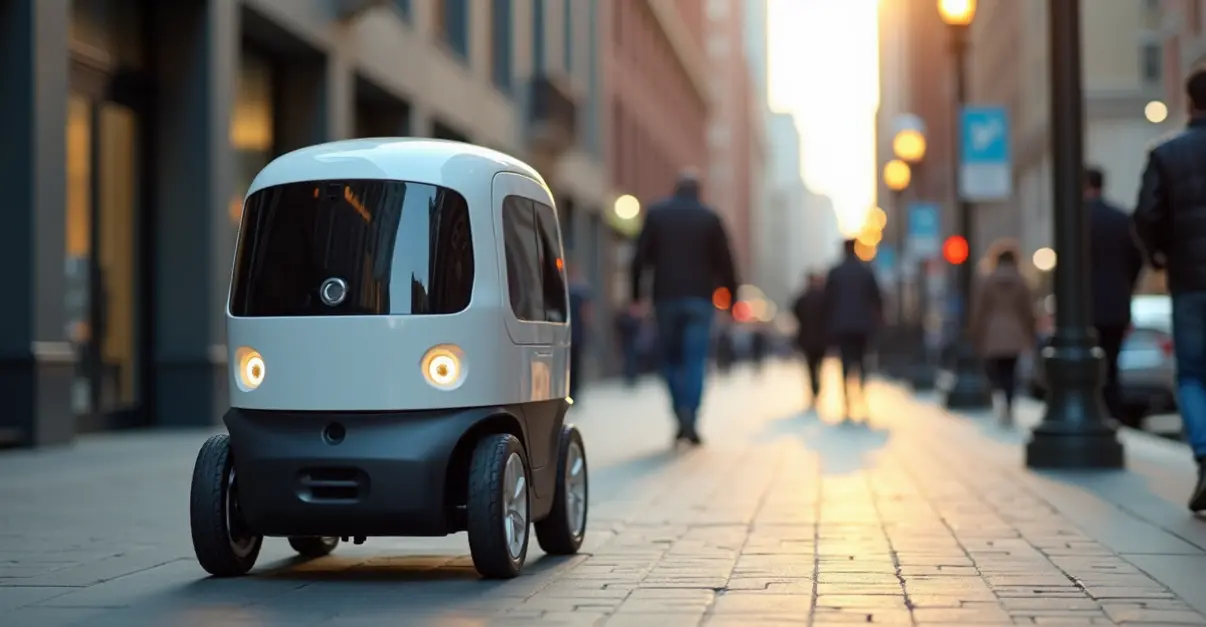
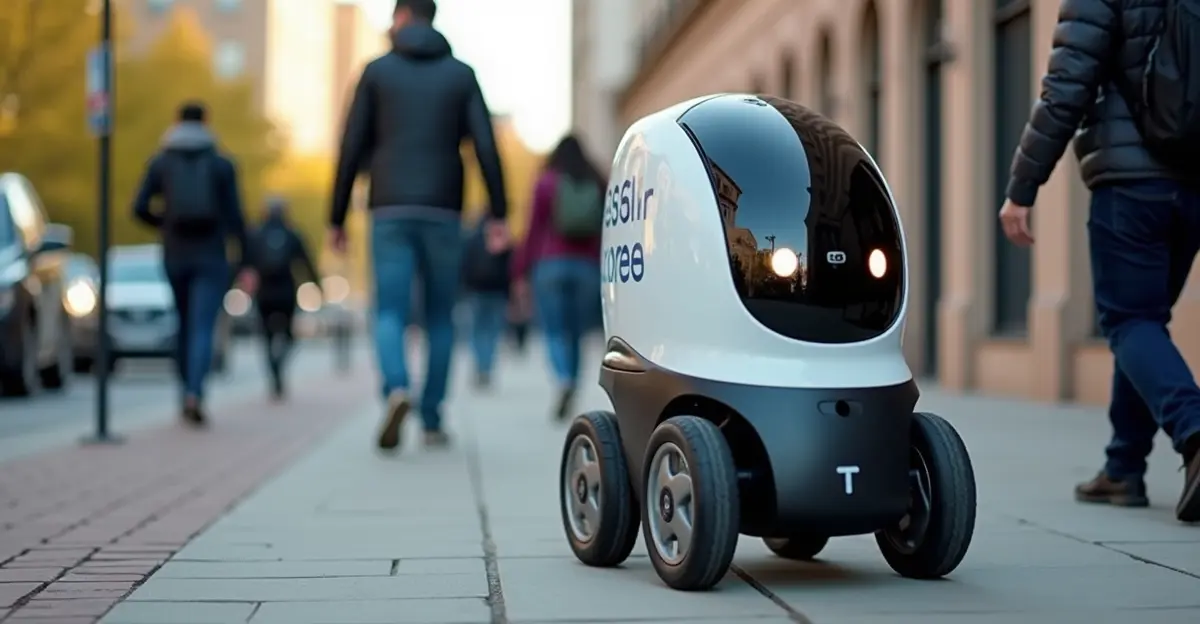
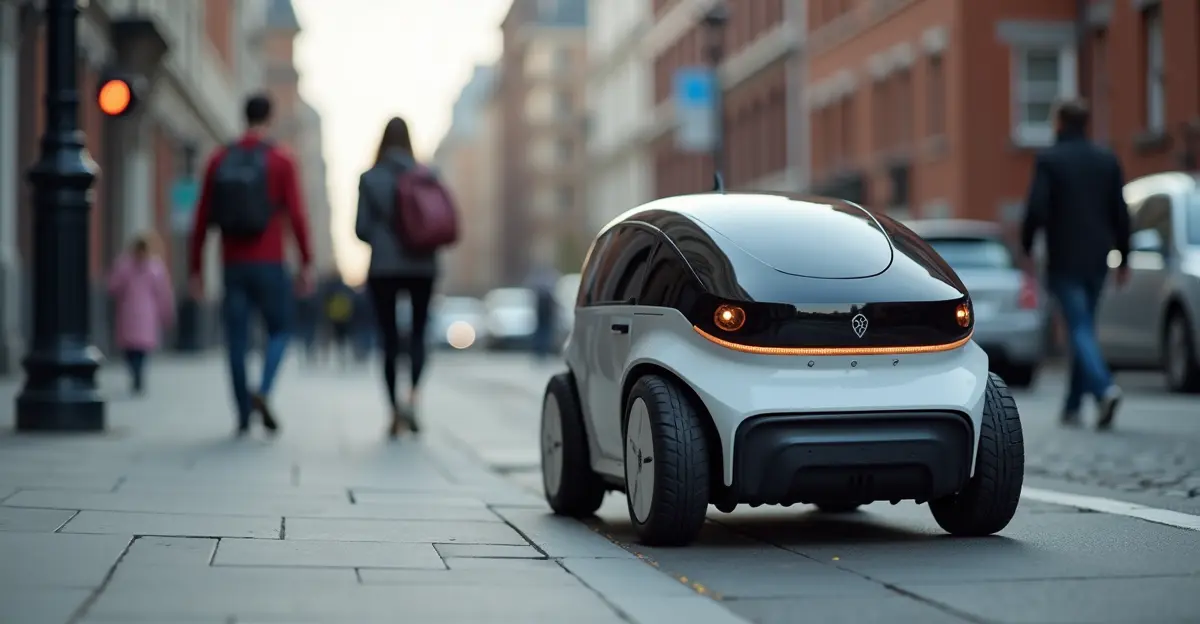
Autonomous delivery robots are rapidly expanding across urban landscapes, with major deployments now active in multiple U.S. cities including Los Angeles, Atlanta, Dallas-Fort Worth, Miami, Chicago, and Alexandria, Virginia. The technology, once confined to university campuses and business parks, is hitting mainstream sidewalks at an unprecedented pace. 'We've deployed over 2,000 robots this year alone, creating the largest sidewalk delivery fleet in the United States,' says a spokesperson for Serve Robotics, one of the leading companies in the space. 'Our goal is to make last-mile delivery more efficient, sustainable, and accessible.'
Vendor Models and Market Dynamics
The autonomous delivery landscape features several competing models. Serve Robotics partners with Uber Eats and DoorDash, giving it access to over 80% of the U.S. food delivery market. Starship Technologies, another major player, boasts over 8 million deliveries worldwide and operates primarily on college campuses. Nuro focuses on road-legal pods with regulatory exemptions, while Coco Robotics targets dense urban environments. The global delivery robots market is projected to reach $3.24 billion by 2030, growing at a compound annual rate of 32%.
These robots typically weigh up to 45kg and travel at speeds around 7 km/h, though some jurisdictions allow speeds up to 16 km/h. They use multi-camera arrays, radar, LiDAR, and Level-4 autonomy stacks with remote teleoperation support for tricky situations. 'The technology has matured significantly,' notes an industry analyst. 'Completion rates are now above 99%, and unit economics are approaching parity with human couriers.'
Safety Concerns and Regulatory Challenges
As robots multiply, cities face urgent safety questions. Studies have documented dangerous near-misses, with robots blocking wheelchair access and creating hazards for visually impaired individuals. Research shows that even current models can cause injuries, and future larger, faster robots will increase collision risks. Canadian cities like Toronto and Ottawa have already restricted sidewalk robots due to safety concerns.
'We need proactive policy frameworks before widespread adoption leads to serious problems,' argues a transportation policy expert. 'Cities must learn from past mistakes with ride-sharing services and develop inclusive regulations that prioritize pedestrian safety and accessibility.' Coral Gables, Florida, is currently weighing regulations after robots appeared on city sidewalks, with officials concerned about devices blocking crosswalks and crowding pedestrians on narrow walkways.
Ridership Acceptance and Public Perception
User acceptance varies significantly based on demographics and location. A comprehensive 2025 review identified common factors influencing acceptance for both drone and sidewalk robot deliveries. Convenience, reliability, and environmental benefits drive positive perceptions, while safety concerns and privacy issues create resistance. 'Acceptance isn't uniform,' explains the study's lead author. 'Younger urban dwellers are generally more receptive, while older adults and people with disabilities express greater concern about sidewalk safety.'
The robots produce zero tailpipe emissions and help reduce traffic congestion, which appeals to environmentally conscious consumers. However, their presence on sidewalks raises questions about shared public space. 'We're seeing the same pattern as with e-scooters,' observes a city planner. 'Technology outpaces regulation, and communities must decide how to balance innovation with public safety.'
Future Expansion and Industry Outlook
Serve Robotics plans to expand into additional cities in early 2026, with Buckhead, Georgia, and Alexandria, Virginia, slated for year-end launches. The company sees significant growth potential in groceries, convenience items, small parcels, and return logistics. Other vendors are exploring airports, hospitals, and mixed-use developments.
Despite rapid growth, challenges remain. Edge-case navigation in complex urban environments, weather durability, curb management, and vandalism prevention continue to test the technology. Regulatory frameworks remain highly localized, with insurance and accessibility compliance as ongoing concerns. 'The industry is at a critical juncture,' concludes a robotics foundation director. 'Successful integration requires coordinated governance, stakeholder engagement, and regulations that protect public rights while fostering innovation.'
As autonomous delivery trials expand to multiple cities, the conversation shifts from whether the technology works to how society will accommodate it. The coming year will likely see more cities developing comprehensive regulations, more vendors entering the market, and continued debate about the future of our sidewalks.