Nederlands
 English
 Deutsch
 Français
 Español
 Português
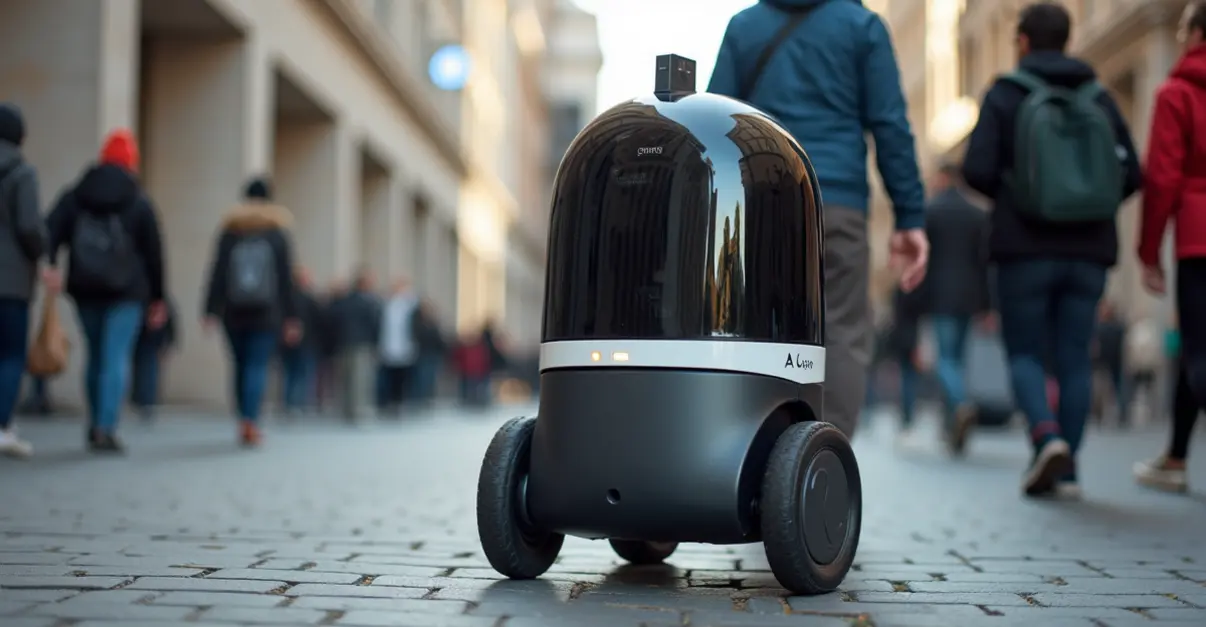





Autonomous Delivery Robots Hit More City Sidewalks
As cities across North America and Europe expand trials of sidewalk delivery robots, a complex debate is unfolding about safety regulations, vendor models, and urban integration. What began as a novelty on college campuses has evolved into a serious logistics solution, with companies like Starship Technologies reporting over 9 million deliveries completed by their fleet of 2,700 robots.
The Safety Imperative
Municipal governments are grappling with how to regulate these autonomous devices that occupy a unique space between vehicles and pedestrians. 'We cannot afford to repeat the mistakes made with ride-sharing services,' warns urban policy researcher Dr. Elena Martinez, referencing the reactive approach many cities took with Uber and Lyft. 'Proactive regulation based on comprehensive safety research is essential before wider adoption creates systemic problems.'
According to a 2025 policy analysis, delivery robots pose particular risks to vulnerable populations including older adults, people with disabilities, and wheelchair users. Studies have documented dangerous near-misses, with robots often at fault in conflicts with pedestrians. Toronto and Ottawa have already implemented restrictions on sidewalk robots due to safety concerns.
Leading Vendor Models
The market is dominated by several key players, each with distinct approaches. The Delivery Robots Company Evaluation Report 2025 identifies JD.com, Starship Technologies, and Nuro as quadrant leaders in the global autonomous delivery market.
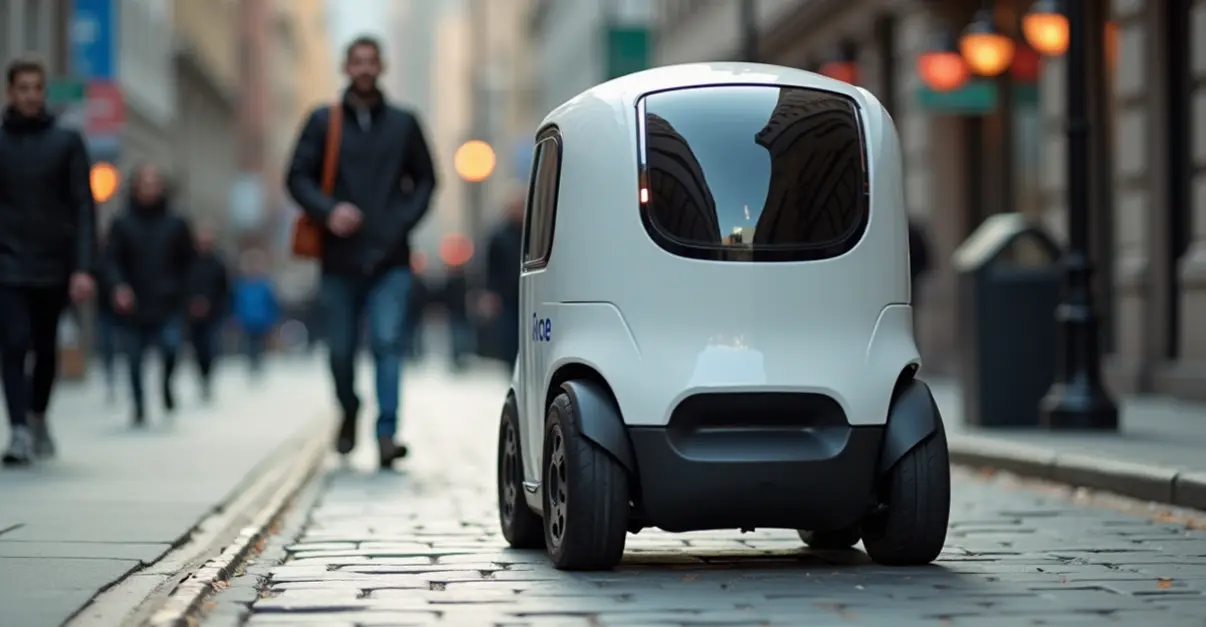
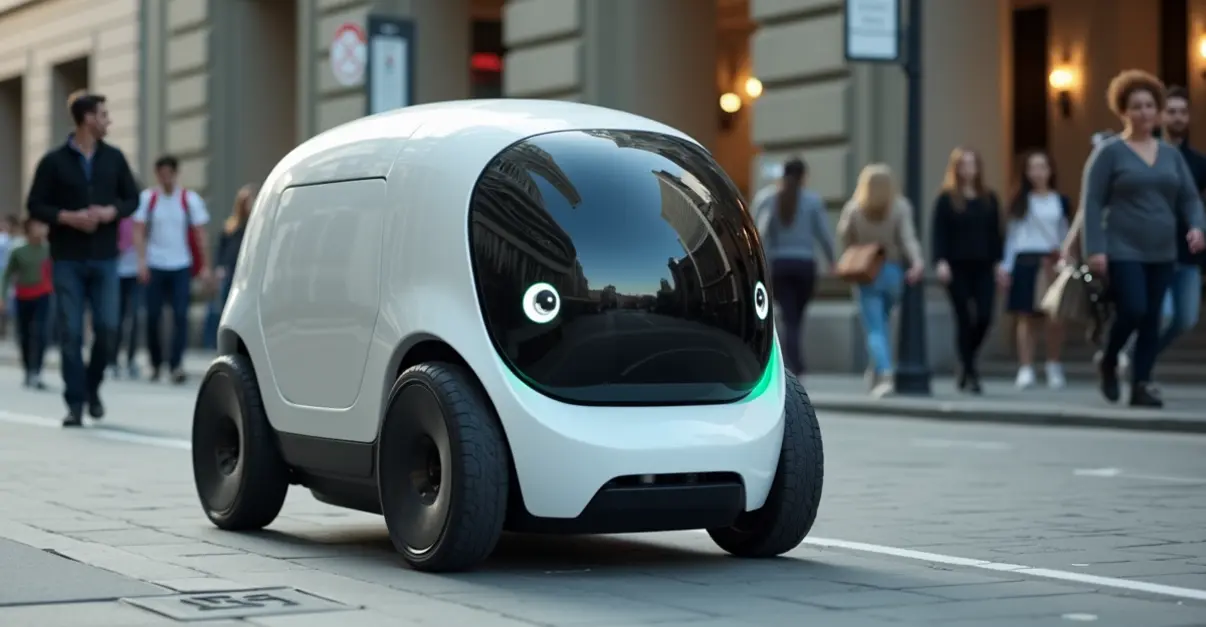
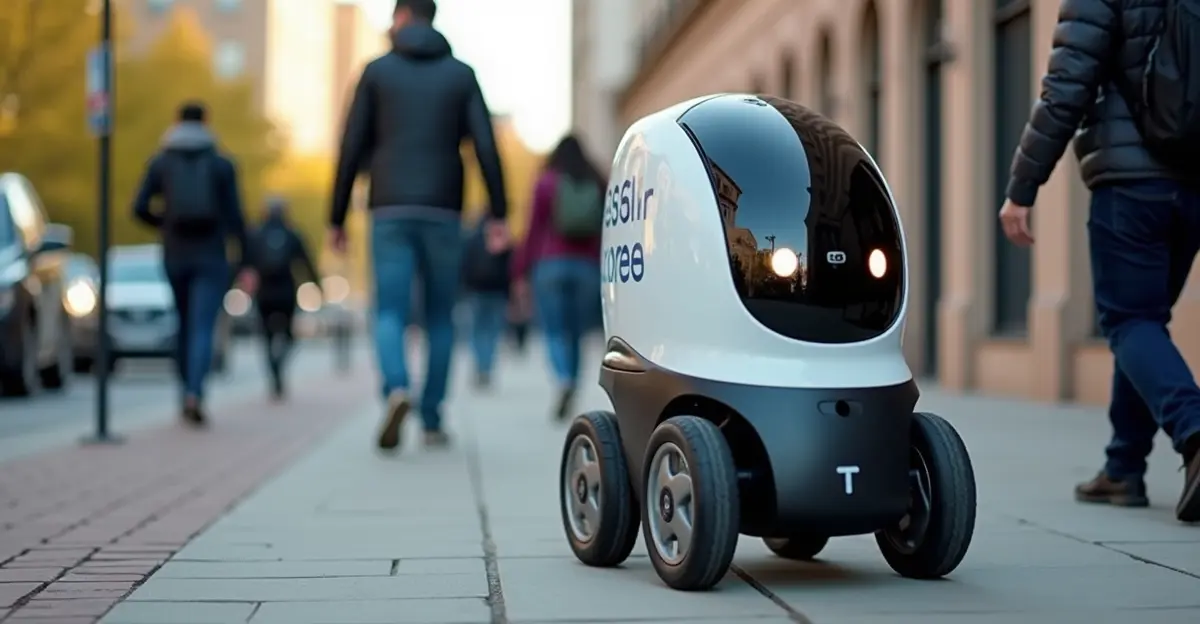
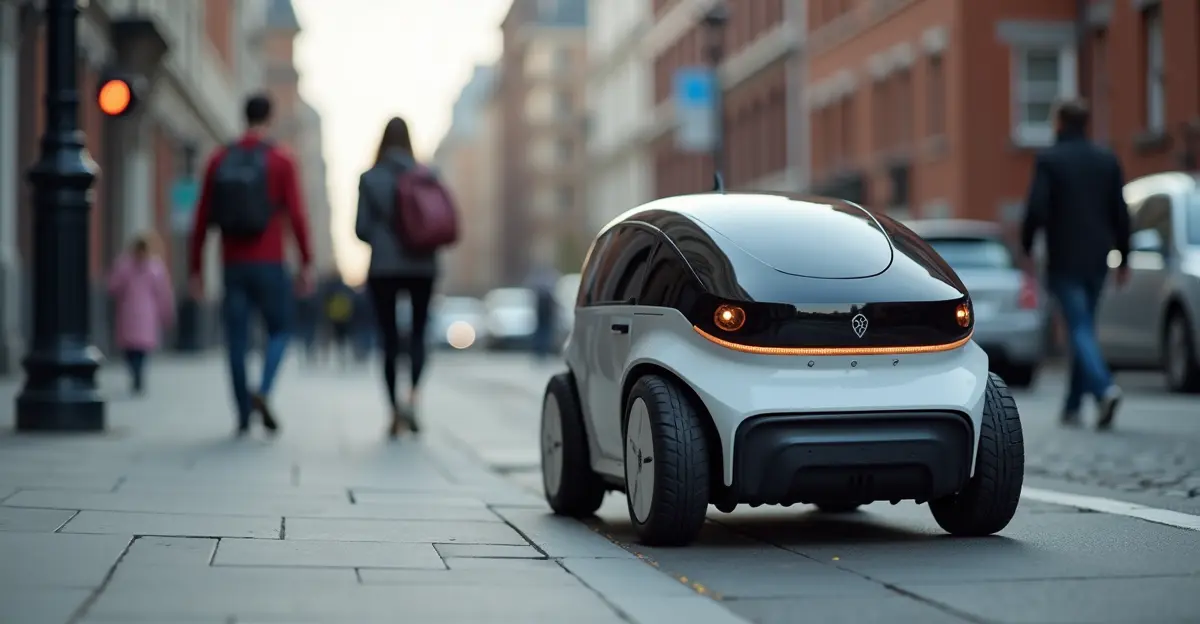
Starship's six-wheeled robots, weighing up to 45kg and traveling at 7km/h, have become the most visible presence on sidewalks. Meanwhile, Nuro has secured special regulatory exemptions for its larger, road-going pods that resemble miniature cars. Serve Robotics has partnered with Uber Eats to integrate robotic delivery into existing food delivery platforms.
'Our technology has proven itself in controlled environments,' says Starship CEO Alastair Westgarth. 'Now we're working with cities to ensure safe integration into broader urban landscapes.'
Urban Integration Challenges
The transition from campus deployments to city-wide operations presents significant challenges. Industry analysis highlights edge-case navigation difficulties, weather durability, curb management, and security concerns as major barriers to scaling.
Current robots perform well in predictable environments but struggle with the complexity of busy urban sidewalks. Unexpected obstacles, construction zones, and interactions with pets and children create navigation challenges that sometimes require remote human operators to intervene.
Regulatory Framework Development
Cities are developing frameworks that address operating parameters, safety requirements, administrative processes, and public rights protection. Key components include speed limits (typically 4-7 mph), designated operating areas, emergency stop capabilities, insurance requirements, and accessibility guarantees.
'These devices don't fit neatly into existing transportation categories,' explains regulatory expert Michael Chen. 'They're not vehicles, not scooters, not pedestrians—they need their own regulatory framework that balances innovation with public safety.'
The Urban Robotics Foundation emphasizes the importance of stakeholder engagement, particularly with disability advocacy groups, to ensure inclusive urban planning.
Market Growth and Future Outlook
The global delivery robots market is projected to reach $3.24 billion by 2030, growing at a compound annual rate of 32%. While current deployments remain concentrated in specific use cases, expansion into more cities appears inevitable as e-commerce continues to grow and labor costs rise.
Success will depend on technological advancements in sensor systems, artificial intelligence, and battery technology, coupled with thoughtful regulatory frameworks that prioritize public safety. As trials expand in 2025, the coming year will be crucial for determining whether sidewalk delivery robots become a permanent fixture of urban logistics or remain a niche solution limited to controlled environments.