Nederlands
 English
 Deutsch
 Français
 Español
 Português





Sidewalk Safety Rules and Vendor Compliance in Focus
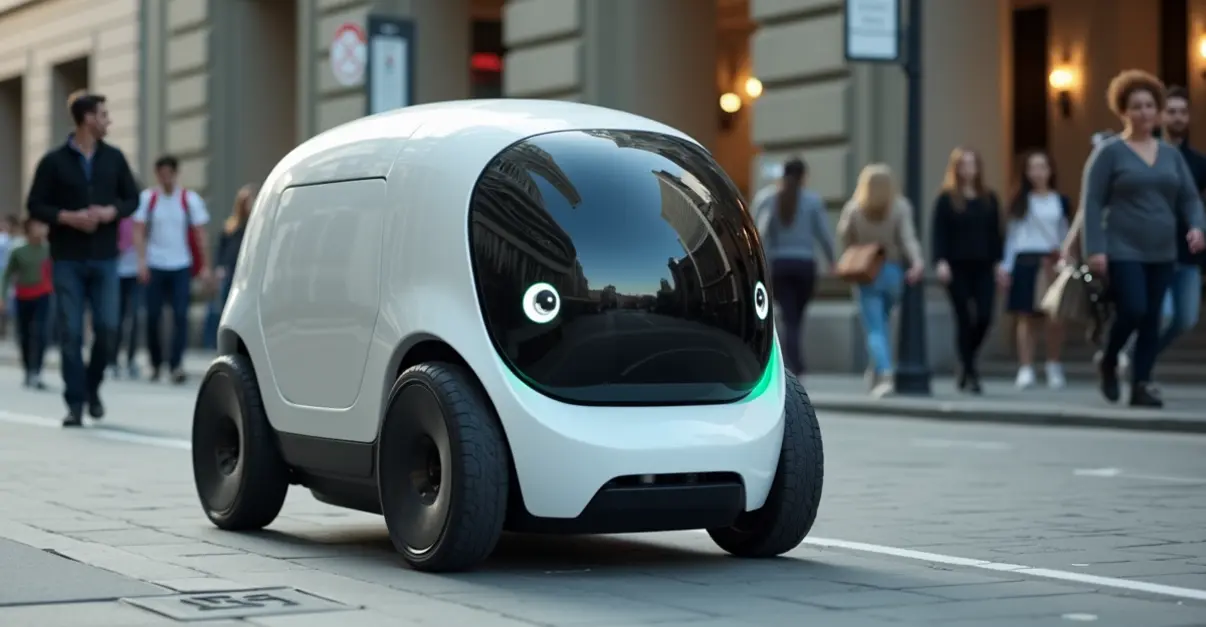
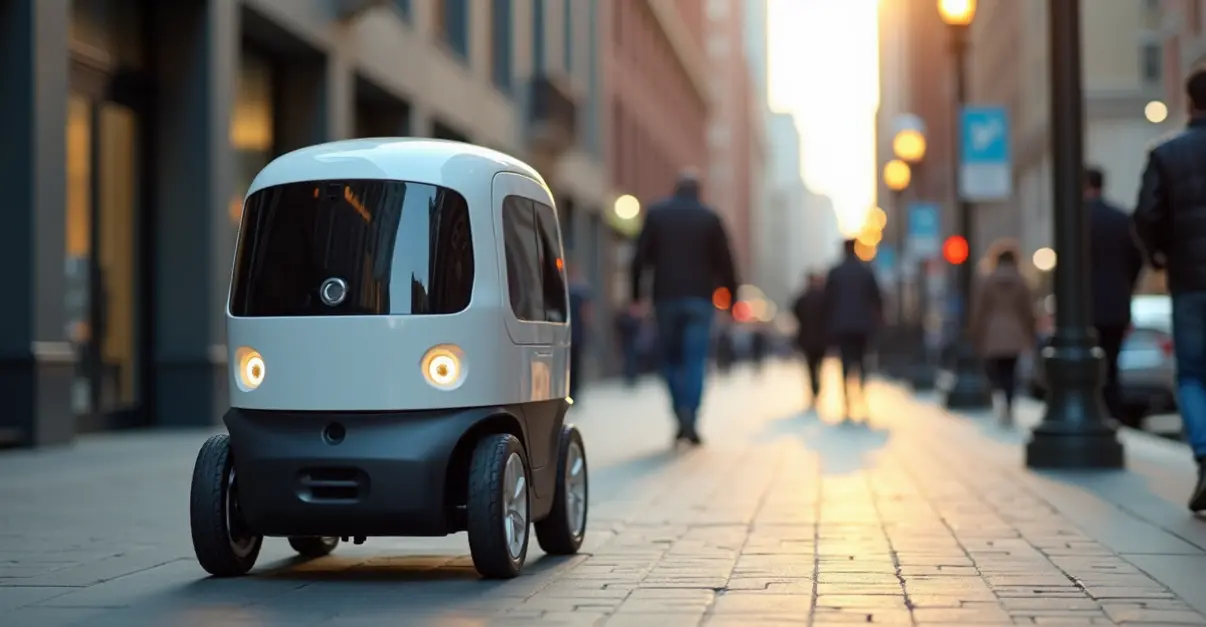
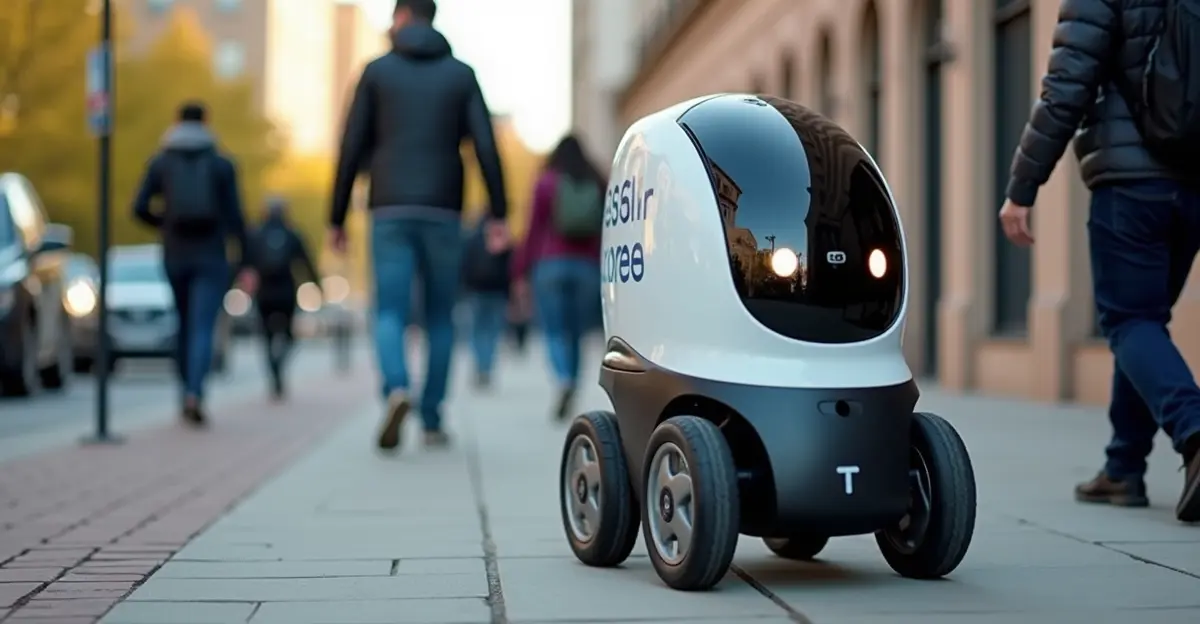
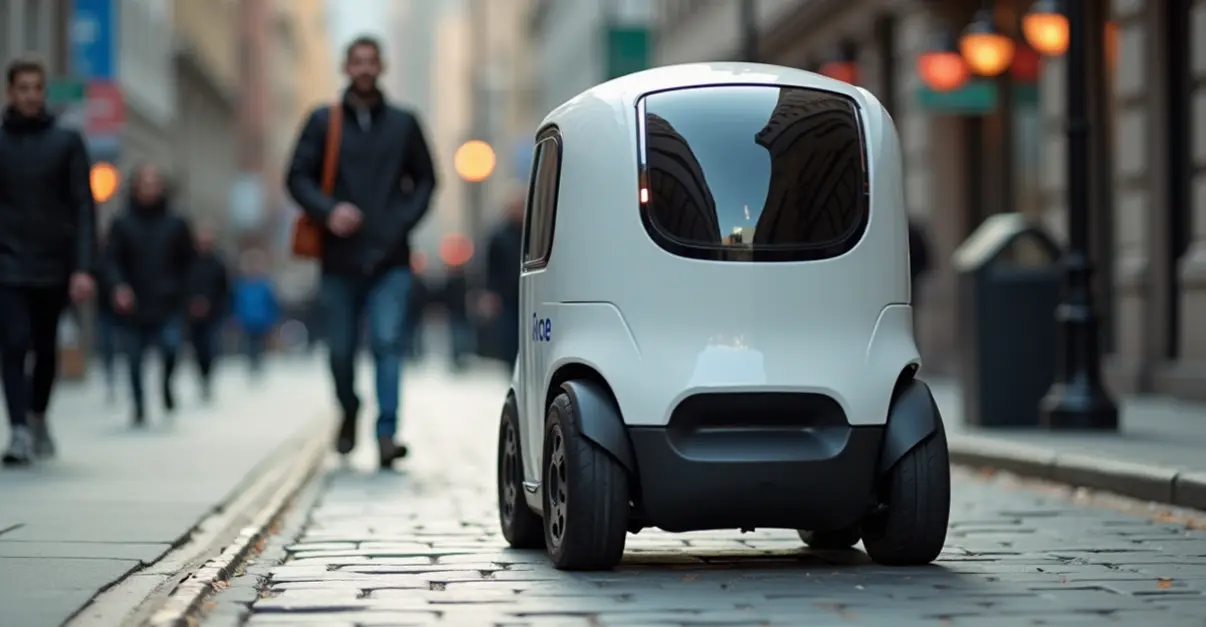
As cities worldwide grapple with the rapid expansion of autonomous delivery robots, regulatory trials are revealing both promising results and significant challenges. These six-wheeled robots, which navigate sidewalks at walking speeds to deliver food, groceries, and packages, have become increasingly common in urban environments. However, concerns about pedestrian safety, particularly for vulnerable populations like older adults and people with disabilities, have prompted cities to implement pilot programs with strict regulations.
Current Regulatory Landscape
Major cities including Minneapolis, Toronto, and Barcelona have launched pilot programs to test autonomous delivery robots while developing comprehensive regulatory frameworks. According to recent research, 'Cities must prioritize inclusive planning to ensure these technologies don't disadvantage vulnerable sidewalk users while meeting delivery demands,' as noted in a 2025 policy analysis. Current regulations typically limit robot speeds to 6-7 km/h (about walking pace) and require right-of-way protocols that prioritize pedestrians.
The Minneapolis Personal Delivery Device pilot permit program (RCA-2025-00766) represents one of the most structured regulatory approaches, establishing permit requirements, operational guidelines, and designated testing areas. Similar initiatives are underway in other municipalities, with varying degrees of restriction and oversight.
Vendor Compliance and Performance Metrics
Companies like Starship Technologies, Amazon, Serve Robotics, and Coco Robotics are participating in these trials, with compliance rates showing significant variation. According to industry data from 2025 analysis, sidewalk delivery robots currently achieve 97-99% success rates in controlled environments. However, real-world urban settings present more complex challenges.
'The robots offer significant environmental benefits, replacing approximately 12 traditional van deliveries daily and reducing carbon emissions by 85% per shipment,' according to recent pilot results. In Barcelona's trial, robots completed over 1,200 deliveries with a 98% success rate and 73% public approval, demonstrating both technical capability and public acceptance.
Safety Concerns and Pedestrian Impact
Despite these successes, safety remains a primary concern. Current robots weigh up to 45kg and travel at speeds that can pose risks to pedestrians, particularly those with visual impairments or mobility challenges. Documented incidents include robots blocking sidewalks and creating dangerous near-misses. Some jurisdictions like Idaho and Florida already allow speeds up to 16km/h, raising concerns among safety advocates.
The District of Columbia's resistance to allowing AI-powered delivery robots on its streets, as reported by WUSA9, highlights the ongoing tension between technological innovation and urban safety concerns. 'This debate reflects growing tensions between technological innovation and urban planning concerns,' the report notes, capturing the regulatory dilemma facing many cities.
Economic and Environmental Considerations
Autonomous delivery robots address significant economic challenges in last-mile logistics, which represents 50-60% of total delivery costs according to industry analysis. The technology offers potential solutions to labor shortages and rising delivery expenses while reducing traffic congestion and emissions. However, concerns about impacts on traditional delivery jobs and small businesses persist.
Environmental benefits are substantial, with each robot replacing multiple traditional vehicle deliveries and significantly reducing carbon footprints. The hybrid systems mentioned in recent analysis handle over 100,000 daily deliveries globally, demonstrating the scale at which this technology is already operating.
Future Regulatory Directions
As pilot programs continue through 2026, cities are developing more sophisticated regulatory frameworks that balance innovation with public safety. Key areas of focus include standardized speed limits, right-of-way protocols, data privacy protections (particularly regarding camera systems), and accessibility requirements for people with disabilities.
Industry experts warn against repeating the reactive policymaking mistakes made with ride-sharing services, advocating instead for pre-emptive regulatory frameworks based on comprehensive research about pedestrian behavior and safety impacts. The success of these trials will likely determine how quickly autonomous delivery robots become a permanent feature of urban landscapes worldwide.
With over 200 active locations globally for sidewalk robots and hybrid systems handling massive delivery volumes, the regulatory decisions made today will shape urban mobility for decades to come. As one urban planner involved in the Minneapolis pilot noted, 'We're writing the rulebook for a technology that's already here - we need to get it right the first time.'