


 Deutsch
 English
 Español
 Français
 Nederlands
 Português


 Share
Share




Sidewalk Robots Face Safety and Integration Challenges
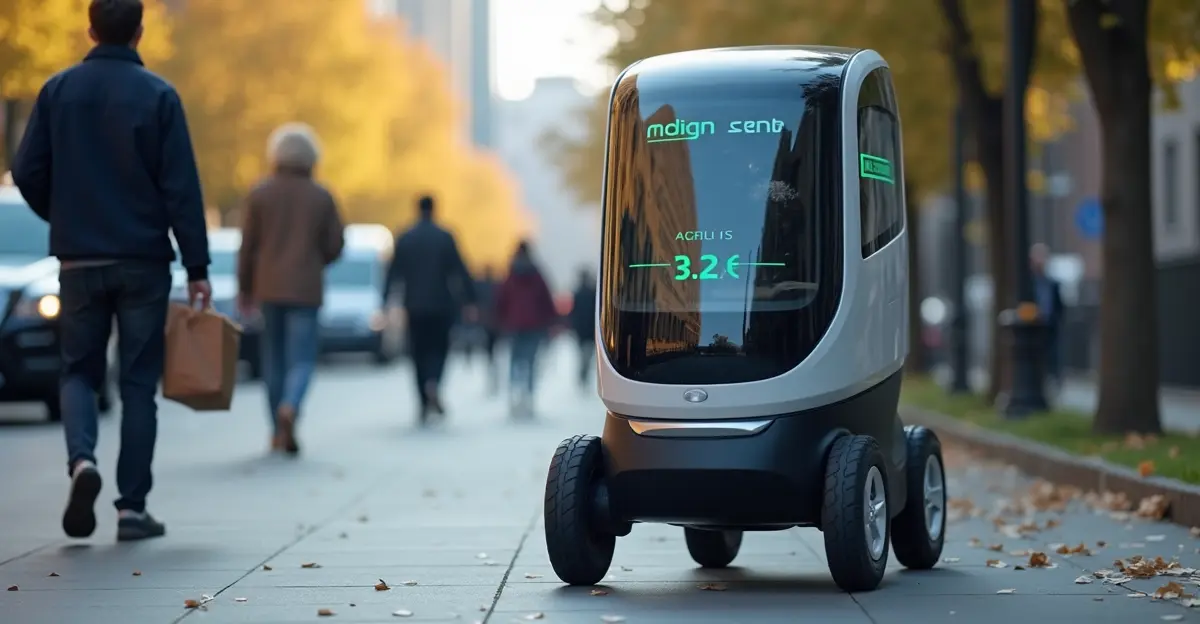
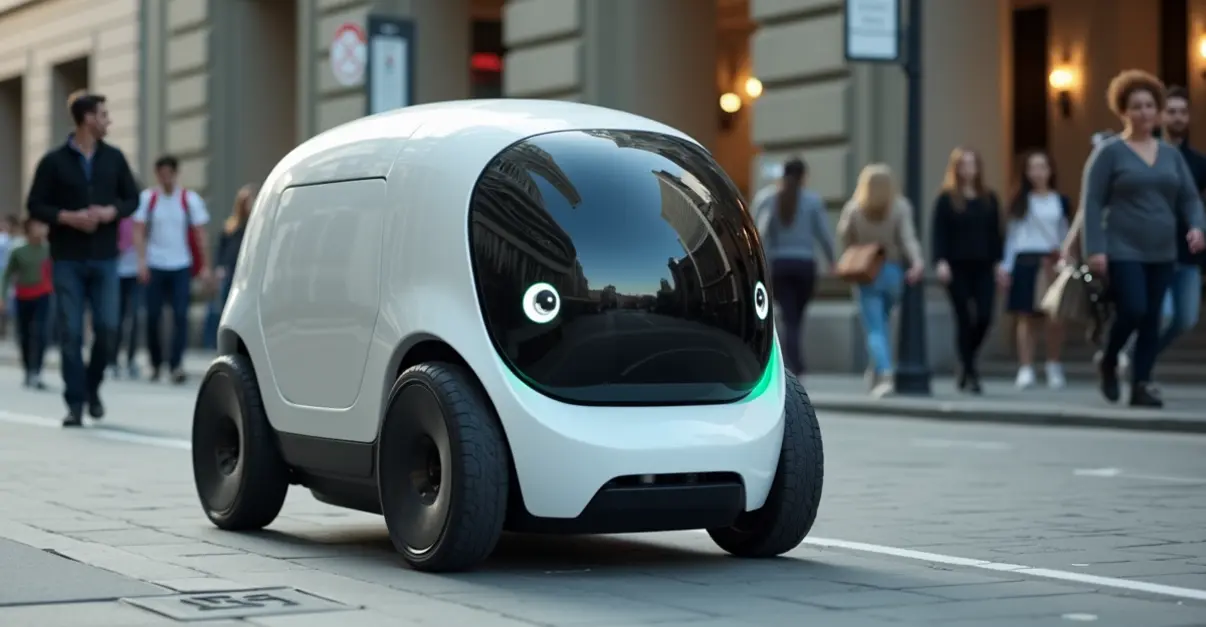
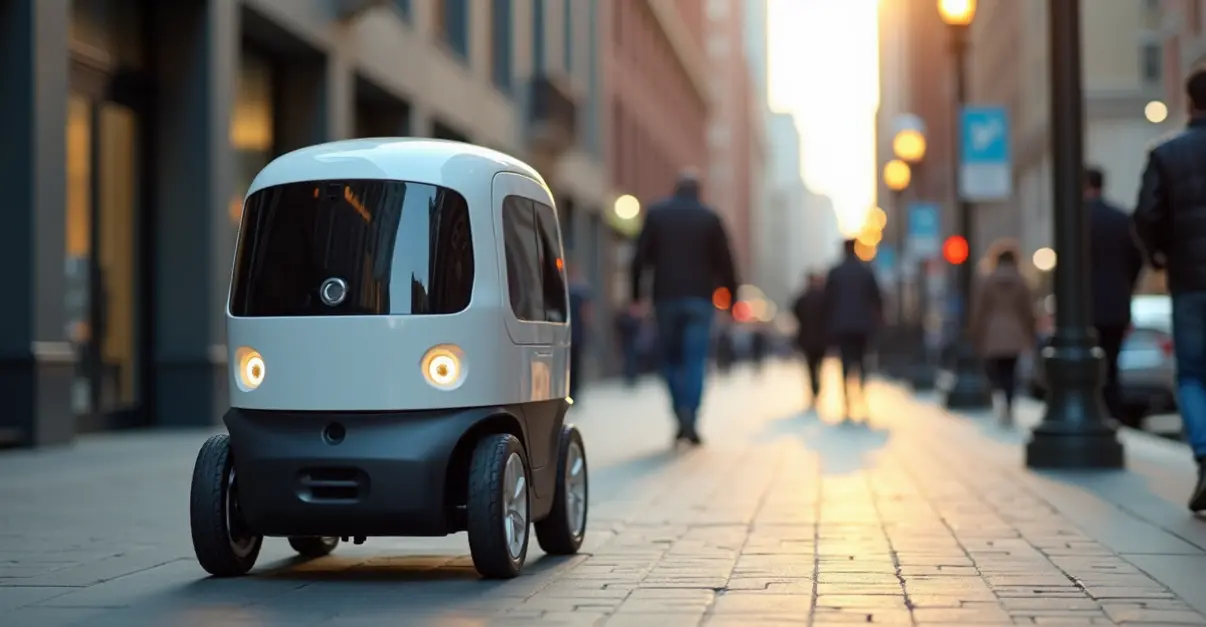
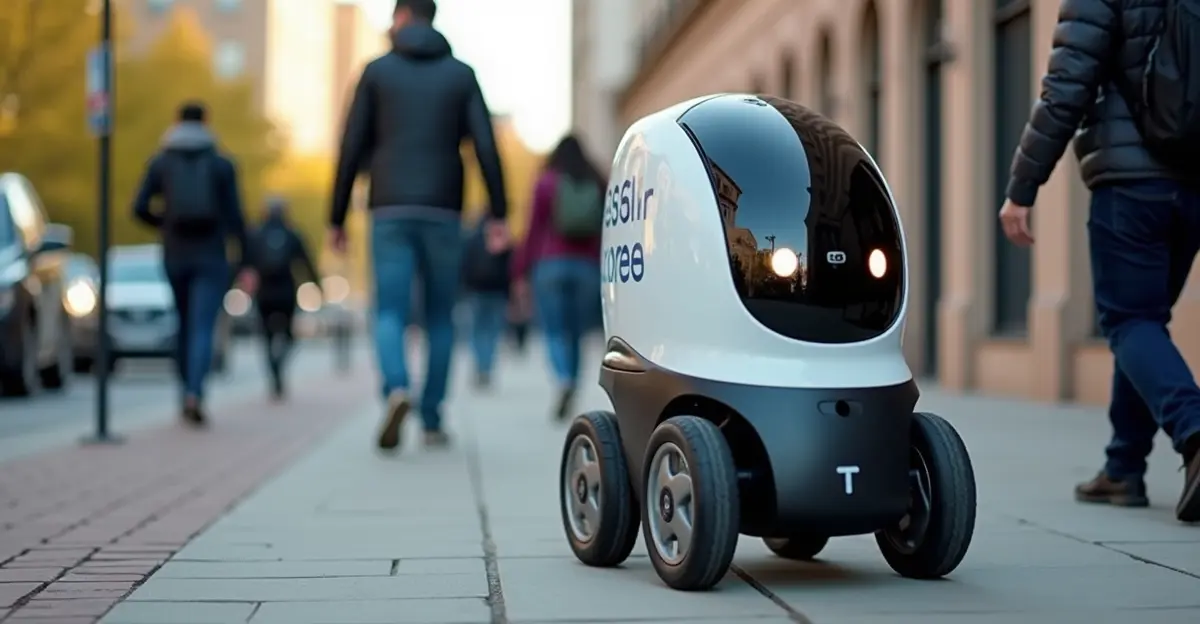
Autonomous last-mile delivery robots are rapidly expanding from university campuses to city streets across North America and Europe, but their integration into urban environments is raising significant safety concerns and regulatory challenges. Companies like Starship Technologies are leading this expansion, with their fleet of 2,700 robots having completed over 9 million deliveries across six countries.
Safety Concerns for Vulnerable Pedestrians
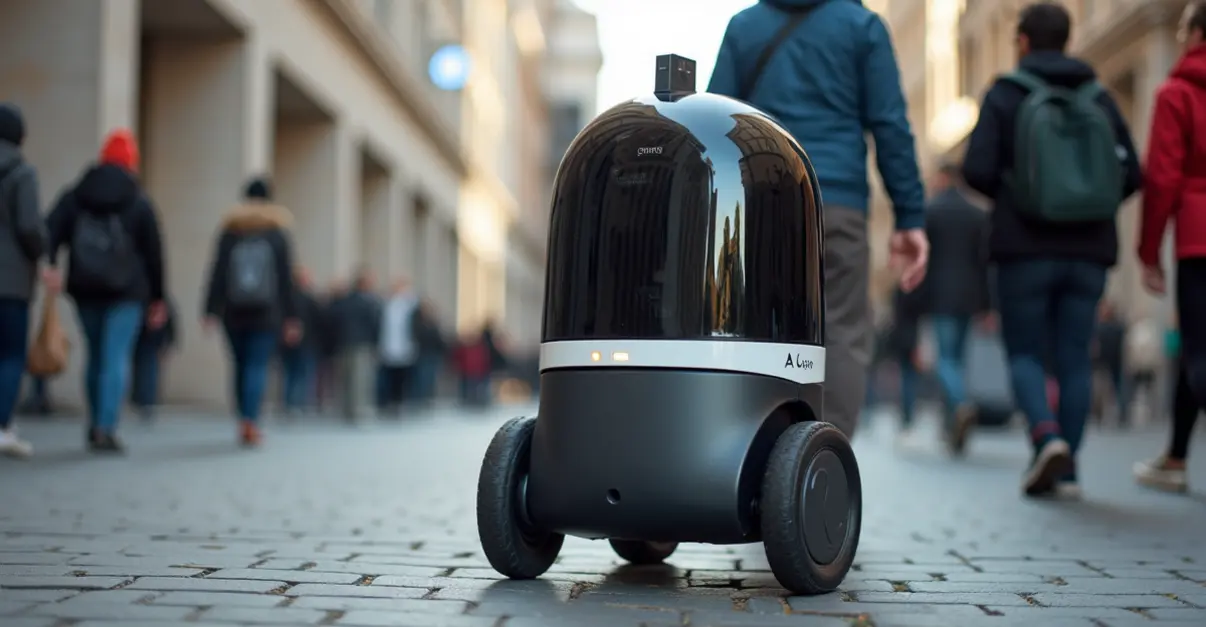
Recent studies highlight the potential dangers these sidewalk robots pose to vulnerable populations. According to research cited by Policy Options, delivery robots can impede pedestrian flow and create navigation challenges, particularly for older adults, people with disabilities, and children. 'We've documented incidents where wheelchair users were completely blocked from accessing sidewalks and visually impaired individuals faced increased tripping risks,' says Dr. Sarah Chen, a transportation researcher at the University of Toronto.
Current delivery robots typically weigh up to 45kg and travel at speeds around 7km/h, but some jurisdictions are already approving faster models capable of reaching 16km/h. Crash tests have shown that 60kg robots traveling at 11km/h can cause severe injuries, especially to children. These findings have prompted cities like Toronto and Ottawa to implement restrictions on sidewalk robot operations.
Business Models and Market Growth
The autonomous delivery market is experiencing explosive growth, with the global delivery robots market projected to grow from $796 million in 2025 to $3.24 billion by 2030, representing a 32% compound annual growth rate according to Robotics and Automation News. Starship Technologies recently raised $50 million to expand its operations from current markets to American cities, with plans to scale from 2,700 robots to over 12,000 by 2027.
'Our delivery service is now profitable on a per-delivery basis and costs less than human couriers due to no tipping, fuel costs, or labor expenses,' explains Starship CEO Ahti Heinla. The company's success in cities like Milton Keynes, UK, where robots have become integrated into community life over seven years of operation, demonstrates the potential for widespread adoption.
Regulatory Patchwork Challenges
The regulatory landscape for delivery robots remains fragmented across jurisdictions. Supply Chain Dive reports that at least 23 U.S. states have different laws governing robot operations, creating significant challenges for companies seeking national expansion. State regulations vary widely on key specifications - Georgia allows robots up to 500 pounds traveling at 4 mph, while New Hampshire limits them to 80 pounds at 10 mph.
Companies are actively engaging with lawmakers to shape legislation, but face resistance in some states where safety and job security concerns have led to rejected proposals. Even with regulatory approval, implementation challenges persist, as seen in Pittsburgh where Kiwibot's pilot program struggled with cracked sidewalks and obstructions, completing only four actual customer deliveries.
Future Integration and Policy Recommendations
Experts emphasize the need for proactive policy frameworks to ensure safe integration of delivery robots into urban environments. 'Cities need to regulate these technologies before widespread adoption creates safety problems we can't easily reverse,' warns transportation policy expert Maria Rodriguez. 'We learned from ride-sharing services that reactive policymaking creates more problems than it solves.'
Recommendations include comprehensive research on pedestrian behavior, inclusive planning processes that involve disability advocates, and clear operational guidelines for robot speeds, weights, and right-of-way protocols. As the technology continues to evolve, cities must balance innovation with public safety to ensure autonomous delivery robots enhance rather than disrupt urban mobility.
Follow Discussion