


 Deutsch
 English
 Español
 Français
 Nederlands
 Português


 Share
Share




Sidewalk Robots Face Regulatory Scrutiny as Expansion Accelerates
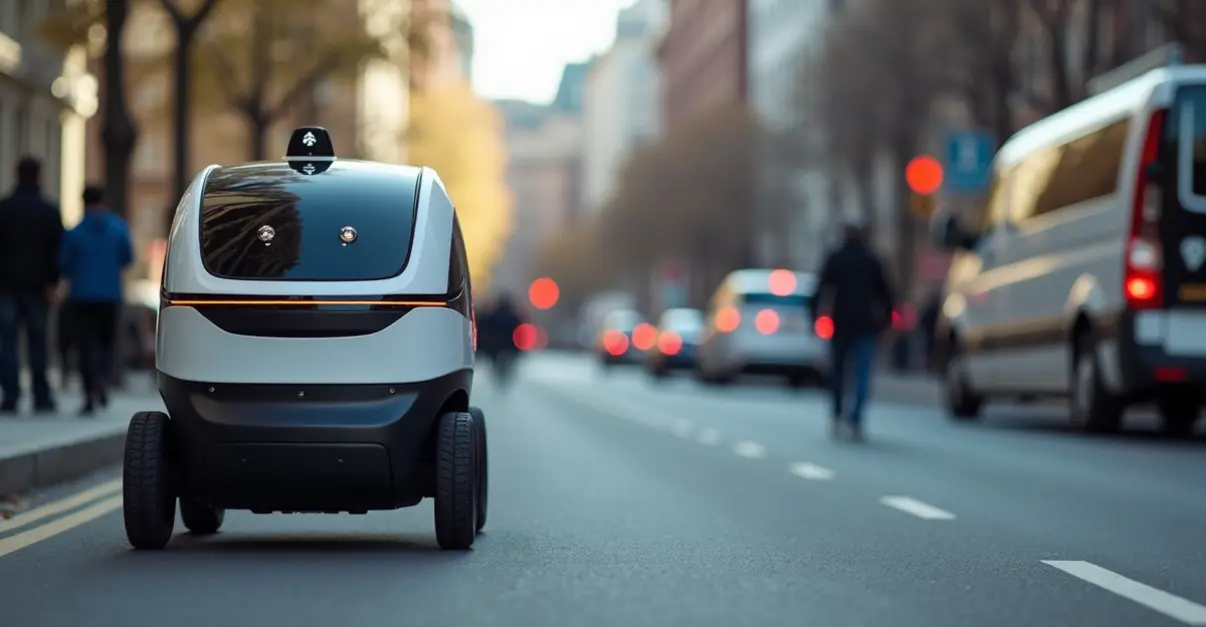
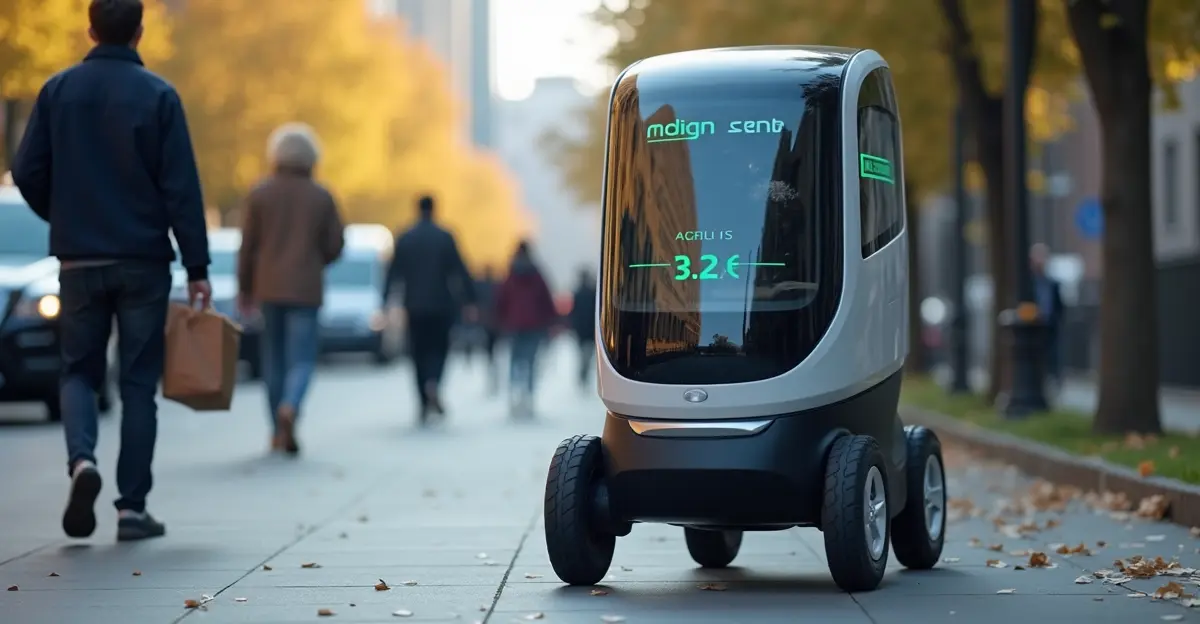
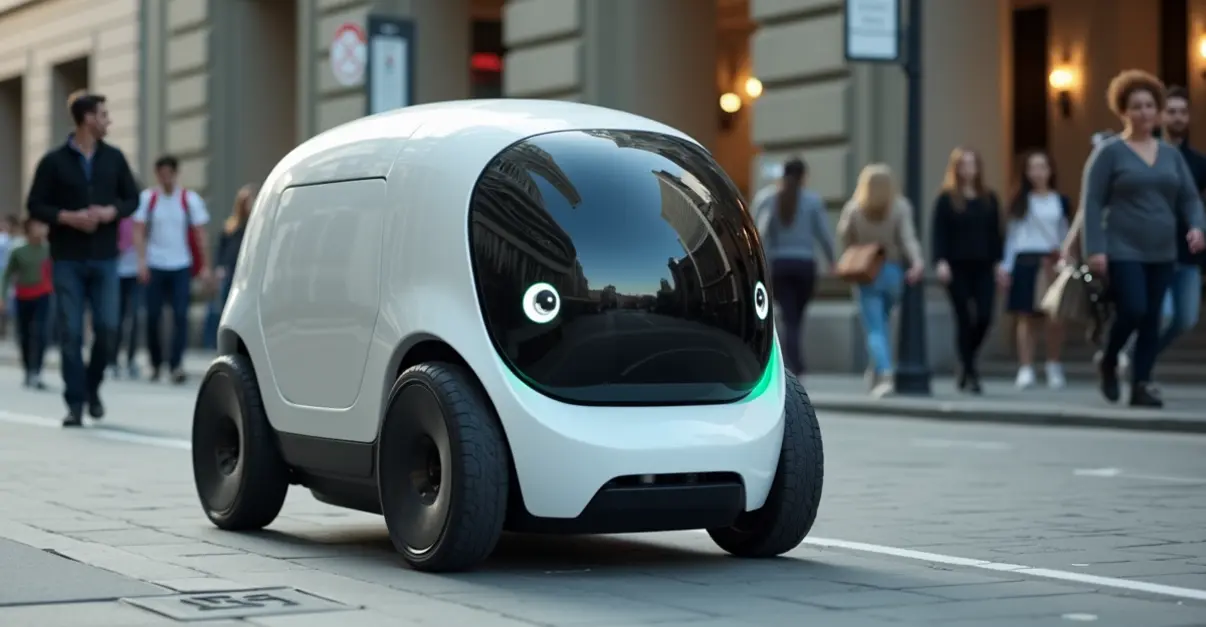
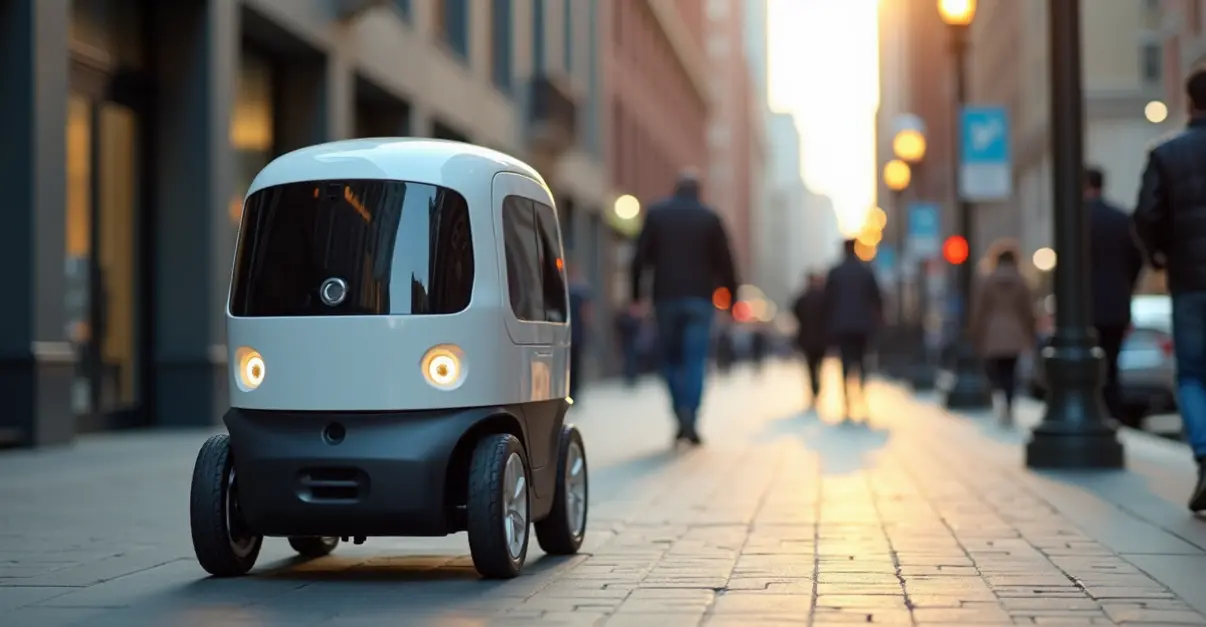
Autonomous delivery robots are rolling into new urban markets at an unprecedented pace, but their sidewalk integration is sparking crucial safety debates and regulatory challenges. Companies like Starship Technologies and Serve Robotics are expanding their fleets across North America and Europe, even as cities scramble to draft comprehensive safety regulations for these sidewalk companions.
The Regulatory Landscape Takes Shape
From Washington D.C. to Toronto, municipal governments are developing frameworks to balance innovation with pedestrian safety. 'Cities are drafting comprehensive regulations for autonomous sidewalk delivery robots as companies expand their fleets,' notes a recent regulatory analysis. Washington D.C. has paused new permit applications to develop rules addressing device size, sidewalk accessibility, and weight limits, while Tennessee is advancing legislation to allow robots on certain roadways at higher speeds.
The regulatory push addresses growing safety concerns for pedestrians, particularly older adults and people with disabilities. Studies have documented incidents of near-misses and accessibility barriers, with some cities like Toronto and Ottawa already restricting sidewalk robots. 'Without pre-emptive policy frameworks, widespread adoption could create new forms of marginalization,' warns a policy researcher studying the issue.
Business Models Under the Microscope
Despite regulatory headwinds, the autonomous delivery market is experiencing explosive growth. According to market research, the autonomous delivery robots market is projected to grow from USD 1.33 billion in 2026 to USD 3.27 billion by 2031 at a 19.74% compound annual growth rate. North America leads with 32.1% market share, while outdoor sidewalk robots dominate with 58% market share.
Starship Technologies, which recently raised $50 million in Series C funding, has completed over 9 million deliveries across seven countries and operates the world's largest autonomous delivery fleet with 2,700+ robots. 'We've solved key challenges including safety validation, regulatory approval, and all-weather reliability,' says a company representative. Their partnership with Uber Eats, launching in Leeds, UK in December 2025, represents a major step toward mainstream adoption.
Safety Versus Innovation
The core tension lies between rapid technological deployment and public safety assurance. Current regulations vary widely: some jurisdictions allow speeds up to 16 km/h, while others impose stricter limits. Key regulatory components emerging include speed limits, safety requirements, permitting processes, and accessibility guarantees for wheelchair users and visually impaired pedestrians.
Serve Robotics, which deployed over 2,000 autonomous robots across U.S. cities in 2025, reports solid safety records but acknowledges the regulatory fragmentation challenge. 'Each city has different requirements, which creates compliance challenges for scaling operations,' notes an industry insider.
Economic Viability and Future Outlook
The business case for autonomous delivery continues to strengthen. The global autonomous last mile delivery market is projected to reach $185.30 billion by 2033 from $30.05 billion in 2024, representing a 22.4% CAGR. Currently, more than 15,000 autonomous delivery robots and drones are deployed globally, handling nearly 100,000 daily deliveries.
Food delivery applications lead with 42.1% revenue share, while retail/e-commerce logistics command 48.6% of end-user markets. Autonomous solutions are reducing urban delivery times from 90 minutes to under 30 minutes in some cases, creating compelling efficiency gains.
However, profitability remains a challenge for some players. Serve Robotics stock declined 45.4% in the past year and carries widening loss estimates for 2026, highlighting the financial pressures even as operational metrics improve.
The Path Forward
As 2026 approaches, the industry faces a critical juncture. Standardized regulations could accelerate adoption, while fragmented rules may slow expansion. Companies are investing heavily in safety technology, including advanced LIDAR systems and AI-powered obstacle avoidance.
'The next two years will determine whether autonomous delivery becomes a mainstream urban service or remains a niche solution,' predicts a logistics analyst. With major partnerships forming and regulatory frameworks evolving, the sidewalk delivery revolution is just beginning—but its success depends on finding the right balance between innovation and public safety.

Follow Discussion