


 Deutsch
 English
 Español
 Français
 Nederlands
 Português


 Share
Share




Autonomous Delivery Robot Trial Expands: Policy, Markets & Community Implications
Autonomous delivery robots are rapidly transitioning from experimental trials to mainstream urban infrastructure, with major expansions announced throughout 2025 and 2026 that will reshape last-mile delivery, urban policy, and community dynamics. From Just Eat's dual-city UK trials to Serve Robotics' fleet expansion to 2,000 units and Starship Technologies' global partnership with Uber Eats, the autonomous delivery sector is experiencing unprecedented growth that demands careful policy consideration and community engagement. This comprehensive analysis examines the latest developments, regulatory frameworks, and societal implications of this technological transformation.
What Are Autonomous Delivery Robots?
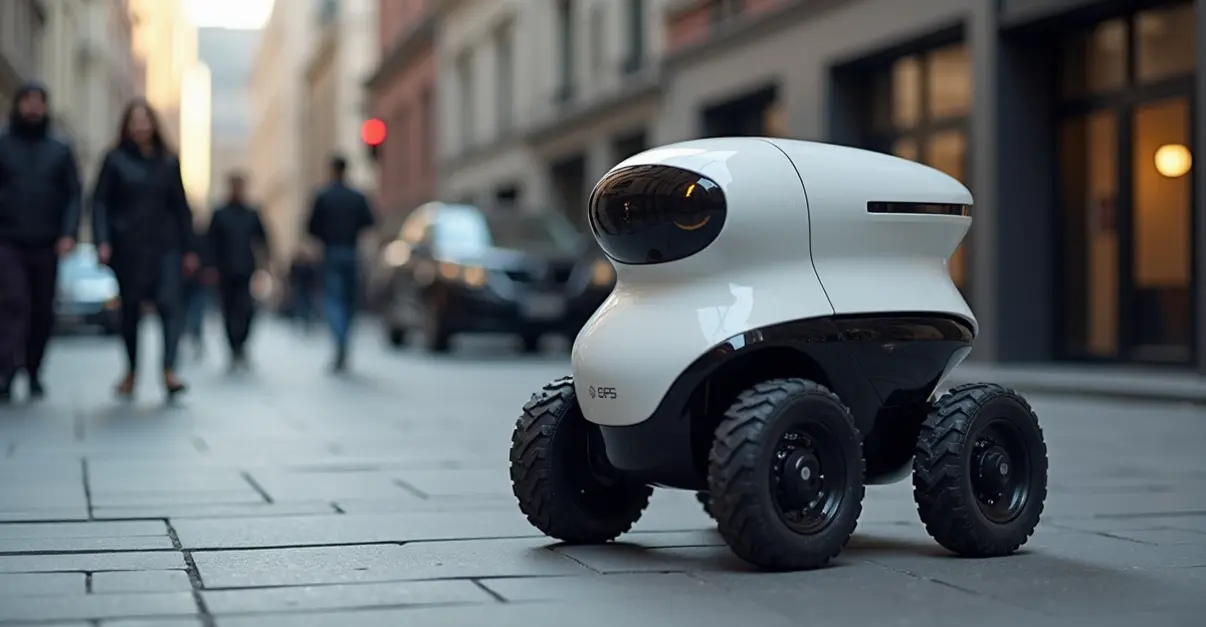
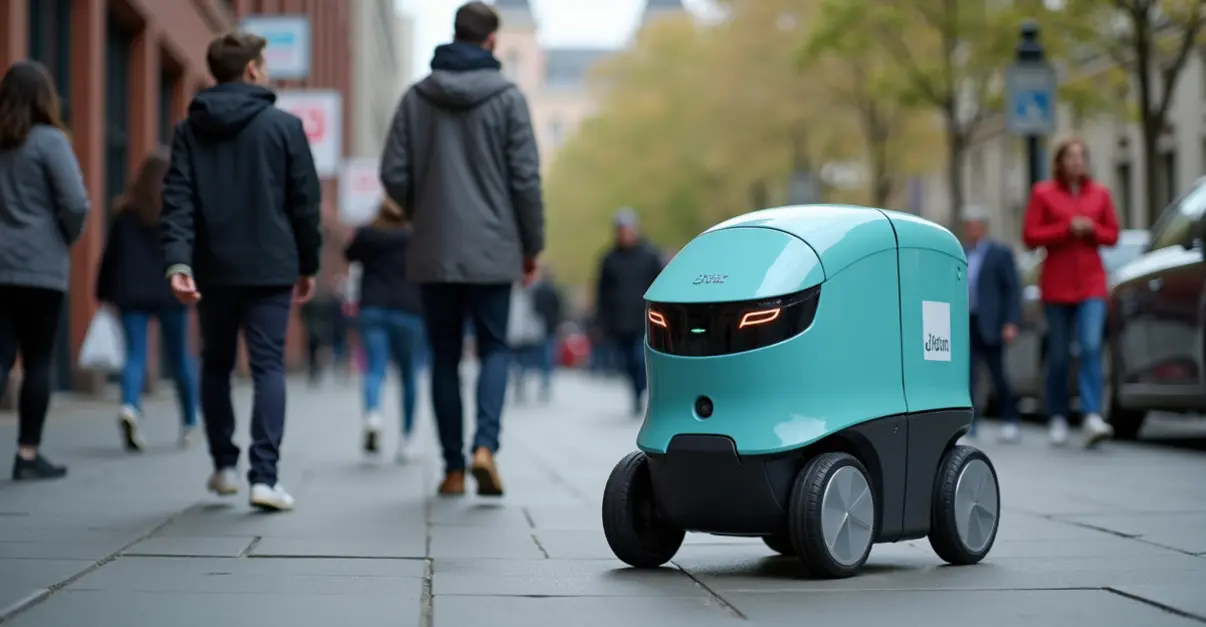
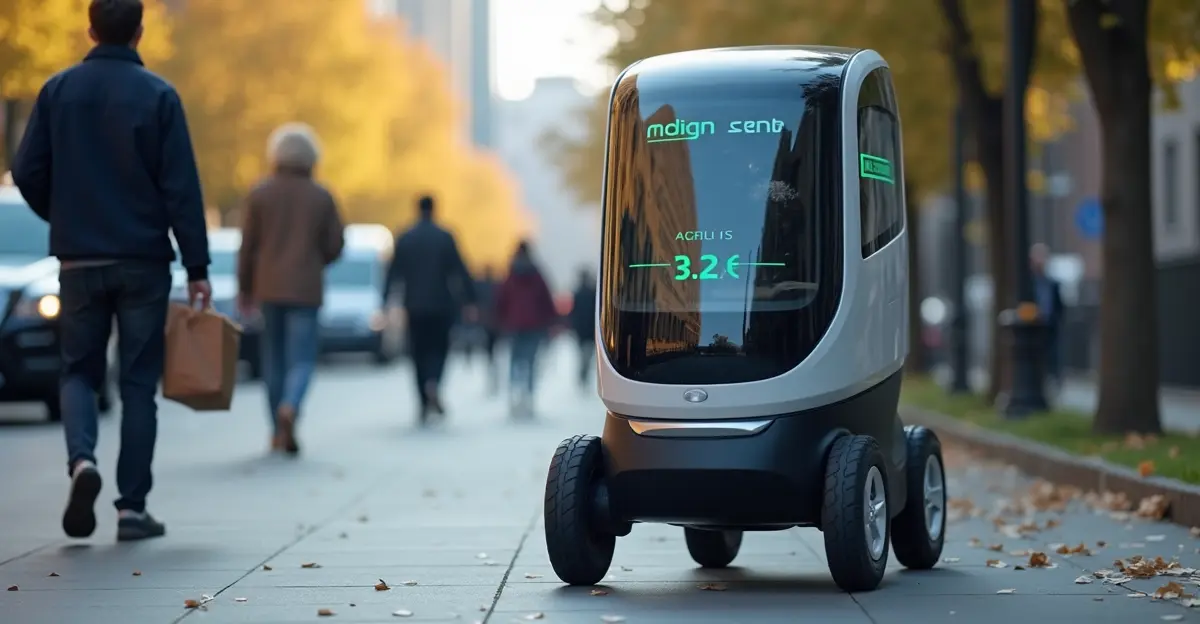
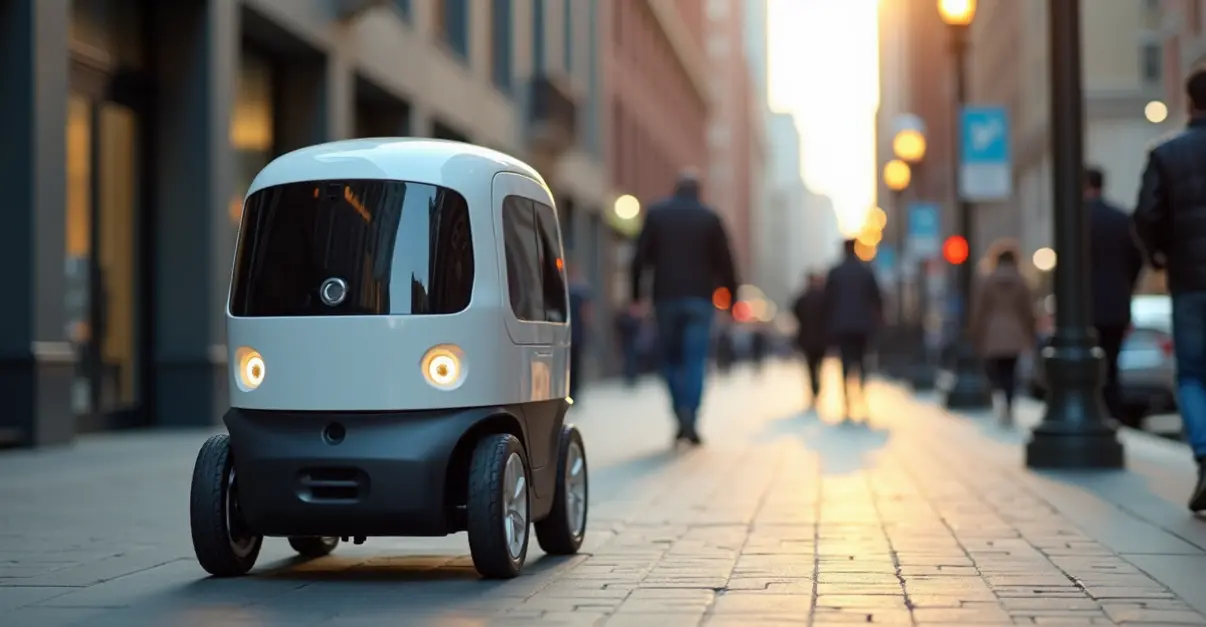
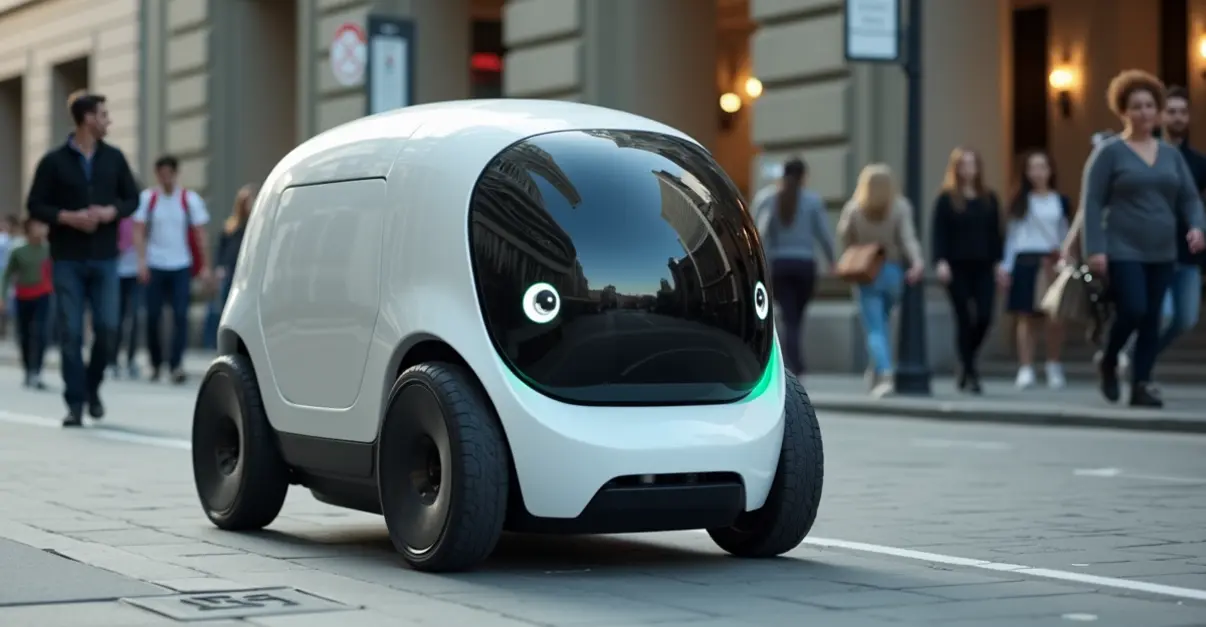
Autonomous delivery robots are self-navigating ground vehicles designed to transport goods, food, and packages across short distances, typically operating on sidewalks and pedestrian pathways. These robots utilize advanced sensor arrays, computer vision, and artificial intelligence to navigate urban environments while avoiding obstacles and pedestrians. The technology represents a significant evolution in last-mile delivery logistics, offering potential solutions to labor shortages, delivery efficiency challenges, and environmental concerns associated with traditional delivery methods.
Major 2025-2026 Expansion Initiatives
Just Eat's UK Dual-City Trials
In February 2026, Just Eat launched autonomous delivery robot trials in two UK cities, deploying different robotic platforms in Milton Keynes and Bristol. The Milton Keynes trial features RIVR's dog-like robots capable of navigating stairs and pavements using 'physical AI' technology that adapts to surroundings and avoids obstacles. These robots travel at 15km/h and feature 40-litre insulated cargo bays. In Bristol, a different four-wheeled robot from Deliver.AI is being tested, though it lacks stair-climbing capabilities. According to IET reporting, the trials were strategically timed ahead of Valentine's Day peak demand and follow Uber Eats' similar autonomous delivery partnership with Starship Technologies.
Serve Robotics' Fleet Expansion
Serve Robotics secured $80 million in funding to dramatically expand its autonomous sidewalk delivery fleet from 100 to 2,000 robots by the end of 2025, bringing the company's total fundraising to over $247 million in just one year. The company currently operates in Los Angeles through partnerships with Uber Eats and 7-Eleven, and is conducting a groundbreaking robot-drone delivery trial with Wing in Dallas. Serve Robotics plans to deploy 250 additional robots in Los Angeles during Q1 2025 as part of its expansion strategy, with CEO Ali Kashani emphasizing the company's 99.8% success rate in autonomous operations.
Starship Technologies' Global Partnership
Starship Technologies and Uber Eats announced a global autonomous delivery partnership that will transform last-mile delivery with sidewalk robots. The collaboration begins in Leeds, UK in December 2025, expands to multiple European countries in 2026, and reaches the U.S. by 2027. Starship's AI-powered robots, which have already completed over 9 million deliveries across seven countries, will operate at Level 4 autonomy and can complete deliveries in under 30 minutes for distances up to 2 miles. The company currently operates the world's largest autonomous delivery fleet with 2,700+ robots across 270+ locations, scaling to 12,000+ robots by 2027.
Regulatory Landscape and Policy Developments
The rapid expansion of autonomous delivery robots has created an urgent need for comprehensive regulatory frameworks. The NHTSA (National Highway Traffic Safety Administration) published a July 2025 report to Congress detailing its research and rulemaking activities on automated driving systems, representing the federal government's efforts to address safety, testing, and implementation challenges. Meanwhile, several federal legislative initiatives were introduced to address the current patchwork of state regulations, including:
- AV Accessibility Act: Focusing on disabled access to autonomous vehicles
- AV Safety Data Act: Requiring enhanced safety reporting
- Autonomous Vehicle Acceleration Act: Updating safety standards
- AMERICA DRIVES Act: Seeking federal preemption for commercial trucking
The Autonomous Vehicle Industry Association (AVIA) released 'Securing American Leadership in Autonomous Vehicles' in January 2025, with recommendations focusing on AV safety, transparency, accountability, supply chain resiliency through autonomous trucking, enhanced resources for safety regulators, and national security protection. For state policy, AVIA advocates for legislation that expressly authorizes AV operation on public roads with minimum requirements, including first responder interaction plans and compliance with traffic safety laws.
Community Impact and Safety Considerations
The expansion of autonomous delivery robots raises significant community concerns that must be addressed through thoughtful policy and planning. Studies have documented dangerous near-misses and accessibility issues, including incidents where robots blocked wheelchair access to sidewalks. The technology is advancing rapidly, with some jurisdictions already approving speeds up to 16 km/h, increasing collision risks. Canadian cities like Toronto and Ottawa have already restricted sidewalk robots due to safety concerns.
San Francisco serves as a critical case study, implementing new restrictions on delivery robots as the city grapples with unintended consequences including sidewalk congestion, safety hazards for pedestrians (especially seniors and disabled individuals), blocked wheelchair ramps, and collisions with pedestrians and cyclists. Local businesses report disruptions from robots blocking entrances and reducing foot traffic. The city is now drafting new regulations that include establishing operational zones, speed limits, fleet registration requirements, and designated parking areas.
"Cities need to proactively regulate autonomous delivery robots before widespread adoption creates safety problems," warns a January 2025 analysis from Policy Options. "We must avoid repeating the reactive mistakes made with ride-sharing services like Uber and Lyft."
Market Analysis and Economic Implications
The global delivery robots market is projected to reach $3.24 billion by 2030 with a 32% compound annual growth rate, though deployments remain concentrated in specific use cases like campuses and select neighborhoods. Current successful applications focus on campuses, business parks, and semi-closed districts where predictable environments and high order density exist. Platform partnerships with major delivery services like Uber Eats and DoorDash are accelerating adoption, though regulatory frameworks remain highly localized and economic viability depends on utilization rates and operational efficiency.
Key competitive advantages include:
- Labor Cost Reduction: Autonomous robots eliminate driver labor costs
- 24/7 Operation: Robots can operate continuously without breaks
- Environmental Benefits: Electric-powered robots reduce carbon emissions
- Scalability: Fleet expansion doesn't require proportional human hiring
Future Outlook and Strategic Recommendations
As autonomous delivery robots continue their expansion throughout 2026 and beyond, stakeholders must balance innovation with responsible implementation. The technology offers significant potential benefits for urban logistics optimization, but requires careful consideration of public safety, accessibility, and community integration. Policymakers should consider the following strategic approaches:
Recommended Policy Framework
| Policy Area | Recommended Approach | Implementation Timeline |
|---|---|---|
| Safety Standards | Establish maximum speeds, sensor requirements, and emergency protocols | Immediate |
| Accessibility | Mandate sidewalk clearance, wheelchair access, and audible alerts | 6-12 months |
| Operational Zones | Designate approved areas and restricted zones for robot operation | 3-6 months |
| Data Reporting | Require incident reporting, performance metrics, and transparency | Immediate |
| Community Engagement | Establish public consultation processes and feedback mechanisms | Ongoing |
Frequently Asked Questions (FAQ)
How fast do autonomous delivery robots travel?
Most autonomous delivery robots operate at speeds between 4-16 km/h (2.5-10 mph), with specific limits varying by jurisdiction. Just Eat's RIVR robots in Milton Keynes travel at 15km/h, while many municipal regulations cap speeds at lower levels for pedestrian safety.
What safety features do these robots have?
Modern autonomous delivery robots typically feature multiple sensor arrays (cameras, LiDAR, ultrasonic sensors), obstacle detection systems, emergency stop mechanisms, and remote monitoring capabilities. Advanced models like RIVR's robots include 'physical AI' that adapts to surroundings in real-time.
How do robots handle stairs and obstacles?
Capabilities vary by model. Some robots like RIVR's dog-like design can navigate stairs, while others are limited to flat surfaces. All commercial robots include obstacle avoidance systems, but complex urban environments remain challenging for current technology.
What happens if a robot malfunctions or gets stuck?
Most systems include remote teleoperation capabilities where human operators can intervene when robots encounter difficulties. Companies typically maintain monitoring centers and rapid response teams to address technical issues and retrieve stranded robots.
Are delivery robots replacing human jobs?
While autonomous robots may reduce certain delivery positions, they also create new roles in robot maintenance, monitoring, fleet management, and software development. The net employment impact depends on adoption rates and complementary job creation in related sectors.
Conclusion
The expansion of autonomous delivery robot trials throughout 2025-2026 represents a pivotal moment in urban logistics and smart city development. While the technology offers promising solutions to last-mile delivery challenges, successful implementation requires balanced approaches that prioritize public safety, accessibility, and community wellbeing alongside innovation and efficiency. As regulatory frameworks evolve and public acceptance grows, autonomous delivery robots will likely become increasingly integrated into urban landscapes, transforming how goods move through cities while presenting ongoing opportunities for policy refinement and technological advancement.

Follow Discussion