Deutsch
 English
 Español
 Français
 Nederlands
 Português

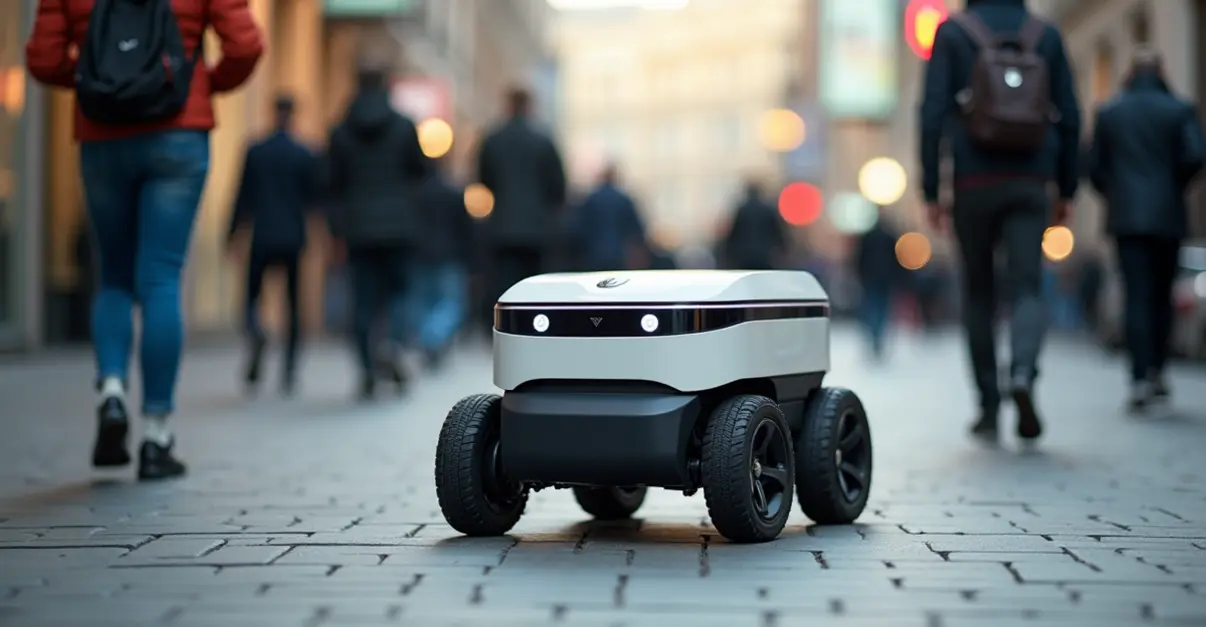





The Rise of Autonomous Sidewalk Robots
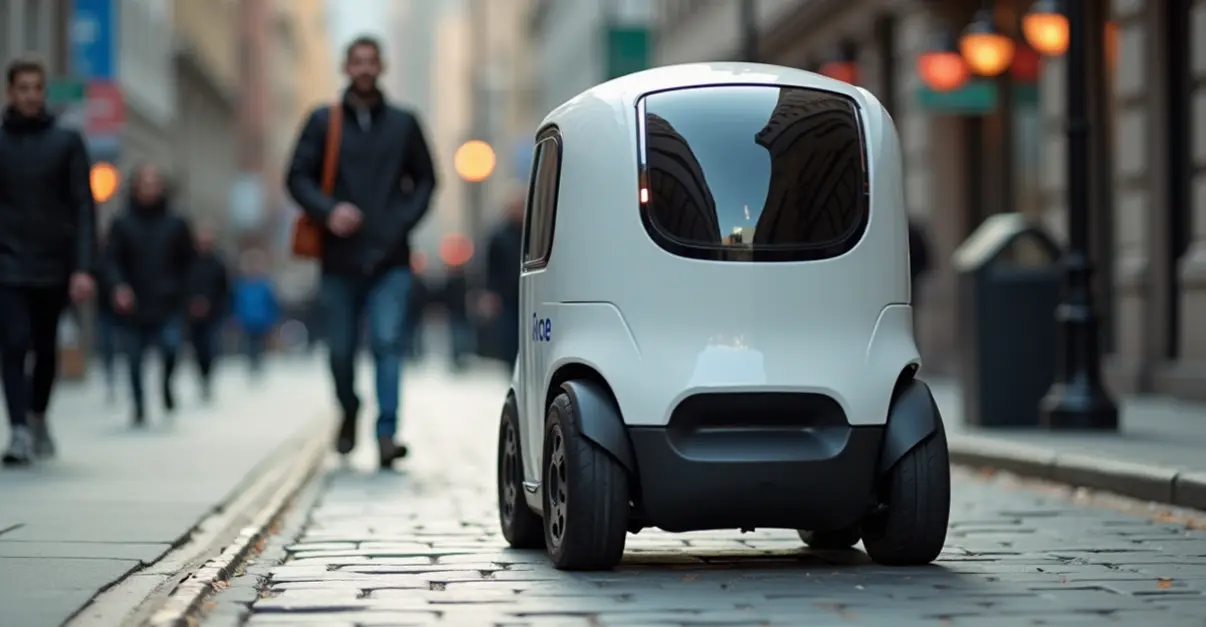
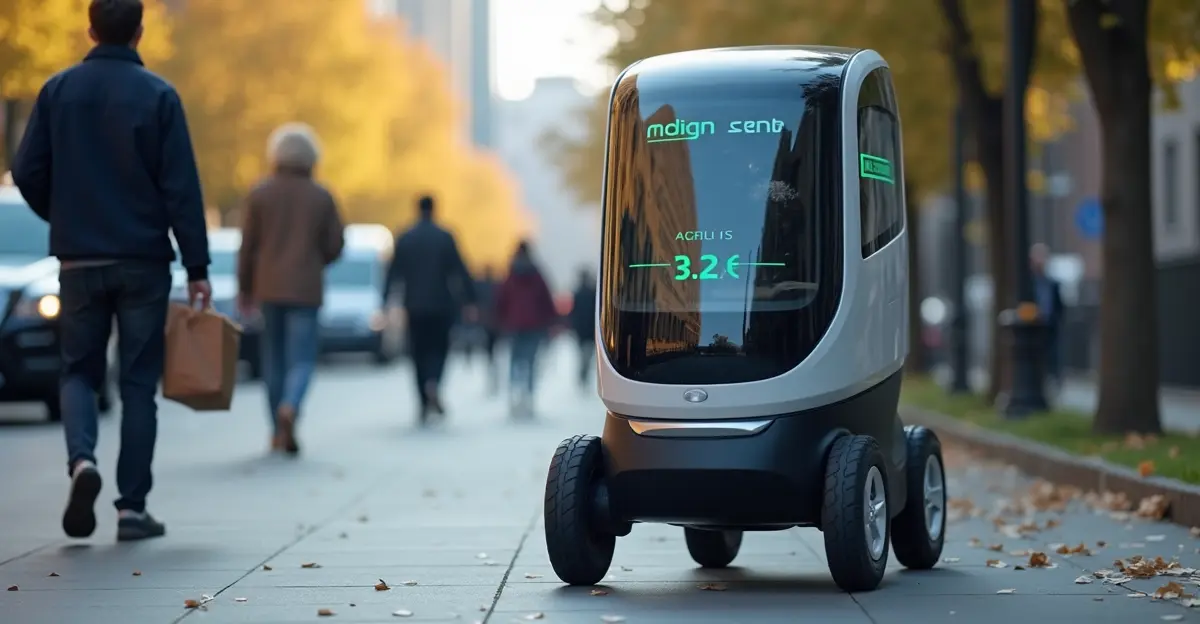
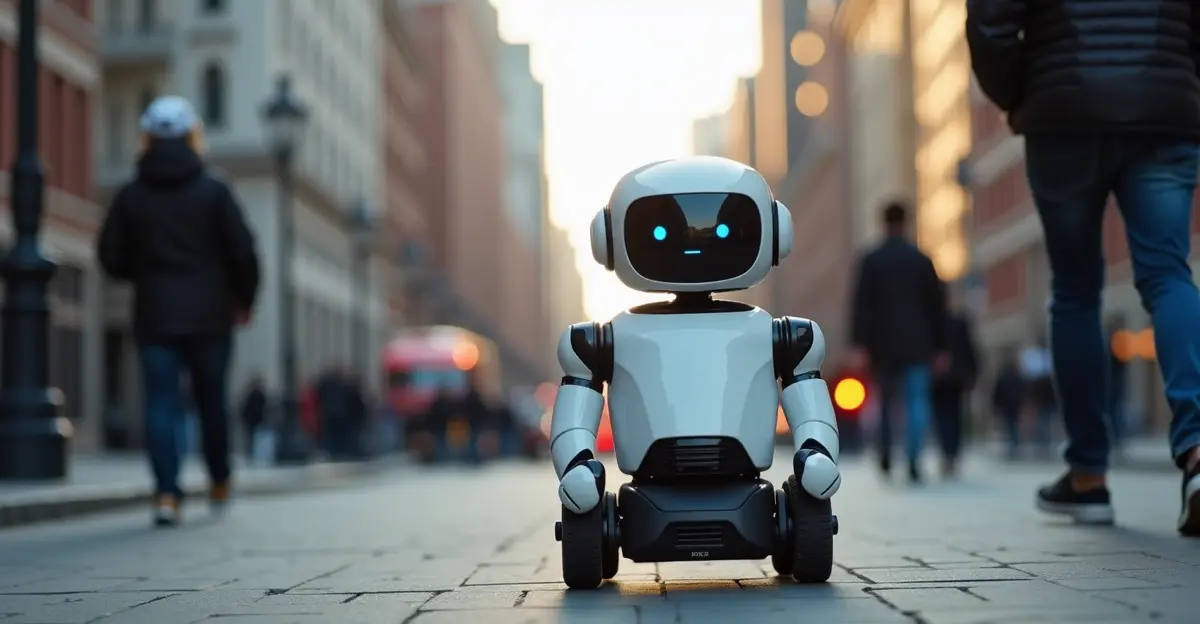
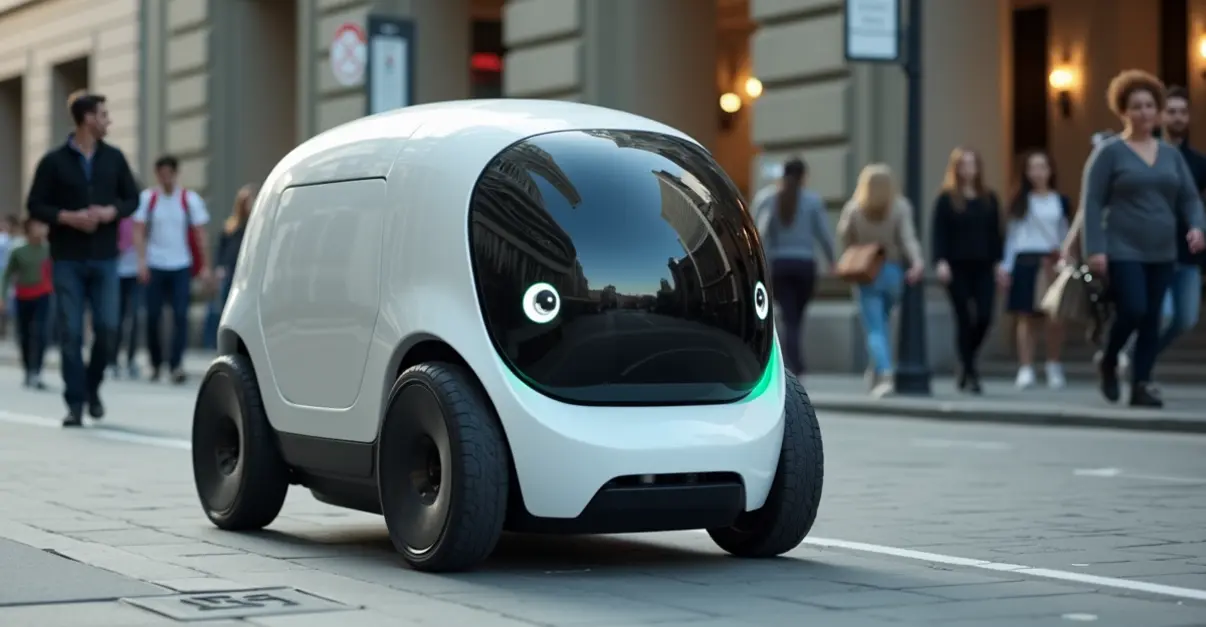
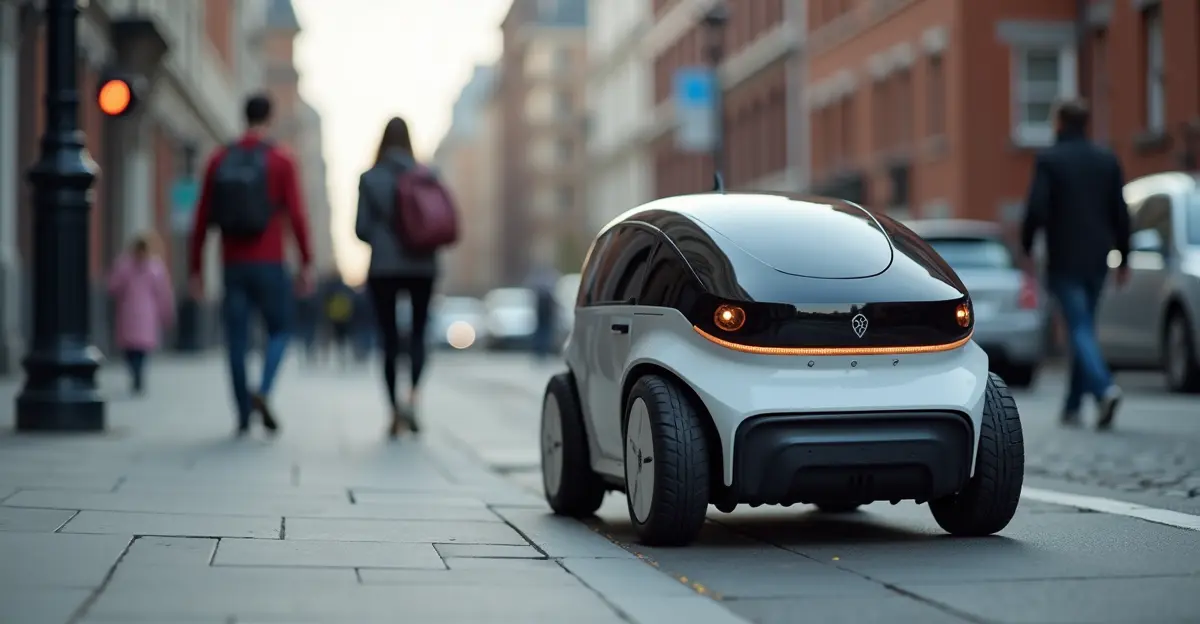
As autonomous delivery robots increasingly navigate city sidewalks, municipalities worldwide are scrambling to establish regulatory frameworks that balance innovation with public safety. These compact, wheeled devices—typically weighing up to 45kg and traveling at speeds of 5-8 km/h—represent a new frontier in urban logistics, but they're creating unprecedented challenges for city planners, policymakers, and communities.
Safety Concerns and Accessibility Issues
Recent incidents have highlighted significant safety risks associated with sidewalk robots. Studies document dangerous near-misses and accessibility problems, particularly affecting older adults, people with disabilities, and wheelchair users. 'We've had multiple reports of robots blocking wheelchair access to sidewalks and creating hazardous situations for visually impaired pedestrians,' says disability advocate Maria Chen from Toronto. 'These technologies cannot come at the expense of public accessibility.'
Some cities have taken drastic measures in response. Toronto and Ottawa have implemented temporary bans on sidewalk robots due to safety concerns, while others like San Francisco are developing comprehensive permitting systems. According to Section 794 of San Francisco's Public Works Code, autonomous delivery devices must obtain permits to operate legally within the city—a regulatory approach that's becoming increasingly common.
Market Growth and Economic Implications
The sidewalk robot market is experiencing explosive growth. According to industry projections, the market is expected to grow from $796 million in 2025 to $3.24 billion by 2030. Serve Robotics Inc. alone has deployed over 2,000 autonomous robots across U.S. cities—the largest sidewalk delivery fleet in the country.
'The economic potential is enormous, but we need smart regulations that don't stifle innovation,' notes robotics industry analyst David Park. 'Cities that get this right will attract tech investment while maintaining safe, accessible public spaces.'
The food and beverage delivery sector leads applications at 45.2%, with grocery delivery projected to grow at 23.7% annually. This rapid expansion is driven by e-commerce growth, labor shortages, and sustainability initiatives, as robots offer zero-emission alternatives to traditional delivery vehicles.
Regulatory Frameworks Taking Shape
Early adopter cities are developing multi-faceted regulatory approaches. Key components include operating parameters (speed limits, weight restrictions), safety requirements (emergency stops, collision avoidance), administrative frameworks (permitting, insurance), and public rights protections (accessibility, privacy).
Experts emphasize that traditional transportation frameworks are inadequate for these autonomous devices, which occupy a unique regulatory space between vehicles and pedestrians. 'We need regulations specifically designed for this new technology category,' says urban planning professor Dr. Elena Rodriguez. 'One-size-fits-all approaches won't work.'
Community Impact and Stakeholder Engagement
Local businesses and residents report mixed experiences with sidewalk robots. While some appreciate the convenience, others complain about blocked entrances, safety hazards, and job displacement concerns. 'These robots are constantly blocking our storefront and creating obstacles for customers,' says San Francisco small business owner James Wilson. 'The city needs to establish clear rules about where they can operate and park.'
Effective regulation requires engaging multiple stakeholders including disability advocacy groups, technology companies, emergency services, and community organizations. Cities that fail to involve these groups risk creating regulations that either stifle innovation or compromise public safety.
The Path Forward
As the technology continues to evolve, cities face the challenge of creating flexible regulatory frameworks that can adapt to rapid technological changes. Best practices emerging from early adopters include:
- Proactive rather than reactive policy development
- Clear zoning rules and designated operating areas
- Comprehensive safety standards and testing requirements
- Regular stakeholder engagement and public consultation
- Data sharing requirements for monitoring and enforcement
The coming years will be critical for establishing balanced regulatory approaches that enable innovation while protecting public safety and accessibility. As one city planner put it: 'We're writing the rulebook for a technology that's still being invented. It requires careful thought, collaboration, and a willingness to adapt as we learn.'