


 Deutsch
 English
 Español
 Français
 Nederlands
 Português


 Share





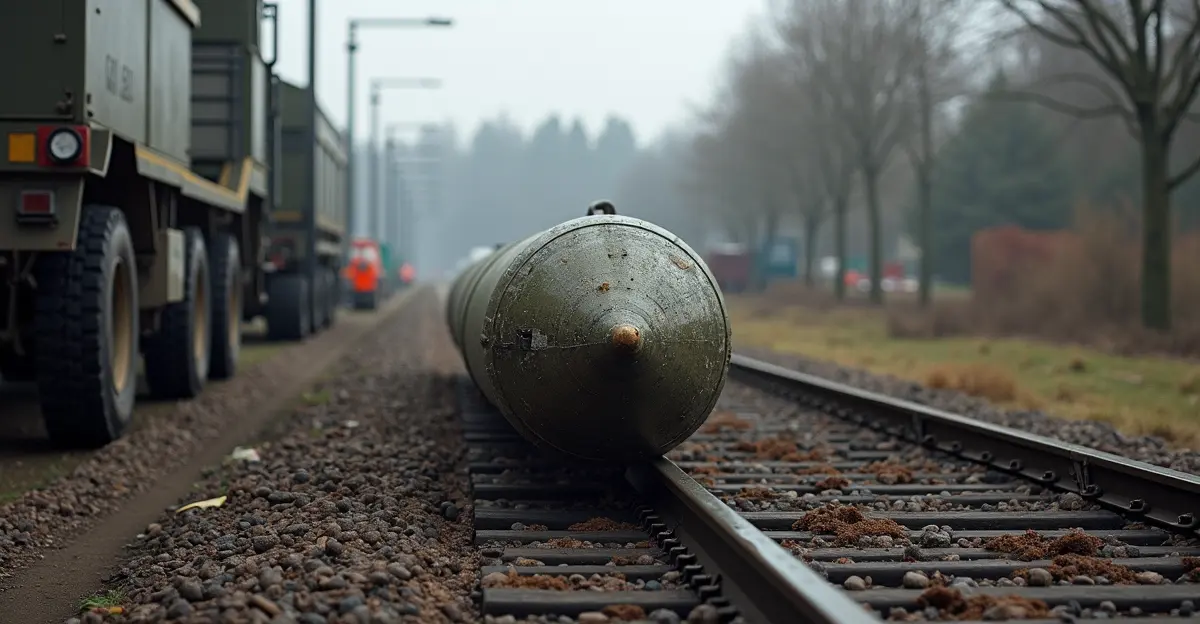
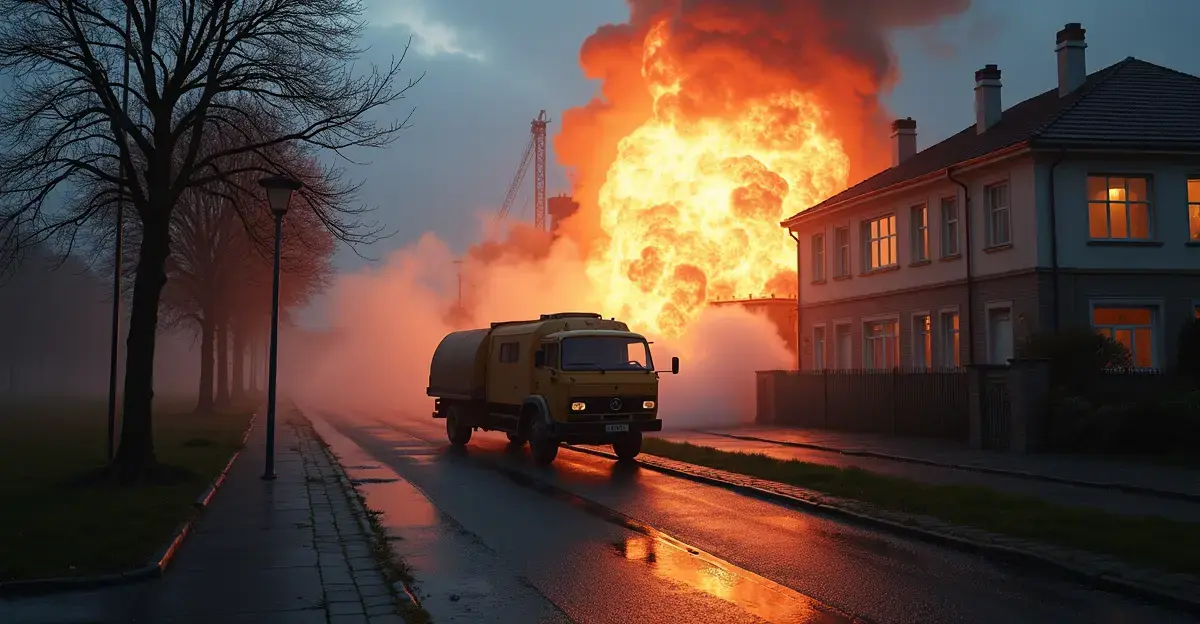
A 250-kilogram British World War II bomb was safely defused in Bochum, Germany, on the night of 4 November 2026, after forcing about 1,000 residents to evacuate and briefly closing part of the A40 motorway. The unexploded ordnance, discovered at a Protestant cemetery in the Wattenscheid-Westenfeld district, was neutralized by a specialist bomb-disposal team, and all road closures were lifted by 00:53 on 5 November, according to the City of Bochum.
How Was the WWII Bomb in Bochum Discovered?
Cemetery workers found the 250-kg British bomb with an impact fuse on 4 November 2026 while digging a new grave. The device lay within a 250-metre evacuation radius in the densely populated Ruhr district. Bochum sits between Essen and Dortmund, an industrial region that was heavily bombed during the Second World War. World War II unexploded ordnance remains a recurring safety issue across Germany, where experts estimate 10–15 per cent of dropped bombs failed to detonate.
Evacuation and Emergency Response in Bochum
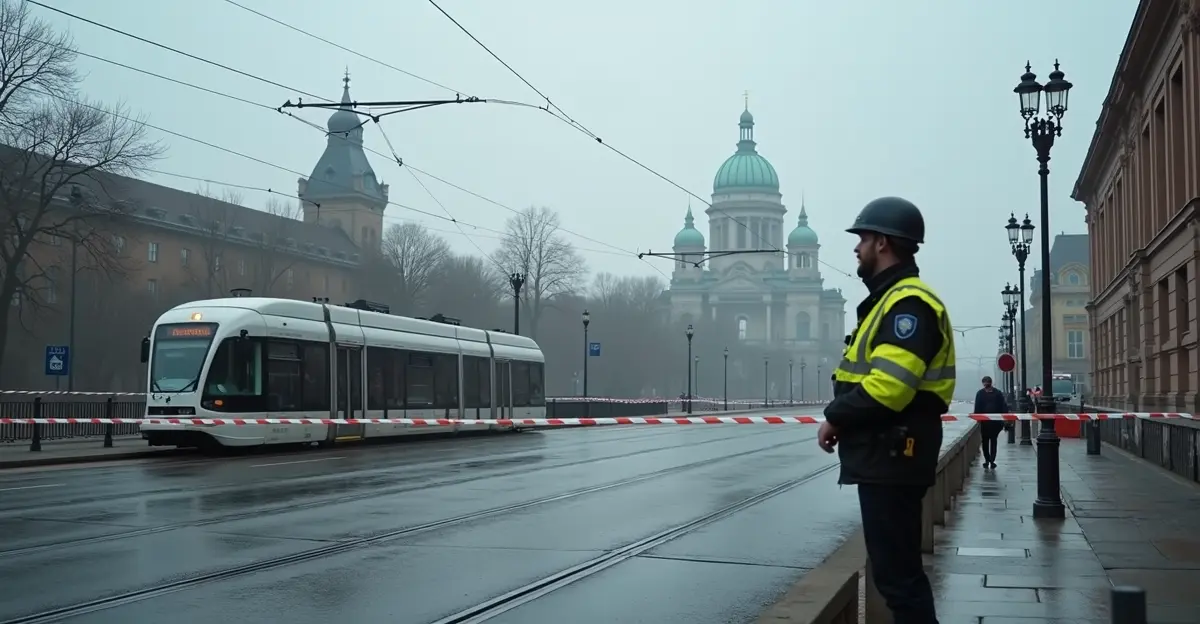
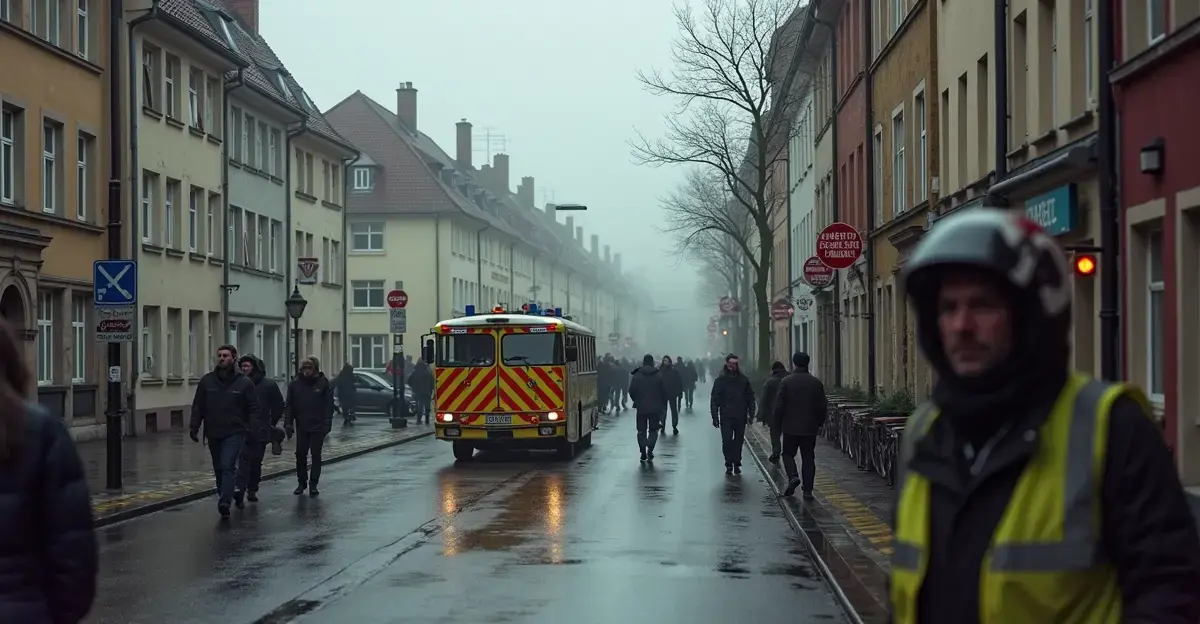
About 1,000 residents had to leave their homes at short notice. A care centre set up at Maria-Sybilla-Merian Comprehensive School received 156 people, while the city hotline fielded roughly 62 calls. In total, 137 personnel from emergency services, police, transit operators, bomb-disposal experts and municipal staff took part in the operation. An ASB thermal-imaging drone supported the team.
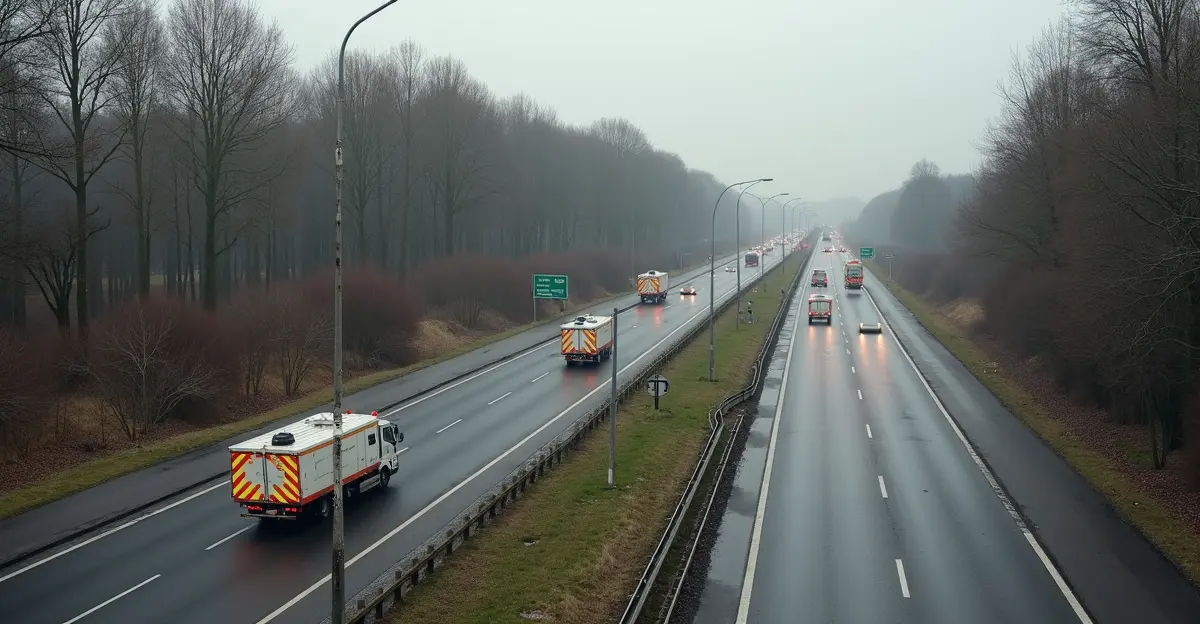
The A40, a key motorway through the Ruhr region, was closed in both directions for a short period while experts disabled the fuse. The detonator was later destroyed in a controlled explosion, producing a loud bang that could be heard nearby.
We thank all emergency teams and residents for their cooperation and patience, a city spokesperson said after the all-clear.
Key Facts at a Glance
- Bomb weight: 250 kg
- Origin: British Second World War ordnance
- Evacuation radius: 250 metres
- Residents evacuated: about 1,000
- Shelter users: 156
- Responders: 137
- Road closures lifted: 00:53, 5 November 2026
Why Are WWII Bombs Still Found in Germany?
More than 80 years after the war, construction and excavation work routinely uncovers unexploded bombs in German cities. In Bochum alone, five years earlier around 5,000 people had to leave homes near the central station after a similar discovery. Across Germany, recent cases include Dresden, where an estimated 18,000 people were evacuated in March 2026 for a 250-kg British bomb, and Pforzheim, where up to 30,000 residents were displaced in May. Bomb disposal in Germany is handled by specialised Kampfmittelräumdienst teams.
Impact and Implications
The successful defusing avoided damage or injuries, but the short-notice evacuation again highlighted the logistical burden of ageing munitions. WWII evacuation procedures require rapid coordination among police, fire brigades, transit authorities and municipal services. Bochum officials praised the smooth operation, but each discovery forces residents to temporarily abandon homes, disrupts transport and strains emergency resources.
Authorities continue to survey former bombing targets and respond to reports from construction sites. The Bochum case is a reminder that Europe's wartime legacy remains a live public-safety issue.
Frequently Asked Questions
What kind of bomb was defused in Bochum?
A 250-kilogram British World War II bomb with an impact fuse was defused at a Protestant cemetery in Wattenscheid-Westenfeld, Bochum.
How many people were evacuated in Bochum?
About 1,000 residents within a 250-metre radius had to leave their homes on 4 November 2026.
Was the A40 motorway closed?
Yes, the A40 was closed in both directions for a short time during the disposal operation and reopened by 00:53 on 5 November.
Where did evacuated residents go?
A care centre at Maria-Sybilla-Merian Comprehensive School accommodated 156 people, with a city hotline handling about 62 calls.
How common are WWII bomb discoveries in Germany?
Very common. An estimated 10–15 per cent of wartime bombs failed to explode, and discoveries during construction are routine more than 80 years after the war.

Follow Discussion