


 Deutsch
 English
 Español
 Français
 Nederlands
 Português


 Share
Share




Massive Evacuation in Southern Germany as WWII Bombs Are Defused
More than 30,000 people were evacuated from the German city of Pforzheim on May 17, 2026, as bomb disposal experts worked to neutralize a massive 1.8-tonne British World War II bomb discovered during construction work. Simultaneously, in the nearby town of Bitburg, seven American bombs were also defused, marking one of the largest coordinated ordnance disposal operations in Germany in recent years. The WWII bomb disposal in Germany remains a recurring challenge, with thousands of unexploded devices still buried across the country.
Background: The Persistent Threat of Unexploded WWII Ordnance
During World War II, Allied forces dropped approximately 2.7 million tonnes of bombs on Europe. An estimated 10% failed to detonate, leaving tens of thousands of unexploded bombs, or blindgängers, buried beneath German soil. According to German authorities, roughly 2,000 tonnes of WWII munitions are discovered and disposed of each year. In Berlin alone, 1.8 million pieces of ordnance have been defused between 1947 and 2018. The bombs found in Pforzheim and Bitburg are part of this dangerous legacy, which continues to disrupt modern life more than 80 years after the war ended.
The Pforzheim Operation: A British 'Blockbuster' Bomb
Discovery and Evacuation
The bomb was uncovered during routine construction work in the eastern part of Pforzheim, a city in southwestern Germany about 40 kilometers from Stuttgart. Initially assessed as not posing an immediate danger, authorities later decided to proceed with a full evacuation. The device was identified as an HC-4000, a British 'blockbuster' bomb weighing 1.8 tonnes and containing approximately 1.35 tonnes of explosives. Such bombs are notoriously difficult to defuse because they typically contain three separate fuzes, all of which must be neutralized.
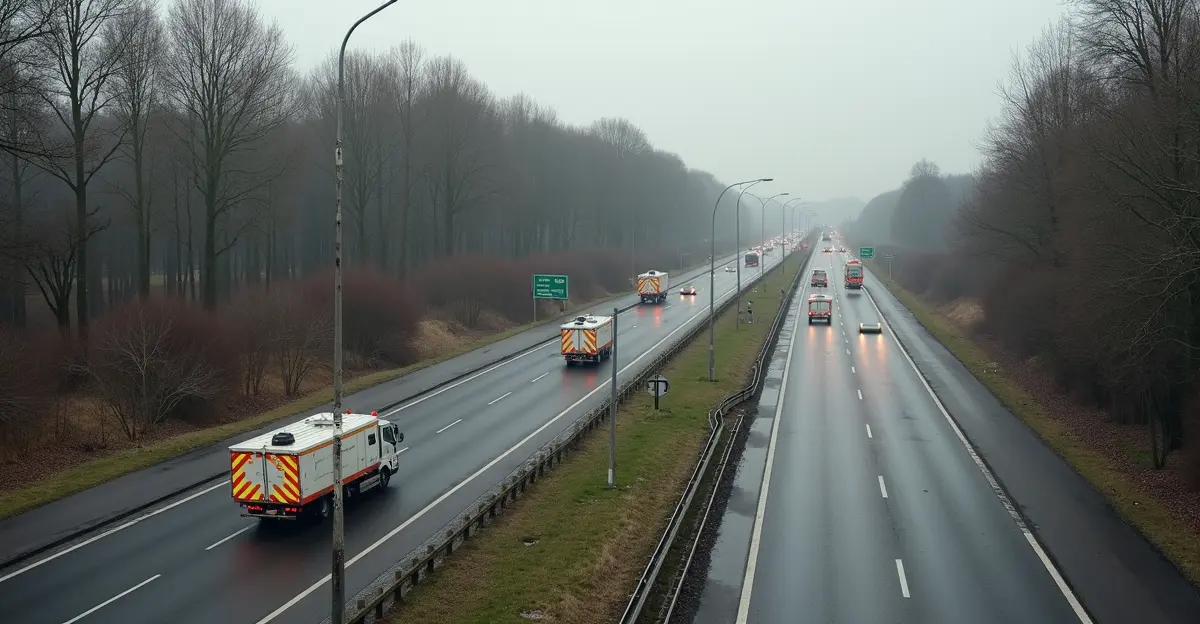
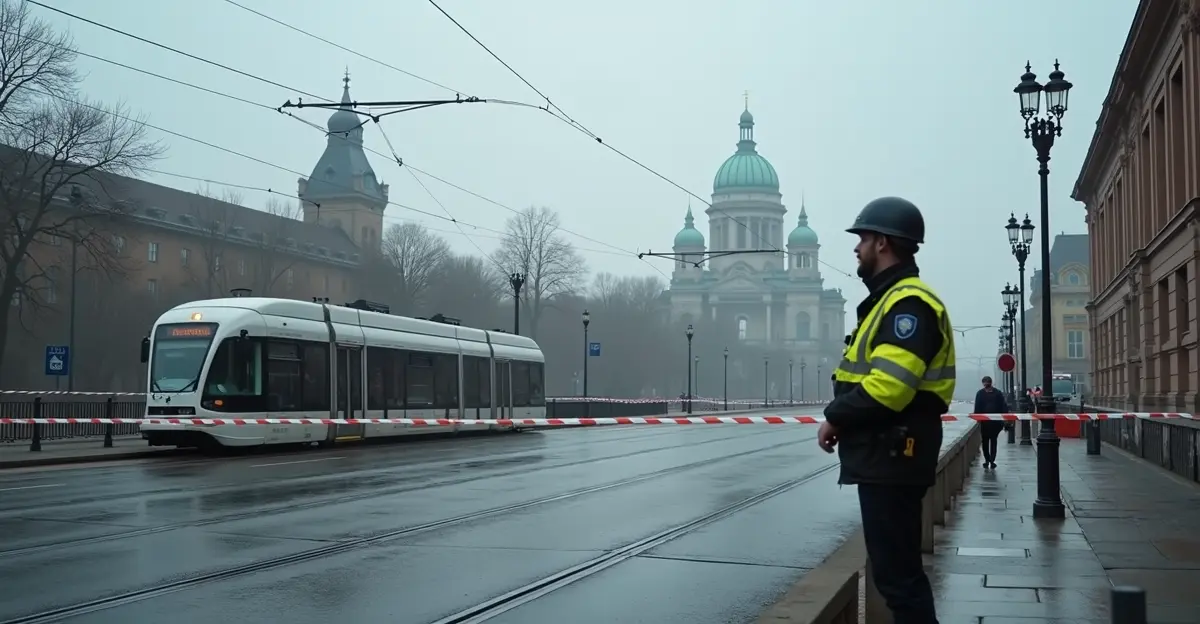
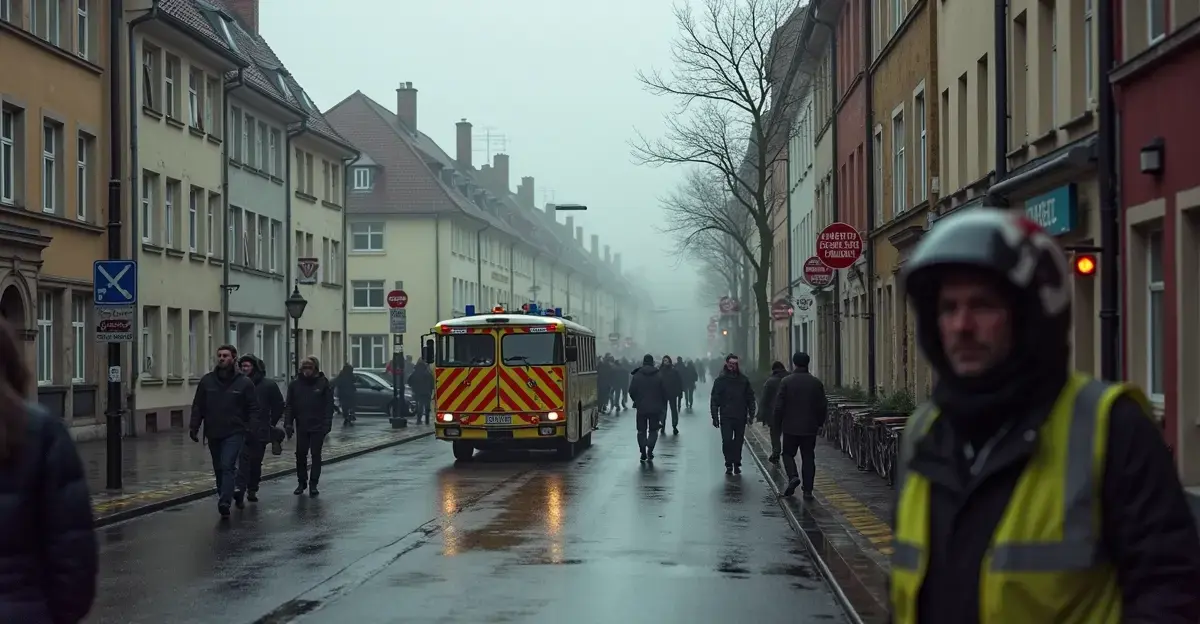
Nearly 30,000 residents were ordered to leave a 1.5-kilometer restricted zone. Police went door-to-door, and drones were deployed to ensure no one remained in the danger area. Hundreds of people sought refuge at emergency shelters set up by local authorities. The evacuation included several care homes, where some residents initially refused to leave, causing delays. Public transport was suspended, and rail connections to Karlsruhe and Stuttgart were disrupted. The Helios Hospital in the city continued operations uninterrupted.
Defusing the Bomb
Bomb disposal experts from the regional explosive ordnance service (KMBD) worked for several hours to safely defuse the device. The operation was completed without incident, and residents were allowed to return home approximately seven hours after the evacuation began. City officials thanked the population for their cooperation. The successful defusal was widely reported by German regional broadcaster SWR, which noted the rarity of such a large evacuation in recent years.
Pforzheim holds a particularly dark place in WWII history. On February 23, 1945, the Royal Air Force launched one of the most devastating area bombardments of the war, killing an estimated 17,600 people—31.4% of the city's population—and destroying 83% of its built-up area. The history of Pforzheim bombing 1945 is a stark reminder of the city's wartime past.
The Bitburg Operation: Seven American Bombs Defused
On the same day, bomb disposal teams in Bitburg, a town in Rhineland-Palatinate near the border with Luxembourg, successfully defused seven American aircraft bombs discovered on a construction site on May 13. The ordnance included one 125-kilogram American bomb and six 30-kilogram (later reported as 45-kilogram) US bombs. A 300-meter exclusion zone was established, and approximately 200 residents were evacuated from their homes before 9 a.m. Defusing work began at 11 a.m. and was completed safely. The bombs were placed on pallets and removed from the site after being neutralized.
Impact and Implications: A Nation Still at War with Its Past
The coordinated operations in Pforzheim and Bitburg highlight the ongoing challenge Germany faces with unexploded WWII ordnance. Such incidents are not isolated: in January 2025, a bomb was found at Dresden's collapsed Carola Bridge; in March 2025, a 500-kilogram bomb was unearthed at Chemiepark Zeitz; and in 2024, large-scale evacuations occurred in Cologne and Nuremberg. The social and economic costs are significant, with evacuations disrupting schools, businesses, transportation, and daily life for thousands of residents.
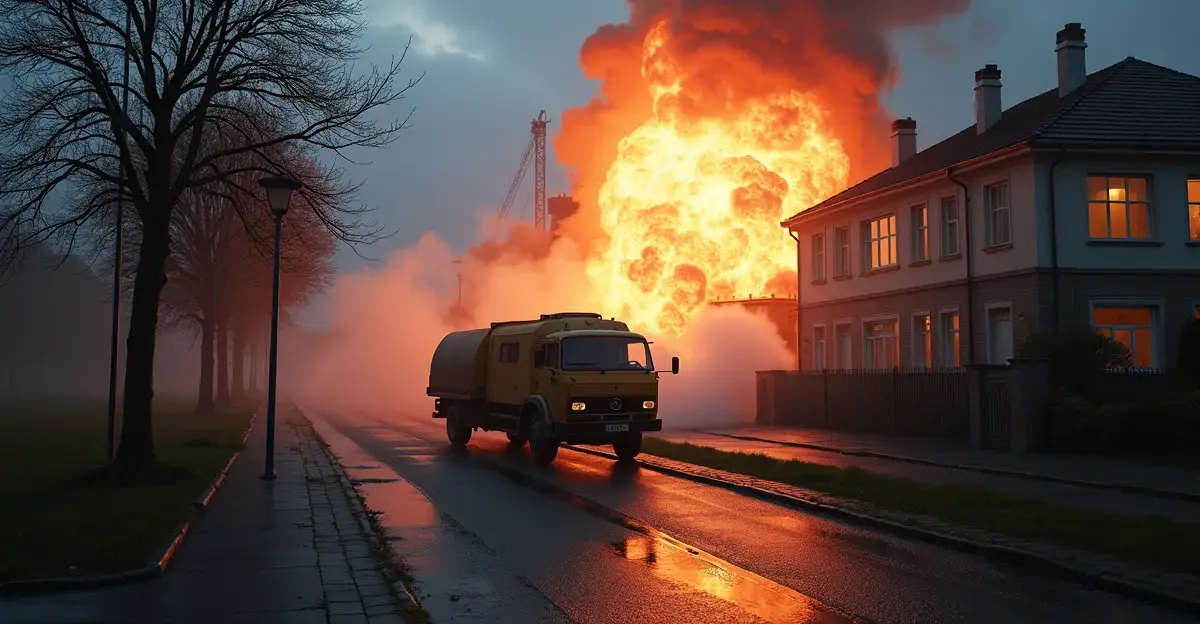
Bomb disposal teams face extreme risks. Aging ordnance becomes increasingly unstable as casings corrode, exposing explosives like TNT and Amatol to the elements. Germany uses historical Allied reconnaissance photos to locate buried bombs, sometimes finding them beneath schools, churches, and homes built long after the war. Tragically, some bombs still detonate unexpectedly. In 2010, three disposal experts were killed in Göttingen when a bomb exploded during defusing. In 1994, an explosion in Berlin's Friedrichshain district killed three people and damaged numerous buildings.
The risk of unexploded bombs in Germany remains a reality that communities must navigate for decades to come. Authorities are well-prepared, but the sheer volume of remaining ordnance—estimated at tens of thousands of devices—means that evacuations and disposal operations will continue.
Frequently Asked Questions
How common are WWII bomb discoveries in Germany?
Very common. Approximately 2,000 tonnes of WWII munitions are found and disposed of each year across Germany. In Berlin alone, over 1.8 million pieces of ordnance have been defused since 1947.
Why are there still so many unexploded bombs in Germany?
During WWII, Allied forces dropped an estimated 2.7 million tonnes of bombs on Europe. About 10% failed to detonate due to faulty mechanisms, soft ground, or other factors. Many bombs were buried by the impact and remain undiscovered.
Are WWII bombs becoming more dangerous over time?
Yes. As bomb casings corrode, the explosives inside can become more unstable and sensitive to shock. This makes handling and defusing them increasingly hazardous for disposal teams.
What is a 'blockbuster' bomb?
A blockbuster bomb, such as the HC-4000 found in Pforzheim, is a large British aerial bomb designed to cause widespread blast damage. The HC-4000 weighed 1.8 tonnes and contained about 1.35 tonnes of explosives. It typically had three fuzes, making defusal complex.
How long do evacuation operations typically last?
Most evacuation and defusal operations are completed within a single day. The Pforzheim operation, for example, lasted about seven hours. However, larger or more complex bombs may require longer periods, sometimes overnight.


Follow Discussion