


 Deutsch
 English
 Español
 Français
 Nederlands
 Português


 Share
Share




Mass Evacuation in Dresden After 250kg WWII Bomb Discovery
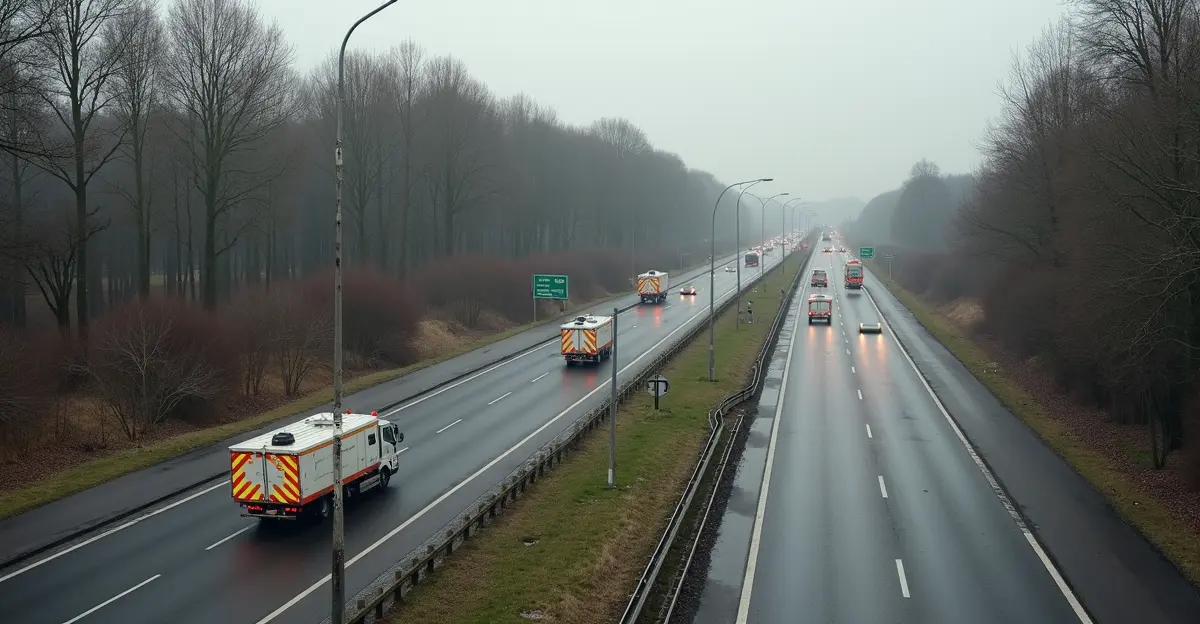
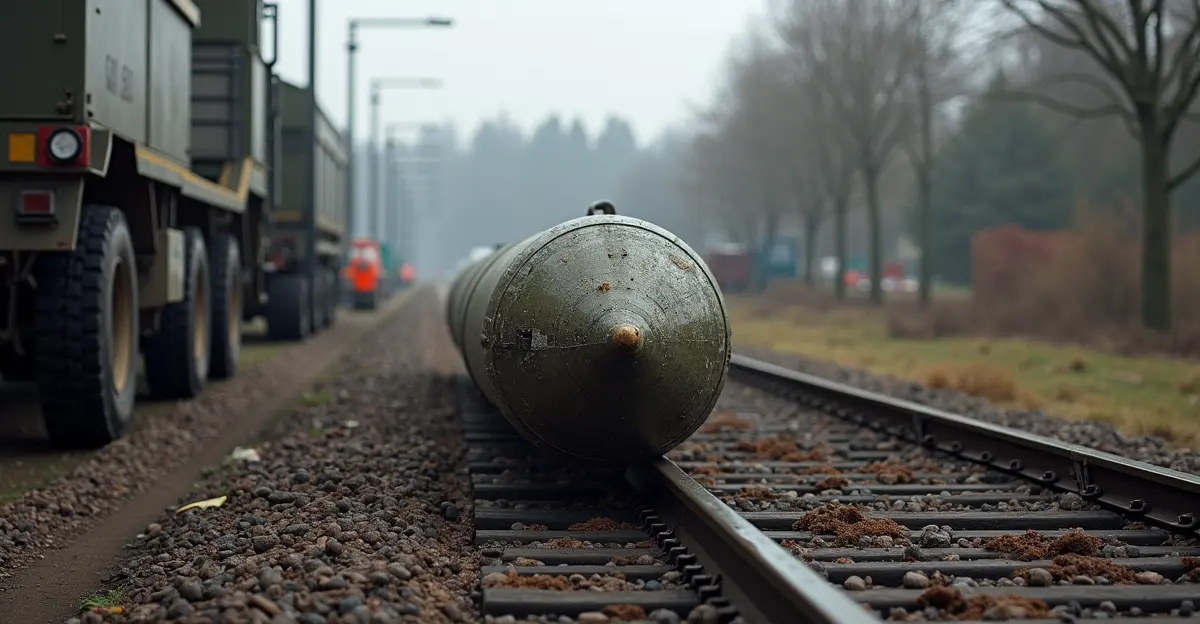
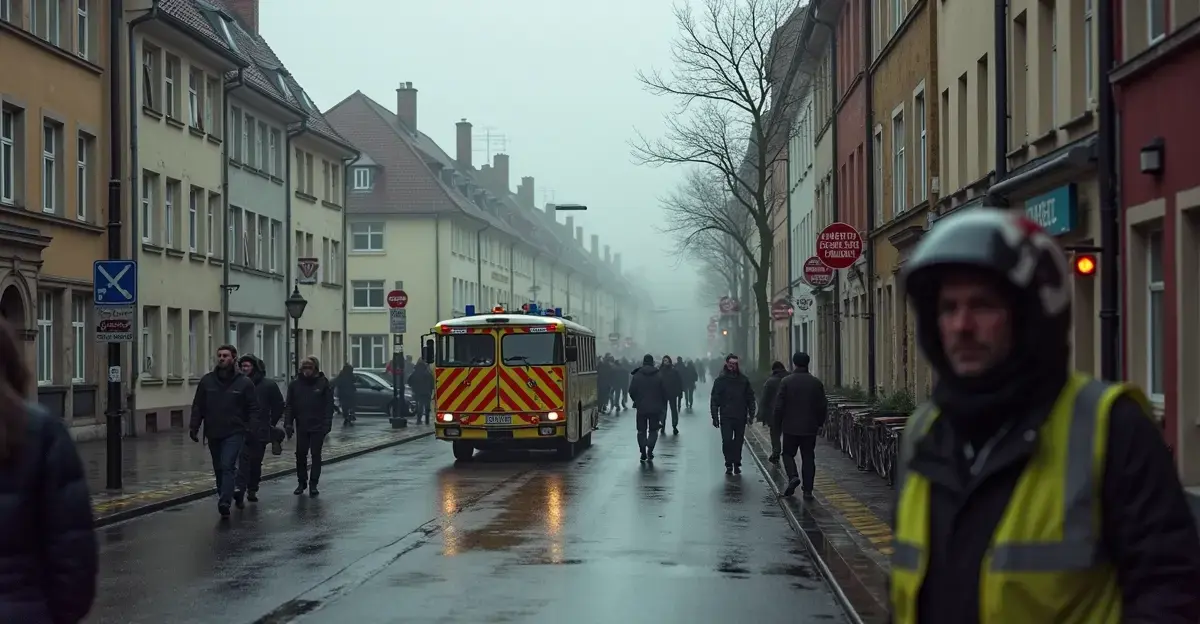
German authorities have ordered the evacuation of approximately 18,000 people from central Dresden after discovering a 250-kilogram British World War II bomb near the collapsed Carola Bridge. This massive security operation, occurring on March 11, 2026, represents one of the largest evacuations in Dresden's history related to unexploded wartime ordnance. The evacuation zone extends 1,000 meters from the bomb site, affecting schools, nursing homes, museums, police headquarters, and even the Saxony state parliament building.
What is the Dresden WWII Bomb Situation?
The 250kg (551lb) unexploded British bomb was discovered on March 10, 2026, during work around the collapsed Carola Bridge over the Elbe River. Authorities immediately established a 1,000-meter evacuation radius, giving residents until 9:00 AM on March 11 to leave the area. Emergency services deployed additional buses and trams to facilitate the evacuation, with police authorized to remove anyone remaining after the deadline. 'This is a serious threat that requires immediate action to protect public safety,' stated Dresden fire department spokesperson.
Historical Context: Dresden's Wartime Legacy
Dresden was heavily bombed by British and American forces during four raids between February 13-15, 1945. Allied aircraft dropped more than 3,900 tons of explosives, creating a firestorm that destroyed over 1,600 acres of the city center and killed approximately 25,000 people. The city's strategic importance as a transportation hub and industrial center made it a target, though the bombing remains controversial decades later. This latest discovery continues the legacy of WWII ordnance that still threatens German cities nearly 80 years after the war ended.
Evacuation Details and Impact
The evacuation affects major landmarks including:
- Frauenkirche Lutheran church
- Dresden Residenzschloss palace
- Semperoper opera house
- Police headquarters
- Saxony state parliament
- Multiple schools and nursing homes
Emergency accommodation has been established at the Dresden Exhibition Centre for displaced residents. Public transportation has been rerouted, and businesses within the evacuation zone have been ordered to close. The operation represents the largest evacuation in Dresden's history for bomb disposal, surpassing previous incidents in 2025 when multiple WWII bombs were found during demolition work on the same bridge.
Bomb Disposal Challenges in Germany
Germany faces ongoing challenges with unexploded WWII ordnance. Statistics show alarming trends:
| Year | Bombs Found in NRW | Percentage Increase |
|---|---|---|
| 2023 | 1,133 | - |
| 2024 | 1,606 | 42% |
In North Rhine-Westphalia alone, bomb disposal services discovered 1,606 WWII bombs in 2024—a 42% increase from the previous year. Experts attribute this rise to increased construction activity, with bomb disposal teams involved in 35,567 construction projects. The German government estimates that over 2 million tons of bombs were dropped on Germany during WWII, with thousands still buried and potentially active.
Long-term Implications and Safety Measures
The Dresden evacuation highlights the persistent danger of unexploded WWII ordnance across Germany. Defense contractor Rheinmetall is addressing this issue by building a major ammunition disposal facility in Bavaria, scheduled to begin operations in early 2026. The facility will handle legacy munitions from both world wars, with an estimated 1.6 million tonnes of legacy munitions in the North and Baltic Seas alone. This incident follows similar bomb disposal operations across Germany, where construction projects frequently uncover dangerous explosives.
Frequently Asked Questions
How many people were evacuated in Dresden?
Approximately 18,000 residents, tourists, and workers were evacuated from central Dresden on March 11, 2026.
What type of bomb was found?
A 250-kilogram (551lb) British aerial bomb from World War II, discovered near the collapsed Carola Bridge over the Elbe River.
How common are WWII bomb discoveries in Germany?
Very common. In 2024 alone, bomb disposal services in North Rhine-Westphalia found 1,606 WWII bombs—a 42% increase from 2023. Germany experiences hundreds of bomb discoveries annually.
When was Dresden bombed during WWII?
Dresden was bombed in four raids between February 13-15, 1945, by British and American forces. Approximately 25,000 people were killed in the attacks.
How long will the evacuation last?
Authorities have not specified a timeline for the bomb disposal operation, but similar operations typically last several hours to a full day.


Follow Discussion