


 Deutsch
 English
 Español
 Français
 Nederlands
 Português


 Share
Share




Campfire Turns to Chaos in Upper Austria
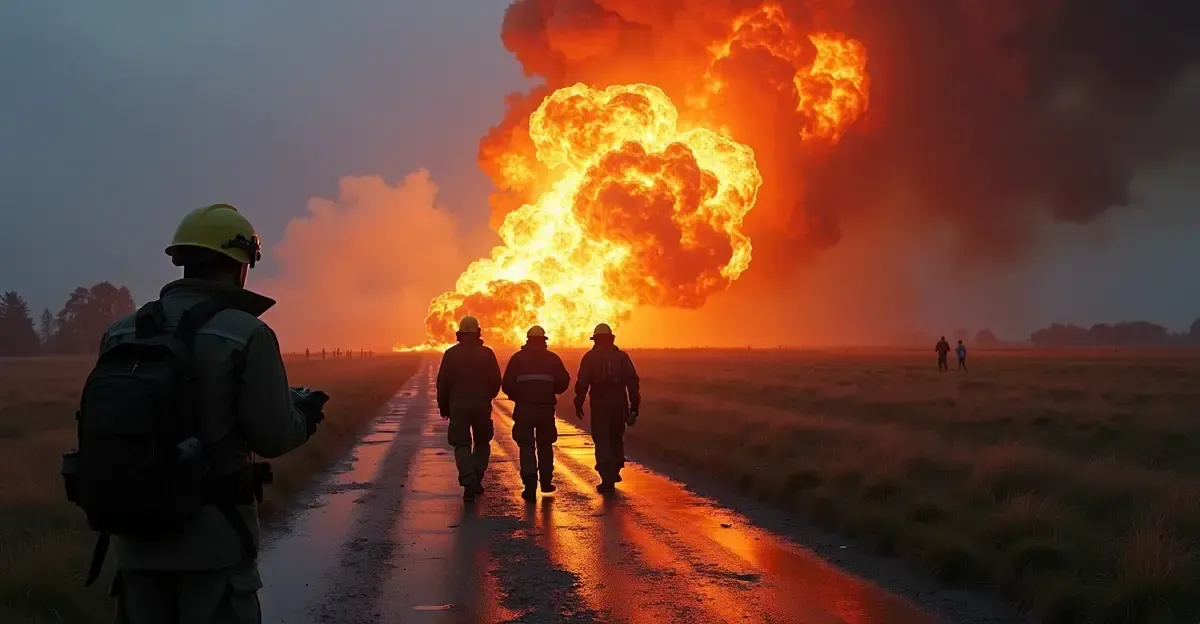
Five children between the ages of 10 and 14 were injured on Saturday evening when a World War II-era rifle grenade exploded beneath a campfire in St. Oswald bei Freistadt, Upper Austria. The blast sent a fireball and debris through a youth fire brigade gathering, leaving the young victims with minor injuries. The incident has reignited concerns about the lingering danger of unexploded ordnance (UXO) across Europe, decades after the war ended.
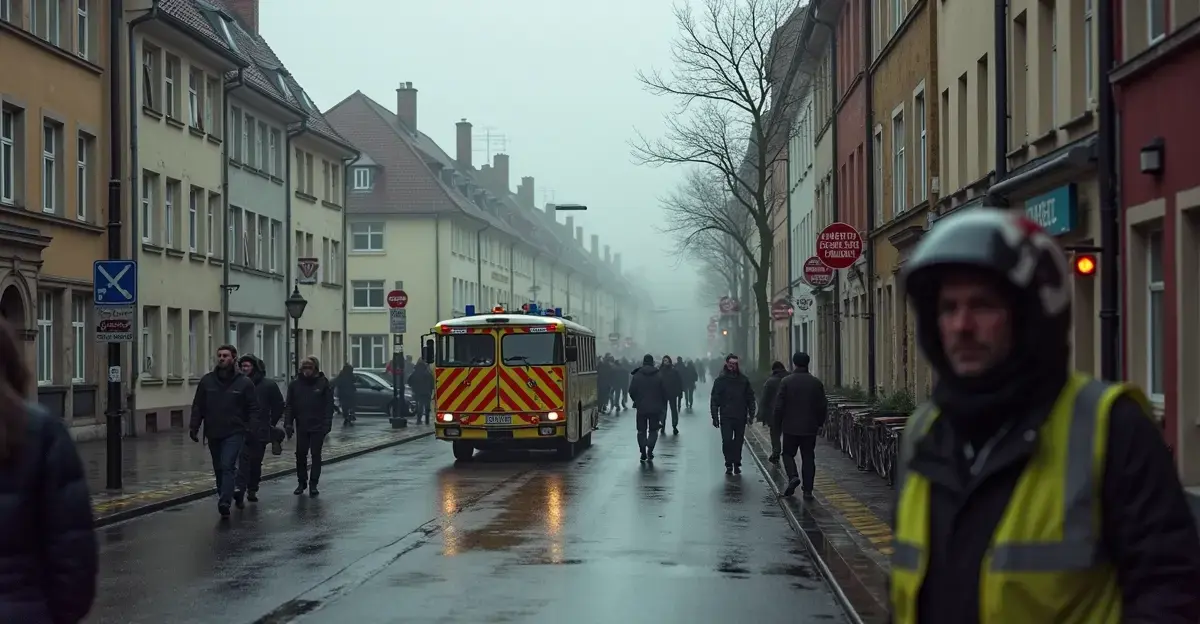
The group from the Guggenberg Youth Fire Department had been enjoying a campfire at a local youth hostel for about an hour when the ordnance detonated. Witnesses reported a loud bang, a jet of flame, and a cloud of ash. According to the Austrian news outlet Krone, a supervisor described a sudden, violent explosion that sent everyone diving for cover. The children were rushed to Med Campus IV in Linz, treated as outpatients, and released the same night.
How Did a WWII Grenade End Up Under a Campfire?
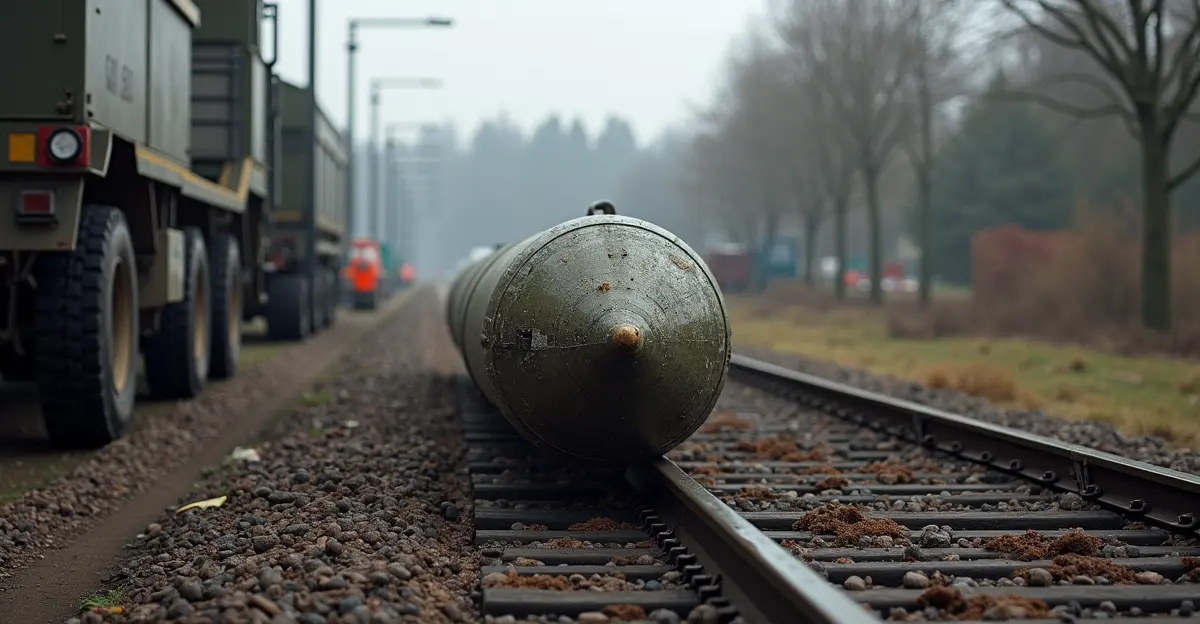
The explosive device was identified as a German Gewehrgranate, a rifle grenade used by the Wehrmacht during World War II. These projectiles were launched from a standard service rifle using a blank cartridge and typically contained TNT or other high explosives. According to the German news agency DPA, the type found in St. Oswald was designed to be fired from a rifle, and its presence in a recreational camping area has baffled authorities.
After the initial explosion, police and bomb disposal experts searched the surrounding area and discovered a second, intact rifle grenade in an adjacent fire pit on the same property. That device was safely removed and neutralized by the Explosive Ordnance Disposal (EOD) unit. An investigation is now underway to determine how these wartime relics ended up beneath the campfire sites. Possible explanations include soil disturbance from recent construction, natural erosion, or the relocation of fill material containing buried ordnance.
The unexploded ordnance in Europe remains a persistent threat, with hundreds of thousands of tons of munitions still buried across the continent. In Austria alone, authorities handle hundreds of UXO reports each year, often during construction or agricultural work.
Why Unexploded WWII Ordnance Still Threatens Lives
More than 80 years after the end of World War II, large swaths of Europe remain contaminated with unexploded bombs, shells, and grenades. The problem is particularly acute in Germany, Austria, and Eastern Europe, where intense ground combat and aerial bombing left behind a deadly legacy.
According to explosives experts, these relics become more unstable as they age. Metal casings corrode, internal chemical compounds degrade, and fuzes can become more sensitive to heat, shock, or even vibration. The campfire in St. Oswald provided enough heat to trigger the grenade's explosive filler, causing it to detonate with lethal force.
In 2023 alone, UNICEF reported that more than 5,700 children worldwide were injured or killed by explosive remnants of war. While the majority of these casualties occur in active conflict zones like Ukraine, Syria, and Yemen, even peaceful countries like Austria are not immune. The risks of war relics in forests are often underestimated by hikers, campers, and outdoor enthusiasts.
What to Do If You Suspect Unexploded Ordnance
Authorities urge the public to follow these safety guidelines if they encounter suspicious metal objects in outdoor areas:
- Do not touch or disturb the object. Even decades-old ordnance can be highly unstable.
- Mark the location and move to a safe distance (at least 100 meters).
- Report the find immediately to local police or the nearest bomb disposal unit.
- Never build a campfire directly on the ground in areas known to have historical military activity. Use raised fire pits or portable stoves instead.
- Educate children about the dangers of picking up or playing with old metal objects found outdoors.
The Austrian Ministry of Interior operates a dedicated UXO hotline and responds to hundreds of calls annually. In 2025, over 300 such reports were filed across the country, leading to the safe removal of numerous wartime relics.
Broader Implications for Outdoor Safety
The incident in St. Oswald bei Freistadt serves as a stark reminder that the "war to end all wars" continues to claim victims long after the guns fell silent. Youth organizations, schools, and outdoor recreation groups across Europe are now re-evaluating their safety protocols for campfires and ground-based activities. The Guggenberg Youth Fire Department has announced that all members involved in the incident will receive psychological debriefing support in the coming days.
Local authorities have cordoned off the area and are conducting a thorough sweep of the entire campsite using metal detectors. The dangers of WWII relics in Austria are not limited to remote forests; urban construction projects frequently uncover large aerial bombs that require mass evacuations. In 2024, a 500-kilogram British bomb discovered in Frankfurt led to the evacuation of 15,000 residents.
Frequently Asked Questions
How common are WWII ordnance explosions in Austria?
While unexploded ordnance is frequently discovered in Austria during construction and excavation, accidental detonations are rare. The incident in St. Oswald is one of only a handful of such cases in the past decade.
What type of grenade was involved?
The device was a German Gewehrgranate (rifle grenade) from World War II, designed to be launched from a K98k rifle. It contained high explosives and a base fuze.
Were the children seriously injured?
Fortunately, all five children suffered only minor injuries. They were treated at a hospital in Linz and released the same evening.
How can I stay safe from UXO while camping?
Avoid building fires directly on the ground in areas with a history of military activity. Use raised fire pits, inspect the area for metal objects, and report any suspicious finds to authorities.
What should I do if I find a suspicious metal object?
Do not touch it. Mark the location, move to a safe distance, and call the police or local bomb disposal unit immediately.
Follow Discussion