


 Deutsch
 English
 Español
 Français
 Nederlands
 Português


 Share
Share




Dutch Skier Killed in Austria: Complete Guide to Alpine Safety 2026
A 25-year-old Dutch skier from Rotterdam has tragically died following a collision with a snow cannon on a red piste in Fiss, Tirol, Austria. The fatal accident occurred during an overtaking maneuver on March 23, 2026, marking another somber statistic in what has become a particularly dangerous ski season across Europe.
What Happened in Fiss, Austria?
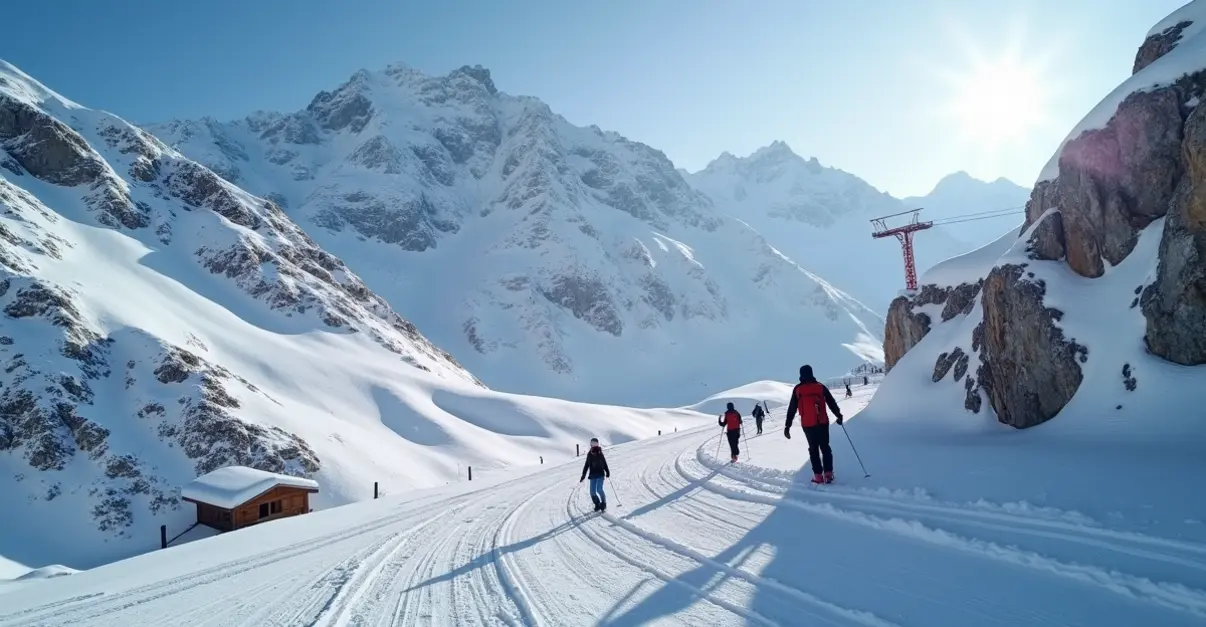
According to Austrian police reports and local media, the Dutch national was attempting to overtake other skiers on a marked red piste in the Serfaus-Fiss-Ladis ski area when he collided with a stationary snow cannon. Witnesses who observed the accident immediately alerted emergency services and provided first aid, but the 25-year-old man succumbed to his injuries at the scene. The incident occurred in the popular Tyrolean resort of Fiss, part of the larger Serfaus-Fiss-Ladis ski region that attracts thousands of Dutch tourists annually.
The Serfaus-Fiss-Ladis ski area, formed in 1999 through the collaboration of three municipalities, is known for its extensive ski infrastructure and family-friendly slopes. However, this tragic accident highlights the potential dangers even on marked pistes, particularly when ski equipment safety standards are not properly observed.
Europe's Dangerous 2026 Ski Season
This fatal accident comes during what has been an exceptionally dangerous ski season across Europe. According to recent statistics, more than 125 people have already lost their lives in European ski areas during the 2025-2026 winter season. The majority of these fatalities have resulted from avalanches, which have been particularly frequent and deadly this year.
Why Are There More Avalanches This Year?
Experts point to two primary factors contributing to the increased avalanche danger:
- Weak Snow Foundation: An unusually weak snow base layer has developed across many Alpine regions, creating unstable conditions that are prone to collapse.
- Heavy Snowfall: Significant precipitation throughout the season has added weight to already unstable snowpacks, increasing the likelihood of slab avalanches.
"The combination of a weak foundation layer and heavy recent snowfall has created perfect conditions for dangerous slab avalanches," explains Alpine safety expert Dr. Markus Weber. "Skiers need to be particularly cautious this season and stay within marked areas unless properly equipped and trained."
Ski Safety: Snow Cannons vs. Natural Hazards
While avalanches have dominated the safety conversation this season, the Fiss accident highlights another significant hazard: man-made infrastructure on ski slopes. Snow cannons, while essential for maintaining ski conditions during warmer periods or low snowfall, present collision risks particularly on busy pistes.
| Hazard Type | 2026 Fatalities | Prevention Measures |
|---|---|---|
| Avalanches | 125+ | Stay on marked pistes, carry safety equipment, check avalanche warnings |
| Collisions with Infrastructure | Multiple incidents reported | Maintain safe speed, be aware of surroundings, follow piste markings |
| Tree/Obstacle Collisions | Statistics being compiled | Wear helmets, ski within ability level, avoid off-piste without guidance |
How to Stay Safe While Skiing in 2026
Given the current conditions in European ski resorts, following these safety guidelines is more important than ever:
5 Essential Ski Safety Tips
- Check Daily Conditions: Always review avalanche warnings and piste conditions before heading out. Many resorts provide daily updates through apps and information boards.
- Stay Within Marked Areas: Unless you're an experienced off-piste skier with proper equipment and training, remain on designated pistes.
- Maintain Control: Always ski at a speed that allows you to stop or avoid obstacles, including other skiers and infrastructure like snow cannons.
- Wear Proper Equipment: A certified ski helmet is essential, and consider additional safety gear like avalanche transceivers if venturing off-piste.
- Take Lessons: Even experienced skiers can benefit from refresher courses, particularly when conditions are challenging like this season.
The Dutch Foreign Ministry has issued updated travel advice for citizens planning ski holidays in Austria, emphasizing the importance of winter sports insurance coverage and awareness of local conditions.
Impact on Dutch Tourism and Safety Standards
With approximately one million Dutch citizens taking ski holidays annually, and Austria being one of their most popular destinations, this tragedy has significant implications. The Netherlands has one of the highest per capita rates of ski participation in Europe, making Dutch skiers particularly visible in Alpine accident statistics.
"Each tragedy like this reminds us that mountains demand respect," says Hans van der Berg, president of the Dutch Ski Association. "We're working with Austrian authorities to improve safety communication and ensure our citizens understand the risks, especially during seasons like this one."
Austrian authorities have announced they will review safety measures around snow cannons and other slope infrastructure following this incident. Similar to the 2025 ski lift accident investigation, this review will likely lead to updated safety protocols for the 2026-2027 season.
Frequently Asked Questions
What exactly happened to the Dutch skier in Austria?
A 25-year-old Dutch man from Rotterdam died after colliding with a snow cannon while attempting to overtake other skiers on a red piste in Fiss, Tirol, on March 23, 2026.
How many ski fatalities have occurred in Europe this season?
More than 125 people have died in European ski areas during the 2025-2026 season, with the majority of fatalities resulting from avalanches.
Why are there more avalanches this year?
Two main factors: a weak snow foundation layer across Alpine regions and heavy snowfall that has added weight to unstable snowpacks, increasing avalanche risk.
What should I do to stay safe while skiing in Austria?
Check daily avalanche warnings, stay on marked pistes unless properly equipped for off-piste, maintain control of your speed, wear a helmet, and consider taking lessons to refresh your skills.
Are snow cannons dangerous?
While essential for maintaining ski conditions, snow cannons and other slope infrastructure can pose collision risks if skiers don't maintain proper control and awareness of their surroundings.
Follow Discussion