


 Deutsch
 English
 Español
 Français
 Nederlands
 Português


 Share
Share




Deadly Crash in Tomblaine Claims 11 Lives
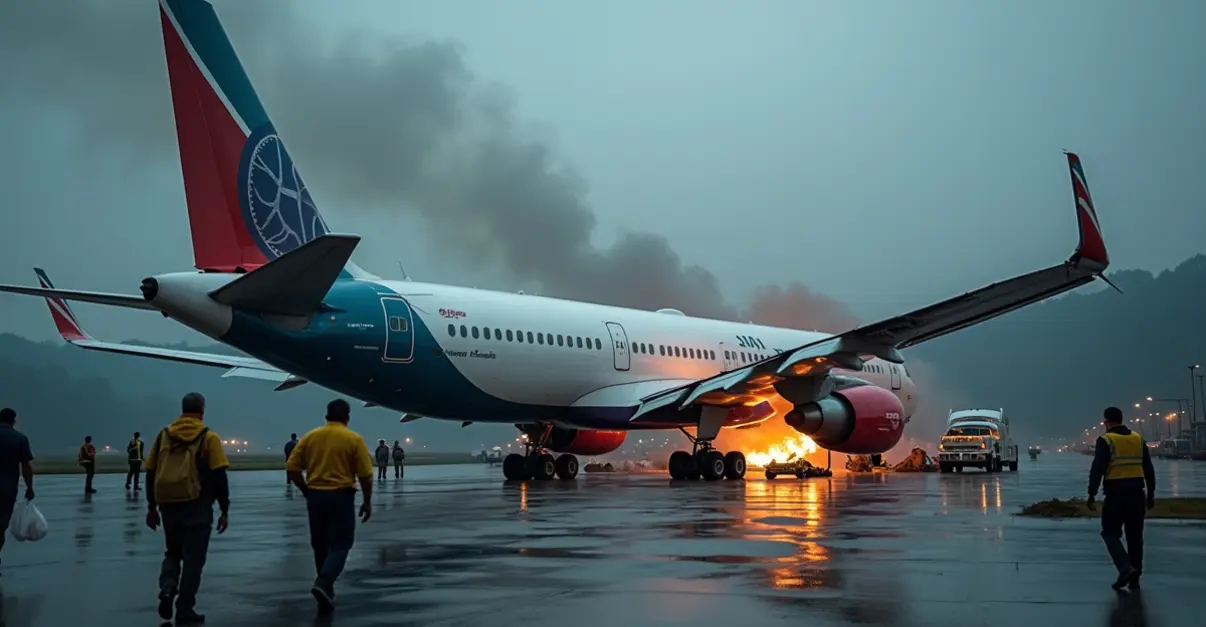
A skydiving plane crashed shortly after takeoff near the French city of Nancy on Sunday, June 28, 2026, killing all 11 people on board. The aircraft, a Pilatus PC-6/B2-H4 Turbo Porter registered as D-FIPS, went down around 11:00 a.m. local time in the Tomblaine suburb, marking the deadliest skydiving aviation accident in French history.
The victims include the pilot, five skydiving instructors, and five students — a group of self-employed nurses from Nancy who were making their first tandem skydive. French Transport Minister Philippe Tabarot called it a 'terrible tragedy' and confirmed he would visit the crash site. Regional prefect Yves Séguy told reporters the aircraft crashed 'almost vertically, right next to a housing development' on the edge of the airfield.
Witness Accounts and Emergency Response
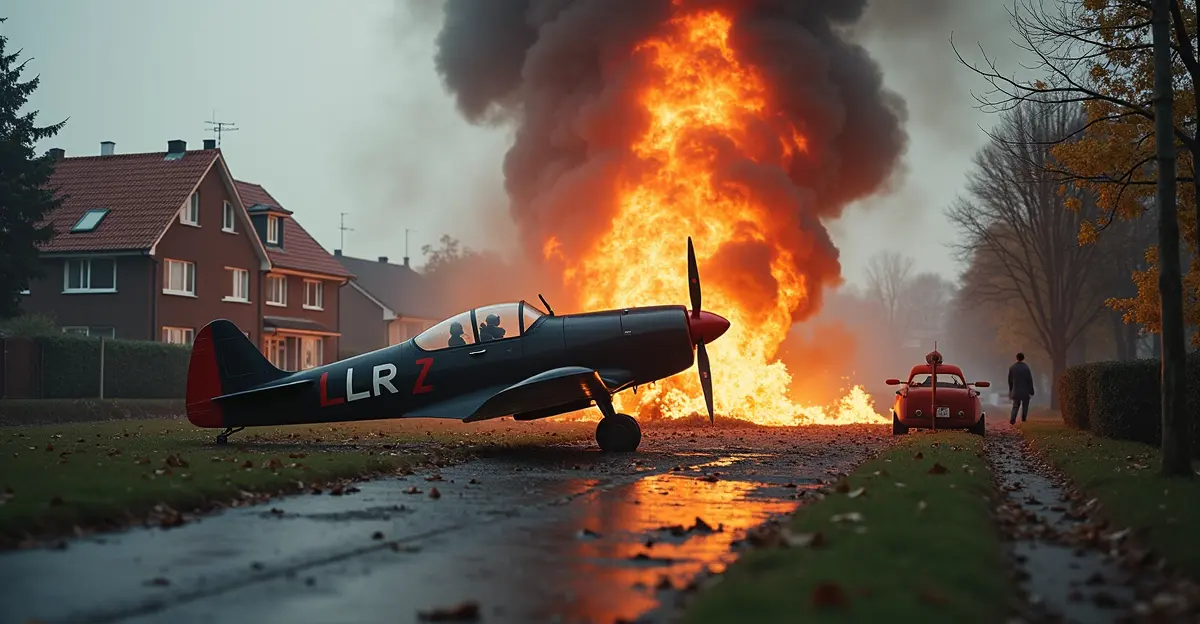
Witnesses reported seeing the plane climb normally before suddenly veering to the right, with the engine noise stopping abruptly. One eyewitness told local newspaper l'Est Républicain: 'I was on my way to the supermarket when I saw the plane dive down and crash.' The aircraft struck a bike path approximately 300 meters from the runway, narrowly missing homes and a shopping center. No injuries were reported on the ground.
Family members who had gathered at the airport to watch and film the jump witnessed the tragedy unfold. A massive emergency response was mobilized, including more than 50 firefighters, police units, and medical teams. French Interior Minister Laurent Nunez and Transport Minister Tabarot were expected to visit the scene later that day. Psychological support was deployed for grieving relatives and witnesses.
The 2026 Tomblaine Pilatus PC-6 crash has drawn comparisons to a similar skydiving accident in Missouri weeks earlier that killed 12 people.
Aircraft and Operator Details
The Pilatus PC-6/B2-H4 Turbo Porter (manufactured in 1991) was operated by German company Classic Wings GmbH, which held a specialized air operator certificate (AOC/SPO), on behalf of French firm KIAS Airlines. The aircraft was chartered by Tandemotion Parachutisme for a skydiving weekend. The PC-6 is a popular single-engine utility aircraft known for its short-takeoff-and-landing (STOL) capabilities, making it a favorite among skydiving operators worldwide. However, the type has been involved in several accidents historically, often related to engine failure or loss of control at low altitude.
The aircraft had reportedly completed two previous takeoffs that day without incident before the fatal third flight. Witnesses described the plane drifting left after takeoff, entering a left turn, and then plunging straight down. Investigators will examine whether extreme heat — record temperatures were recorded in the region the day prior — may have played a role in reducing engine performance.
Investigation Underway
The French Bureau of Enquiry and Analysis for Civil Aviation Safety (BEA) has opened a technical investigation to determine the cause of the crash. The probe will examine the aircraft's flight path, technical condition, operational circumstances, and witness accounts. The Public Prosecutor's Office and the Air Transport Gendarmerie Brigade are also involved in the inquiry. Forensic experts are expected to analyze the wreckage and flight data recorders if available.
While the exact cause remains unknown, initial reports suggest a possible engine failure or mechanical malfunction. The Pilatus PC-6 safety record has come under renewed scrutiny following this tragedy. The aircraft was destroyed on impact, complicating the investigation.
Victims and Community Mourning
The five students were reportedly self-employed nurses who had decided to go skydiving together to unwind during a difficult heatwave period. The president of a regional nurses' association confirmed to French media that the victims included nursing professionals on their first-ever skydive. The five instructors were experienced skydivers, and the pilot was a seasoned aviator.
Mayor of Tomblaine, Hervé Feron, described the event as an 'unprecedented tragedy' for the community. The town has established a crisis center to support affected families. The Nancy plane crash investigation is expected to take months, with preliminary findings anticipated within weeks.
Impact on Skydiving Operations
The crash has sent shockwaves through the skydiving community in France and beyond. Safety protocols for tandem jumps and aircraft maintenance are likely to face increased scrutiny. The incident also raises questions about the oversight of specialized aviation operations and the use of aging aircraft in parachuting activities. The European Union Aviation Safety Agency (EASA) may review regulations for skydiving flights in the wake of this disaster.
FAQ
What caused the Tomblaine plane crash?
The exact cause remains under investigation by French authorities. Witnesses reported the engine noise stopping and the plane plunging vertically, suggesting a possible engine failure or mechanical issue.
How many people died in the Nancy skydiving crash?
All 11 people on board died: one pilot, five skydiving instructors, and five students (a group of nurses on their first tandem jump).
What type of aircraft was involved?
The aircraft was a Pilatus PC-6/B2-H4 Turbo Porter (registration D-FIPS), manufactured in 1991 and operated by Classic Wings GmbH on behalf of KIAS Airlines.
Was anyone on the ground injured?
No. The plane crashed on a bike path near a residential area but narrowly missed homes and a shopping center. No ground casualties were reported.
Is this the deadliest skydiving crash in France?
Yes, this is the deadliest skydiving plane crash in French history, surpassing previous incidents in terms of fatalities.
Sources
Information for this article was compiled from reports by NOS, AP News, The Guardian, CBS News, CNN, The New York Times, L'Est Républicain, Le Parisien, and official statements from the French Interior Ministry and the prefect of Meurthe-et-Moselle.
Follow Discussion