Nederlands
 English
 Deutsch
 Français
 Español
 Português





Tesla's Major Policy Change: Basic Autopilot No Longer Standard
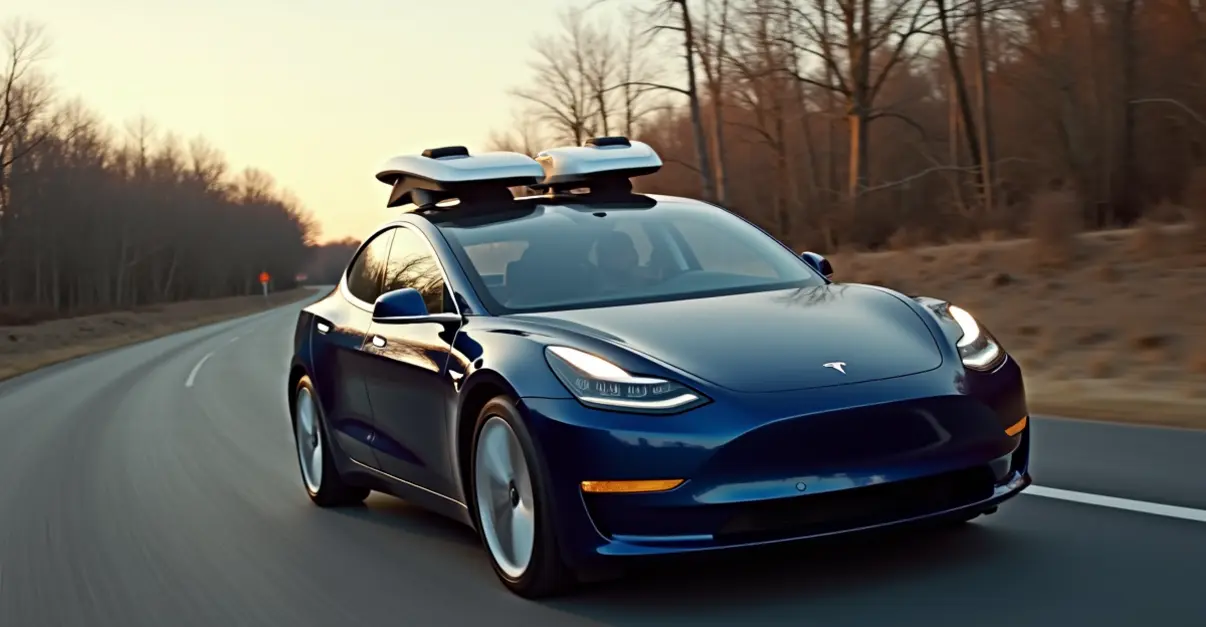
Tesla has implemented a drastic change to its vehicle offerings in North America that is causing controversy among electric car enthusiasts and safety advocates. The company has removed Basic Autopilot as a standard feature from new Model 3 and Model Y vehicles, meaning buyers must now pay monthly for what was previously included functionality.
For years, Basic Autopilot – including Traffic-Aware Cruise Control and Autosteer (lane-keeping assistance) – came standard with every Tesla. This system represented what many consider basic driver-assistance features that are becoming increasingly common in the automotive industry. Since January 2026, however, Tesla has quietly removed these features from the standard package.
The Subscription Model Takes Over
The only way for new buyers to regain access to these driver-assistance features is through Tesla's Full Self-Driving (Supervised) subscription, which costs $99 per month. This represents a significant shift in Tesla's business model toward recurring revenue streams.
What makes this change particularly controversial is that Tesla has also eliminated the option to purchase Full Self-Driving as a one-time purchase. Starting February 2026, the only way to access FSD functionalities will be through the monthly subscription model.
'This feels like bait-and-switch,' said auto analyst Michael Chen. 'Features that were promoted for years as standard safety equipment are suddenly behind a paywall. It's especially concerning because lane-keeping assistance is considered a basic safety feature that's now standard on many economy cars.'
Safety Concerns and Industry Criticism
The decision has drawn criticism from safety advocates who argue that removing lane-keeping assistance from standard equipment could potentially reduce vehicle safety. According to data from the National Highway Traffic Safety Administration, driver-assistance features like lane-keeping have been shown to reduce certain types of accidents.
'We're seeing a troubling trend where basic safety features are being monetized,' noted Sarah Johnson, director of the Automotive Safety Institute. 'While Tesla isn't the first to implement subscription models for vehicle features, removing what many consider essential safety equipment from the base price raises ethical questions.'
European Implications
For European customers, particularly in the Netherlands, the situation is different – for now. Basic Autopilot remains standard on new Tesla vehicles in Europe, and Full Self-Driving has not yet received approval from the Dutch vehicle authority RDW.
Tesla is targeting February 2026 for FSD approval in the Netherlands, which could serve as a gateway for broader EU adoption. If the company expands its subscription model globally, European customers could soon face similar monthly charges for features currently included in their vehicle purchase.
The RDW has confirmed that February 2026 remains Tesla's target month to demonstrate regulatory compliance but emphasized that safety, not public pressure, will determine whether FSD receives authorization. 'We've established a schedule for Tesla to demonstrate that FSD meets required standards,' stated an RDW spokesperson, 'but whether they can meet these conditions within the timeline remains to be seen.'
Broader Industry Context
Tesla's move comes amid increasing competition in the electric vehicle market and the company's own financial challenges. With traditional automakers catching up on EV technology and Chinese manufacturers offering competitive alternatives, Tesla appears to be shifting toward software and subscription revenues to maintain profitability.
This trend isn't unique to Tesla – other manufacturers have experimented with subscription models for features like heated seats, remote start, and premium audio. However, Tesla's decision to remove what many consider basic driver-assistance features represents one of the most aggressive moves toward subscription-based revenue in the automotive industry.
As the automotive world watches Tesla's strategy unfold, the question remains: Will consumers accept paying monthly for features they previously received as standard, or will this move push buyers toward competitors who still include these technologies in their base prices?