


 Deutsch
 English
 Español
 Français
 Nederlands
 Português

 Share





President Donald Trump’s energy ceasefire between Russia and Ukraine collapsed on Wednesday as Moscow launched a record swarm of more than 850 drones at central Ukraine and Kyiv struck a Russian oil refinery in the Ryazan region for the first time since the truce was declared. The tit-for-tat attacks on energy infrastructure mark a dangerous escalation that threatens global oil supplies and undermines the White House’s push to lower fuel prices ahead of the US midterms.
What is the Trump energy ceasefire?
Announced unilaterally by the White House on October 12, 2026, the “energy ceasefire” was intended to halt strikes on oil refineries, power stations and fuel depots by both Russia and Ukraine. Trump coupled the truce with a deal to ease sanctions on Russian diesel and release 4.8 million metric tons to global markets, hoping to cool record diesel prices that have more than doubled since January 2026, according to CNBC. Analysts immediately questioned whether the arrangement could survive without enforcement, and the US-Russia energy diplomacy quickly frayed.
Russia’s record drone swarm
Within days, Moscow sent what Ukrainian officials called a record overnight swarm of over 850 drones against 15 regions, including central Ukraine. At least three people died in Kirovohrad, and power facilities were damaged, cutting electricity to hundreds of thousands. The strikes continued despite the ceasefire, prompting Kyiv to declare the truce dead. According to Al Jazeera, Russia’s barrage came just hours before Ukraine announced it was resuming strikes on Russian refineries.
Ukraine hits Ryazan refinery
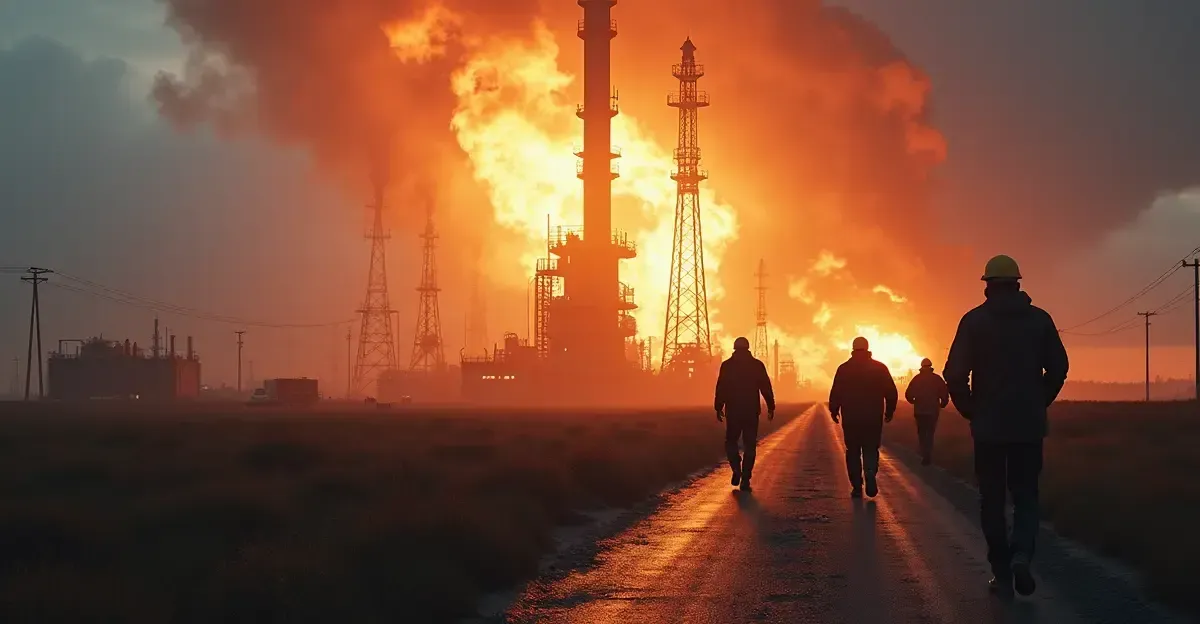
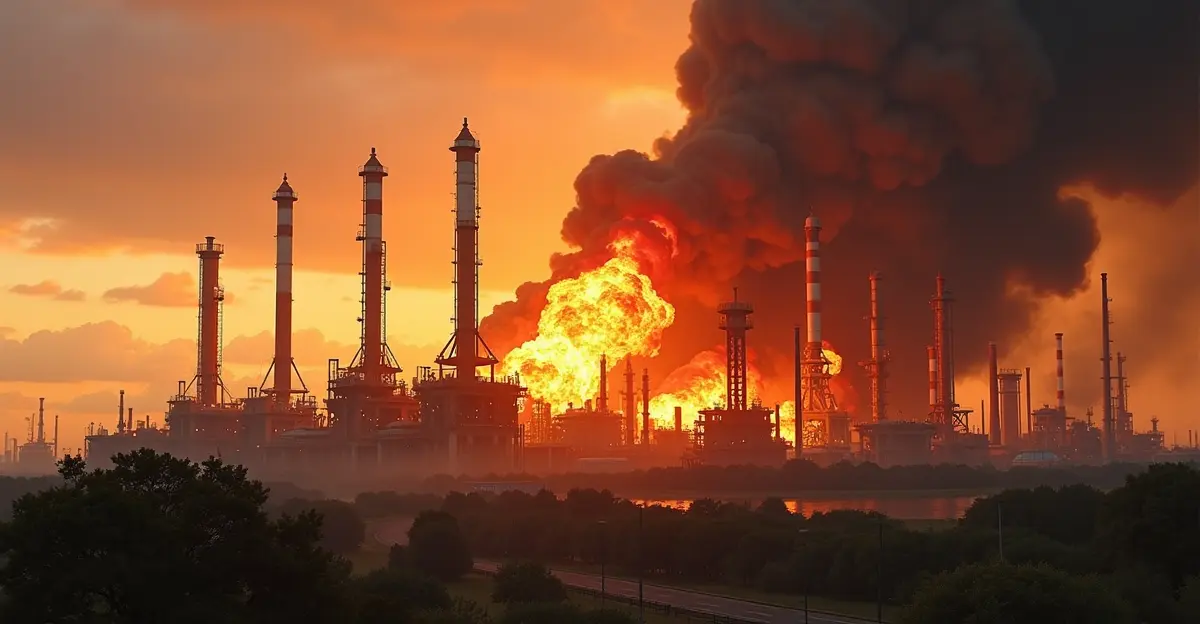
Moscow accused Ukraine of launching a massive drone attack on the Rosneft-owned oil refinery in the Ryazan region, about 180 kilometers southeast of Moscow. The facility accounts for nearly 5% of Russia’s refinery throughput, and falling debris sparked a fire at the site, according to Russian officials. Kyiv did not confirm the strike, but President Volodymyr Zelenskyy told the Financial Times: “The block [on attacking refineries] is out. We’re done.” Zelenskyy said Russia kept bombing Ukrainian energy sites and that Washington had threatened to curb intelligence sharing if strikes continued. He also warned that US restrictions limiting Starlink and Starshield access to speeds around 100 mph hamper Ukrainian drones and air defenses.
Why the collapse matters for oil and the US midterms
The renewed energy war has immediate implications for global fuel markets. US diesel prices hit a record $6.5276 per gallon in late September, and 84% of voters cite the economy as key ahead of November’s midterms. Trump, seeking lower prices, called the strikes “a disgrace” and said Ukraine had “plenty of other targets,” adding that he finds Zelenskyy harder to deal with than Putin. The International Energy Agency reported that Russian refining output fell to 3.8 million barrels per day in June 2026, the lowest in over 20 years, after Ukrainian drone strikes on Russian refineries hit roughly one facility every three days. Sanctions and repairs are expected to keep diesel inventories strained until at least mid-2027, according to the IEA.
Expert perspectives and reactions
The collapse has heightened global oil market volatility. Analysts doubt the ceasefire and diesel deal will meaningfully lower prices. Jefferies called the volumes “too small to make a substantial difference,” while former IEA oil chief Neil Atkinson said the source of the supply is “a mystery.” Quantum Strategy expects the deal to “fail economically” and embolden Putin. Meanwhile, Zelenskyy accused Washington of weakening Ukraine by restricting intelligence and Starshield access, saying he felt personally betrayed. He said Kyiv would pause strikes only if given more Patriot interceptors. EU officials, meeting Zelenskyy in Brussels, rejected pressuring Kyiv and pledged continued support.
FAQ
What is the Trump energy ceasefire? It was a unilateral US-brokered truce announced on October 12, 2026, aimed at halting strikes on energy infrastructure by Russia and Ukraine and easing global fuel prices.
Why did the ceasefire collapse? Russia continued missile and drone attacks on Ukrainian power stations, prompting Ukraine to resume strikes on Russian oil refineries, including the Ryazan facility.
How does the collapse affect global oil prices? It threatens already strained diesel and gasoline supplies, with US diesel prices at record highs and the IEA warning inventories will stay tight until 2027.
What is the Ryazan refinery strike? Ukraine allegedly attacked the Rosneft-owned refinery southeast of Moscow, causing a fire; it was Kyiv’s first strike on a Russian refinery since Trump declared the truce.
Conclusion: What happens next?
With both sides trading energy attacks and Washington’s leverage contested, the ceasefire appears dead. Zelenskyy is due at an EU summit on Friday to seek stronger air defenses, while the Kremlin says Ukraine’s strikes undermine US peace efforts. The outcome will shape not only global fuel supply chains but also fuel prices and Trump’s political fortunes ahead of the midterms.




Follow Discussion