


 Deutsch
 English
 Español
 Français
 Nederlands
 Português


 Share
Share




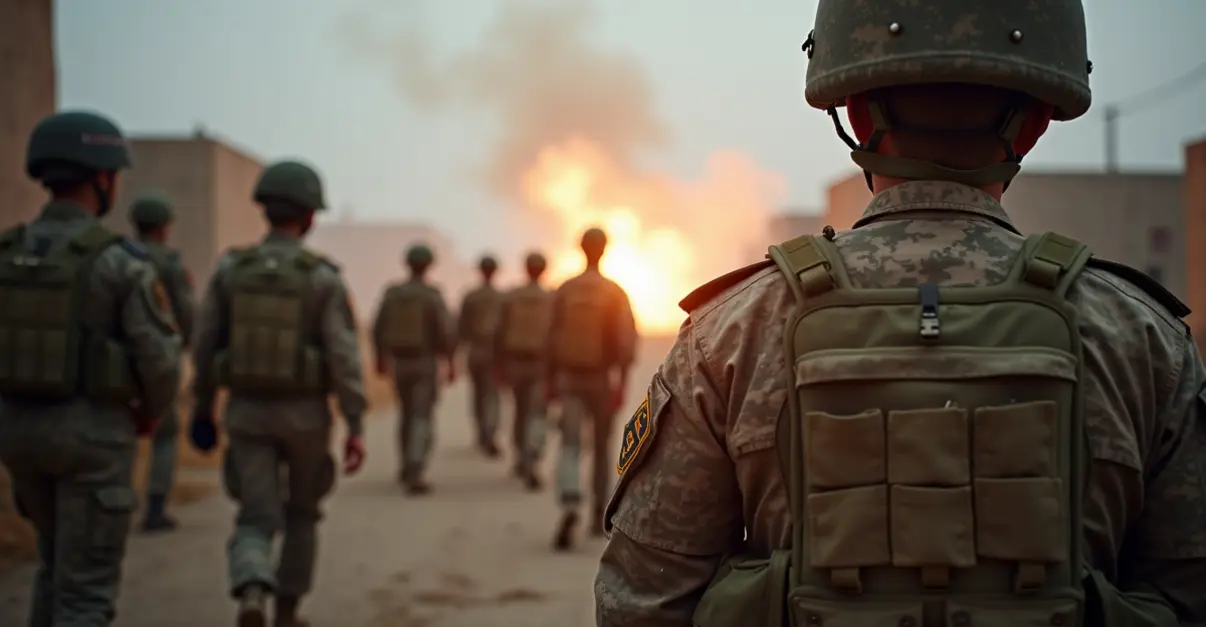
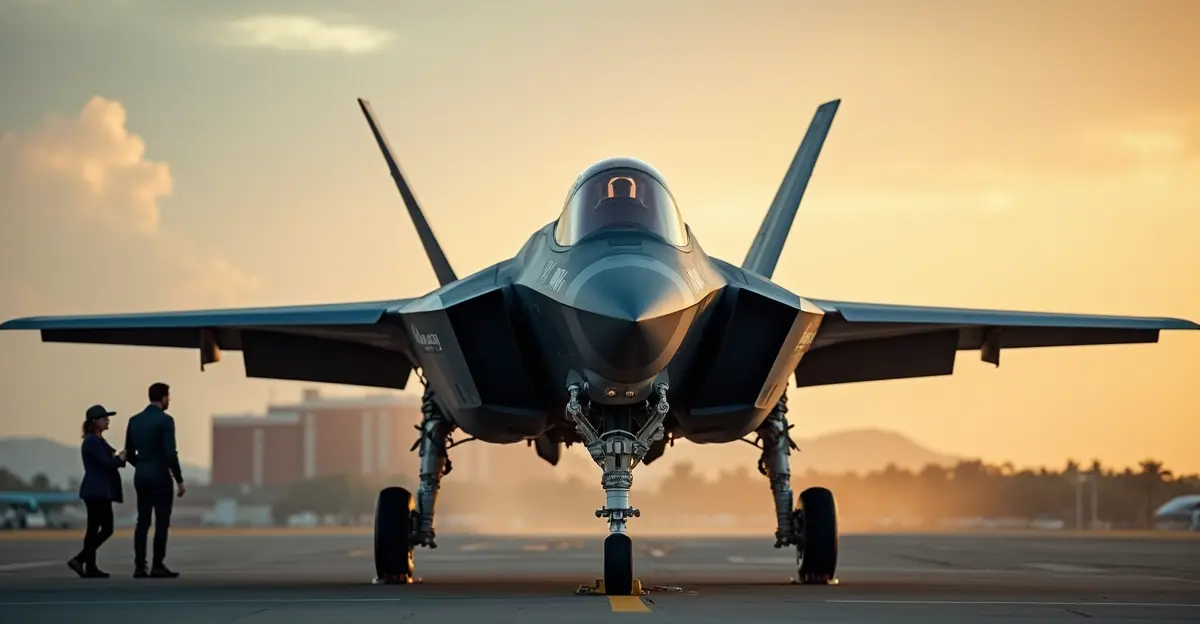
In August 2026, the US anti-cartel coalition known as the Shield of the Americas signaled a major escalation: after airstrikes on suspected drug boats, American and allied forces are preparing “boots on the ground” military operations inside Latin American territory. Defense Secretary Pete Hegseth made the announcement during the first large-scale US military exercise in Panama in thirteen years, declaring, “We are going to do bad things with bad people.”
What is the Shield of the Americas coalition?
Launched in March 2026 in Doral, Florida, the Shield of the Americas—also called the Americas Counter Cartel Coalition—brings together the United States and eighteen Latin American and Caribbean partners to fight drug cartels. The stated goal is to coordinate intelligence and military action against transnational criminal organizations. However, the coalition's founding was immediately questioned because Brazil, Mexico, and Colombia—home to the world's largest cartels and 70% of global cocaine production—were left off the invitation list, reportedly because their leaders were considered too left-wing. Nearly all members are governed by right-wing administrations; Colombia was admitted only after right-wing president Abelardo de la Espriella took office. The Shield of the Americas summit drew criticism from regional analysts.
Military operations: From drug boat strikes to ground troops
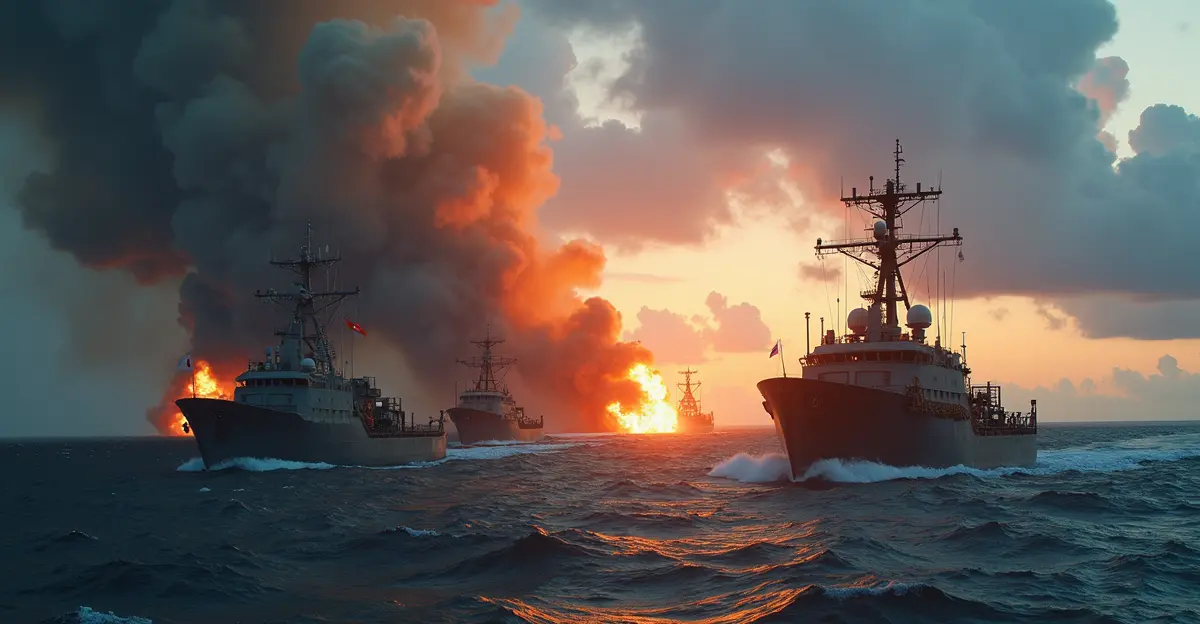
The shift to land operations follows a year of aggressive US action in the region. According to NOS, US airstrikes on suspected drug-smuggling vessels have killed at least 221 people, though no evidence has been presented that those boats were actually carrying drugs. Former US military bases have been reopened in the Caribbean and Central America, and Venezuelan President Nicolás Maduro was abducted from his home on drug trafficking charges.
Where will ground troops be deployed?
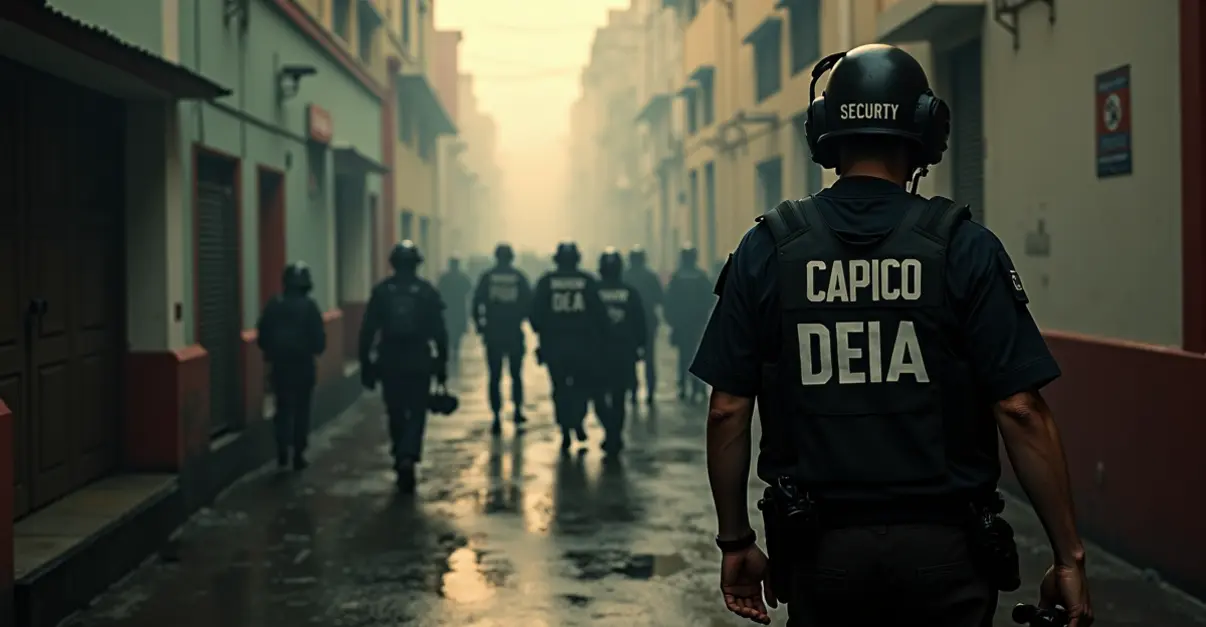
Honduras and Guatemala have agreed to host ground troops since last month. In Ecuador, joint military operations are already underway, with US commandos serving mainly as advisors and providing intelligence support to Ecuadorian soldiers attacking drug gangs. Colombia appears to be the next front: President de la Espriella has requested US military assistance against the ELN, the last major guerrilla group in the country. The Colombian ELN insurgency has long intersected with cocaine trafficking.
Why critics question the anti-cartel military approach
Latin American countries have cooperated with the United States against organized crime for more than fifty years, with mixed results. Mass coca crop destruction in Colombia, and training and arming of Mexican police, did not reduce drug production—smuggling routes simply shifted and violence increased as cartels armed themselves further. Yet the US again appears focused solely on a military solution, with ground troops as a new escalation. No clear strategy or measurable objectives have been published; the coalition has so far produced little beyond press conferences and declarations.
Many Latin American constitutions ban the deployment of foreign troops on national soil, and the risk of civilian casualties is high—especially after President Donald Trump threatened to fire rockets “straight into the living room” of cartel bosses. Drug crime has also become more complex through globalization, cybercrime, and ties to corrupt politicians. The globalization of organized crime complicates any purely kinetic response.
Impact and implications for Latin America
If ground operations expand, they could reshape security dynamics across the hemisphere. Supporters argue that military pressure is necessary against heavily armed cartels, while critics warn of a repeat of failed drug-war policies that fueled violence without cutting supply. The exclusion of Mexico and Brazil—two of the region's largest economies and drug corridors—undermines the coalition's reach. The coming months will test whether the Shield of the Americas can move beyond rhetoric to a coherent, lawful, and effective strategy.
FAQ: US anti-cartel coalition in Latin America
What is the US anti-cartel coalition?
It is the Shield of the Americas, launched in March 2026, uniting the US and 18 Latin American and Caribbean countries against drug cartels.
Why are Mexico, Brazil, and Colombia excluded?
Mexico and Brazil were not invited initially, likely because their leaders were viewed as too left-wing; Colombia joined only after a right-wing president took office.
How many people have died in recent US strikes?
At least 221 people were killed in airstrikes on suspected drug boats, with no public evidence of drug smuggling on those vessels.
Where are ground troops being deployed?
Honduras and Guatemala have approved ground troops, Ecuador already hosts joint operations, and Colombia has requested assistance against the ELN.
What are the main risks?
Constitutional bans on foreign troops, high civilian casualty risk, and a history of failed military-only drug policies.
Follow Discussion