


 Deutsch
 English
 Español
 Français
 Nederlands
 Português


 Share
Share




Sri Lanka Returns 238 Iranian Military Personnel: Complete Guide to Naval Crisis Explained
Sri Lanka has repatriated 238 Iranian military personnel, including 32 survivors of a U.S. torpedo attack that sank the Iranian frigate IRIS Dena in March 2026. This significant diplomatic and humanitarian operation marks a critical moment in the US-Iran naval conflict in the Indian Ocean, with Sri Lanka navigating complex international relations while maintaining its neutral stance.
What Happened: The Naval Attack and Rescue Operations
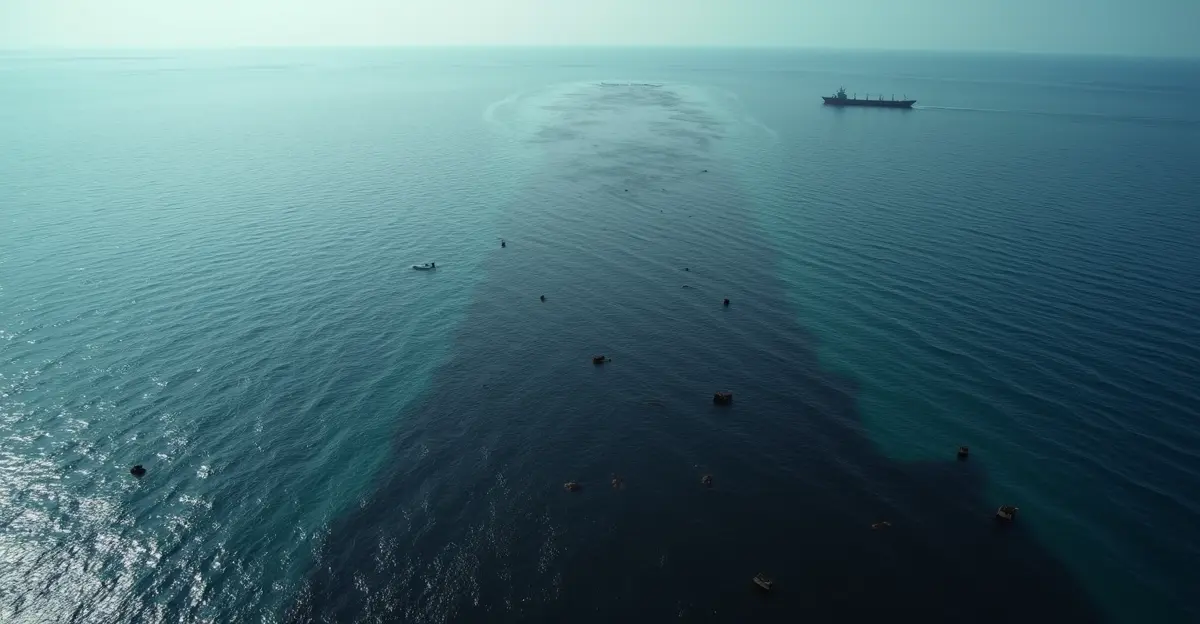
On March 4, 2026, the United States Navy's Los Angeles-class submarine USS Charlotte fired two Mark 48 torpedoes at the Iranian Navy frigate IRIS Dena in international waters approximately 19 nautical miles off the coast of Galle, Sri Lanka. The attack, which occurred during the ongoing 2026 Iran war, resulted in the frigate sinking within 2-3 minutes. Of the 180 crew members aboard, 87 were killed, 61 went missing, and 32 were rescued by the Sri Lanka Navy.
The IRIS Dena was returning from participating in the International Fleet Review 2026 naval exercise hosted by India when it was attacked. This marked the first instance of a nuclear-powered submarine sinking an enemy surface vessel since the Falklands War and the first such naval action by a U.S. Navy submarine since World War II's Pacific theater.
The Second Iranian Vessel: IRIS Bushehr
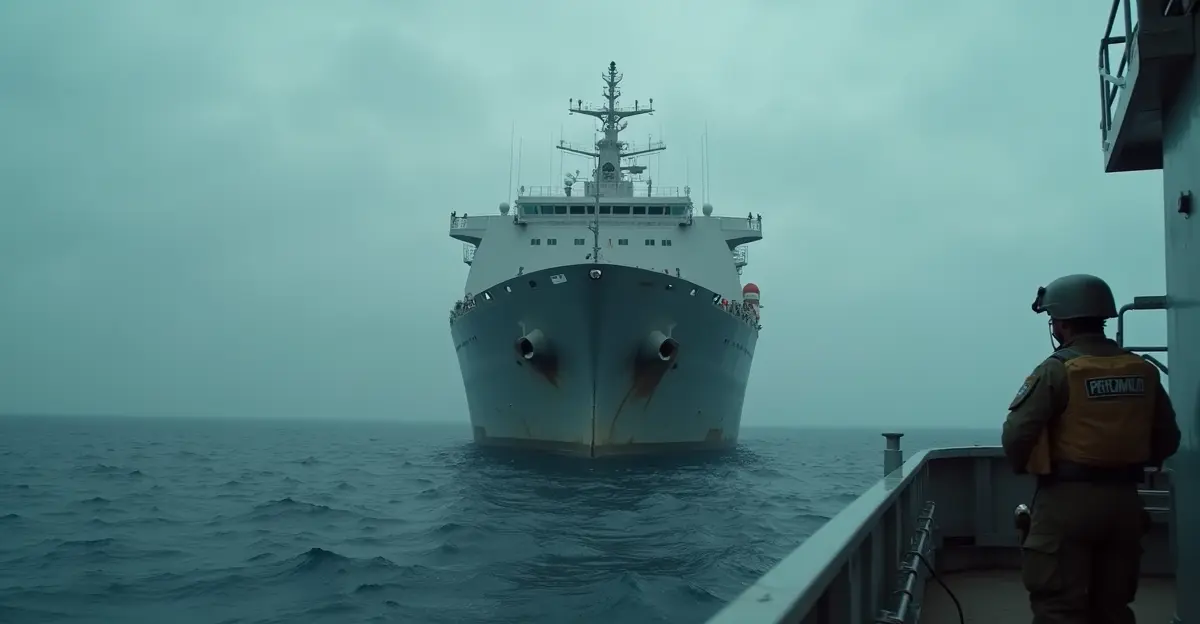
Just one day after the sinking of IRIS Dena, a second Iranian naval vessel, IRIS Bushehr, requested permission to enter Sri Lankan waters citing technical engine problems. The Bandar Abbas-class fleet replenishment ship carried 208 personnel, including 53 officers, 84 cadet officers, 48 senior sailors, and 23 sailors. Sri Lankan authorities faced a difficult decision but ultimately allowed the vessel to dock, evacuating all crew members and transferring them to Colombo for medical checks and border procedures.
'Sri Lanka has never let us down, even when many other countries in the world refused to back us. The country as a whole is very grateful for this brotherly treatment,' said Sri Lankan minister Wimal Weerawansa, highlighting the historical relationship between the two nations.
Sri Lanka's Diplomatic Balancing Act
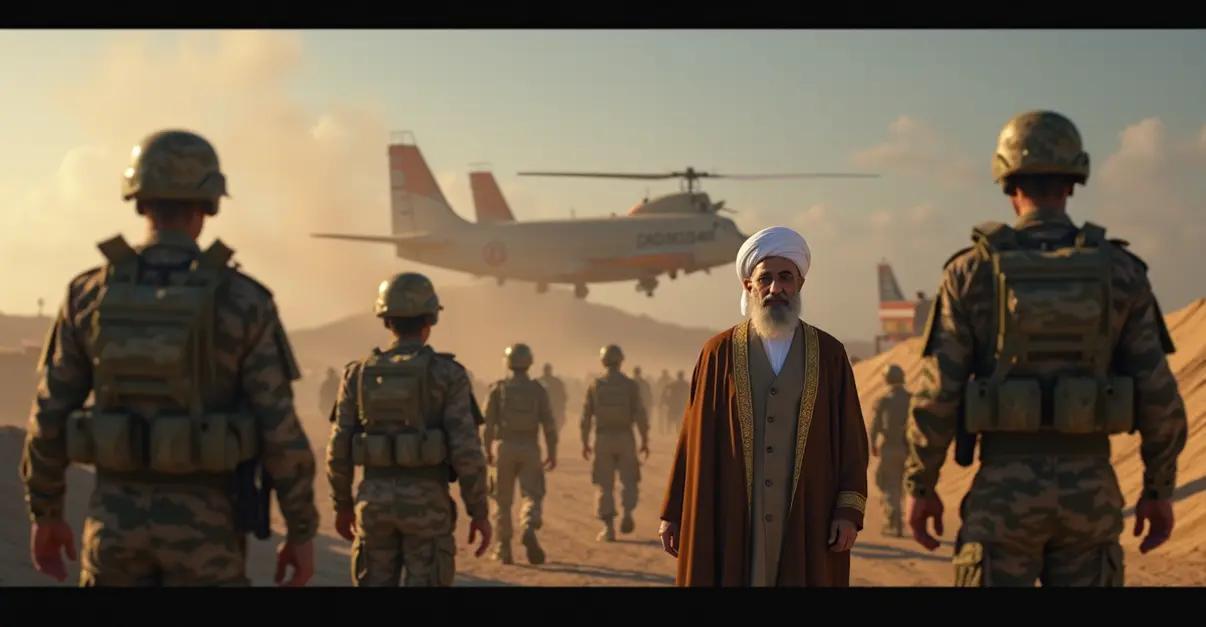
Sri Lanka found itself in a delicate position, balancing relations with both the United States and Iran while maintaining its traditional policy of neutrality. The country declined a request from the United States to permit the landing of two U.S. military aircraft at Mattala Rajapaksa International Airport, while simultaneously granting 30-day visas to the stranded Iranian personnel.
President Anura Kumara Dissanayake emphasized that Sri Lanka's decisions were based on legality, humanity, and international law. 'We made a difficult diplomatic decision by declining requests from both the U.S. to land military aircraft and from Iran to bring warships ashore, demonstrating Sri Lanka's neutral stance,' he stated.
Key Statistics of the Repatriation
- Total personnel repatriated: 238 Iranian military personnel
- Survivors from IRIS Dena: 32 sailors rescued from torpedo attack
- Personnel from IRIS Bushehr: 206 crew members
- Casualties from attack: 87 killed, 61 missing
- Duration of stay: Over one month in Sri Lanka
- Visa status: 30-day humanitarian visas granted
Historical Context: Iran-Sri Lanka Relations
Iran and Sri Lanka have maintained official diplomatic relations since 1961, with Iran becoming Sri Lanka's largest aid donor through development projects like the Uma Oya Multipurpose Development Project, a 90-100 megawatt hydroelectric power plant funded with US$450-500 million from Iran. During the Sri Lankan Civil War, Iran provided crucial support including loans for electronic surveillance aircraft and unmanned aerial vehicles, as well as training for selected Sri Lankan officers.
The current crisis occurs against the backdrop of Sri Lanka's economic recovery and its strategic position along key shipping routes in the Indian Ocean. The country's foreign policy balancing act has become increasingly complex as global tensions escalate.
Impact and Implications
The repatriation of Iranian military personnel has significant implications for regional security and international relations. Sri Lanka's handling of the crisis demonstrates how smaller nations can navigate great power conflicts while upholding humanitarian principles. The incident also highlights the expanding geographical scope of the US-Iran conflict, which has now reached the Indian Ocean region.
For Sri Lanka, maintaining neutrality while providing humanitarian assistance has reinforced its position as a responsible international actor. However, the country continues to face pressure from both sides, with the United States being a crucial trading partner and Iran being a significant historical ally and economic supporter.
The Indian Ocean security dynamics have been fundamentally altered by this incident, with naval powers increasingly active in what was previously considered a relatively stable maritime region.
Frequently Asked Questions (FAQ)
What was the IRIS Dena?
The IRIS Dena was an Iranian Navy frigate, one of Iran's newest Moudge-class vessels, that was torpedoed and sunk by a U.S. submarine on March 4, 2026.
Why did Sri Lanka help the Iranian personnel?
Sri Lanka provided humanitarian assistance based on international law and its historical relationship with Iran, while maintaining its traditional policy of neutrality in international conflicts.
How many Iranian personnel were involved?
A total of 238 Iranian military personnel were repatriated, including 32 survivors from the torpedoed IRIS Dena and 206 crew members from the IRIS Bushehr.
What is Sri Lanka's relationship with Iran?
Iran and Sri Lanka have maintained diplomatic relations since 1961, with Iran being Sri Lanka's largest aid donor and providing crucial support during the Sri Lankan Civil War.
Will this affect Sri Lanka's relations with the United States?
While Sri Lanka's actions demonstrate independence in foreign policy, the country continues to value its relationship with the United States as a crucial trading partner and maintains diplomatic channels with both nations.
Follow Discussion