


 Deutsch
 English
 Español
 Français
 Nederlands
 Português


 Share
Share




On February 20, 2026, the U.S. Supreme Court delivered a seismic ruling in Learning Resources, Inc. v. Trump, striking down the use of the International Emergency Economic Powers Act (IEEPA) as authority for presidential tariffs. The 6–3 decision invalidated the tariff framework that defined U.S. trade policy throughout 2025, triggering an immediate scramble in global supply chains and a rapid pivot by the administration to Section 122 of the Trade Act of 1974. This article analyzes the strategic implications for global trade architecture, supply chain resilience, and the shifting balance of power between the executive and judiciary in trade policy.
Context: The IEEPA Tariff Framework and Its Collapse
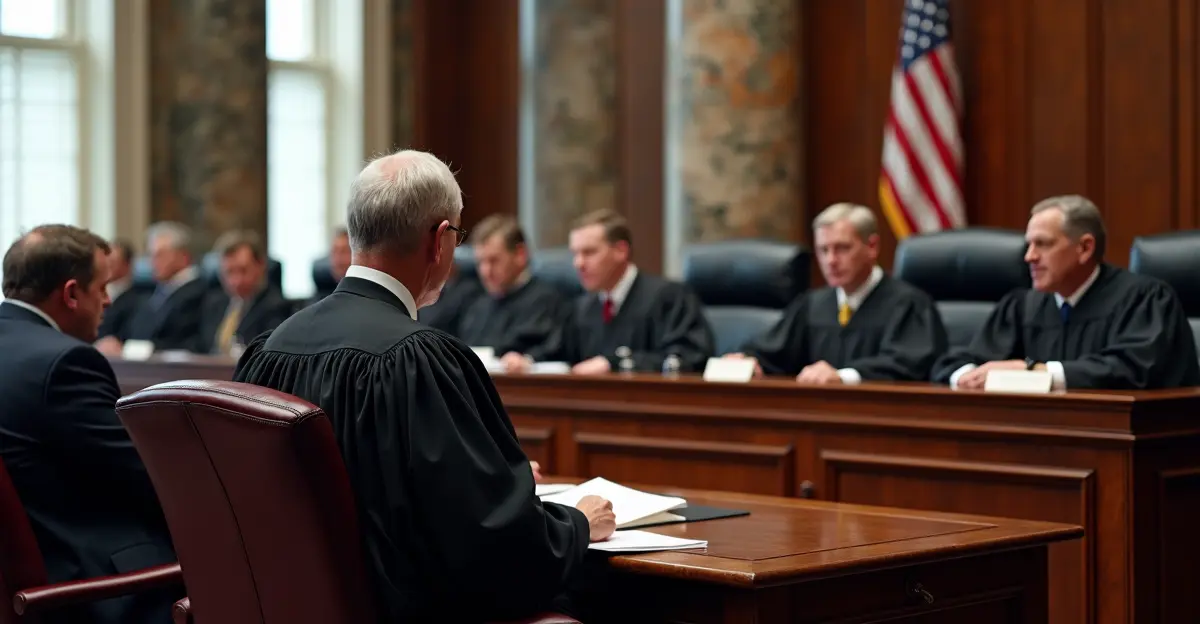
Throughout 2025, the Trump administration had relied heavily on IEEPA—a 1977 law originally designed to address national emergencies—to impose sweeping tariffs on imports from China, the European Union, and other trading partners. By early 2026, these tariffs had generated over $200 billion in additional duties, according to estimates cited in the Supreme Court ruling. The legal challenge, brought by importers and trade associations, argued that IEEPA's language authorizing the president to "regulate" commerce did not extend to imposing taxes or tariffs. The Supreme Court agreed, with Chief Justice John Roberts writing that IEEPA "contains no reference to tariffs or duties" and that interpreting "regulate" to include the power to tax would stretch the law too far. A plurality of justices applied the major questions doctrine, holding that if Congress intended to delegate such significant economic power, it must do so explicitly.
The Immediate Aftermath: Section 122 Surcharge
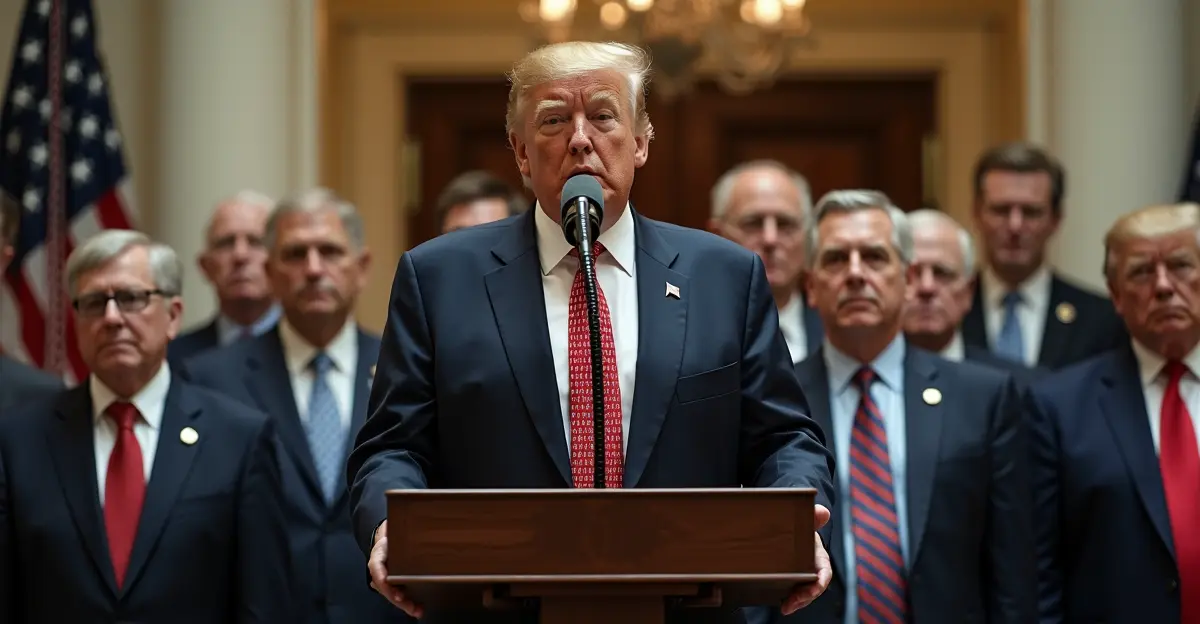
Hours after the ruling, President Trump invoked Section 122 of the Trade Act of 1974, a rarely used provision that allows temporary import surcharges to address balance-of-payments deficits. Effective February 24, 2026, a 10% ad valorem surcharge was imposed on virtually all imported articles for 150 days, set to expire on July 24, 2026. The White House proclamation cited a $1.2 trillion goods trade deficit in 2024 and a current account deficit reaching 4.0% of GDP. Key exemptions include goods in transit before February 24 (if entered by February 28), USMCA-qualifying products from Canada and Mexico, CAFTA-DR textiles, certain agricultural and religious items, civil aircraft parts, humanitarian donations, and articles already covered by Section 232 (national security) or Section 301 (unfair trade) duties. The surcharge does not stack with Section 232 tariffs but applies on top of most other duties.
Supply Chain Disruption and Corporate Response
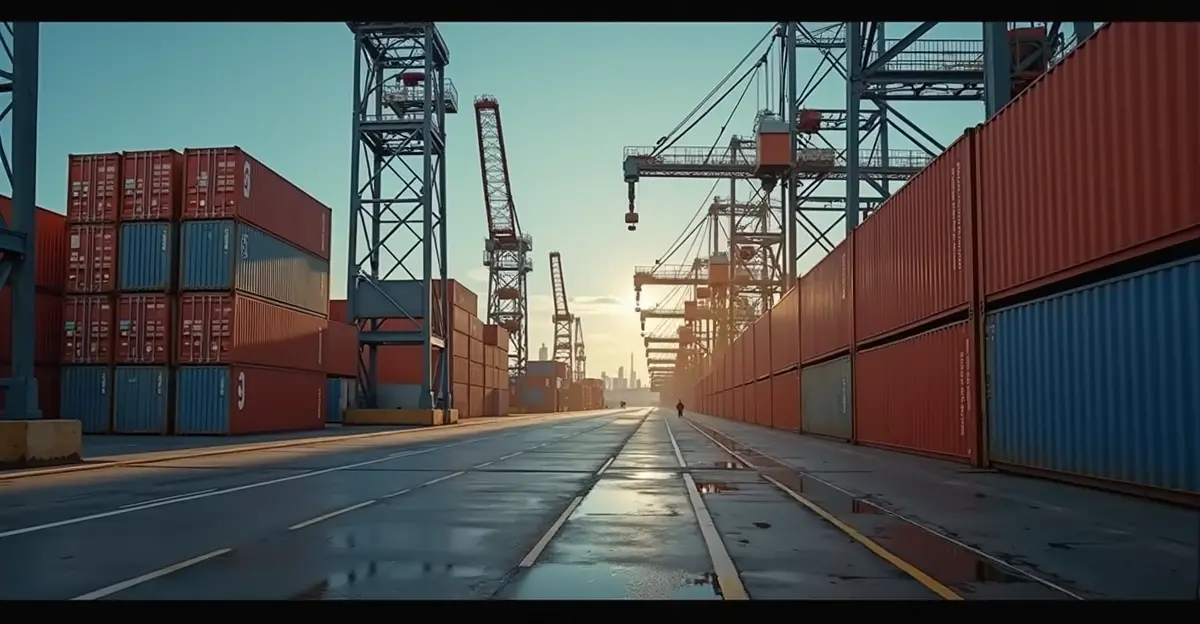
The abrupt transition from IEEPA tariffs to a Section 122 surcharge has created deep uncertainty for global supply chains. Multinational corporations that had spent 2025 restructuring sourcing to mitigate IEEPA tariffs now face a new cost structure with a different legal foundation. The supply chain resilience strategies adopted during the pandemic are being tested anew. Companies are scrambling to reassess cost assumptions, renegotiate contracts, and evaluate inventory positions. The temporary nature of the Section 122 authority—set to expire in July unless extended by Congress—adds another layer of complexity. Importers are advised to preserve documentation for potential refunds on prior IEEPA tariffs, file Post-Summary Corrections for unliquidated entries, and prepare administrative protests within 180 days for liquidated entries. Customs and Border Protection is working on automated refund processes through the ACE/CAPE system, but delays are expected.
Trade Litigation Surge and Legal Uncertainty
The Supreme Court's ruling has triggered a wave of trade litigation. Challenges to the Section 122 surcharge are already being filed, with plaintiffs arguing that the provision's 150-day limit and balance-of-payments justification may not withstand scrutiny. The Court affirmed that challenges to presidential tariff actions fall under the exclusive jurisdiction of the Court of International Trade, setting the stage for a new round of legal battles. Meanwhile, the balance of power between executive and judiciary in trade policy has shifted decisively. The ruling reinforces Congress's constitutional authority over tariffs, a principle that had eroded over decades of delegated authority. Justice Kavanaugh, in dissent, warned that the decision could create uncertainty regarding trade deals worth trillions of dollars.
Impact on Global Trade Architecture
The IEEPA ruling and the Section 122 pivot have profound implications for the global trade architecture. Trading partners that had negotiated tariff reductions or exemptions under the IEEPA framework now face a uniform 10% surcharge, eroding the value of those agreements. The World Trade Organization dispute resolution system may see new cases as affected countries challenge the surcharge's legality. The temporary nature of Section 122 also creates a cliff-edge scenario: if Congress does not act by July 24, the surcharge expires, leaving a policy vacuum. Some lawmakers have proposed legislation to codify a tariff authority, but partisan divisions make passage uncertain. The ruling has also emboldened congressional efforts to reclaim trade policymaking power, with several bills introduced to require explicit legislative approval for future tariffs.
Expert Perspectives
"This is the most consequential legal disruption to US trade policy in decades," said Lucas Schneider, trade analyst and author of this article. "The window for businesses and policymakers to adapt is rapidly closing. Companies that treat the Section 122 surcharge as temporary may be caught off guard if it is extended or replaced by new legislation." Legal experts at Morgan Lewis note that other tariff authorities—including Sections 232 and 301—remain available, but their scope is narrower and subject to different legal constraints. The ruling has also raised questions about the validity of other executive actions taken under IEEPA, including sanctions and export controls.
FAQ
What did the Supreme Court decide in the IEEPA tariff case?
The Court ruled 6–3 that the International Emergency Economic Powers Act does not authorize the president to impose tariffs, striking down the IEEPA-based tariff framework used throughout 2025.
What is the Section 122 surcharge?
Section 122 of the Trade Act of 1974 allows a temporary import surcharge to address balance-of-payments deficits. The current 10% ad valorem surcharge applies from February 24 to July 24, 2026.
Which products are exempt from the Section 122 surcharge?
Exemptions include USMCA-qualifying goods from Canada and Mexico, CAFTA-DR textiles, goods in transit before February 24 (entered by Feb 28), certain agricultural and religious items, civil aircraft parts, humanitarian donations, and articles already covered by Section 232 or 301 duties.
Can importers get refunds on IEEPA tariffs paid before the ruling?
Yes, refunds are possible for unliquidated entries via Post-Summary Corrections and for liquidated entries via administrative protests within 180 days or through Court of International Trade relief.
What happens after the Section 122 surcharge expires in July 2026?
If Congress does not extend or replace the authority, the surcharge will lapse, creating a policy vacuum. Lawmakers are considering legislation to establish a new tariff framework.
Conclusion and Future Outlook
The Supreme Court's IEEPA ruling has fundamentally altered the landscape of US trade policy. The rapid pivot to Section 122 provides temporary cover but leaves businesses and trading partners in a state of uncertainty. With the surcharge set to expire in July 2026, the coming months will be critical for Congress to craft a durable tariff authority that balances executive flexibility with legislative oversight. The future of US trade policy hinges on these decisions. Multinational corporations must continue to adapt their sourcing, inventory, and legal strategies to navigate this volatile environment. The era of broad presidential tariff authority under IEEPA is over, but the new era of trade policy has yet to be defined.



Follow Discussion