


 Deutsch
 English
 Español
 Français
 Nederlands
 Português


 Share
Share




Geoeconomic Confrontation Tops Global Risks for 2026
The World Economic Forum's Global Risks Report 2026, published in January 2026, has ranked geoeconomic confrontation as the most likely trigger of a material global crisis this year, overtaking even state-based armed conflict. According to the report, 18% of surveyed experts identified geoeconomic confrontation—fueled by tariffs, regulatory weaponization, and supply chain decoupling—as the dominant short-term risk, while armed conflict followed at 14%. This marks a historic shift in the global risk landscape, where economic tools of statecraft have become more feared than traditional military threats. The findings are corroborated by the UNCTAD Global Trade Update (January 2026), which warns that rising protectionism and tariff escalation are fragmenting the global trading system at an accelerating pace.
Tariff Volatility: The New Normal
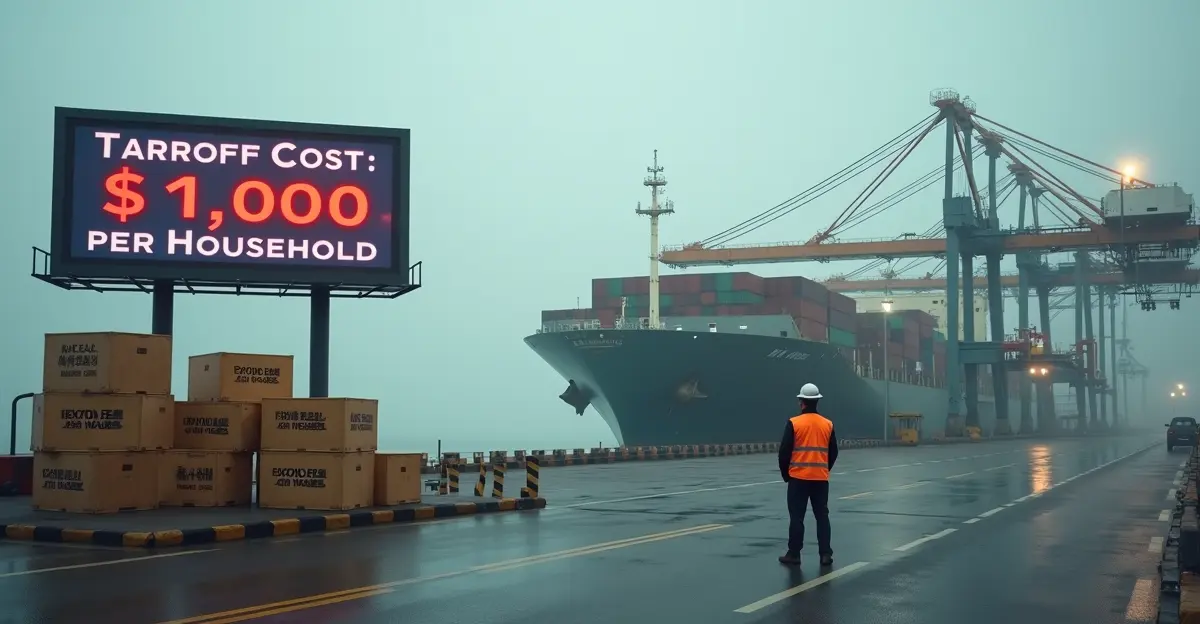
Global tariffs surged sharply in 2025 and continue to rise in 2026, creating unprecedented uncertainty for businesses worldwide. The Thomson Reuters 2026 Global Trade Report reveals that 72% of trade professionals now identify US tariff volatility as the single most disruptive regulatory force, up from 41% in 2025. A staggering 76% of professionals believe new US tariffs will persist for at least four years, signaling a permanent structural shift. The KPMG 2026 Tariff Survey adds that 78% of organizations report higher cost of goods sold, 82% report declining foreign sales, and 68% have delayed or postponed investments. These data points underscore how tariff fragmentation is not a temporary disruption but a fundamental reordering of global commerce.
Supply Chain Decoupling Accelerates
In response to tariff volatility, firms are rapidly restructuring their supply chains. The Thomson Reuters survey found that 65% of companies are changing sourcing patterns, 57% are renegotiating contracts, and 51% are pursuing nearshoring or reshoring. Mexico has emerged as the primary beneficiary, surpassing China as the US's largest trading partner with bilateral trade exceeding $820 billion and record FDI of $40.8 billion in 2025. The reshoring of critical supply chains is accelerating, with 26% of firms in formal planning or execution according to KPMG, up from 10% six months prior. However, 60% say full reshoring would take 1–3 years due to high labor costs and capital intensity in the US.
Retreat from Multilateralism
The WEF report highlights a retreat from multilateralism, with declining trust in international institutions and rising protectionism threatening global stability. UNCTAD notes that approximately 18,000 new discriminatory trade measures have been introduced since 2020, and WTO reform remains at a crossroads ahead of the 13th Ministerial Conference (MC14) in Cameroon. The crisis of multilateral trade governance is deepening as major powers pursue parallel trade blocs and bilateral deals, sidelining the WTO's rules-based framework. Smaller economies bear the heaviest costs: developing countries face tighter financial conditions, reduced export demand, and marginalization from new trade corridors.
Parallel Trade Blocs Emerge
Large powers are racing to build parallel trade architectures. The US is deepening ties with allies through the Indo-Pacific Economic Framework (IPEF) and the Americas Partnership, while China expands the Regional Comprehensive Economic Partnership (RCEP) and the Belt and Road Initiative. The EU is advancing its own 'Open Strategic Autonomy' agenda, combining carbon border adjustments with new trade defense instruments. This fragmentation creates a 'spaghetti bowl' of overlapping and often contradictory regulations, raising compliance costs for multinational firms. The geopolitical fragmentation of global trade is reshaping investment flows, with South-South trade now accounting for 57% of developing-country exports, according to UNCTAD.
Impact on Smaller Economies
The burden of tariff fragmentation falls disproportionately on smaller and developing economies. UNCTAD projects global GDP growth to slow to about 2.6% in 2026, with developing countries facing significant headwinds from volatile capital flows and reduced market access. The WEF report notes that inequality remains the most interconnected global risk, and geoeconomic confrontation exacerbates this by disrupting commodity prices and food security. Agricultural trade, vital for many low-income nations, is increasingly subject to export restrictions and protectionist measures. The impact of trade wars on developing nations is a growing concern, as these countries lack the fiscal space to subsidize domestic industries or build alternative supply chains.
Expert Perspectives
“The world is sitting on a precipice,” said Mirek Dušek, Managing Director of the World Economic Forum, at the launch of the Global Risks Report 2026. “Geoeconomic confrontation is now the top short-term risk because tariffs and trade restrictions are being used as weapons of statecraft, eroding the trust that underpins international cooperation.” UNCTAD Secretary-General Rebeca Grynspan warned that “trade policy choices in 2026 will determine whether the global economy fragments into rival blocs or finds a path toward more resilient and inclusive growth. The stakes could not be higher.”
FAQ
What is geoeconomic confrontation?
Geoeconomic confrontation refers to the use of economic tools—such as tariffs, sanctions, export controls, and investment restrictions—by states to achieve strategic objectives, often at the expense of multilateral trade rules.
Why is tariff volatility considered the top risk in 2026?
According to the WEF Global Risks Report 2026, 18% of experts identified geoeconomic confrontation as the most likely trigger of a global crisis, driven by rapid tariff escalations that disrupt supply chains, raise costs, and deter investment.
How are companies responding to tariff fragmentation?
Firms are nearshoring, reshoring, renegotiating contracts, and diversifying suppliers. 65% are changing sourcing patterns, and 51% are pursuing nearshoring, with Mexico emerging as a key beneficiary.
What does the retreat from multilateralism mean for global trade?
The decline of WTO-led multilateralism has led to a proliferation of bilateral and regional trade blocs, increasing complexity and compliance costs, while smaller economies face marginalization.
Which economies are most affected by tariff fragmentation?
Developing and smaller economies bear the heaviest costs due to reduced market access, tighter financial conditions, and limited capacity to build alternative supply chains.
Conclusion: A Fragmented Future
The convergence of tariff escalation, supply chain decoupling, and the retreat from multilateralism points to a fragmented global order where economic security trumps efficiency. The WEF report warns that without renewed commitment to cooperative frameworks, the world risks a cascade of crises—from trade wars to financial instability—that could overwhelm national capacities. As 2026 unfolds, the choices made by major powers will determine whether geoeconomic confrontation becomes a permanent feature of the international system or a catalyst for rebuilding a more resilient, inclusive global economy. The future of global trade governance hangs in the balance.
Sources
- World Economic Forum, Global Risks Report 2026, January 2026
- UNCTAD, Global Trade Update, January 2026
- Thomson Reuters, 2026 Global Trade Report
- KPMG, 2026 Tariff Survey



Follow Discussion