


 Deutsch
 English
 Español
 Français
 Nederlands
 Português


 Share
Share




What Are the New US Import Tariffs?
The new US import tariffs that took effect in February 2026 represent a complex trade policy situation where 10% duties are technically in force but the US Customs and Border Protection (CBP) has stopped collecting them following a landmark Supreme Court ruling. This unprecedented scenario creates significant confusion for importers, with an estimated 211,000 containers valued at $8.2 billion caught in limbo between legal rulings and practical implementation. The tariffs, announced by President Donald Trump over the weekend of February 20-21, 2026, initially impose a 10% surcharge on imports with provisions to increase to 15% within 150 days, though the exact timing remains uncertain.
Supreme Court Ruling and Legal Background
On February 20, 2026, the US Supreme Court delivered a 6-3 decision declaring President Trump's 'reciprocal' tariffs illegal under the International Emergency Economic Powers Act (IEEPA). The Court ruled that the IEEPA does not grant the president authority to impose tariffs, marking a significant limitation on executive trade powers. However, the administration responded by replacing the invalidated tariffs with a new 10% global import surcharge under Section 122 of the Trade Act of 1974, which can be implemented for up to 150 days. This legal maneuvering has created what customs expert Martijn Schippers of EY and Erasmus University describes as 'a replacement of what was already there in tariffs, now that has been shot down by the Supreme Court.'
How the Customs Collection System Works
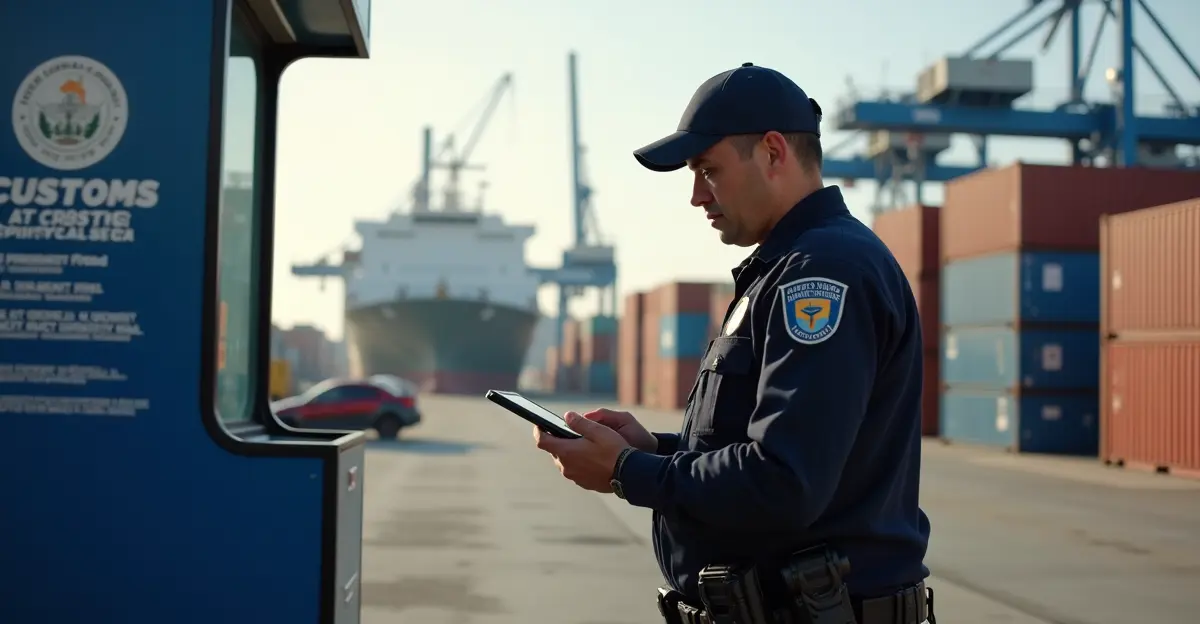
The US Customs and Border Protection operates through its Cargo System Management Service, which requires importers to report specific tariff codes to obtain cargo release. Despite the Supreme Court ruling, CBP has not yet updated its systems to remove the IEEPA tariff requirements. Importers currently have a 10-day window to pay duties, allowing for potential corrections before payment. 'I have seen with the earlier tariffs that the implementation time was very short,' explains Schippers. 'As a result, customs has difficulty implementing them at the border.' This operational challenge mirrors issues seen with previous EU carbon border tax implementations where rapid policy changes created compliance headaches.
Key Changes and Exemptions
The new tariff structure includes several important modifications from previous versions. While many exemptions remain similar, significant changes include:
- New exemptions: Tomatoes, oranges, and orange juice are now excluded from tariffs
- Removed exemptions: Coloring books and children's picture books are no longer exempt
- Rate structure: Initial 10% rate with potential increase to 15% within 150 days
- Duration: Temporary measure under Section 122 authority
Schippers notes the seemingly arbitrary nature of these changes: 'We looked at the list, but there is no real good reason to name for the differences.' This unpredictability creates challenges for businesses trying to plan their supply chains, similar to issues faced during the 2025 semiconductor export controls implementation.
International Reactions and Trade Implications
The announced tariffs have drawn angry reactions from Brussels, London, and Asian capitals. The European Union has signaled a return to trade deal ratification after previous tariff threats were lifted, while U.S.-China tariff reductions have been extended through November 2026. According to Schippers, the best response trading partners can pursue is to return to negotiations: 'The only thing you can do is come up with countermeasures, or sit down with each other again at the table.'
Other potential responses include domestic lawsuits or WTO cases, but Schippers notes limitations: 'You can also see if domestic lawsuits are filed, but the tariffs may be imposed for 150 days and by the time a lawsuit takes place that period is over again. Another option is a case at the World Trade Organization, but it is wingless and has been blocked by the US since 2017.' This situation highlights broader challenges in international trade dispute resolution mechanisms.
Refund Questions and Financial Impact
A critical unresolved issue involves refunds for tariffs already collected under the invalidated IEEPA authority. The US Court of International Trade will decide on refunds for what could amount to over $130 billion in previously collected tariffs. However, the Supreme Court did not establish a refund mechanism or timeline, and the unprecedented scale of unconstitutional tariffs combined with the volume of claims could create years-long delays. This creates significant financial uncertainty for importers who have already paid duties.
Frequently Asked Questions
What percentage are the new US import tariffs?
The tariffs initially impose a 10% surcharge with provisions to increase to 15% within 150 days, though the exact timing of the increase remains uncertain.
Why has US Customs stopped collecting tariffs?
The US Supreme Court ruled on February 20, 2026 that President Trump's 'reciprocal' tariffs were illegal under the International Emergency Economic Powers Act, leading CBP to halt collection despite the administration implementing replacement tariffs.
Will importers get refunds for tariffs already paid?
The US Court of International Trade will decide on refunds for previously collected IEEPA tariffs, but the process could face significant delays due to the unprecedented scale and volume of claims involved.
What products are exempt from the new tariffs?
Tomatoes, oranges, and orange juice are newly exempted, while coloring books and children's picture books that were previously exempt are now subject to tariffs.
How long will the tariff confusion last?
The replacement tariffs under Section 122 can last up to 150 days, but operational implementation issues at customs borders and legal challenges could extend uncertainty for months.



Follow Discussion