


 Deutsch
 English
 Español
 Français
 Nederlands
 Português


 Share
Share




What is the US Customs Tariff Ruling?
The United States Customs and Border Protection (CBP) agency announced it will stop collecting import tariffs that were declared illegal by the Supreme Court, effective Tuesday, February 24, 2026, at 12:01 AM EST. This dramatic policy shift follows a landmark 6-3 Supreme Court decision that struck down former President Donald Trump's tariffs imposed under the International Emergency Economic Powers Act (IEEPA) as unconstitutional. The ruling represents a significant check on presidential authority and has immediate implications for importers who have paid an estimated $133 billion in contested duties.
Background: The Supreme Court's Historic Decision
On Friday, February 20, 2026, the U.S. Supreme Court delivered a sweeping rebuke to presidential trade authority in Learning Resources, Inc. v. Trump, ruling that the International Emergency Economic Powers Act does not authorize the President to impose tariffs. The Court determined that IEEPA's authority to 'regulate importation' does not include tariff power, as tariffs are taxes that require explicit congressional authorization. This decision invalidated tariffs that Trump had placed on various imports targeting countries including China, Brazil, and Russia, as well as duties related to drug-trafficking and 'reciprocal' trade actions.
The ruling came after years of legal challenges from importers and trade groups who argued that Trump exceeded his authority by using emergency powers to bypass Congress. Similar to the EU carbon border tax debates, this case centered on the proper balance between executive action and legislative authority in international trade matters.
US Customs and Border Protection's Response
Despite the Supreme Court ruling on Friday, CBP continued collecting tariffs over the weekend, creating confusion among importers. The agency finally announced on Monday that it would cease collection at 12:01 AM EST on Tuesday, February 24, 2026 (06:01 AM Central European Time). CBP did not provide a reason for the delay in implementing the court's decision, nor did it offer information about potential refunds for importers who paid the now-illegal tariffs.
The agency, which collects over $30 billion annually in entry duties and taxes, faces significant operational challenges in updating its systems to reflect the court's ruling. With more than 45,600 federal agents and officers operating at 328 ports of entry, CBP's decision affects trade flows at every major U.S. border crossing and port.
Key Details of the Tariff Suspension
- Effective Date: February 24, 2026, at 12:01 AM EST
- Affected Tariffs: Those imposed solely under IEEPA authority
- Excluded Tariffs: Duties under Sections 232, 201, and 301 (steel, aluminum, copper, semiconductors)
- Collection Status: CBP will stop collecting at all ports of entry
- Refund Process: No automatic refunds announced; importers must pursue claims
Trump's Response and New 15% Tariff Announcement
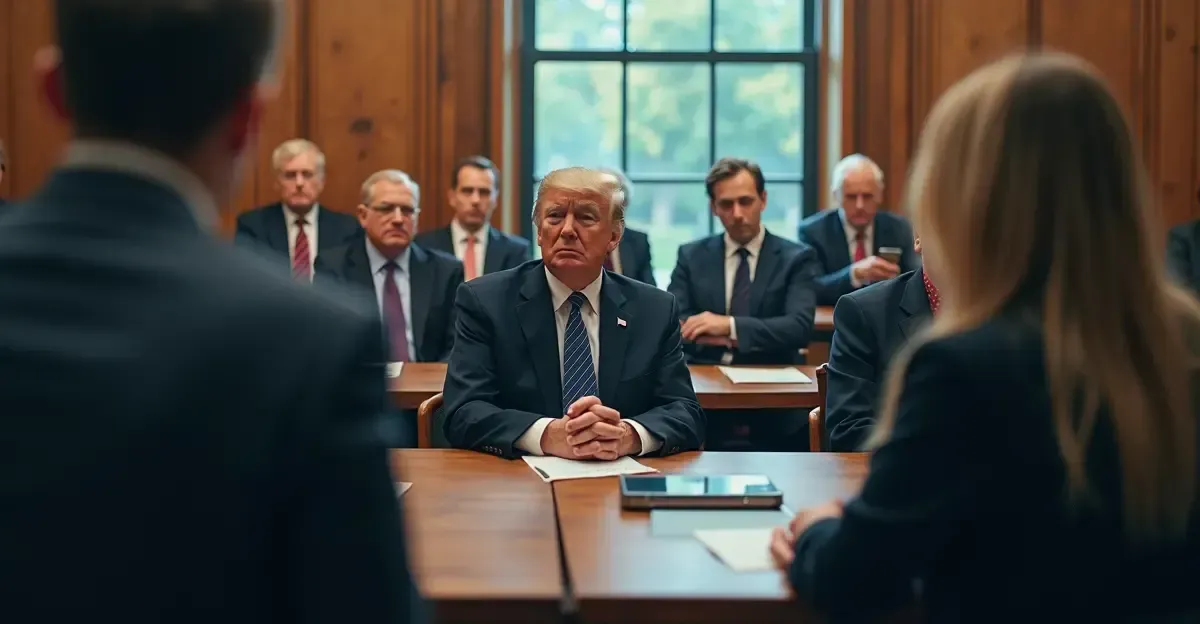
In a dramatic response to the Supreme Court ruling, President Donald Trump announced he would raise global tariffs from 10% to 15% effective immediately. Using Section 122 of the Trade Act of 1974, Trump invoked authority to impose tariffs up to 15% for 150 days, after which Congress must intervene. Trump called the Supreme Court ruling 'ridiculous, poorly written, and extraordinarily anti-American' during a weekend meeting with American governors.
The new 15% tariff represents the highest rate allowed under Section 122 and marks a continuation of Trump's protectionist economic strategy despite the legal setback. However, it remains unclear when and how this new tariff will be implemented by CBP, creating additional uncertainty for businesses already navigating the court's ruling.
Impact on Importers and International Trade
The Supreme Court's decision has created a complex landscape for U.S. importers. While CBP has stopped collecting IEEPA-based tariffs, importers face uncertainty about refunds for duties already paid. Over a thousand lawsuits have been filed by importers seeking refunds, and legal experts recommend pursuing administrative claims or litigation through the Court of International Trade.
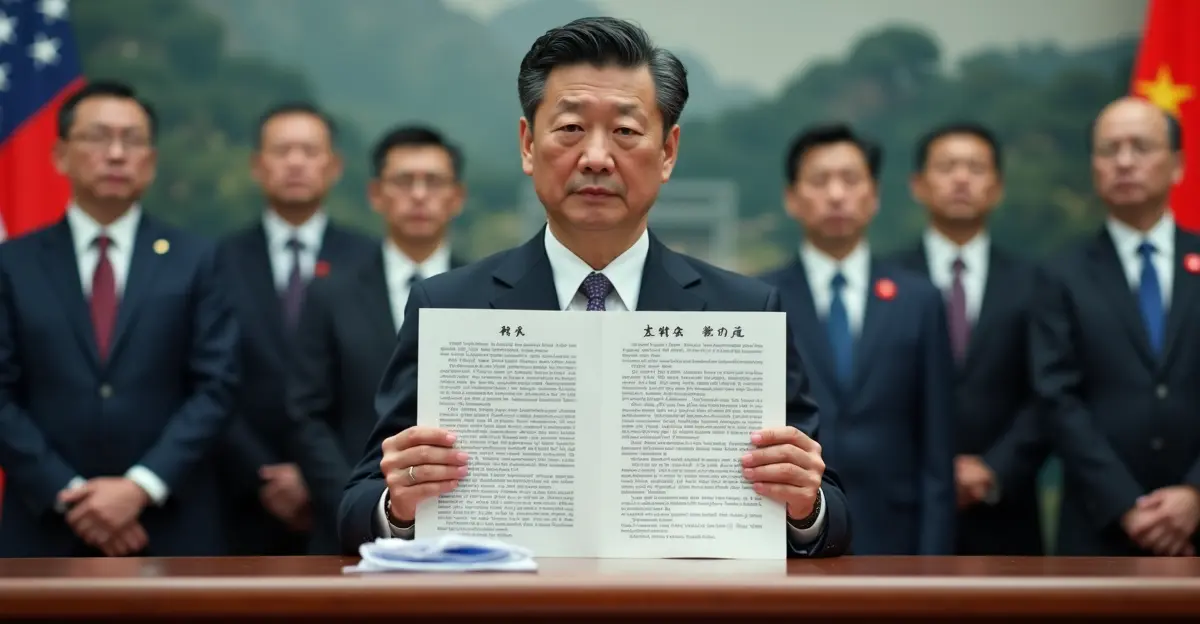
International trade partners have reacted with mixed responses. The European Commission called on the U.S. to honor trade agreements, while China has requested Washington to withdraw the new tariffs. The ruling has broader implications for global trade policy and presidential authority, potentially affecting future administrations' ability to use emergency powers for trade actions.
Financial markets reacted to the news with volatility, as businesses assess the impact on supply chains and pricing. The decision comes amid broader debates about presidential emergency powers and their application to economic policy.
Frequently Asked Questions (FAQ)
What tariffs are affected by the Supreme Court ruling?
The ruling specifically invalidates tariffs imposed under the International Emergency Economic Powers Act (IEEPA), including those targeting drug-trafficking and 'reciprocal' trade actions against various countries.
Will importers get refunds for tariffs already paid?
No automatic refunds have been announced. Importers must pursue administrative claims or litigation through the Court of International Trade to seek refunds for duties paid under the now-invalid IEEPA tariffs.
What about other tariffs like those on steel and aluminum?
Tariffs imposed under Sections 232, 201, and 301 remain intact. These include specific tariffs on steel, aluminum, copper, and semiconductors that were implemented under different legal authorities.
When did CBP stop collecting the illegal tariffs?
CBP ceased collection at 12:01 AM EST on Tuesday, February 24, 2026, more than three days after the Supreme Court's Friday ruling.
What is Trump's new 15% tariff?
Using Section 122 of the Trade Act of 1974, Trump announced a 15% global tariff effective immediately, which can remain in place for 150 days without congressional approval.




Follow Discussion