


 Deutsch
 English
 Español
 Français
 Nederlands
 Português


 Share
Share




The Great Supply Chain Reorganization
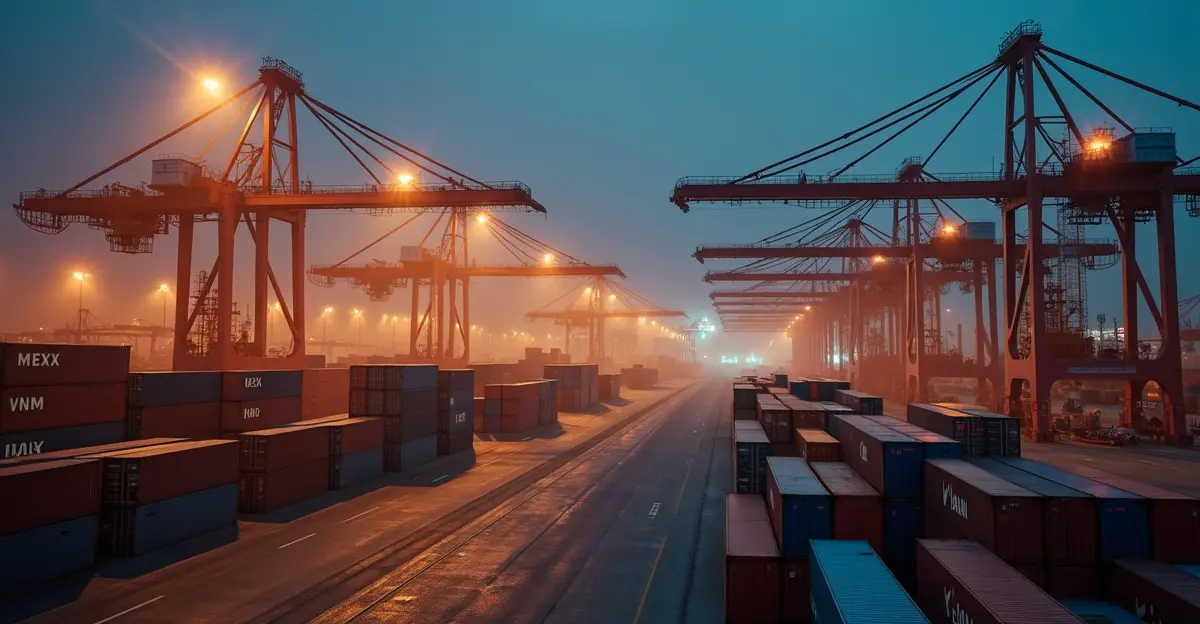
Businesses worldwide are accelerating efforts to diversify manufacturing locations and reduce dependence on single-country sourcing. According to recent data, 88% of companies plan to reconfigure their supply chains by 2025, with nearly half focusing on geographical diversification. This strategic shift responds to vulnerabilities exposed during recent disruptions, including trade wars, climate emergencies, and geopolitical tensions.
Why Diversification Matters
The COVID-19 pandemic revealed how concentrated manufacturing hubs can cripple global operations when disrupted. Companies like Nike, which previously manufactured 50% of its shoes in Vietnam, faced massive disruptions during factory shutdowns. Now, Nike is shifting North American production to Mexico and Southeast Asian production to India while sourcing materials locally to reduce transport risks.
Two Main Strategies Emerging
Businesses are pursuing two primary approaches:
- Geographical Diversification (46% of companies): Spreading operations across multiple regions to balance risk and opportunity
- Localization (42% combined): Including regionalization (22%) and reshoring (20%) to shorten supply chains
"Nearshoring strategies are gaining prominence," notes Marko Kovacevic of the Digital Supply Chain Institute. "Emerging economies offer resilience opportunities while attracting foreign investment."
The Human and Tech Dimensions
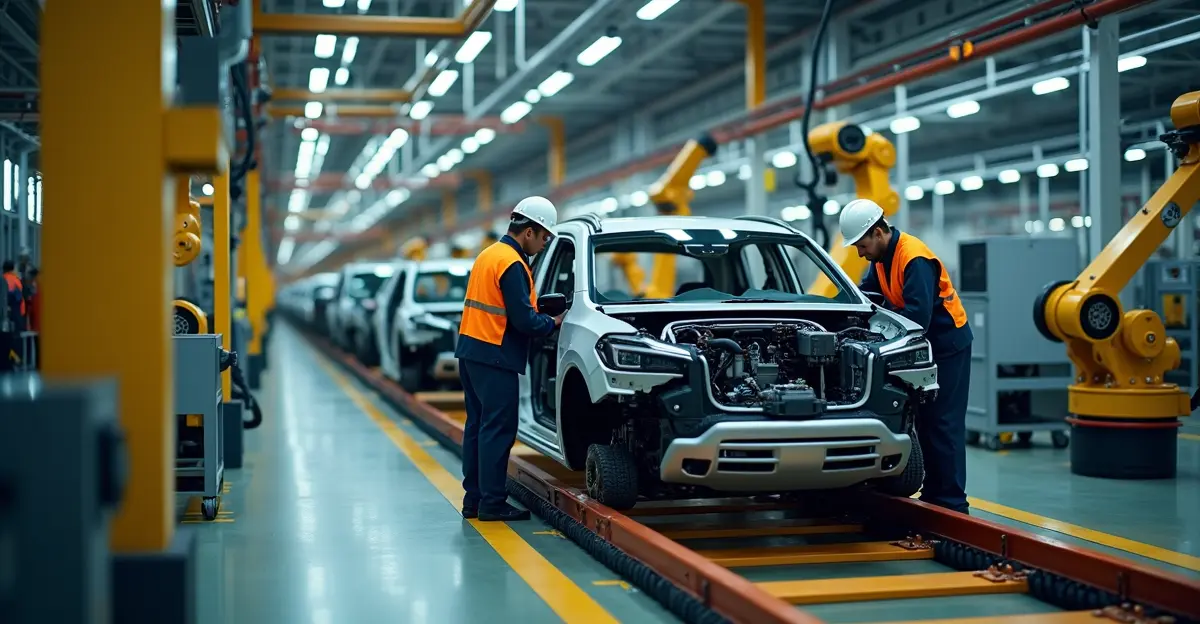
Workforce considerations significantly influence location decisions. Companies evaluate labor costs, technical skills, and automation potential. Simultaneously, AI-powered tools help optimize inventory management, with businesses reducing average stockpiles from 10.2 weeks (2022) to 8.6 weeks (2024).
As one food industry executive explained: "Transport costs sometimes exceeded product value, forcing us to completely rethink our sourcing geography."
Future Outlook
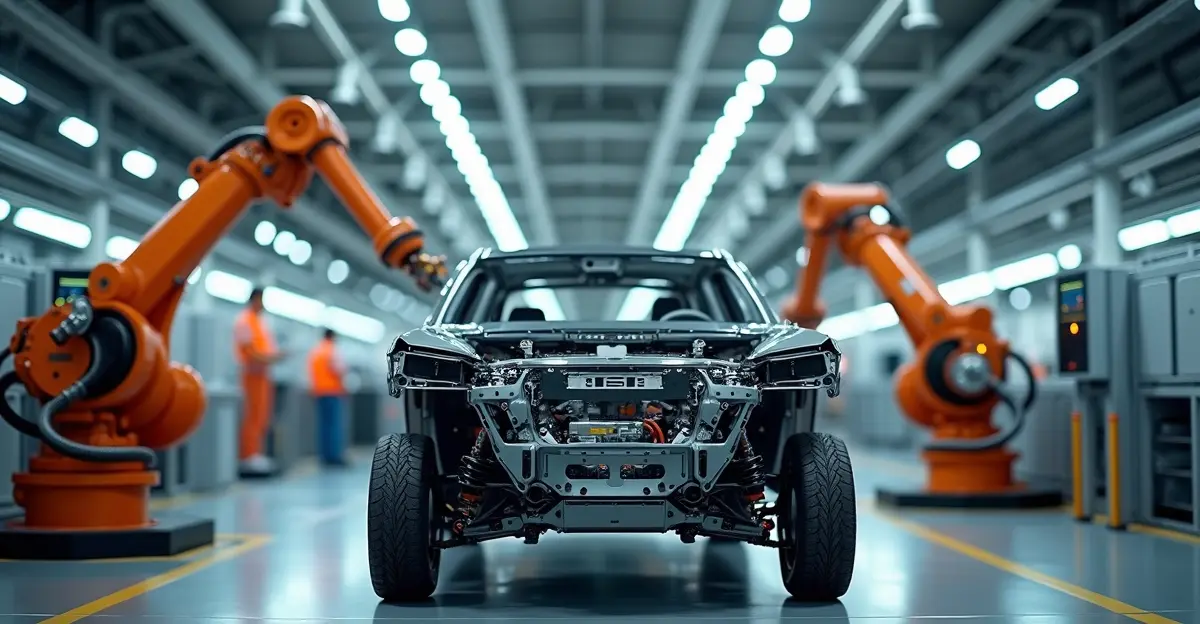
This reorganization represents more than temporary adjustment—it's a fundamental restructuring of global trade patterns. Eastern European countries like Slovakia and Hungary are emerging as manufacturing hubs, attracting major investments from automotive and EV companies. The transformation will likely continue through the decade as businesses balance cost efficiency with resilience imperatives.
Sources: Trade in Transition Report 2025, strong target="_blank" rel="noopener noreferrer">Manufacturing Location Strategies



Follow Discussion