


 Deutsch
 English
 Español
 Français
 Nederlands
 Português


 Share
Share




The Future of Urban Mobility Arrives
Major cities worldwide are rolling out integrated payment systems that allow passengers to use a single app for buses, trains, and metro services. This technological leap aims to simplify commuting across different transit networks operated by multiple agencies.
How the New Systems Work
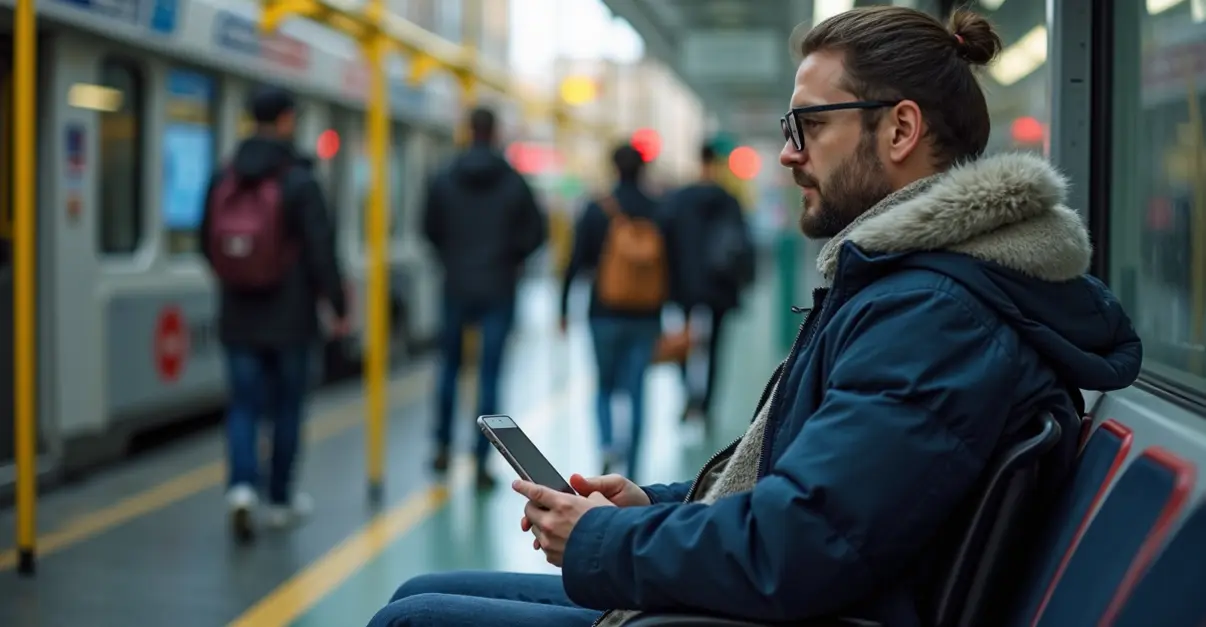
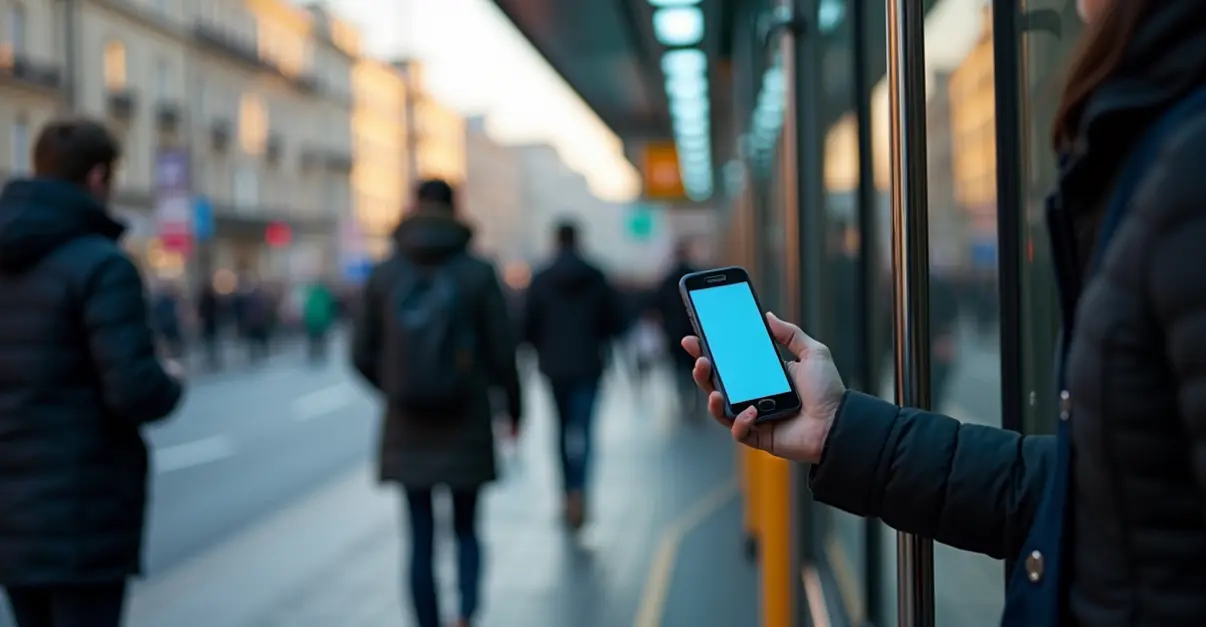
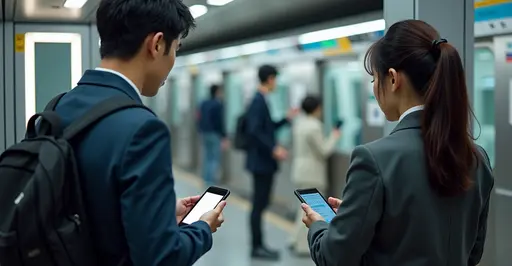
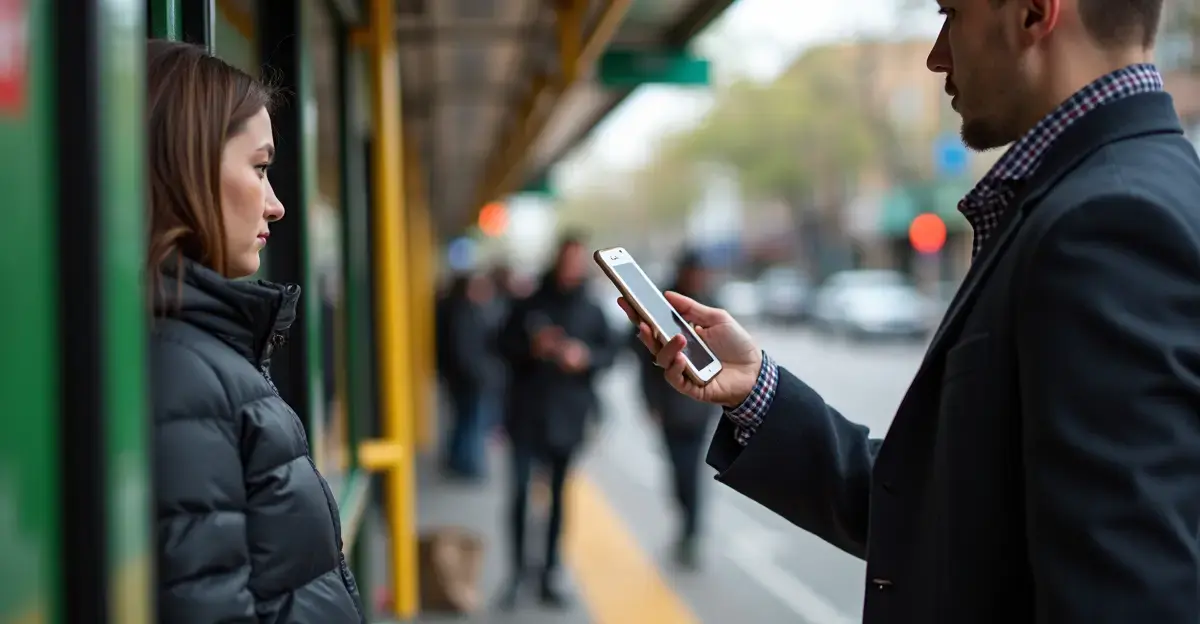
The unified apps function like digital wallets where users add funds or link payment methods. When boarding any participating transit service, passengers simply scan a QR code or tap their phones against validators. The systems automatically calculate optimal fares across operators and apply transfer discounts where applicable.
London's Oyster card system pioneered this concept decades ago, but 2025 sees smartphone-based solutions eliminating physical cards entirely. New York's OMNY, Chicago's Ventra, and Singapore's SimplyGo have demonstrated successful implementations that are now inspiring similar launches in Tokyo, Mumbai, São Paulo, and Cairo.
Benefits for Commuters
Daily riders save significant time by avoiding ticket queues and reducing transfer friction between services. Tourists benefit from not needing to navigate complex fare structures. "I used to carry four different transit cards in Mumbai," explains software engineer Priya Sharma. "Now I move seamlessly from local trains to BEST buses using one app."
Implementation Challenges
Integrating legacy payment systems across competing transit agencies requires complex negotiations. Data sharing agreements and revenue distribution models took years to finalize in cities like Mexico City. Cybersecurity remains a top concern, with Transport for London reporting attempted hacks increasing 300% since their digital rollout.
Equity issues also emerged during early implementations. Jakarta paused their rollout to develop offline functionality after discovering 30% of users lacked consistent mobile data access. Most new systems now offer physical reload points in convenience stores and transit stations.
Environmental Impact
Early data shows integrated payment correlates with public transport usage increases of 12-18% according to the International Association of Public Transport. Paris saw a 15% reduction in private vehicle trips within six months of launching their Navigo Liberté+ app.
Urban planner Dr. Elena Martinez notes: "When you lower the cognitive barrier to multimodal transit, people choose sustainable options more often. This could be our most effective tool against urban congestion."
What's Next
Phase two implementations will integrate ride-sharing and micro-mobility services. Berlin's upcoming BVG+ app will include scooters and bike-share options alongside traditional transit. Payment providers are also exploring cryptocurrency integration, with Lisbon piloting Bitcoin payments later this year.

Follow Discussion