


 Deutsch
 English
 Español
 Français
 Nederlands
 Português


 Share
Share




Revolutionizing Public Transport with Smart Accessibility Technology
Public transit apps are undergoing a transformative upgrade, introducing real-time accessibility data and rider feedback systems that promise to make urban mobility more inclusive than ever before. As cities worldwide strive to create more equitable transportation networks, technology companies and transit agencies are collaborating to develop solutions that address the needs of wheelchair users, visually impaired individuals, and all passengers facing mobility challenges.
The New Generation of Accessible Transit Apps
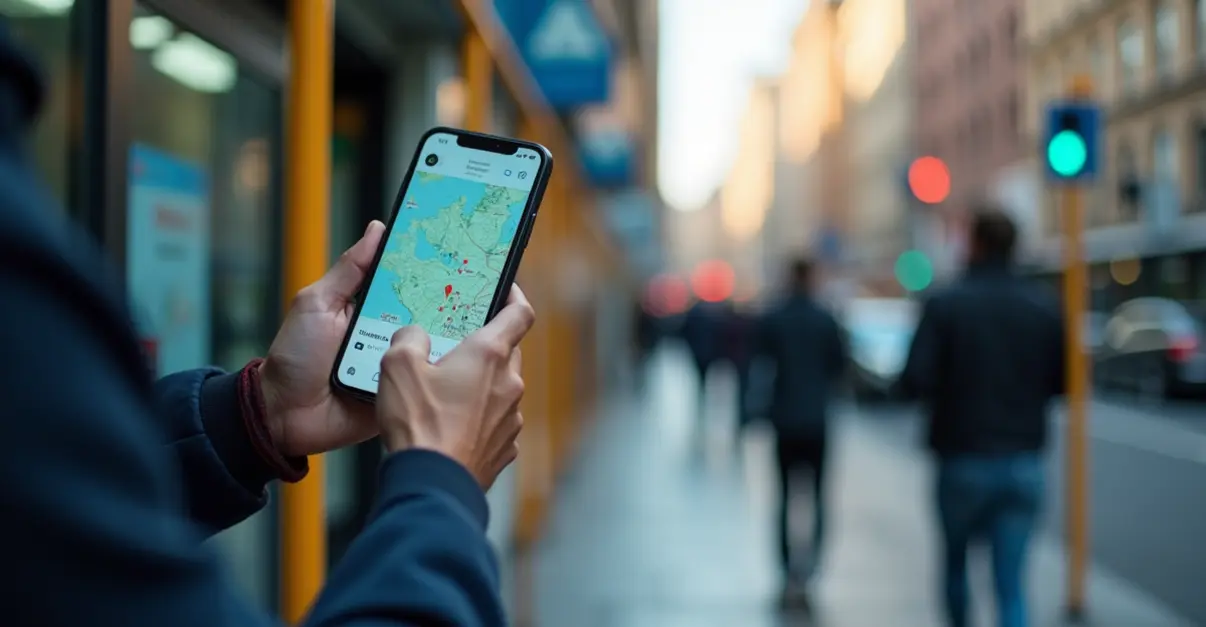
Leading transit applications like Transit have rolled out comprehensive accessibility features that go beyond basic route planning. Users can now enable accessibility information to see whether vehicles and stops are wheelchair accessible, with options to prioritize accessible trips first. The apps display clear accessibility icons for upcoming departures and stops, allowing users to quickly identify wheelchair-accessible options without guesswork.
For blind or visually impaired users, these apps support screen readers like VoiceOver (iOS) and TalkBack (Android), offering optimized navigation with clear audio instructions and condensed route information. 'The goal is to provide independence and confidence for all riders,' says Oliver Smith, a transit technology expert. 'We're moving beyond compliance to creating genuinely useful tools that empower people with disabilities to navigate cities with the same ease as everyone else.'
Real-Time Data and Rider Feedback Integration
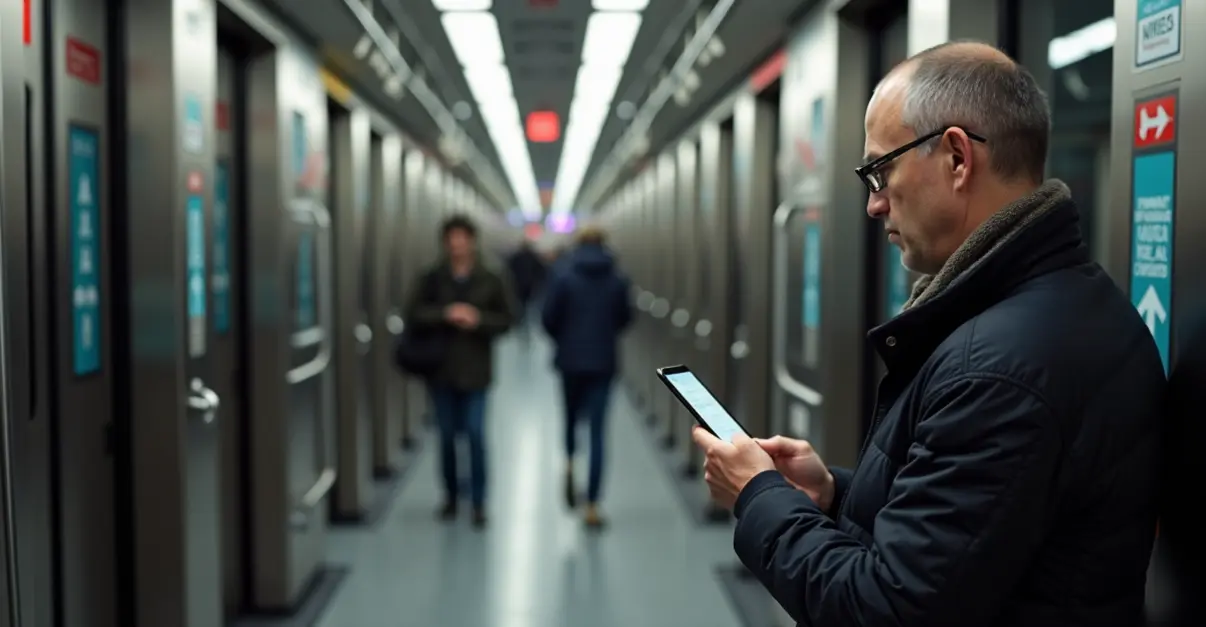
The most significant advancement comes from real-time data integration. Apps now provide live updates on elevator outages at subway stations, ramp availability on buses, and accessible vehicle locations. This information, sourced directly from local transit agencies, helps users avoid inaccessible routes before they even begin their journey.
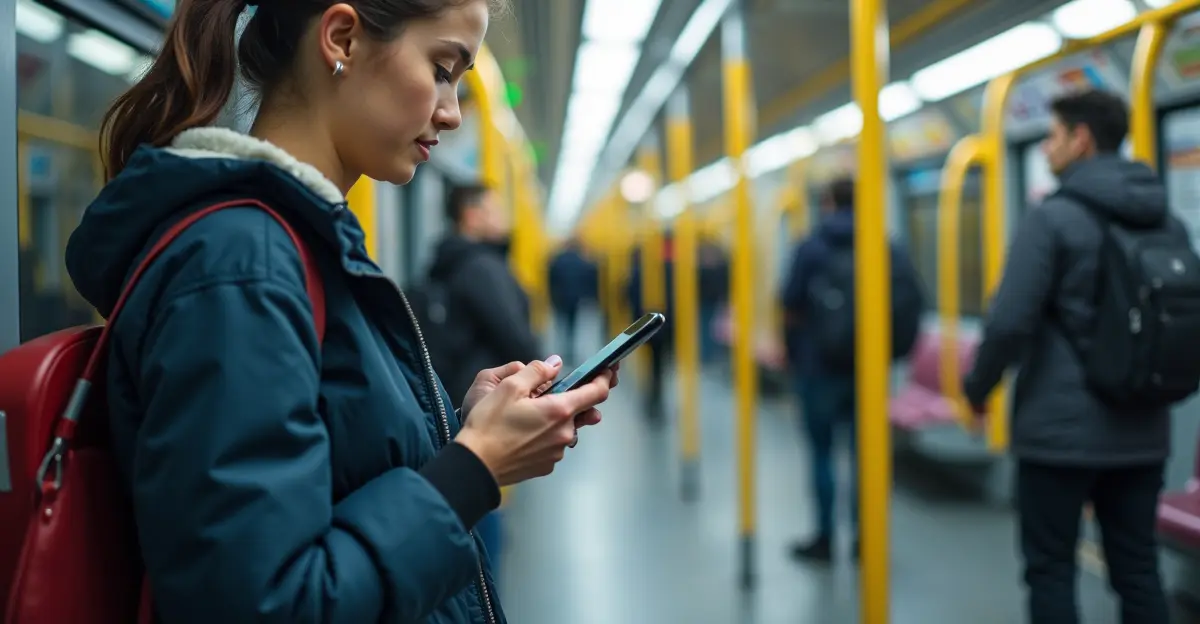
Rider feedback systems allow passengers to report accessibility issues directly through the app, creating a crowdsourced database of real-world conditions. According to a 2023 study, real-time transit information can reduce average transit stop wait times by approximately three minutes, translating to a 37% increase in network-level stop coverage area. This means reduced wait times allow riders to walk from greater distances to reach transit stops, significantly expanding service accessibility.
Industry-Wide Adoption and Future Developments
Major transit agencies are embracing these technologies with ambitious timelines. According to industry reports, systems like JFK Airport's AirTrain ADA-compliant system and London's PTAL (Public Transport Accessibility Level) are providing live accessibility data that's being integrated into consumer apps. Early adopters report 30% fewer missed connections and increased confidence in using public transit.
The 2025 transit trends report highlights significant transformations in urban mobility, with a 17% nationwide ridership increase from 2022-2023 signaling a public transit resurgence. Technology-driven innovations like AI-powered dynamic route planning and Mobility-as-a-Service (MaaS) platforms are integrating multiple transportation modes with accessibility at their core.
'We're seeing a fundamental shift in how transit agencies approach accessibility,' notes a spokesperson from NJ TRANSIT, which recently launched pilot programs featuring innovative apps. 'The GoodMaps app provides indoor navigation assistance at terminals, while the Convo app enables on-demand American Sign Language interpreting at stations. These technologies empower customers with greater independence.'
Economic and Social Impact
The push for accessible transit technology comes as public transit ridership has reached 85% of pre-pandemic levels, representing over 10.3 billion passenger miles in 2024 according to APTA research. Every $1 invested in public transit generates $5 in economic output, making data-driven improvements essential for boosting ridership, accessibility, and economic growth.
Transit agencies are leveraging open-loop payment systems that use smartphones instead of traditional fare cards to collect valuable rider behavior data. This approach enables operators to optimize route planning and service allocation based on actual rider demand patterns, particularly benefiting accessibility-focused routes.
As cities continue to invest in these technologies, the goal is clear: create transportation systems that work for everyone. With major transit agencies aiming to implement comprehensive accessibility standards system-wide by 2026, supported by infrastructure law grants, the future of inclusive urban mobility looks promising.



Follow Discussion