


 Deutsch
 English
 Español
 Français
 Nederlands
 Português


 Share
Share




Major Tournament Postponement Looms as Extreme Heat Forecasts Intensify
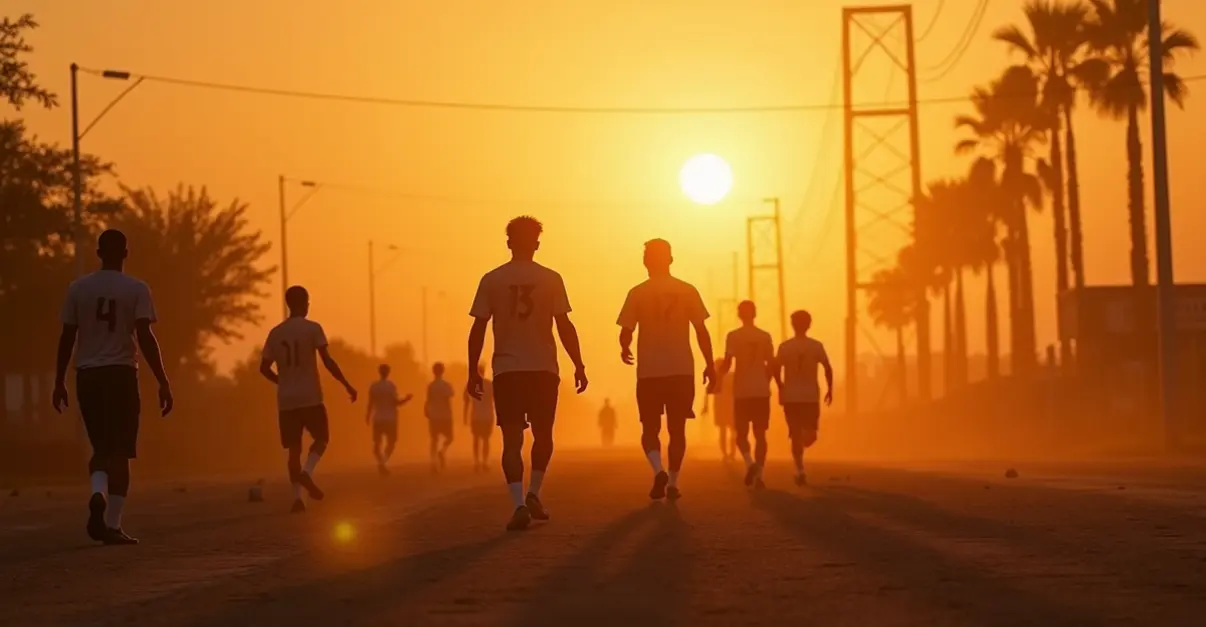
Organizers of the 2026 FIFA World Cup are facing unprecedented challenges as climate scientists warn that extreme heat could force postponements of matches across North American venues. With temperatures projected to reach dangerous levels in multiple host cities, tournament officials are scrambling to develop contingency plans that prioritize athlete welfare while managing complex ticketing and logistical implications.
The Climate Reality: 'Pitches in Peril' Report Sounds Alarm
A comprehensive climate study titled 'Pitches in Peril' has revealed alarming data about the 2026 tournament's vulnerability to extreme weather. The report analyzed 16 venues across the United States, Canada, and Mexico, finding that 13 already experience summer days exceeding FIFA's threshold for mandatory drinks breaks. More critically, 10 host cities face days where temperatures make competitive football unsafe, with Dallas and Houston hitting dangerous levels on 33 and 51 days respectively during tournament months.
'We're seeing conditions that could literally be life-threatening for athletes,' says Dr. Sarah Chen, lead researcher on the climate study. 'When the Wet-Bulb Globe Temperature exceeds 82.4°F, we're entering territory where postponement becomes a medical necessity, not just a precaution.'
Athlete Welfare Takes Center Stage
Professional footballers have become increasingly vocal about heat-related dangers. Chelsea midfielder Enzo Fernandez described playing in 96°F heat as 'very dangerous' after experiencing dizziness during a recent tournament. The global players' union FIFPRO has identified six US host cities at 'extremely high risk' for heat stress and recommends postponing matches when WBGT exceeds 82.4°F - a threshold significantly lower than FIFA's current 89.6°F standard.
Heat-related illnesses are no minor concern. According to the National High School Sports Related Injury Surveillance System, an estimated 51,943 excessive heat illnesses occurred in nine high school sports between 2005 and 2020. Heat stroke, which occurs when body temperature exceeds 104°F, can cause permanent organ damage or death if not treated immediately.
Ticketing Policies Face Unprecedented Challenges
The potential for match postponements creates complex ticketing dilemmas. Ticketmaster's refund policies typically offer different options for canceled versus postponed events, with postponed matches often only offering ticket validity for the new date rather than refunds. However, with international travelers comprising a significant portion of World Cup attendees, simple postponements could create logistical nightmares.
'When you have fans who've traveled from Argentina to Dallas for a specific match, a postponement of even 24 hours can mean missed flights, additional hotel costs, and scheduling conflicts,' explains event management specialist Michael Rodriguez. 'Organizers need clear, transparent policies that address both refund options and accommodation for displaced fans.'
Rescheduling Options: From Kickoff Times to Seasonal Shifts
Tournament organizers are exploring multiple adaptation strategies. The most immediate solution involves shifting match times to early morning or late evening hours when temperatures are lower. Some venues with retractable roofs, like Atlanta's Mercedes-Benz Stadium, may keep roofs closed during daytime matches.
More radical proposals include moving the entire tournament to winter months, though this conflicts with domestic league schedules. The expanded 48-team format adds further complexity, as more matches mean less flexibility in an already crowded calendar.
Climate scientists note that this isn't just a 2026 problem. By 2050, nearly 90% of North America's host stadiums will require adaptation to extreme heat, with one-third facing water demand equaling or exceeding supply. The 'Pitches in Peril' report urges the soccer industry to commit to net-zero emissions by 2040 and calls for tournament organizers to create adaptation funds.
The Economic Implications
Postponements carry significant financial consequences. Sports cancellation insurance, which protects organizers from losses when events are canceled or postponed, becomes increasingly crucial but also more expensive as climate risks grow. The 2026 World Cup is already predicted to be the most polluting in FIFA's history, releasing up to 9 million metric tonnes of CO2 equivalent.
Despite these challenges, organizers remain committed to delivering a safe tournament. 'Player welfare is our absolute priority,' states FIFA's Chief Medical Officer. 'We're working with climate experts, medical professionals, and player representatives to develop protocols that protect everyone involved while maintaining the integrity of the competition.'
As climate change continues to reshape our world, the 2026 World Cup may become a landmark case in how major sporting events adapt to new environmental realities - with athlete safety and fan experience hanging in the balance.





Follow Discussion