


 Deutsch
 English
 Español
 Français
 Nederlands
 Português


 Share
Share




Planting the Seeds for Interplanetary Survival
NASA has announced significant funding for advanced botany experiments designed to support long-term human missions to Mars. This research initiative focuses on solving one of space exploration's biggest challenges: how to sustainably grow food during multi-year missions where resupply from Earth isn't possible.
The Veggie System Revolution
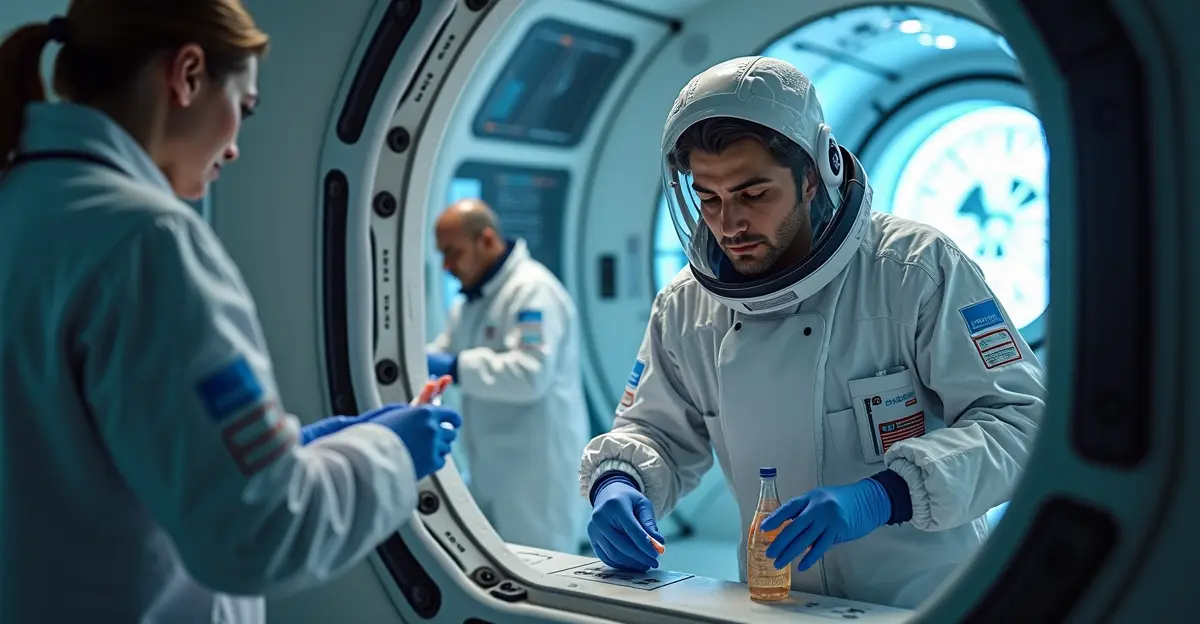
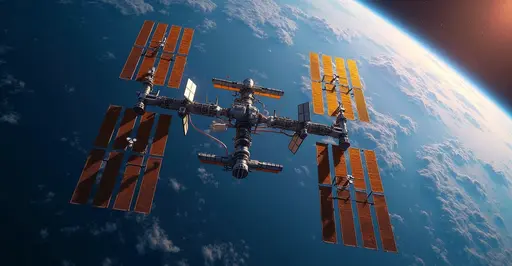
At the heart of this effort is the Vegetable Production System (Veggie), a space garden currently operating aboard the International Space Station. About the size of carry-on luggage, Veggie uses special "plant pillows" filled with clay-based growth media and fertilizer. Its LED lighting system emits a distinctive magenta glow - optimized for plant growth since plants reflect green light while absorbing more red and blue wavelengths.
"We've successfully grown various lettuces, Chinese cabbage, mizuna mustard, and even flowering zinnias in microgravity," reports Dr. Gioia Massa, NASA's lead scientist for space crop production. "Astronauts have consumed about half of the harvest, with the remainder returned to Earth for study."
Advanced Plant Habitat: The Next Generation
Complementing Veggie is the more sophisticated Advanced Plant Habitat (APH), which features over 180 sensors and automated controls for water, atmosphere, and lighting. This closed system allows detailed study of how plants respond to space conditions without requiring constant astronaut attention.
Current APH experiments focus on fundamental questions like how microgravity affects lignin - the structural component that gives plants rigidity on Earth. "If plants can thrive with reduced lignin in space, it could make them more nutritious and easier to compost," explains Dr. Norman Lewis, principal investigator for the Arabidopsis Gravitational Response Omics study.
Why Plants Matter Beyond Nutrition
The benefits of space botany extend far beyond dinner plates:
- Psychological boost: Caring for living plants provides mental health benefits during isolation
- Air recycling: Plants convert CO2 to oxygen and help regulate humidity
- Radiation protection: Antioxidant-rich crops may help shield astronauts from cosmic rays
NASA plans to test more advanced crops like tomatoes, peppers, and berries in coming years. These could provide vital nutrients that degrade in prepackaged meals during long missions.
Students Join the Space Farming Revolution
Over 8,000 students across 400+ schools are contributing through the Growing Beyond Earth citizen science project. Using classroom versions of NASA's hardware, these young researchers are testing radiation effects on plants, experimenting with cosmic soil alternatives, and optimizing light spectra for space radishes.
"The perfect Mars salad won't be invented in a lab alone," says Fairchild Tropical Botanic Garden's Dr. Carl Lewis, who leads the student initiative. "It'll emerge from thousands of classroom experiments informing NASA's work."
With Artemis missions extending humanity's reach to the Moon and Mars expeditions on the horizon, these botanical breakthroughs may determine whether we can truly live among the stars. For more information, visit NASA's plant research portal.


Follow Discussion