


 Deutsch
 English
 Español
 Français
 Nederlands
 Português


 Share





Space data centers are emerging as the latest battleground in the escalating tech rivalry between the United States and China, according to spaceflight engineer Stijn Ilsen. Speaking after SpaceX announced plans to build orbital data facilities high above Earth, Ilsen warned that 'It's opportunism by Elon Musk; in space there is infinite solar energy and no regulation.' The development could accelerate a new arms race, with both superpowers racing to deploy millions of AI satellites.
What Are Space Data Centers?
Space data centers, also known as orbital AI infrastructure, are proposed facilities that move cloud computing and AI processing into orbit. Instead of consuming scarce electricity and water on Earth, they would tap into continuous solar energy and radiate excess heat into the cold vacuum of space. The concept has gained momentum as ground-based data centers face growing opposition over their data center energy consumption and land use.
Why SpaceX Wants to Build Them
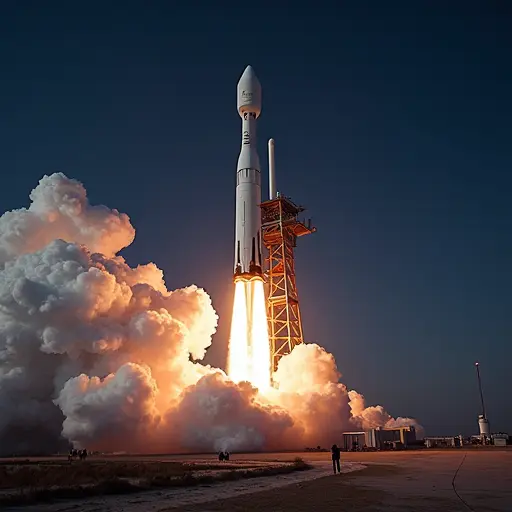
Over the past weekend, SpaceX took another major step toward a fully reusable rocket by catching the upper stage of its Starship vehicle after launch. That breakthrough could slash launch costs, making orbital data centers economically viable. Ilsen called the move 'a bit of opportunism by Musk, a capitalist commercial idea.'
'You see on Earth there is a shortage of electricity and a shortage of places to build. Nobody wants data centers. And now that the Democrats are coming to power (in the United States, ed.), there will probably be extra regulation. Well, where is there infinite solar energy and no regulation? In space.'
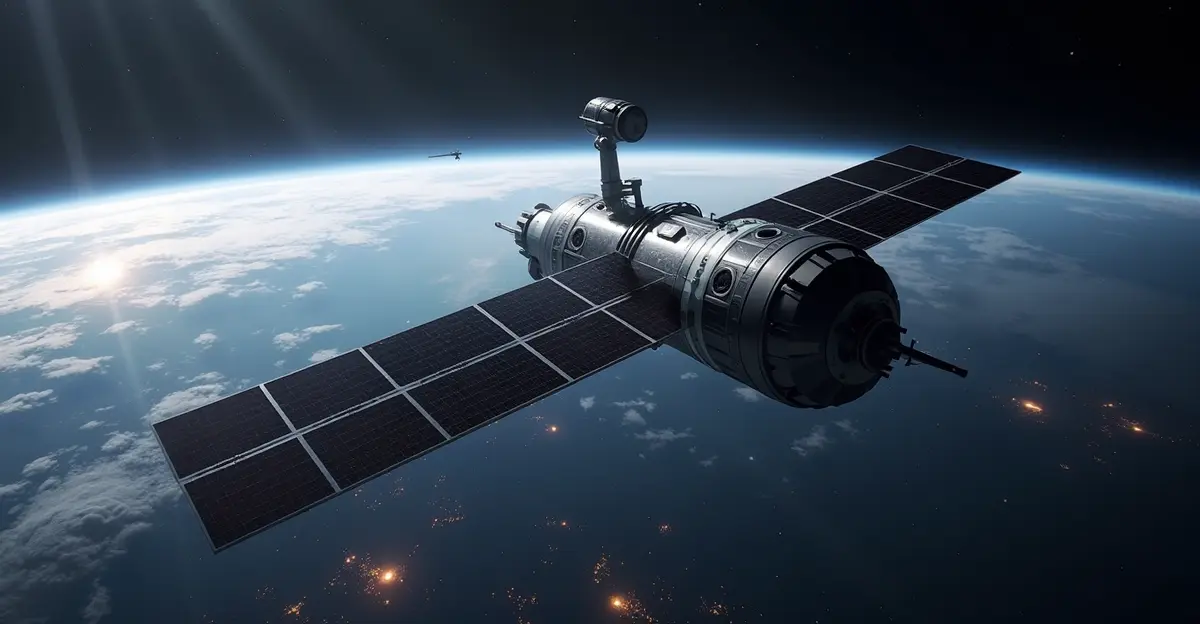
SpaceX's proposed orbital data centers would resemble satellites with two large solar panels, each 70 meters long and 30 meters high, with a vertical radiator between them to cool the servers. However, Ilsen explained that cooling in space is not as simple as it sounds. 'Space works like a thermos. You have to radiate the heat away. For that you need radiators: pipes that carry the heat from the chips away with water and radiate it.'
Musk's Growing Space Dominance
The move would give Elon Musk an even greater grip on hardware in orbit. Already, 85% of everything floating around Earth—including about 11,200 Starlink satellites—belongs to SpaceX. 'That is an insane amount of power,' Ilsen said. 'It comes from the fact that there is very little regulation around spaceflight in the US, and actually worldwide. You only need permission from your own country to launch devices from there. Can you imagine Trump telling Musk: Oh no, we are not going to do that anymore?'
US-China Arms Race in Orbit
Space data centers may settle the race for superintelligent AI—but they could also fuel a new arms race. China is making rapid strides, including a rocket that can land autonomously, similar to what SpaceX has done for a decade with Falcon 9. 'But in China it is going faster,' Ilsen noted. 'There is a very commercial space industry in China. Those companies are racing like crazy to build Chinese space capacity. Because if Musk says he is building 10,000 Starlink satellites, China says: we are building 20,000. And if SpaceX now says: we are making 1 million Starmind AI satellites, then China says: us too.'
- United States: SpaceX plans up to 1 million AI satellites
- China: announced a 200,000-satellite constellation
- Both: developing reusable rockets and space weapons
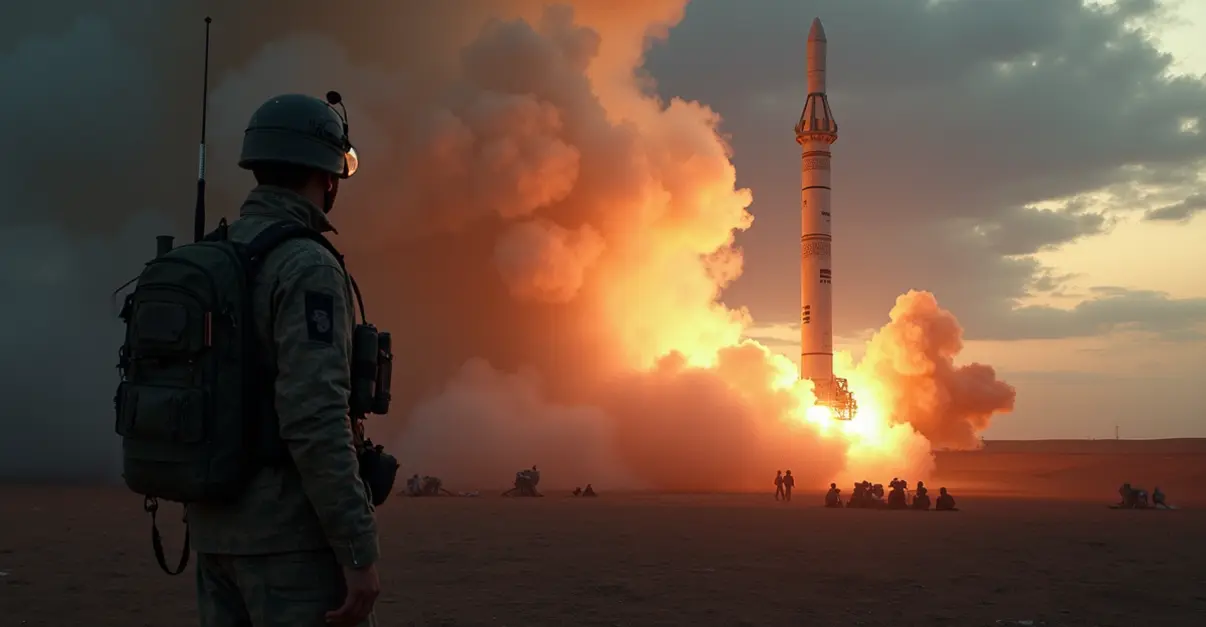
The big question is where this race will end. Space weapons are no longer a distant fever dream. About six months ago, an American military official confirmed for the first time that the US has weapons in space. 'Only the question is: what is such a space weapon? Probably it serves to disable another satellite, not necessarily to use against people on Earth,' Ilsen said.
Impact and Implications
The shift toward orbital computing could reshape geopolitics, energy policy, and the future of artificial intelligence infrastructure. While supporters see a solution to the energy crisis, critics warn of orbital congestion, light pollution, and the concentration of power in a single private company. With China's planned 200,000-satellite constellation and the US military's confirmed space weapons, the next decade may see a new frontier of strategic competition.
Frequently Asked Questions
What are space data centers?
Space data centers are orbital facilities that host servers and AI workloads, using solar power and radiative cooling instead of Earth-based electricity grids.
Why is SpaceX building data centers in space?
SpaceX sees space as a place with unlimited solar energy and little regulation, and reusable rockets make launches cheaper than competitors.
How does cooling work in space?
Space acts like a thermos; heat must be radiated away through radiators that carry heat from chips using water and emit it as infrared radiation.
Could space data centers trigger an arms race?
Yes, experts warn that if the US builds millions of AI satellites, China will respond in kind, potentially escalating a new space arms race.
Does the US have weapons in space?
In September 2026, a US military official confirmed for the first time that the United States has space weapons, likely designed to disable other satellites.



Follow Discussion