


 Deutsch
 English
 Español
 Français
 Nederlands
 Português


 Share
Share




New Space Race Between US and China Intensifies
The competition between the United States and China in space exploration has reached new heights, with both nations making significant strides in lunar missions and orbital technology. This modern space race echoes the Cold War-era rivalry between the US and the Soviet Union, but with advanced technologies and ambitious goals.
Lunar Missions Take Center Stage
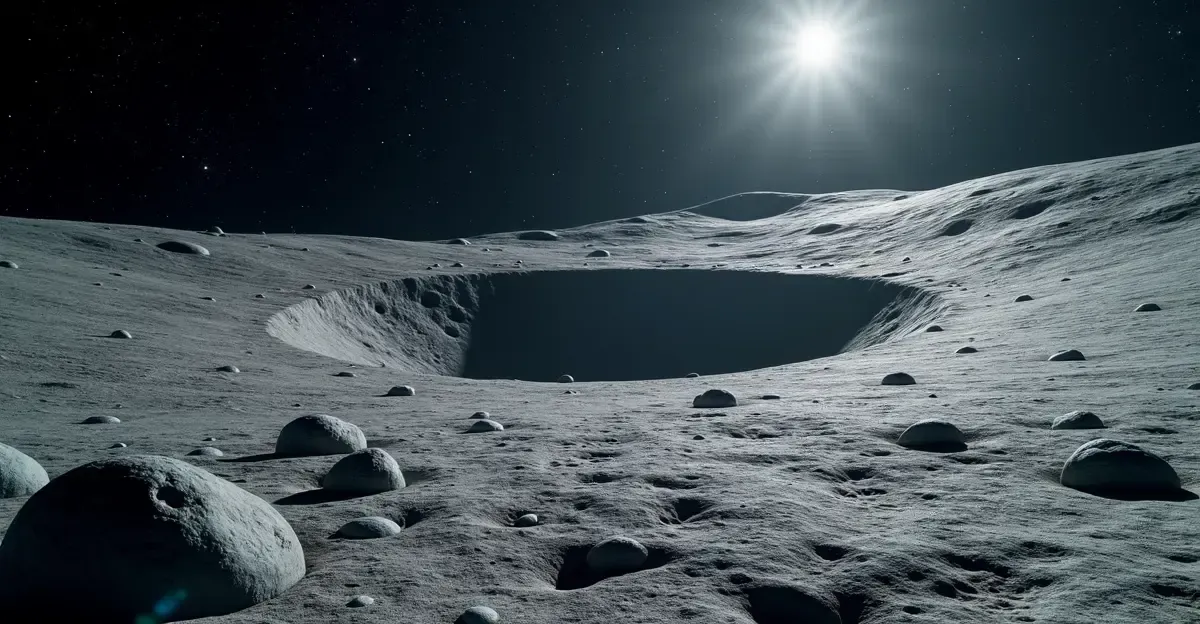
China has recently completed its Chang’e-6 mission, marking the first successful return of samples from the dark side of the Moon. Meanwhile, the US is pushing forward with its Artemis program, aiming to return astronauts to the lunar surface by 2025. Both nations are also eyeing the establishment of permanent lunar bases, with China targeting 2030 for its first crewed landing.
Orbital Technology and Satellite Constellations
China’s Thousand Sails and National Net projects aim to deploy thousands of satellites, rivaling SpaceX’s Starlink. The US, with its nearly 9,000 satellites, remains the leader, but China’s rapid advancements in launch capabilities and reusable rocket technology are closing the gap. The Long March 10 rocket, set for its first test flight in 2026, is a key part of China’s strategy to match US capabilities.
The Role of Private Companies
SpaceX continues to dominate the global launch market with its reusable Falcon 9 and upcoming Starship rockets. However, Chinese companies like Galactic Energy are making strides in reusable rocket technology, backed by state support. The competition is not just about national prestige but also about securing strategic advantages in communication, surveillance, and resource extraction.
For more details, visit Palladium Magazine.

Follow Discussion